
Ethnographic Atlas · Comparative profile
Rebel Culture
Coalition, sacrifice, mobility, political ideals, informal trust, and the difficult work of building collective resistance.
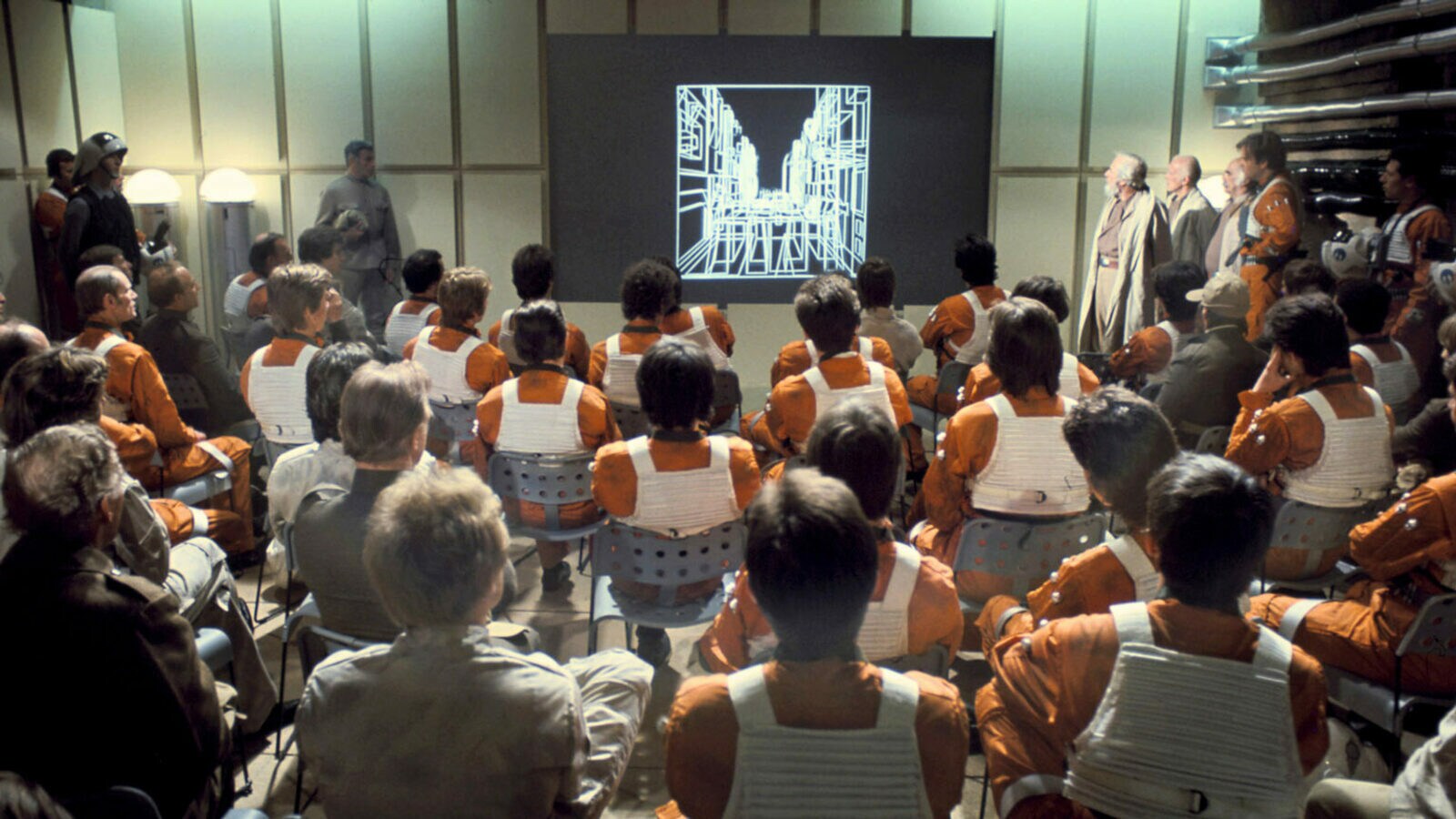
Anthropological orientation
Read the society, not the stereotype
Rebel culture is a coalition culture. People arrive from different planets, classes, professions, political traditions, species, military backgrounds, and personal histories, then must build enough trust and shared purpose to act collectively under severe material pressure.
This profile uses the same dimensions as the rest of the Atlas so comparison does not depend on one society being treated as the default. Culture is historically produced, internally debated, and never reducible to species, government, or planet.
Social organization & kinship
Relationships and belonging
Cells, crews, friendships, military units, political networks, defectors, families, and chosen relationships connect people who often come from very different worlds and institutions.
Religion & worldview
Meaning, value, and the larger order
Rebel communities share opposition to Imperial domination but do not possess one uniform worldview. Ideas about freedom, restoration, justice, sacrifice, hope, and legitimate violence are debated rather than automatically agreed upon.
Economy & labor
Resources, work, and exchange
Hidden bases, donated resources, intelligence, salvage, sympathetic networks, covert transport, military supply, and scarce personnel make logistics inseparable from political survival.
Political organization
Authority and legitimacy
Authority ranges from decentralized cells to Alliance councils and military commands. Tension between secrecy, democratic ideals, expertise, urgency, and coalition politics shapes decision-making.
Material culture
Objects, spaces, and visible identity
Insignia, flight suits, repurposed equipment, hidden bases, starfighter markings, recordings, memorials, and improvised technologies communicate both institutional identity and material constraint.
Internal diversity & disagreement
No culture is a single voice
Rebels disagree over tactics, sacrifice, hierarchy, secrecy, political goals, violence, and the future they hope to build.
Relations with outsiders
Boundaries, encounters, and classification
The category “Rebel” itself changes by viewpoint: Imperial institutions use it as a threat category while participants may understand themselves through resistance, restoration, liberation, duty, or survival.
Historical change
Tradition is not static
Separate resistance movements gradually become a larger Alliance. Victory over the Empire creates a new problem: transforming a culture organized around rebellion and wartime survival into institutions capable of governing.
Cross-reference