01 · Orientation
Summary
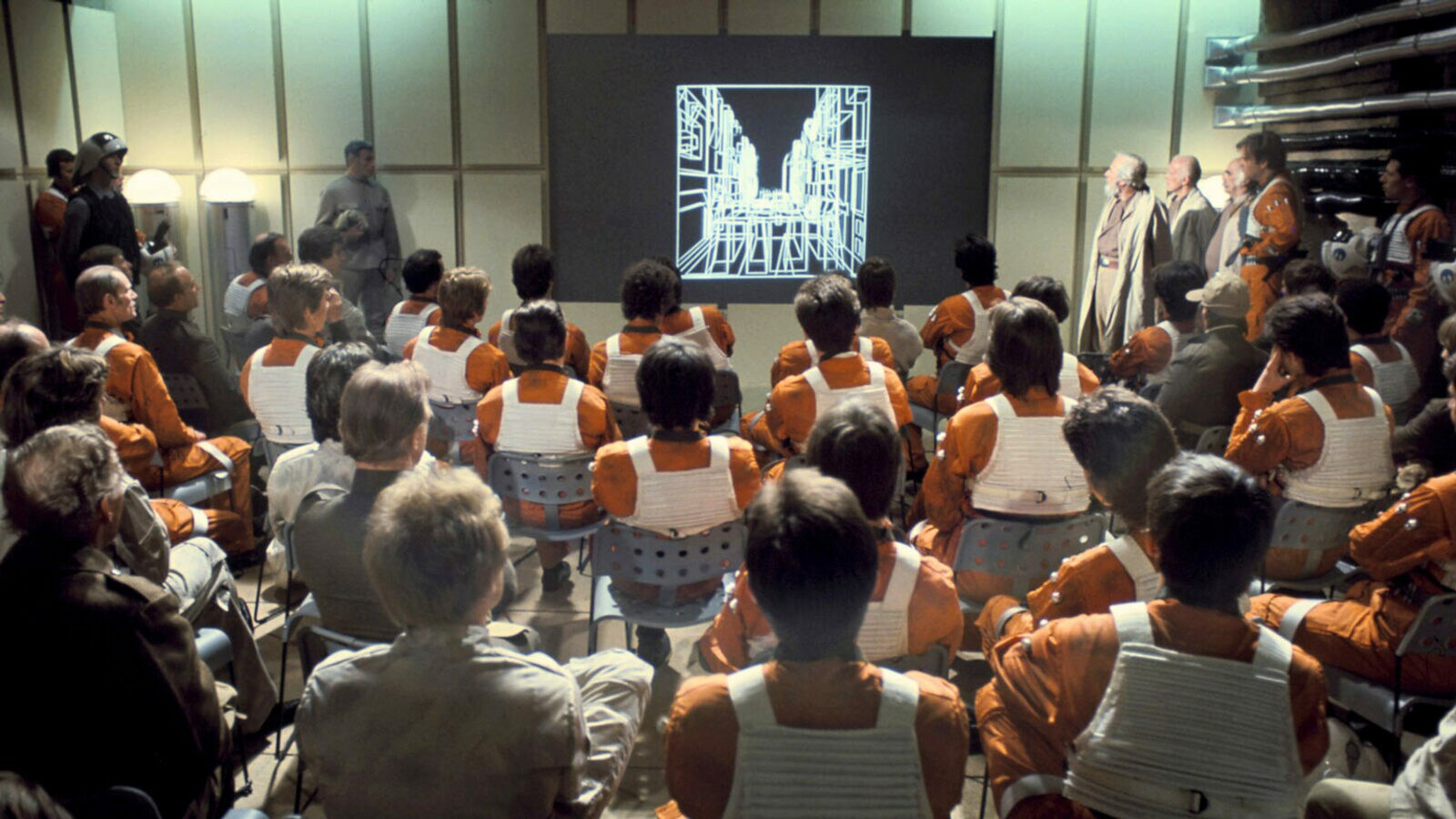
Rebel culture developed as people from different worlds and political backgrounds learned to cooperate under surveillance, scarcity, occupation, and war.
02 · Identity
Belonging and social identity
Being a rebel could mean membership in a formal Alliance unit, participation in a local cell, support work, intelligence activity, political dissent, or community resistance. Shared identity had to be built across major differences.
03 · Worldview & religion
Belief, cosmology, and moral order
Rebel worldview is plural rather than doctrinal. Shared commitments center on resistance to Imperial rule, political freedom, mutual trust, sacrifice, and the possibility of rebuilding legitimate government despite major differences among member worlds and movements.
The Rebel Alliance has no common religion. Its members come from many spiritual and secular traditions, and Force belief varies widely. Religious language, memorial practices, hope, and sacrifice can shape individual communities without turning the coalition itself into a faith.
04 · Practice
Everyday life, ritual, and material culture
Code names, hidden routes, informal trust, memorialization, salvaged equipment, shared symbols, improvised logistics, sacrifice, and stories of resistance helped create cohesion under conditions of insecurity.
05 · Institutions
Social organization and authority
Local cells, partisan groups, Alliance High Command, intelligence networks, squadrons, supply chains, and diplomatic contacts created different scales of rebel life.
06 · Change over time
History and cultural transformation
The rebellion grew from scattered local movements into a wider Alliance. Victories such as Scarif and Yavin became shared memory, while losses forced continual rebuilding and negotiation over strategy.
Connected archive