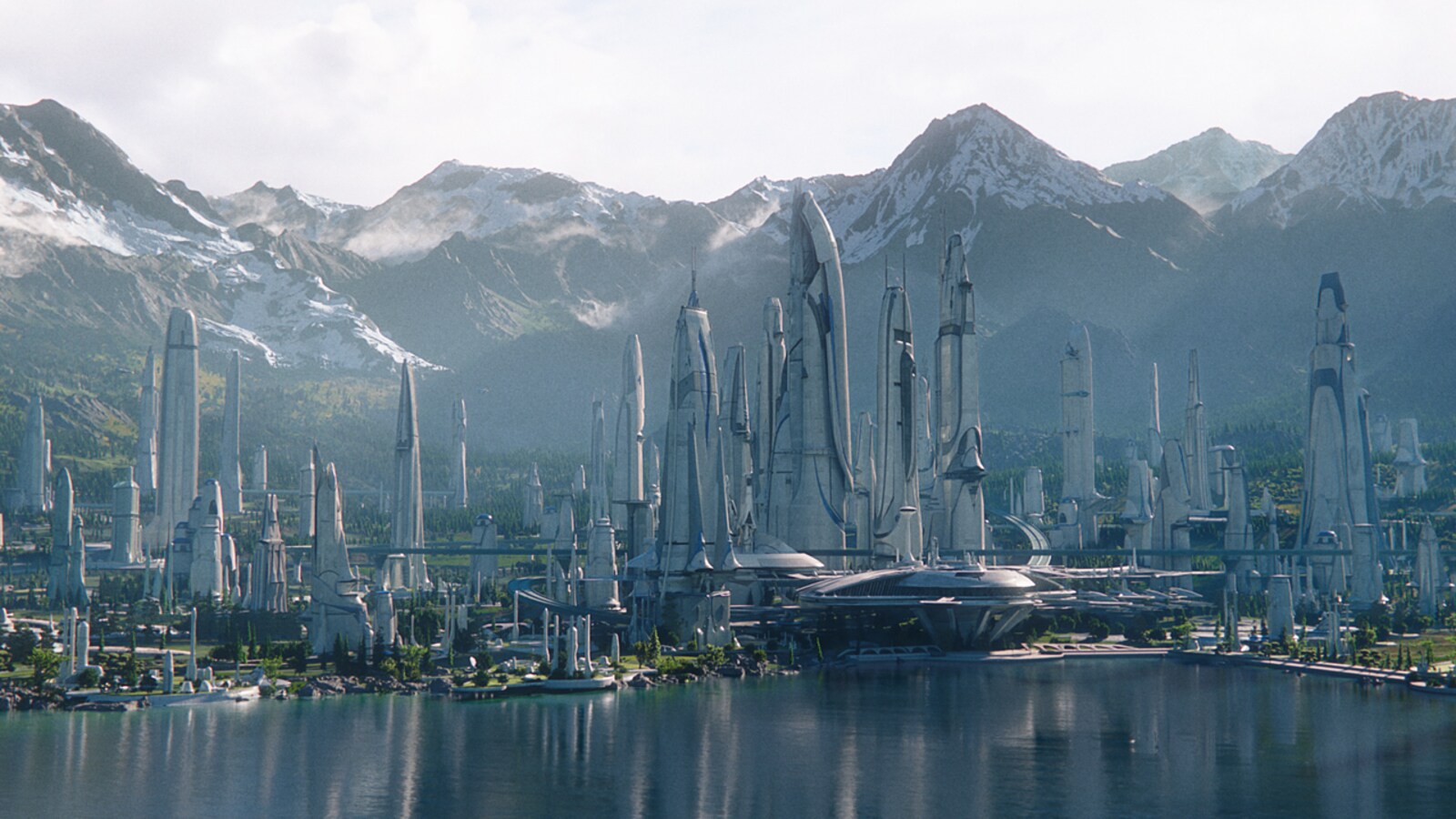
Cultures

Culture is learned, shared, argued over, and changed. It is not interchangeable with species, planet, or government. The IDS cultural archive focuses on practice, identity, kinship, ritual, memory, material life, institutions, and the internal disagreements that shape communities.

Archive method

Culture is something people do

Each file now follows fourteen cultural dimensions: orientation, identity, kinship, language, worldview and religion, hierarchy, work, food and domestic life, material culture, politics, migration, internal variation, historical change, and an IDS anthropology lens. The goal is to show culture as a lived and contested social system rather than a short list of traits.

19culture files
14cultural dimensions per file
Canonprimary continuity
IDSanthropology lens

Showing 19 cultures

Mandalorian Cultures
Mandalore, Concordia, diaspora communities, mobile enclaves

Mandalorian Cultures

Mandalorian identity is not one fixed culture. It is a field of competing traditions built around clan, house, memory, armor, political loyalty, warfare, pacifism, exile, and claims about what it means to be Mandalorian.

Culture type
Transregional clan and warrior traditions
Communities
Clans, houses, pacifists, traditionalists, Children of the Watch, exiles, foundlings
IDS focus
Contested tradition, kinship, symbols, diaspora
Open culture file →
Nightsister Traditions
Dathomir and later diaspora connections

Nightsister Traditions

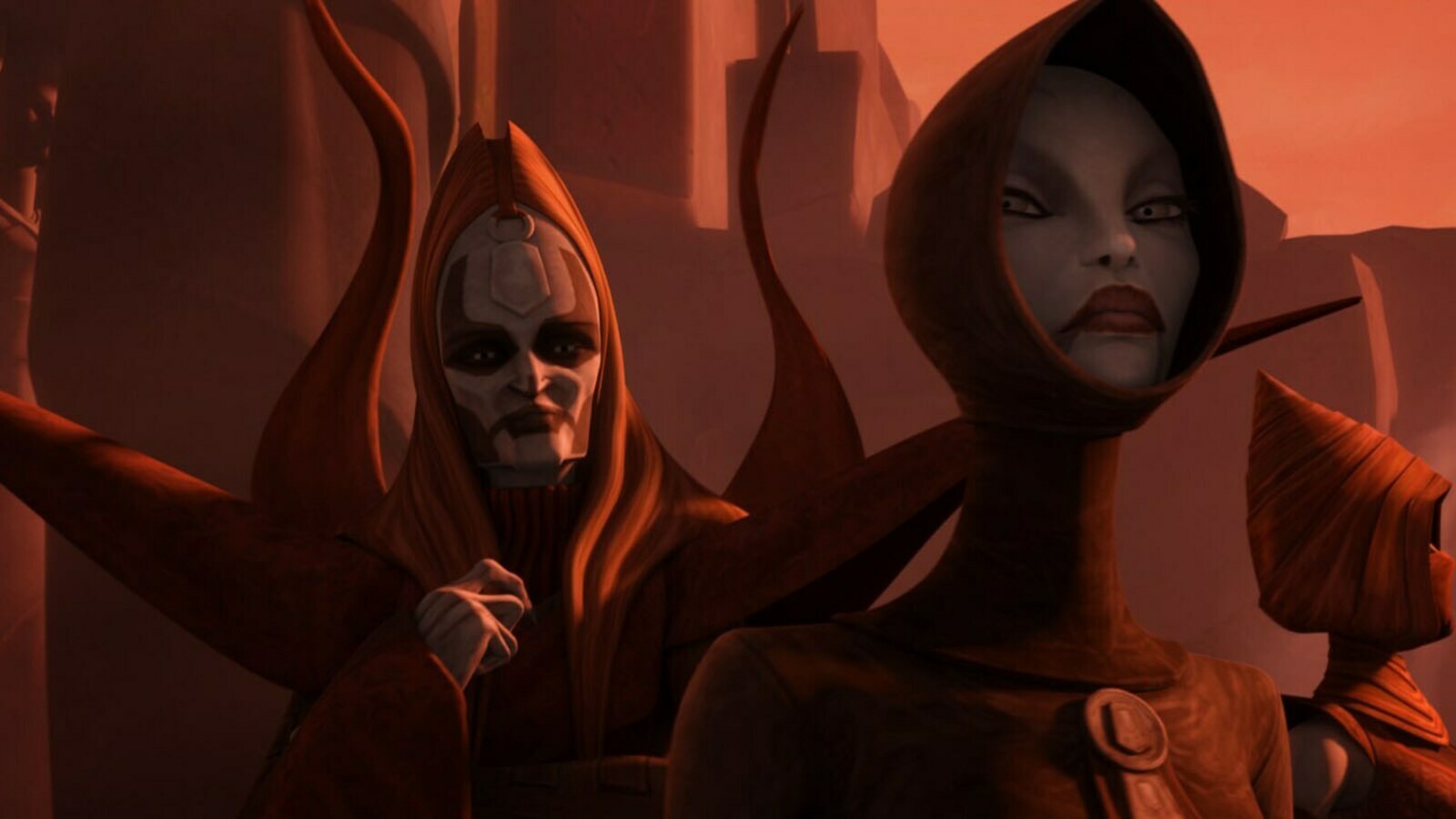
Nightsister culture joins kinship, ritual authority, place, ancestral memory, and distinctive Force practices usually described as magick into a tradition separate from both Jedi and Sith institutions.

Culture type
Dathomiri kinship and Force tradition
Communities
Nightsister covens, clan mothers, initiates, allied kin, survivors
IDS focus
Ritual authority, kinship, magick, memory
Open culture file →
Chiss Society
Chiss space in the Unknown Regions

Chiss Society

Chiss social life is shaped by family affiliation, political institutions, military service, strategic caution, and the distinctive geography of the Unknown Regions.

Culture type
Unknown Regions political and family culture
Communities
Ruling families, military households, navigators, officials, local communities
IDS focus
Family standing, restraint, secrecy, state culture
Open culture file →
Kajidic Culture
Hutt Space, Tatooine, trade corridors, criminal economies

Kajidic Culture

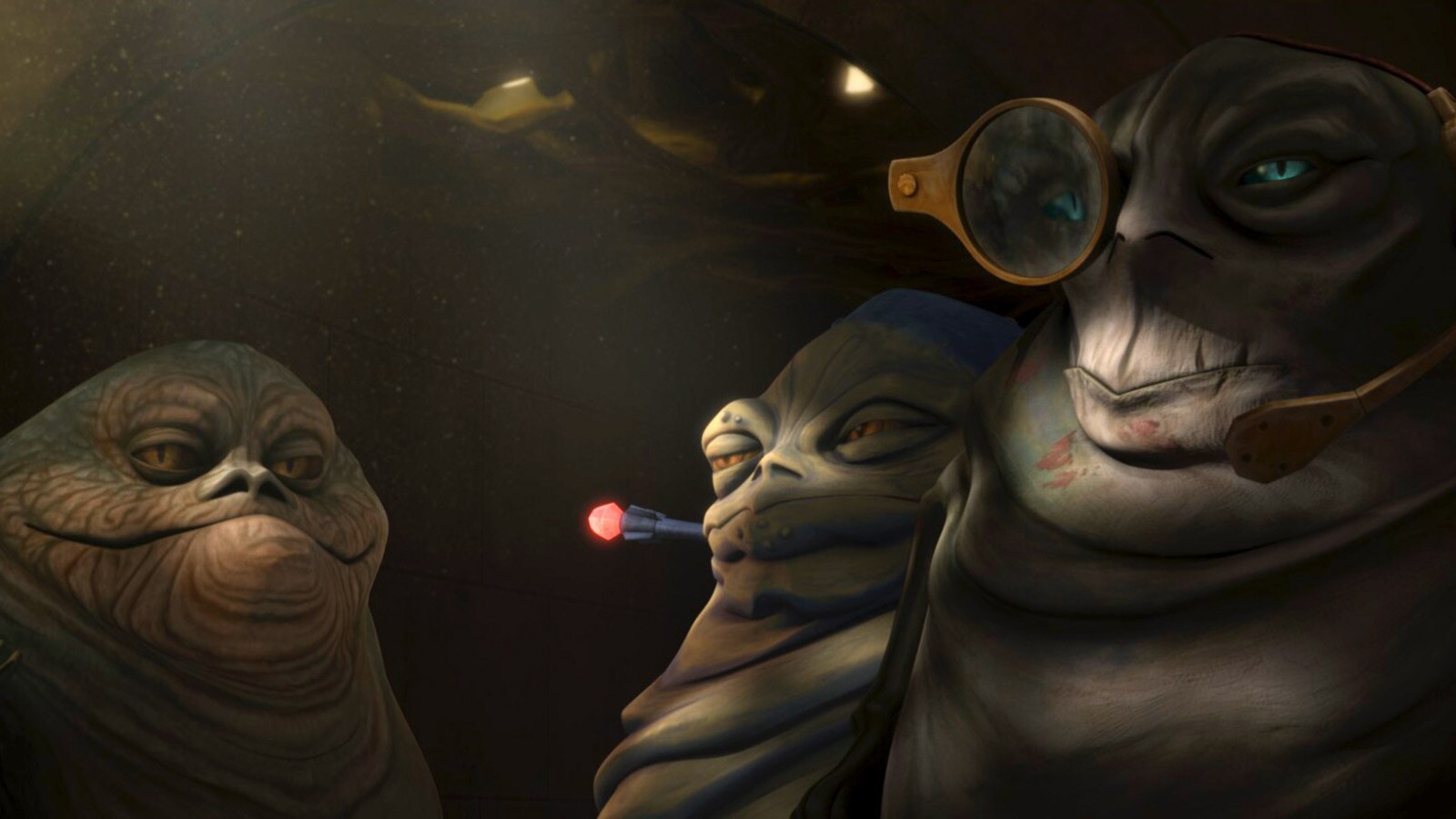
Kajidic culture among powerful Hutt families joins kinship, commerce, reputation, property, patronage, and coercive authority into a social system where family and political economy overlap.

Culture type
Hutt kinship and commercial culture
Communities
Hutt families, clients, dependents, brokers, enforcers, commercial partners
IDS focus
Kinship, wealth, patronage, reputation
Open culture file →
Jedi Institutional Culture
Jedi temples, missions, archives, diplomatic and wartime settings

Jedi Institutional Culture

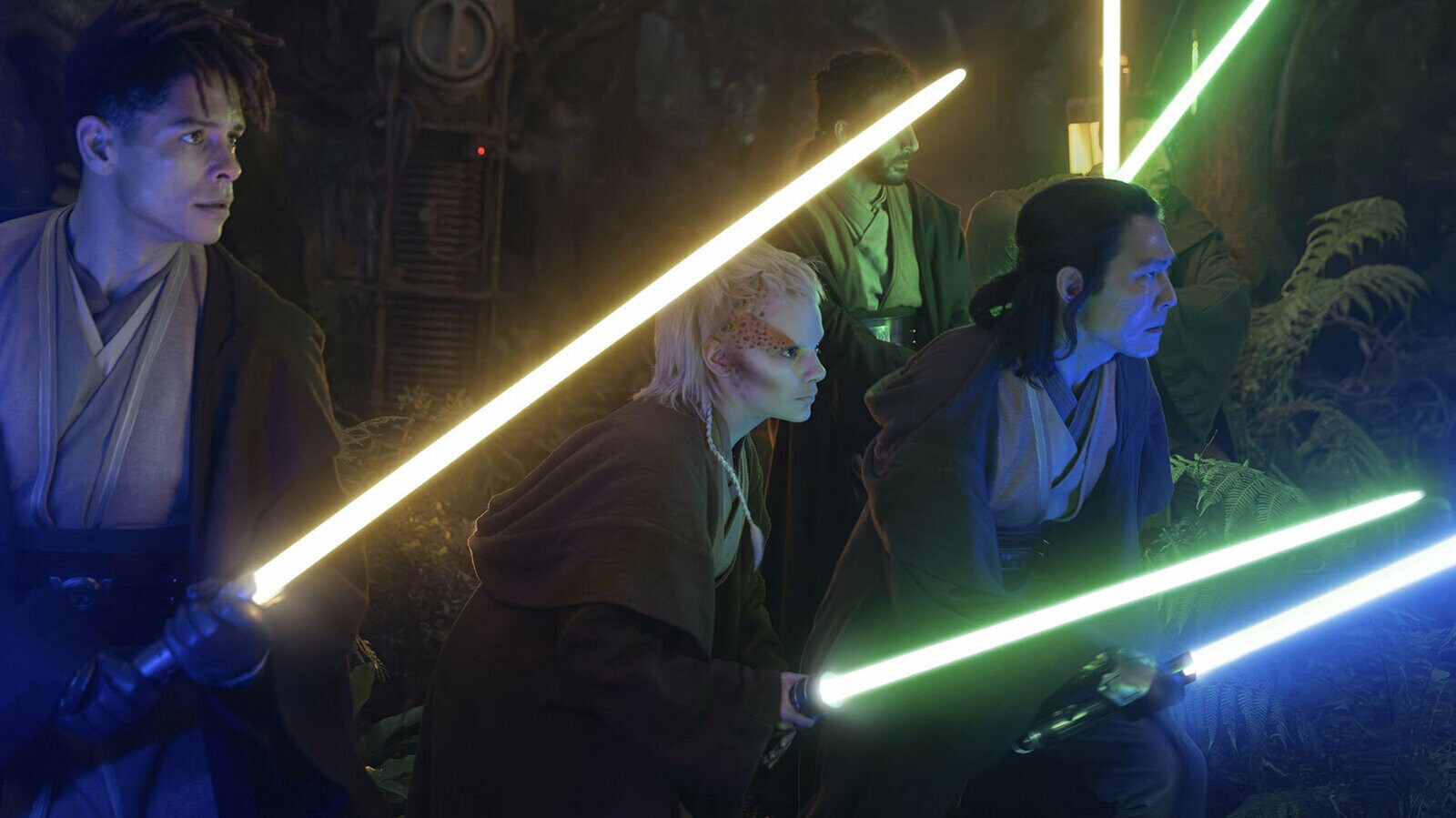
Jedi culture is created through education, mentorship, ritual, discipline, service, archives, communal residence, and institutional rules that shape how members understand emotion, attachment, authority, and the Force.

Culture type
Religious and educational institutional culture
Communities
Initiates, Padawans, Knights, Masters, archivists, temple staff
IDS focus
Training, discipline, service, hierarchy
Open culture file →
Sith Traditions
Sith worlds, hidden lineages, empires, cults, courts

Sith Traditions

Sith culture changed dramatically across eras, but recurring concerns with power, mastery, hierarchy, conflict, inheritance, secrecy, and succession link otherwise different Sith institutions.

Culture type
Dark-side political and religious traditions
Communities
Sith Lords, apprentices, acolytes, cultists, affiliated elites
IDS focus
Power, succession, mastery, memory
Open culture file →
Imperial Political Culture
Imperial military, bureaucracy, academies, occupied worlds, elite society

Imperial Political Culture

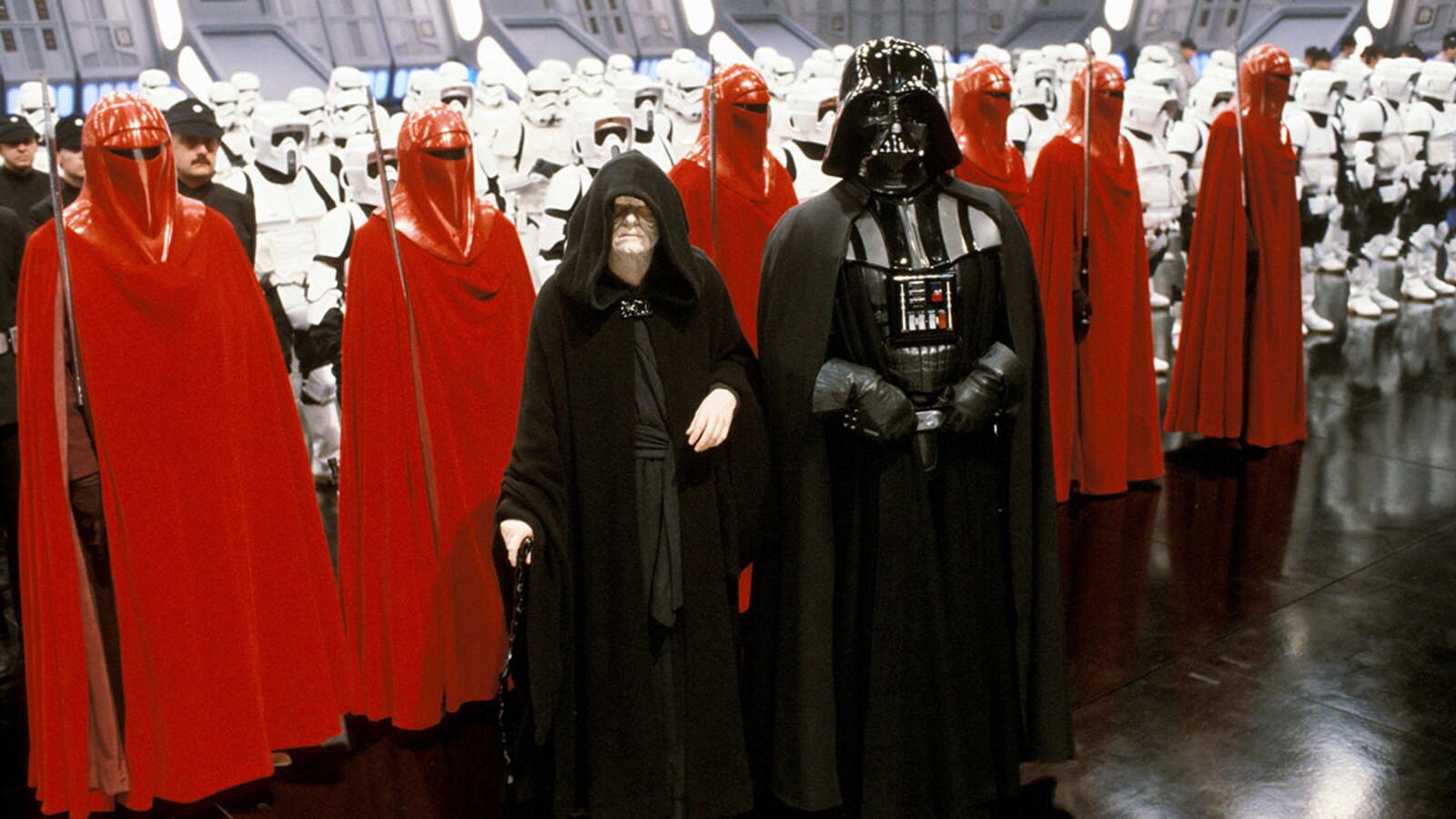
Imperial political culture made hierarchy, discipline, central authority, militarization, loyalty, and administrative order into everyday expectations across state institutions.

Culture type
Authoritarian state and institutional culture
Communities
Officers, civil servants, governors, cadets, technicians, collaborators, subjects
IDS focus
Hierarchy, order, loyalty, bureaucracy
Open culture file →
Rebel Culture
Hidden bases, local cells, fleets, occupied worlds, diaspora networks

Rebel Culture

Rebel culture developed as people from different worlds and political backgrounds learned to cooperate under surveillance, scarcity, occupation, and war.

Culture type
Revolutionary and coalition culture
Communities
Partisans, defectors, pilots, intelligence agents, senators, civilians, local resistance groups
IDS focus
Trust, sacrifice, coalition, improvisation
Open culture file →
Ferrix Community Life
Ferrix

Ferrix Community Life

Ferrix is defined by dense neighborhood ties, industrial labor, local obligation, shared memory, and public ritual. Its culture becomes politically important when occupation turns everyday solidarity into resistance.

Culture type
Industrial neighborhood culture
Communities
Salvage workers, tradespeople, families, neighbors, civic groups
IDS focus
Labor, neighborhood obligation, funerary memory, resistance
Open culture file →
Lothal Under Occupation
Lothal

Lothal Under Occupation

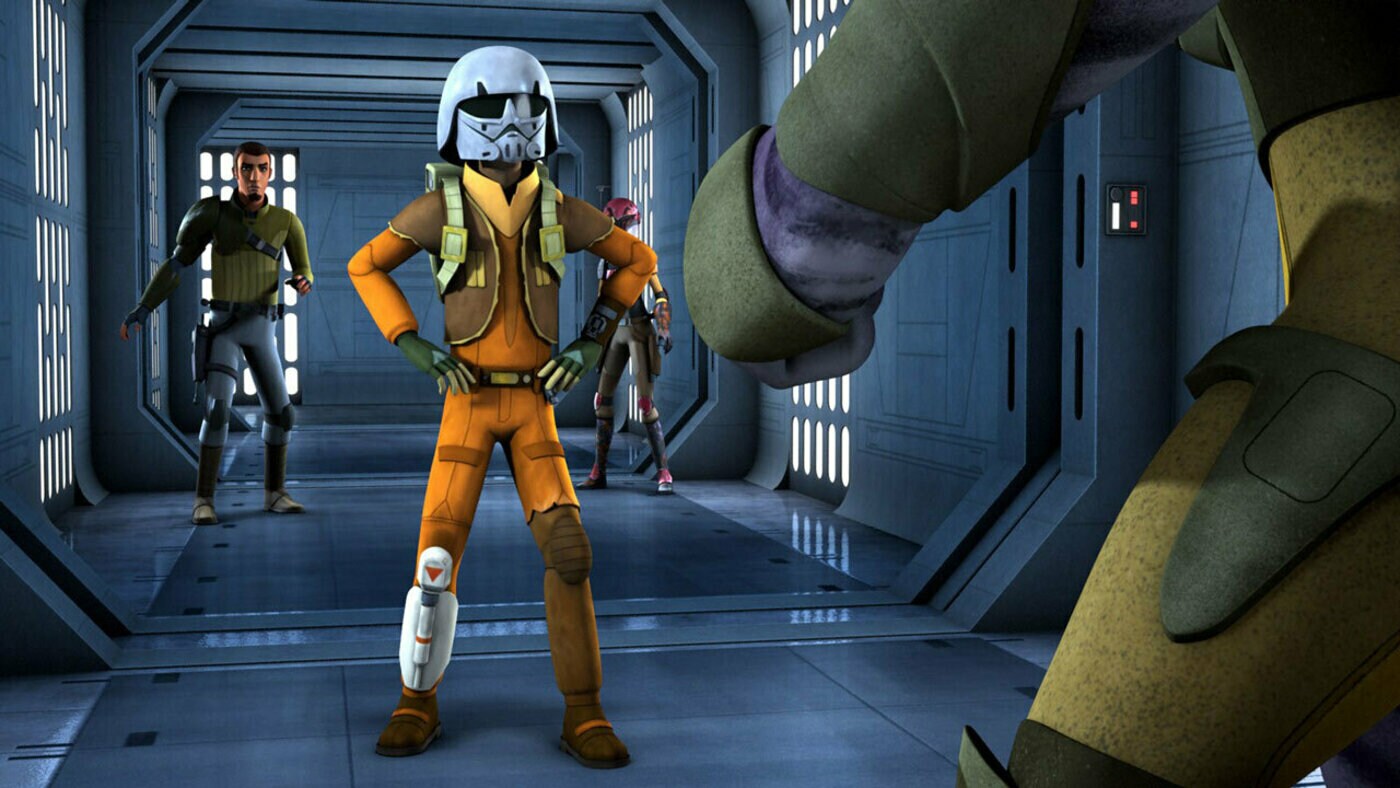
Imperial development on Lothal reshaped land use, work, education, policing, industry, and public life, making occupation part of everyday social experience rather than only a military presence.

Culture type
Occupied agrarian and urban society
Communities
Farmers, workers, students, merchants, local elites, rebels, Imperial settlers and officials
IDS focus
Occupation, land, labor, schooling, resistance
Open culture file →
Naboo and Gungan Societies
Naboo

Naboo and Gungan Societies

Naboo is home to two major societies with distinct settlements, political institutions, historical experiences, and cultural traditions. Their relationship demonstrates that sharing a planet does not mean sharing one culture.

Culture type
Shared-world plural societies
Communities
Human Naboo, Gungans, royal institutions, local cities, military and civic groups
IDS focus
Plural society, sovereignty, diplomacy, shared world
Open culture file →
At Attin's Sheltered Society
At Attin

At Attin's Sheltered Society

At Attin's society is organized through schooling, career assignment, civic routine, automation, restricted mobility, and tightly controlled knowledge of the wider galaxy.

Culture type
Managed civic and educational culture
Communities
Families, students, workers, administrators, droids, civic institutions
IDS focus
Information control, education, routine, paternalism
Open culture file →
Twi'lek Culture
Ryloth and Twi'lek diaspora communities across the galaxy

Twi'lek Culture

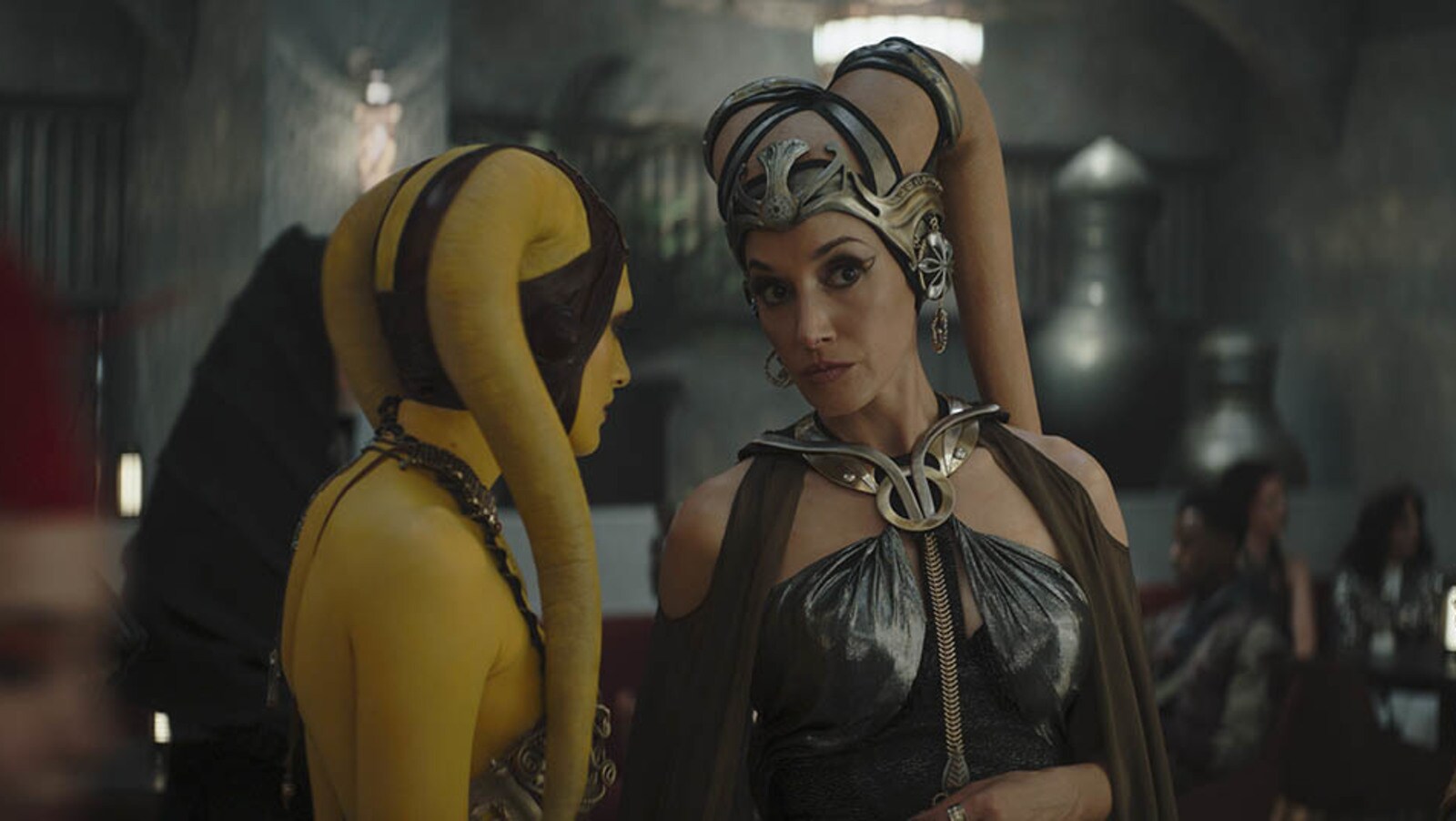
Twi'lek culture cannot be reduced to appearance or a single homeworld tradition. Family memory, Twi'leki language, lekku communication, migration, occupation, enslavement, political resistance, and diaspora all shape multiple ways of being Twi'lek.

Culture type
Rylothian and diasporic family cultures
Communities
Families, Rylothian towns, migrants, resistance networks, workers, political elites, entertainers, pilots, and other diaspora communities
IDS focus
Family memory, diaspora, language, representation, resistance
Open culture file →
Tusken Culture
Tatooine deserts and dune seas

Tusken Culture

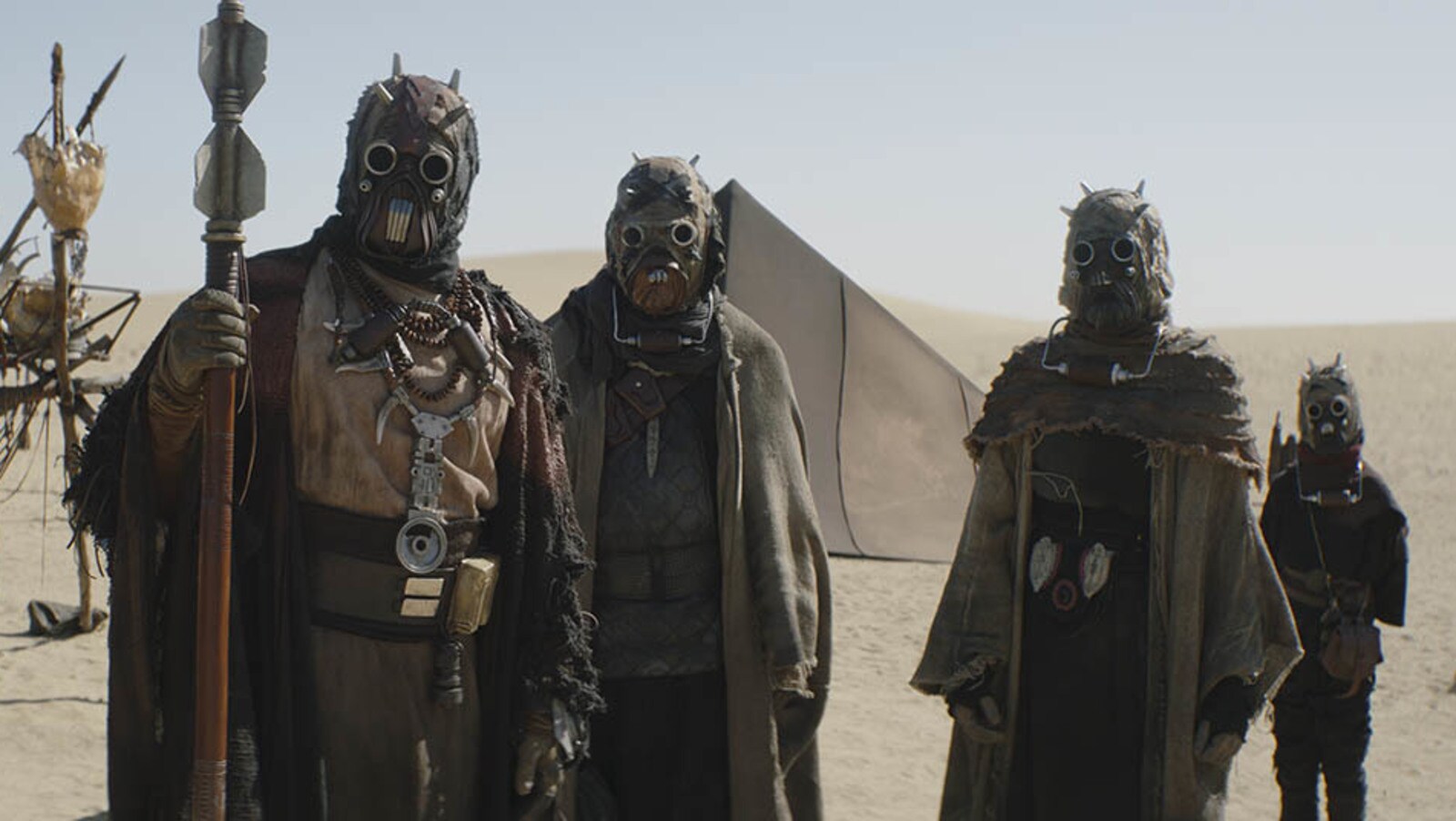
Tusken culture is one of the clearest cases where Star Wars moves from an outsider stereotype toward a more complex picture of family, language, territory, ritual, hospitality, violence, memory, and adaptation to a harsh environment.

Culture type
Indigenous desert societies
Communities
Tusken clans, family groups, warriors, children, elders, ritual specialists
IDS focus
Land, kinship, oral memory, outsider relations
Open culture file →
Wookiee Culture
Kashyyyk and Wookiee communities across the galaxy

Wookiee Culture

Wookiee culture is shaped by Kashyyyk's forest ecology, strong family and community ties, technical skill, political resistance, repeated enslavement, and a broad diaspora created by war and Imperial exploitation.

Culture type
Kashyyyk-centered and diasporic cultures
Communities
Families, villages, warriors, mechanics, pilots, enslaved and liberated diaspora communities
IDS focus
Kinship, forest ecology, enslavement, diaspora, resistance
Open culture file →
Mon Cala & Quarren Societies
Mon Cala's oceans and offworld diaspora

Mon Cala & Quarren Societies

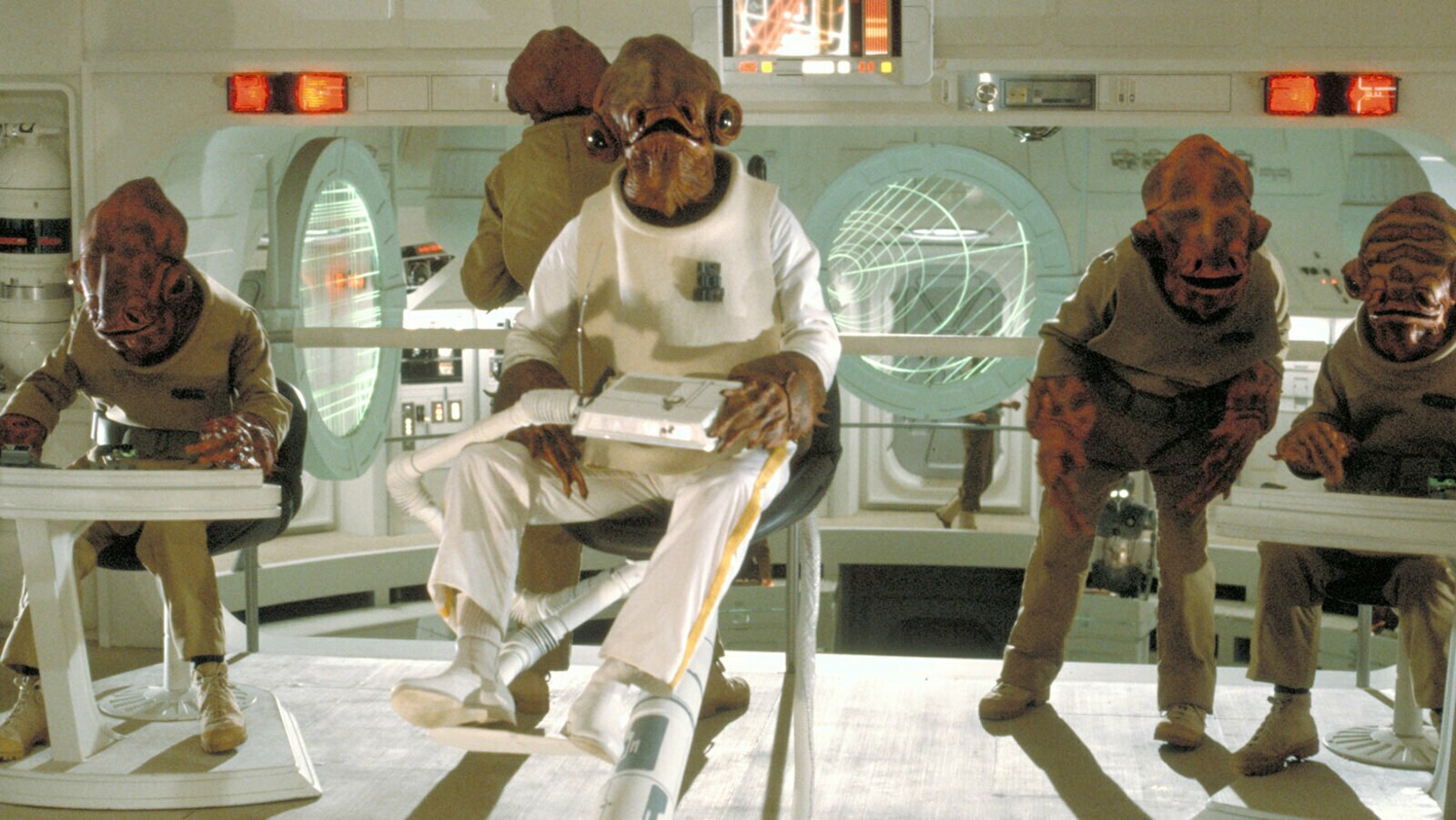
Mon Calamari and Quarren societies share one aquatic world while maintaining distinct identities, creating a long history of cooperation, political rivalry, civil conflict, and negotiated coexistence.

Culture type
Shared-world aquatic societies
Communities
Mon Calamari cities, Quarren communities, royal institutions, shipyards, political factions
IDS focus
Plural society, difference, cooperation, civil conflict
Open culture file →
Kaminoan Society
Kamino, especially Tipoca City and cloning institutions

Kaminoan Society

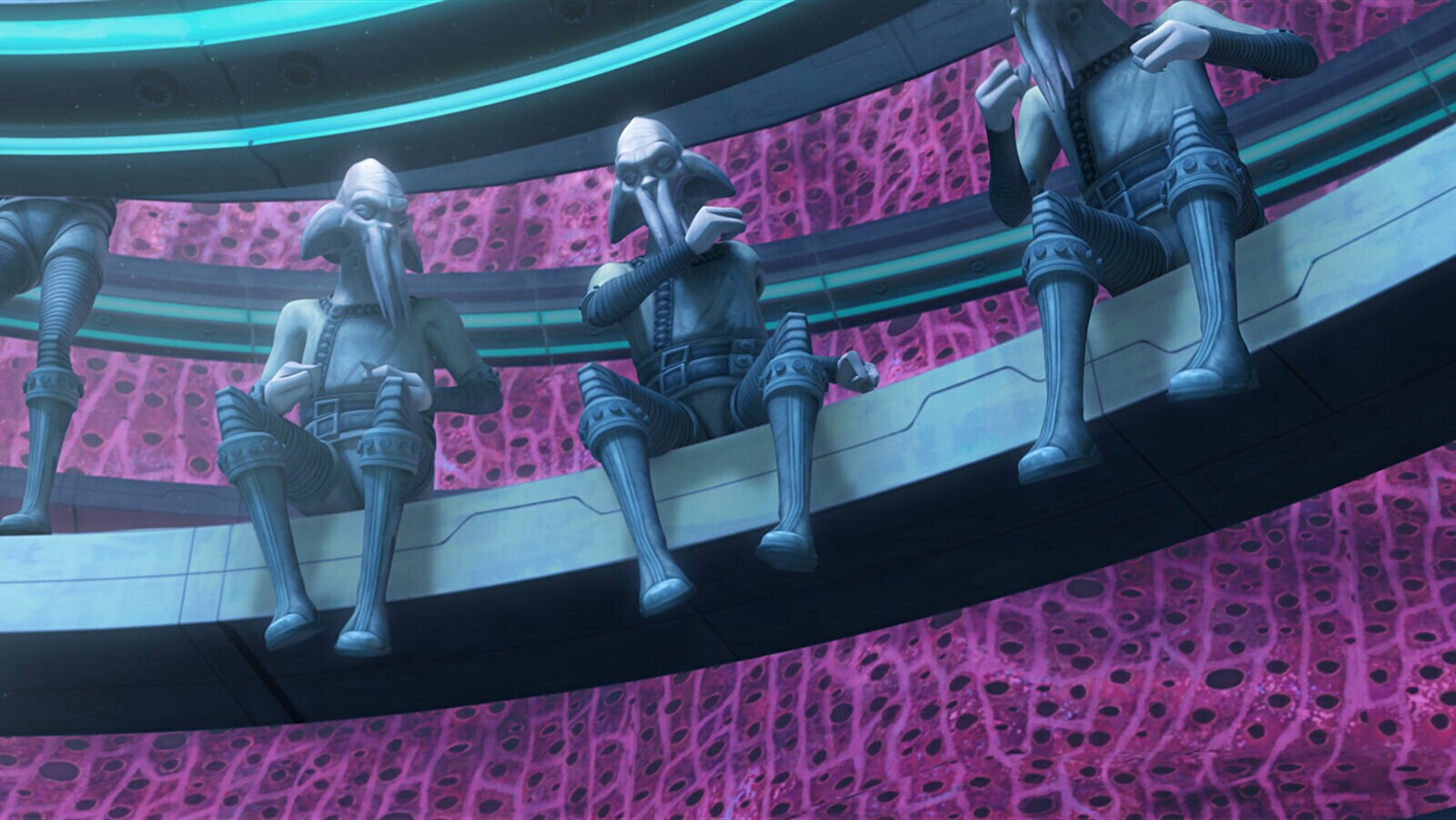
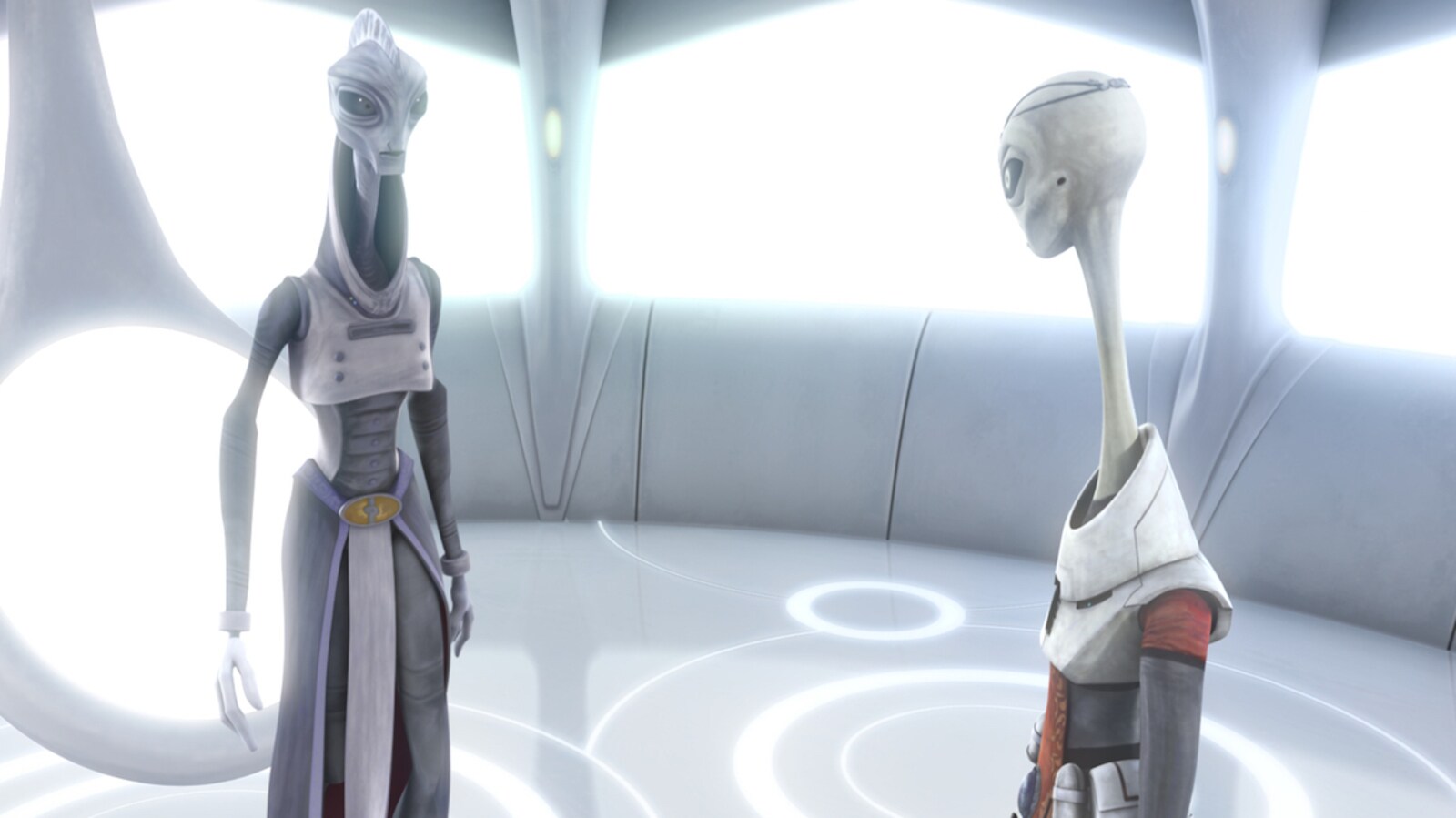
Kaminoan society is most visible through cloning science, elite administration, technical expertise, and a political economy built around large contracts, making it a distinctive case of knowledge-based institutional power.

Culture type
Scientific and administrative society
Communities
Scientists, administrators, technicians, medical specialists, cloning personnel
IDS focus
Expertise, biotechnology, contract politics, institutional vulnerability
Open culture file →
Alderaanian Culture
Alderaan and post-destruction diaspora

Alderaanian Culture

Alderaanian culture is shaped by a wealthy Core World tradition of diplomacy, civic life, family identity, art, and political service, then radically transformed by planetary destruction and survivor diaspora.

Culture type
Core World civic and diasporic culture
Communities
Royal households, towns, artists, diplomats, workers, refugees, Rebel networks
IDS focus
Memory, civic identity, diaspora, destruction
Open culture file →
The Gathii
Gathleon, a purple quartz planet with valuable mines

The Gathii

The people of Gathleon are collectively known as the Gathii, despite belonging to varied biological species. Shade, a human from Gathleon, grew up under the Bool business regime and took part in protests against its work towns.

Culture type
Multispecies planetary identity
Communities
People of varied species sharing the Gathii planetary identity; documented dissidents and workers
IDS focus
Multispecies belonging, industrial labor, collective protest and mobility
Open culture file →