
Lightsabers
A lightsaber is both a weapon and a visible claim about training, lineage, discipline, and identity. Its construction ties personal skill to institutional tradition, while its blade can instantly communicate affiliation or threat.
Objects · Technology · Material culture
Star Wars technology is never only hardware. Weapons mark affiliation. Armor carries lineage. Medical systems reveal who receives care. Hyperdrives make empires possible. Holocrons decide which knowledge survives. This archive reads objects as part of the social systems that give them meaning.
Material-culture lens
Scarcity, cost, law, class, and institutional membership determine who can obtain powerful technologies.
Droids, mechanics, armorers, healers, pilots, and technicians make spectacular technology depend on ordinary labor.
A lightsaber, Darksaber, uniform, or restraining bolt matters because communities recognize rules around it.
Industrial equipment can become prisons, sacred resources can become weapons, and civilian systems can become instruments of war.
Power · Memory · Sacred materials
Some objects carry authority because communities treat them as more than tools. They preserve knowledge, symbolize leadership, or bind technology to religious practice.
A lightsaber is both a weapon and a visible claim about training, lineage, discipline, and identity. Its construction ties personal skill to institutional tradition, while its blade can instantly communicate affiliation or threat.

The Darksaber turns possession of an object into a political argument. Its importance comes not simply from combat value but from collective memory, stories of Mandalore, and public recognition of leadership.

Holocrons preserve institutional memory across generations. Because access can be restricted, they also show that archives do not merely store knowledge—they regulate who is allowed to inherit it.

Kyber links personal Jedi practice to planetary resources and imperial extraction. The same material can sit at the heart of an individual lightsaber or be industrially harvested to power weapons on a vastly larger scale.
Protection · Standardization · Coercive force
Military technology turns materials into systems of protection and violence. The most revealing examples show who controls production, who receives standardized equipment, and what happens when technology targets identity itself.

Beskar is valuable because its physical durability and cultural ownership are inseparable. Imperial-stamped ingots after the Great Purge turn metal into evidence of conquest, dispossession, and attempted recovery.

Mandalorian armor protects the body while also making history visible. Individual pieces can record clan affiliation, family inheritance, professional identity, religious commitment, and the survival of a dispersed people.

Blasters are ordinary enough to reveal the industrial side of galactic conflict. Standard-issue rifles such as the E-11 connect factories, procurement, training, policing, occupation, and military identity.
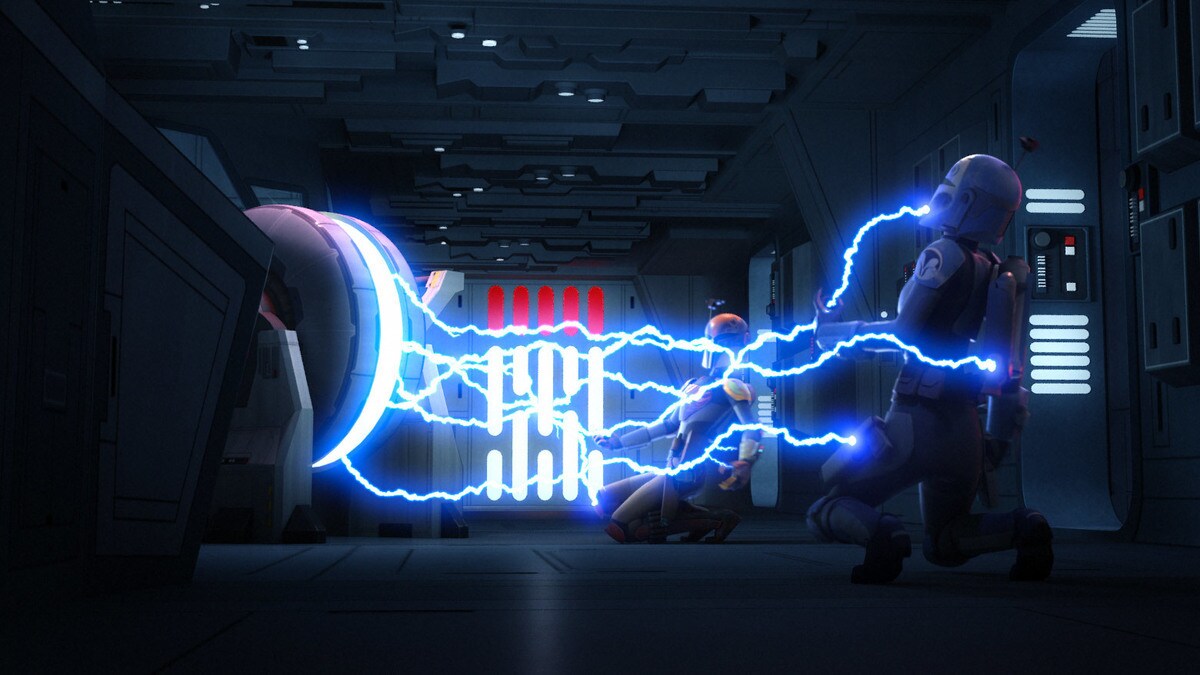
Sabine Wren’s prototype is a particularly stark example of technology becoming political violence: a weapon designed to exploit the properties of Mandalorian armor and turn a community’s protective material against the people wearing it.
Mobility · Communication · Galactic scale
The galaxy only functions because less glamorous systems connect worlds. Travel, messaging, navigation, fuel, repair, and information transfer make trade, migration, rebellion, and centralized government possible.

Hyperdrives turn distant star systems into a connected political and economic field. Their operation depends on navigation, maintenance, safe routes, and accumulated knowledge about hazards—not simply faster engines.
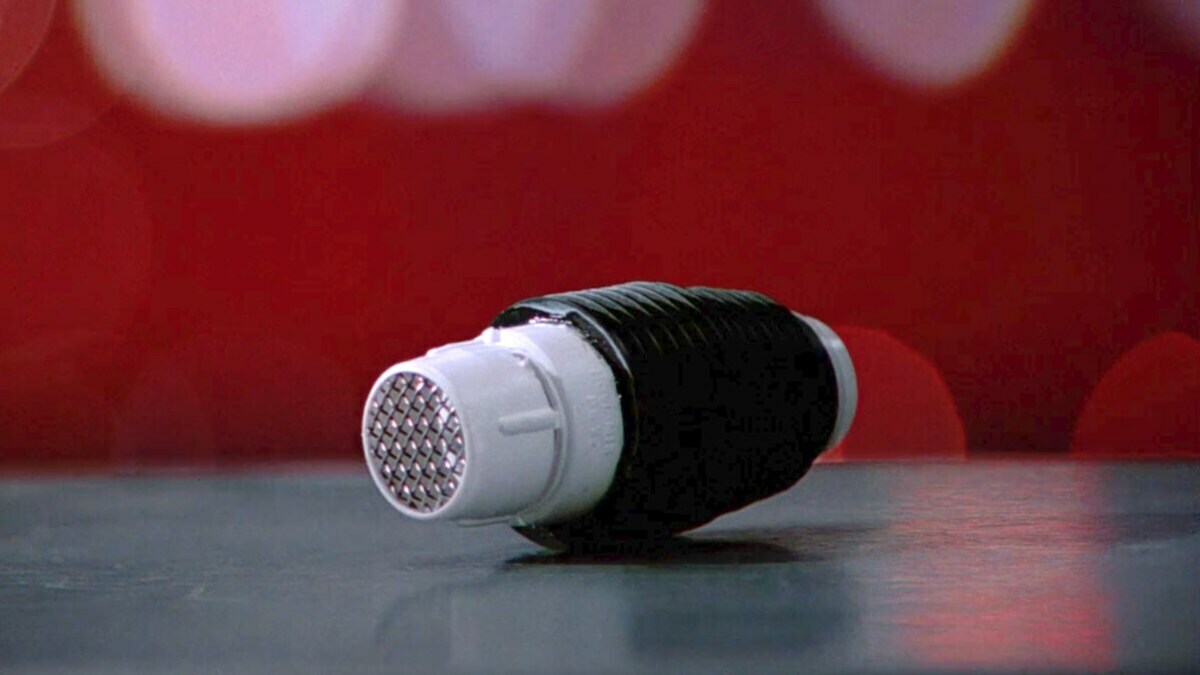
Comlinks are mundane by Star Wars standards, which is exactly why they matter. Coordination in war, work, policing, family life, and covert action depends on reliable communication and on controlling who can listen.
Care · Industry · Captivity
Technology acts directly on bodies: healing them, preserving them, immobilizing them, or limiting autonomy. These systems make the politics of care and coercion especially visible.

Bacta makes advanced healing look routine, but treatment still requires equipment, trained care, supplies, and secure facilities. Access to recovery technology can determine who returns to battle, work, or public life.
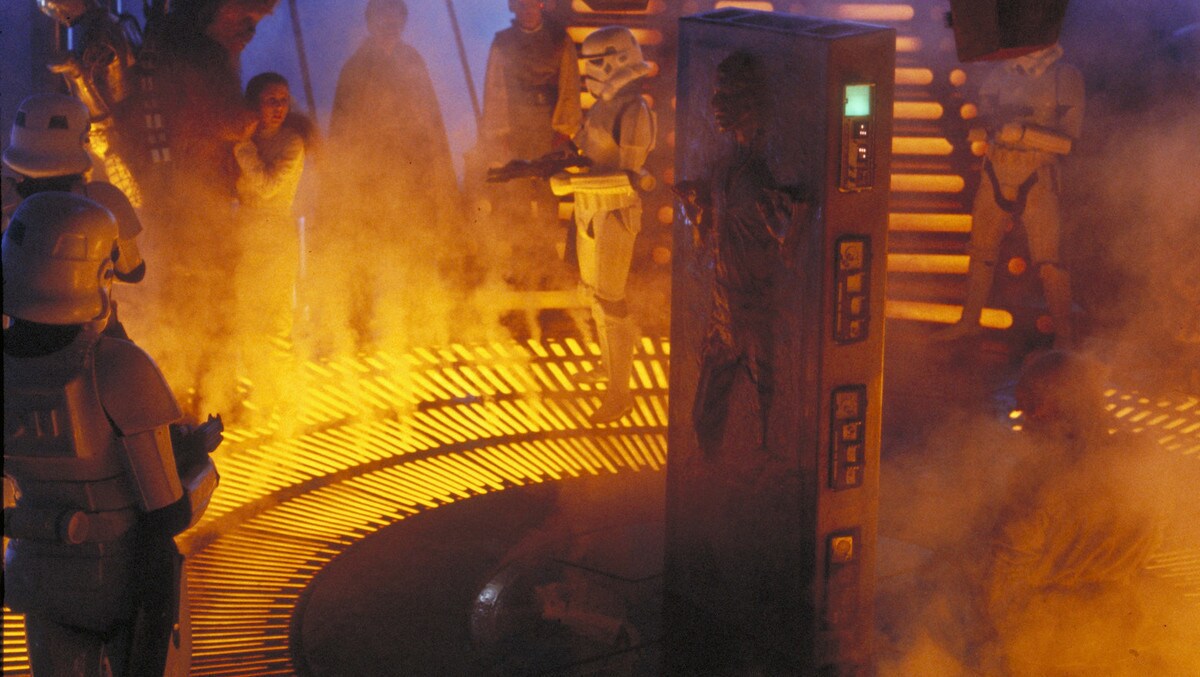
Carbon-freezing begins as an industrial process for encasing highly pressurized gases. Its later use on living beings shows how infrastructure can be repurposed for imprisonment, transport, concealment, and coercive experimentation.
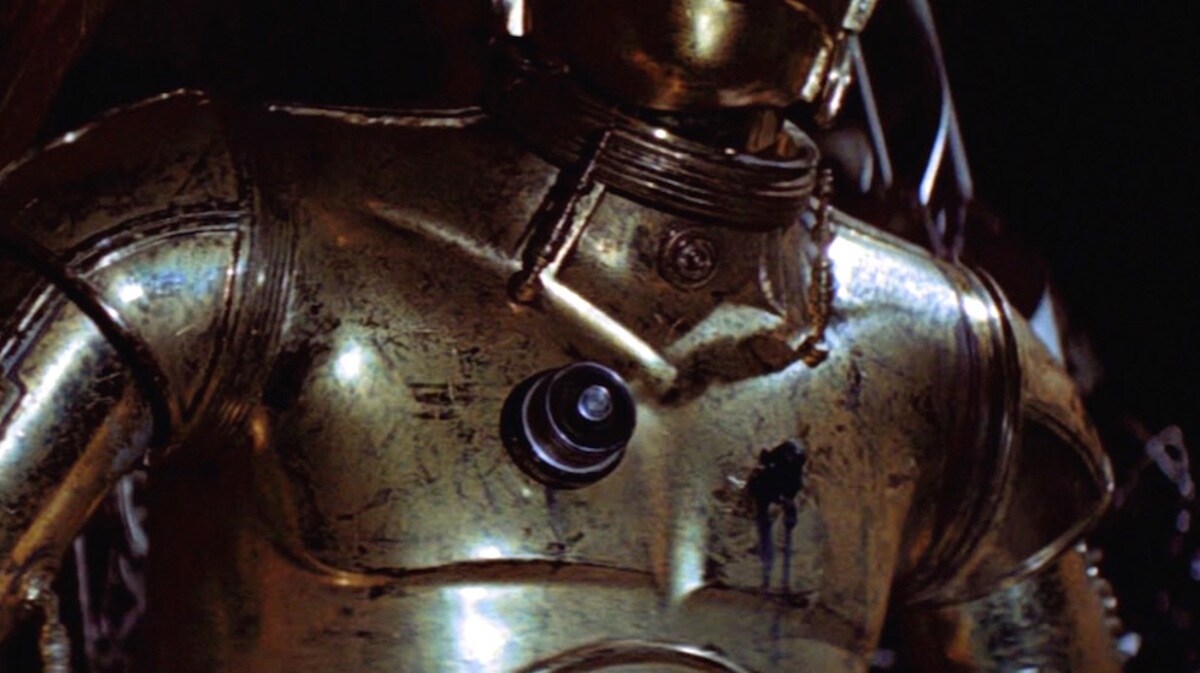
A restraining bolt is small, but its social meaning is enormous: it lets an owner limit a droid’s movement and choices through hardware. The device turns questions of droid autonomy into something physically attached to the body.