What changed after release?
Look for paint wear, yellowing, creases, sun fading, cracked bubbles, broken tabs, loose joints, scratches, missing electronics, and storage damage.
Collecting · Objects · Display · Fandom
Cards, comics, and LEGO have their own IDS archives. This page covers the rest of the shelf: figures, statues, replicas, helmets, autographs, books, magazines, event pieces, and the small objects that become attached to characters, memories, conventions, and collecting goals.
Before price
Collectibles are easiest to understand when the object is separated from the hype around it. These four checks work across almost every collecting category.
Look for paint wear, yellowing, creases, sun fading, cracked bubbles, broken tabs, loose joints, scratches, missing electronics, and storage damage.
Accessories, stands, alternate hands, certificates, inserts, boxes, shippers, blades, batteries, and paperwork can matter as much as the central object.
Autographs, prototypes, event pieces, production-used material, and limited releases become stronger when their origin can be documented rather than assumed.
Convention exclusives, retailer variants, numbered editions, chase versions, first printings, packaging changes, and reissues can look similar while belonging to different releases.
Figures · Vinyl · Playsets
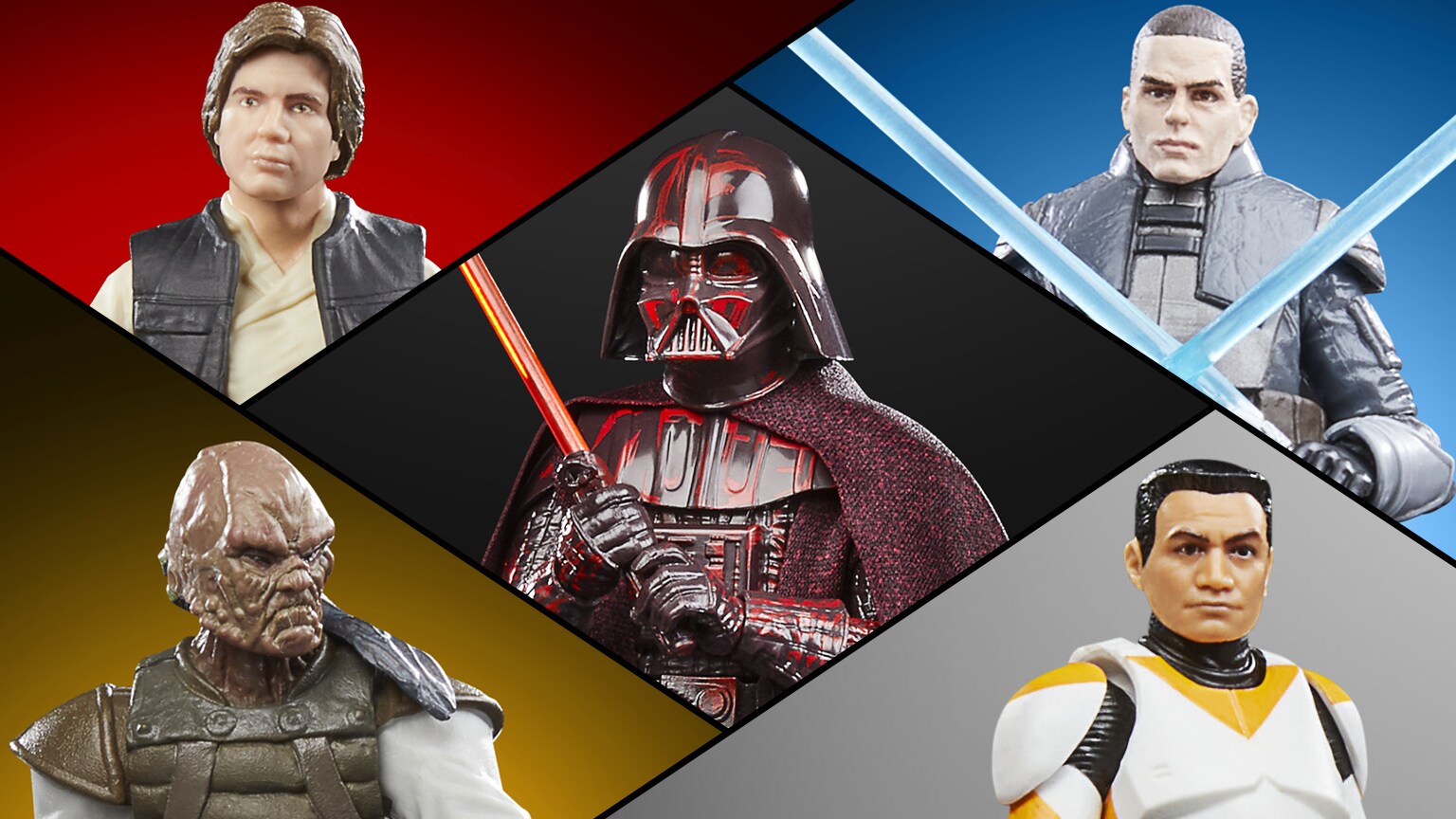
The broadest part of Star Wars collecting ranges from vintage-style 3.75-inch figures to modern six-inch display lines, stylized vinyl, vehicles, creatures, and playsets.
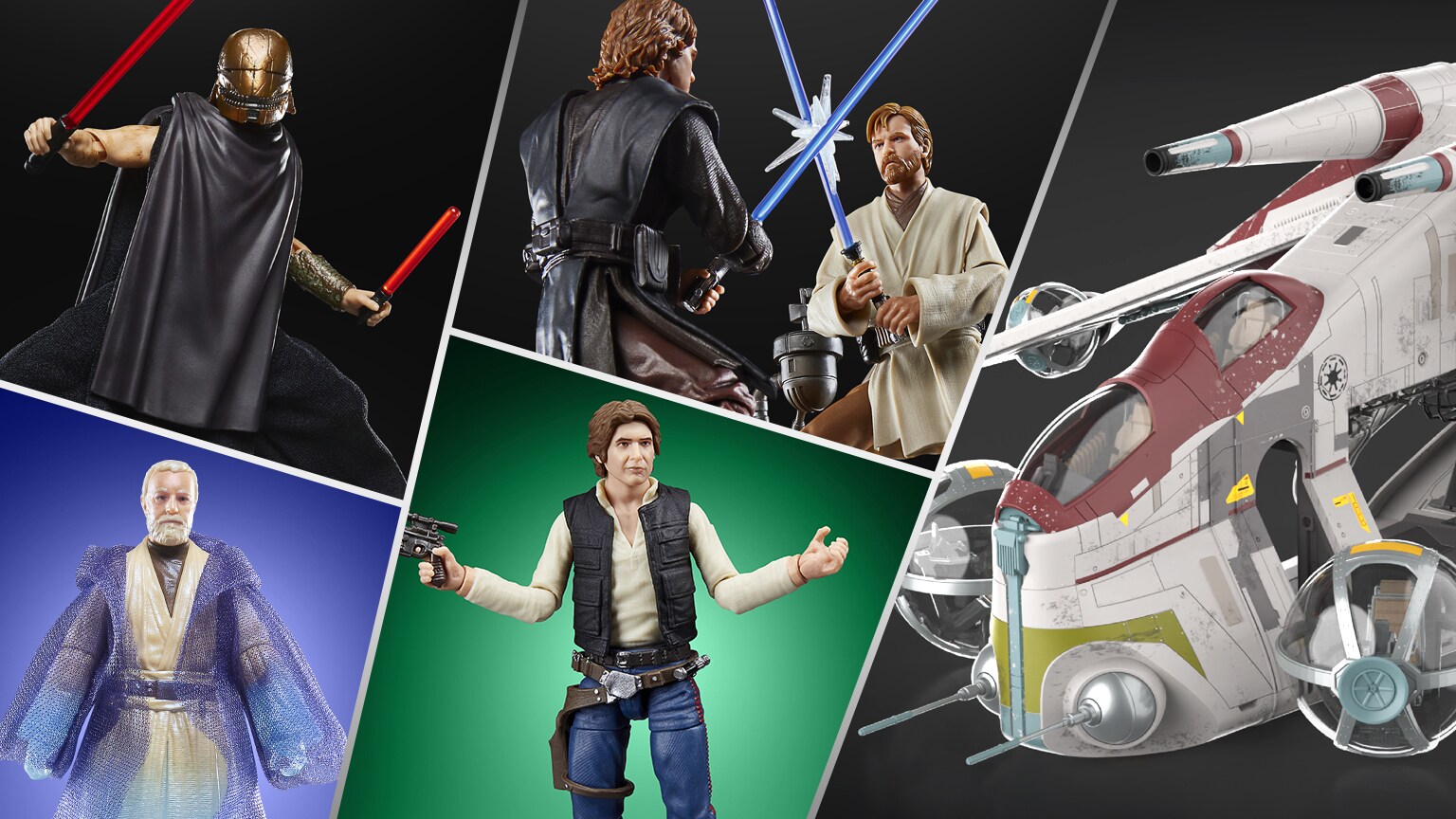
Figures can be collected by scale, character, packaging style, movie or series, faction, release line, or complete wave. Vehicles and playsets add another layer because size, inserts, accessories, and assembly pieces become part of completeness.

Vinyl collecting rewards version awareness. The same character may appear in different poses, outfits, box numbers, stickers, retailers, convention releases, multipacks, metallic treatments, glow variants, or chase versions.
Sculpture · Replicas · Wearables
These objects often occupy more physical space and have more components, making original packaging, fragile parts, electronics, stands, and certificates especially important.
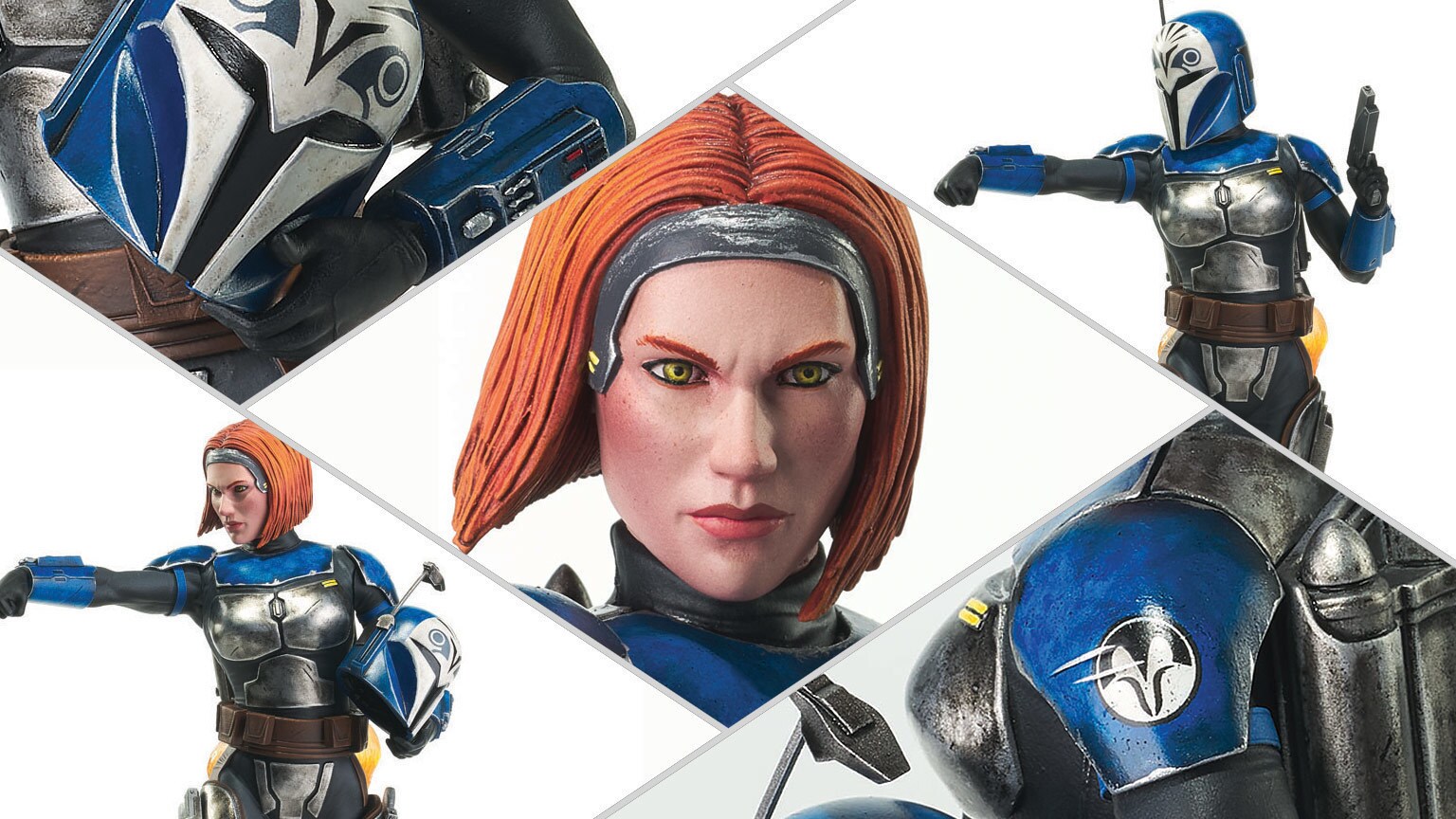
Premium sculpture translates costumes, faces, animation designs, concept art, and screen moments into display pieces. Limited runs can add numbered bases, interchangeable parts, alternate portraits, or certificates.
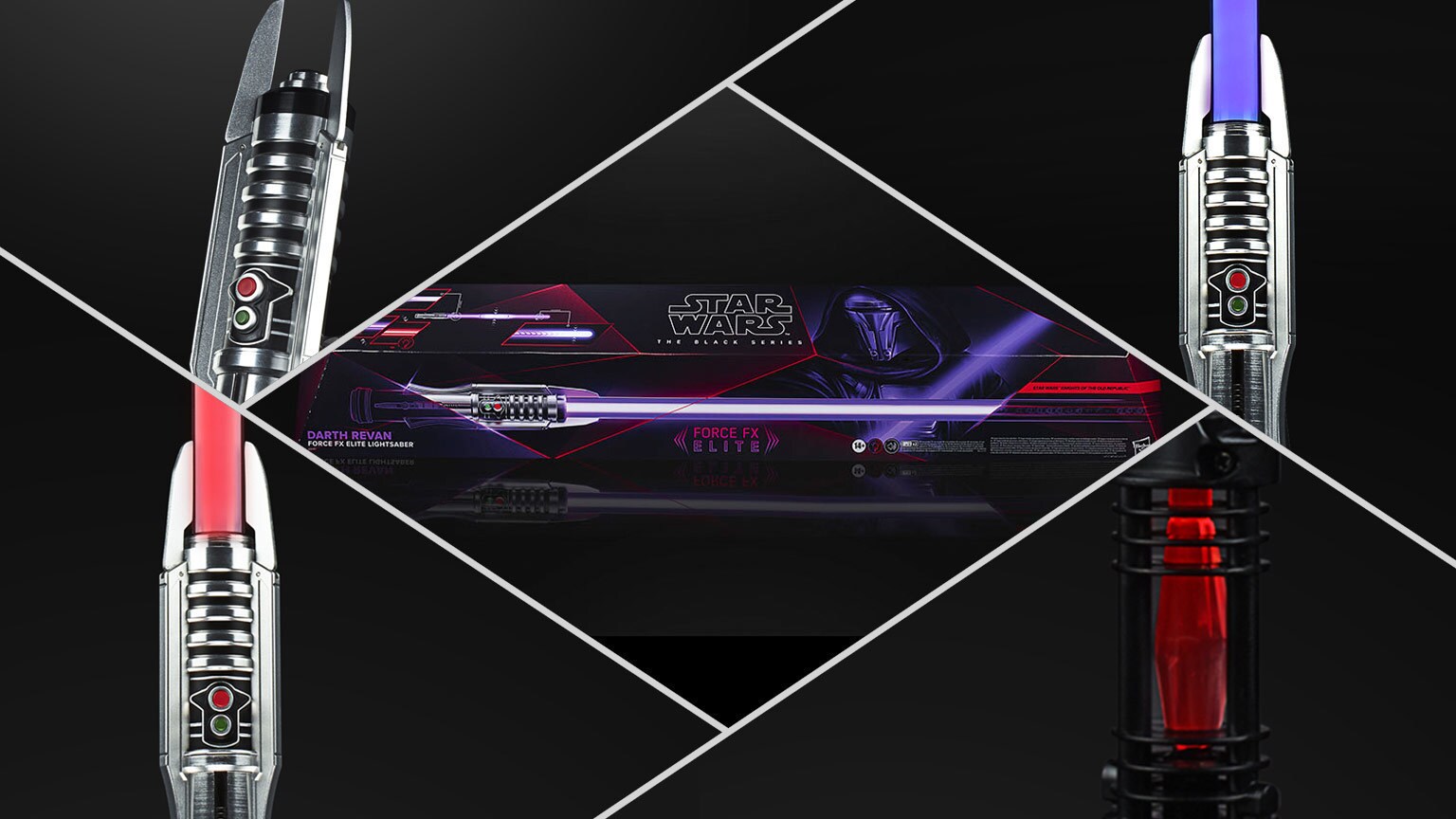
Replica collecting can range from display hilts to electronic sabers, blasters, badges, trackers, communicators, and other screen-inspired objects. Accuracy, materials, electronics, and display intent vary widely between lines.
Imperial, clone, Mandalorian, pilot, bounty-hunter, and character helmets sit between display object and wearable replica. A shelf piece can also carry voice effects, lighting, rangefinders, interior padding, or removable components.
Signatures · Books · Magazines
Paper collectibles are easy to underestimate because they store history differently: signatures, printings, covers, inserts, interviews, event provenance, and publication context often matter more than size.

Signed cards, photographs, posters, books, comics, sketches, and props combine the collectible object with a specific encounter or authentication trail. The autograph is only one part of the item’s identity.
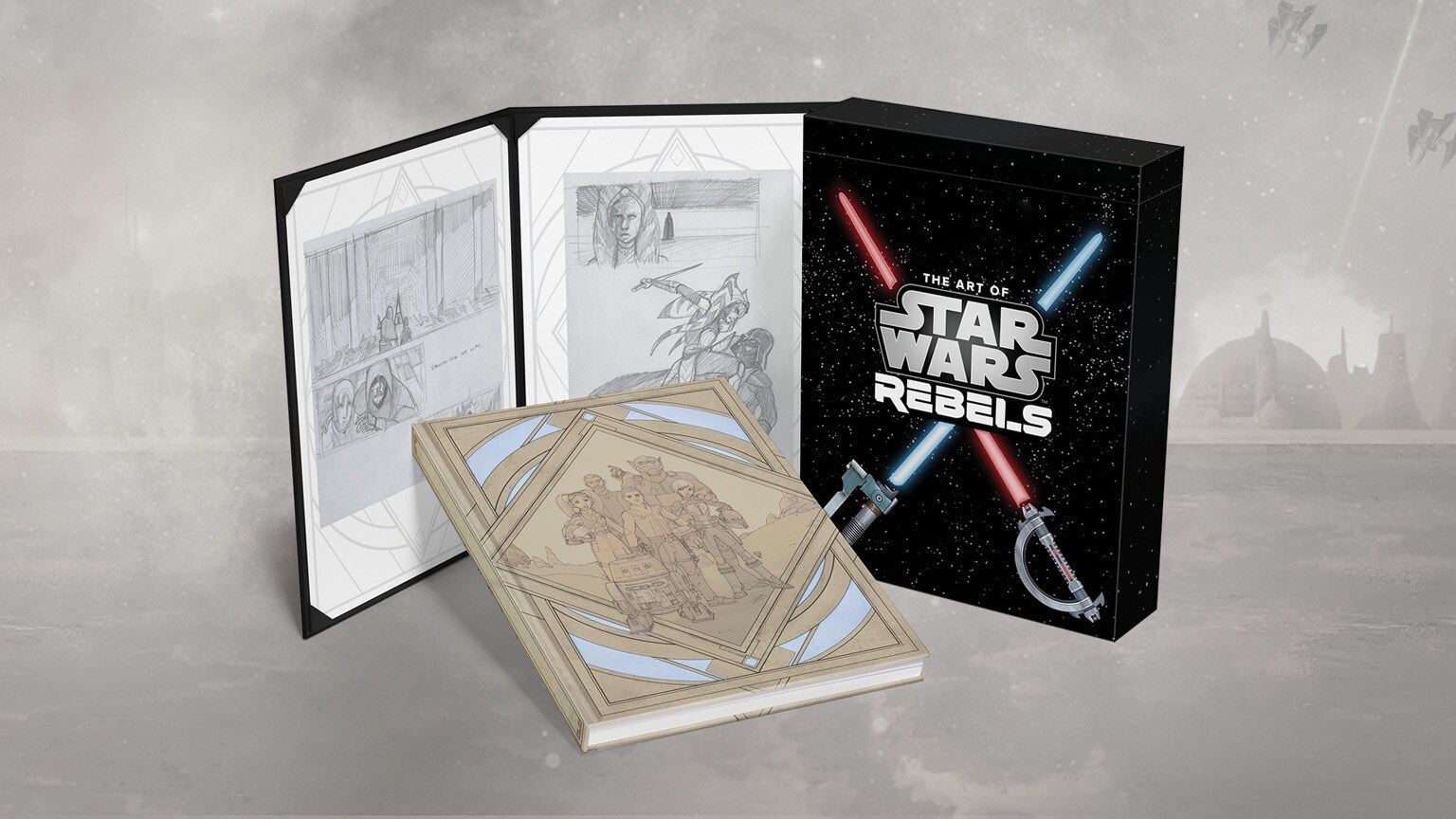
Novelizations, reference works, art books, making-of volumes, slipcases, signed editions, convention editions, and limited printings can be collected as physical objects as well as reading material.

Star Wars Insider, fan-club publications, newsstand magazines, collector specials, and vintage periodicals preserve how Star Wars was marketed, discussed, and documented at a particular moment.
Conventions · Promotions · Small-format objects
These pieces often survive because somebody chose not to throw them away. That makes context and provenance especially important: where an item was distributed can be as meaningful as what is printed on it.

Convention exclusives, theater materials, fast-food promotions, retail displays, launch items, mail-aways, press pieces, event badges, and one-time giveaways are tied to specific moments in fandom and marketing history.
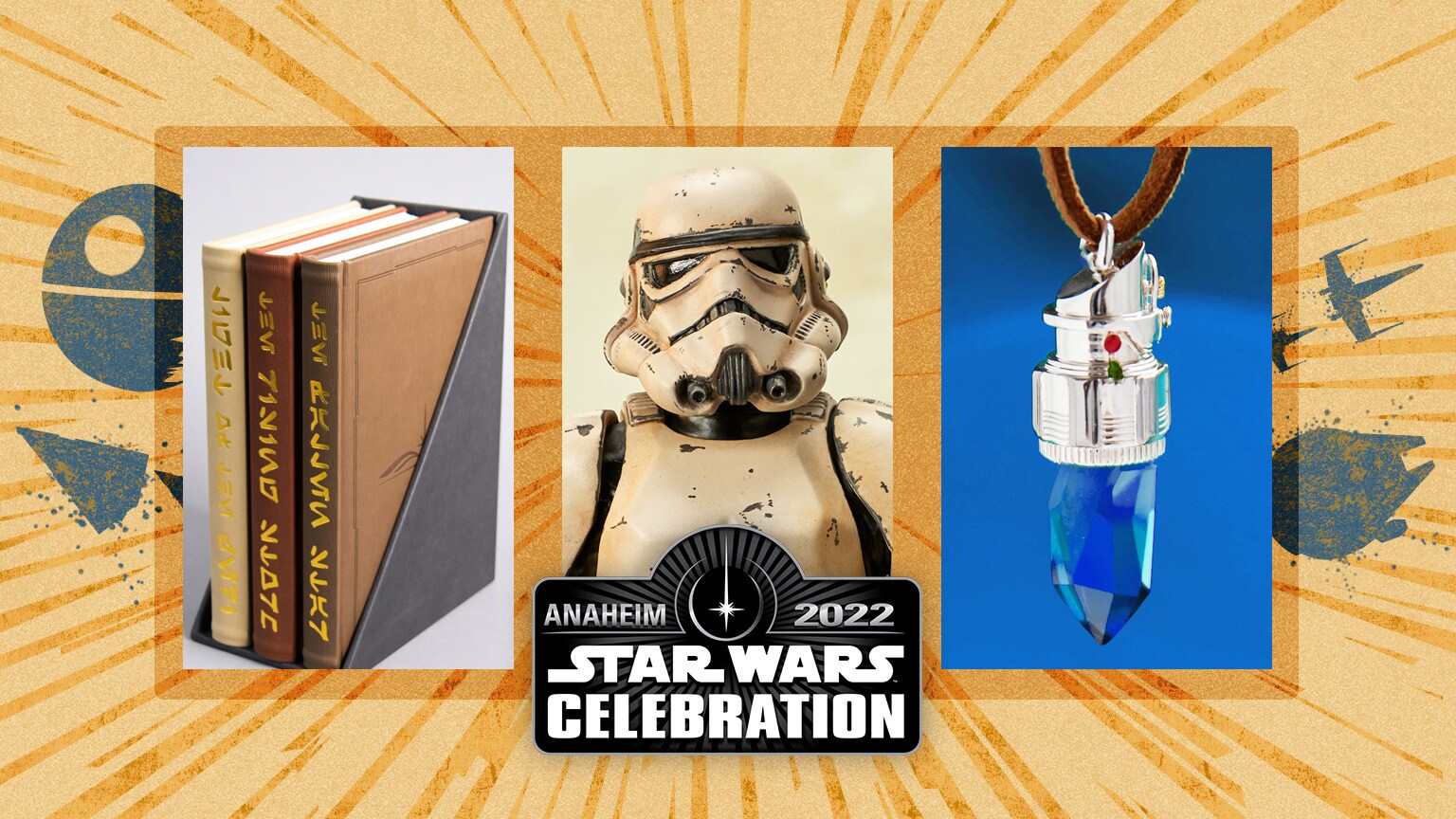
Small-format collectibles are easy to display and easy to expand into deep runs. Character pins, faction insignia, convention badges, crew-style patches, limited sets, and mystery releases can become surprisingly complex collecting lanes.
Collection design
A collection becomes easier to build—and easier to enjoy—when there is a reason an object belongs. The rule can be strict or loose, but it helps separate a collection from accumulation.
Choose one character and follow them across figures, cards, comics, statues, pins, autographs, and replicas.
Build around the Clone Wars, Rebellion, Mandalore, Old Republic, or another narrative period.
Complete one line, scale, packaging style, manufacturer, or numbered series.
Collect helmets, sabers, magazines, creature figures, convention pins, or another form across the entire saga.
Connected collector desks
Use the wider IDS collecting archive when the object moves into a category with its own dedicated research tools.
Checklists, parallels, autographs, sketches, serials, and collection tracking.
Open cards → PublishingComicsRuns, key issues, first appearances, variants, Legends, canon, trades, and omnibuses.
Browse comics → Building setsLEGO Star WarsShips, scenes, minifigures, display models, and major collector sets.
Browse LEGO → ReferenceCollector GuidesIdentification, protection, shipping, organization, and practical collecting resources.
Open guides →