Who gets to move?
Hyperdrive, ownership, military assignment, docking rights, money, and legal status all shape who can cross worlds freely.
Mobility · War · Labor · Home · Infrastructure
Star Wars vehicles are not just machines with specifications. They decide who can move, how far power can reach, where people work, what counts as home, and how governments, rebels, traders, hunters, racers, and families occupy space. This archive reads mobility as part of social life.
Mobility lens
A ship tells you more than who owns it. Crew requirements, maintenance, range, docking, weapons, cargo, fuel, and living space reveal the institutions and everyday labor that make movement possible.
Hyperdrive, ownership, military assignment, docking rights, money, and legal status all shape who can cross worlds freely.
Pilots depend on mechanics, astromechs, loadmasters, gunners, technicians, fuel crews, salvage, and improvised repair.
An X-wing and a TIE fighter embody different assumptions about pilot survival, support, autonomy, and how military force should be organized.
Freighters and patrol craft often collapse workplace, bedroom, kitchen, storage, armory, and family space into the same hull.
Freighters · Patrol craft · Pursuit ships
These ships matter because people live inside them. Their interiors hold tools, food, cargo, weapons, memories, routines, conflict, and the relationships that form during long periods away from fixed settlements.
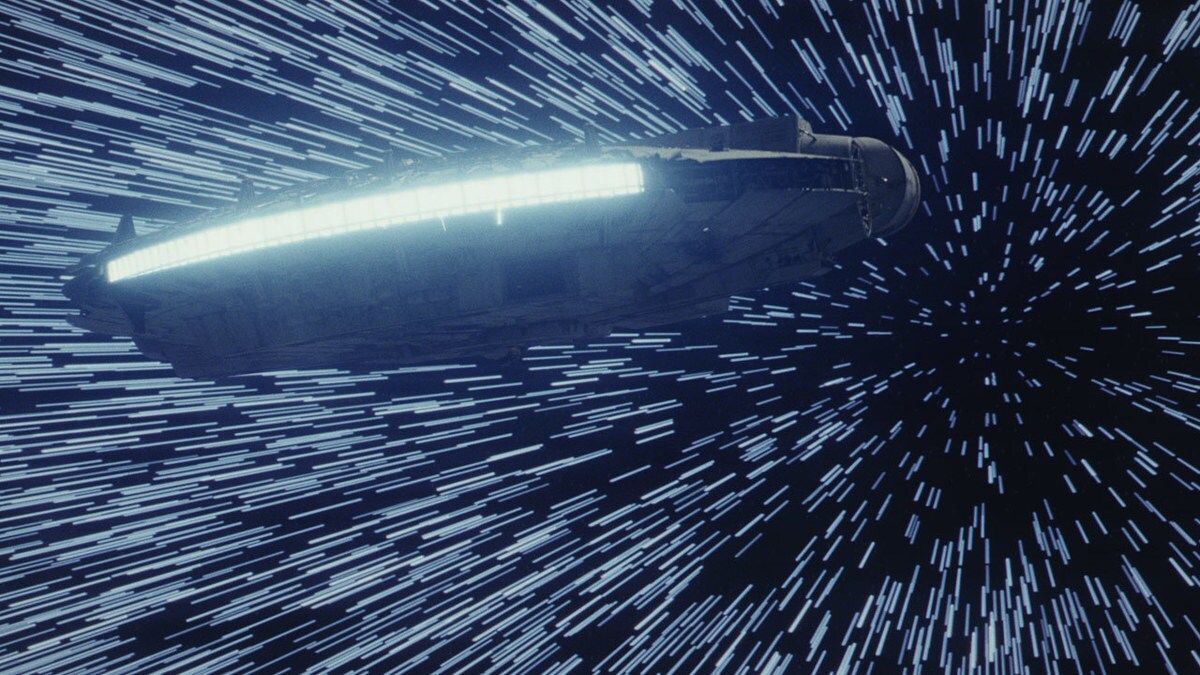
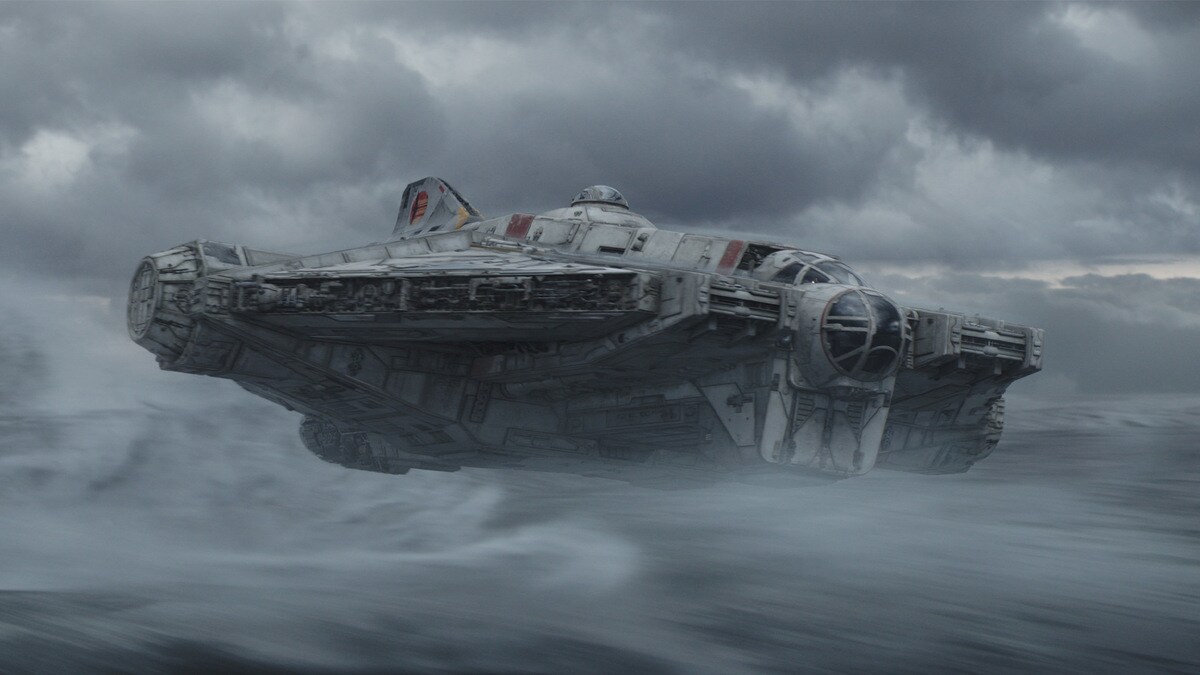
The Falcon is valuable precisely because it refuses to stay one thing. It is cargo ship, smuggling platform, escape vehicle, Rebel asset, repair project, and family space. Its endless modifications make ownership visible as accumulated history.
The Ghost is simultaneously family home, intelligence platform, transport, and Rebel combat asset. Its importance comes from the way domestic life and insurgent work occupy the same physical space.
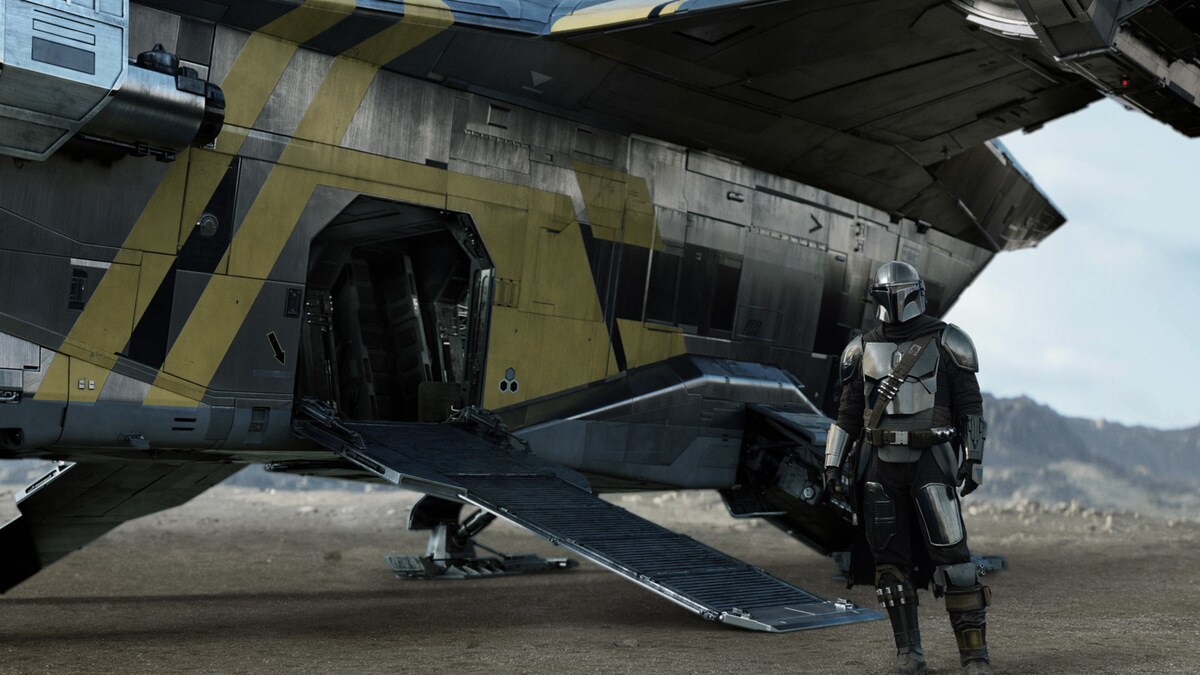
Din Djarin's Razor Crest functions as transport, armory, holding space, workshop, and home. Its battered condition suits a life built around remote jobs, uneven infrastructure, and long distances between dependable services.
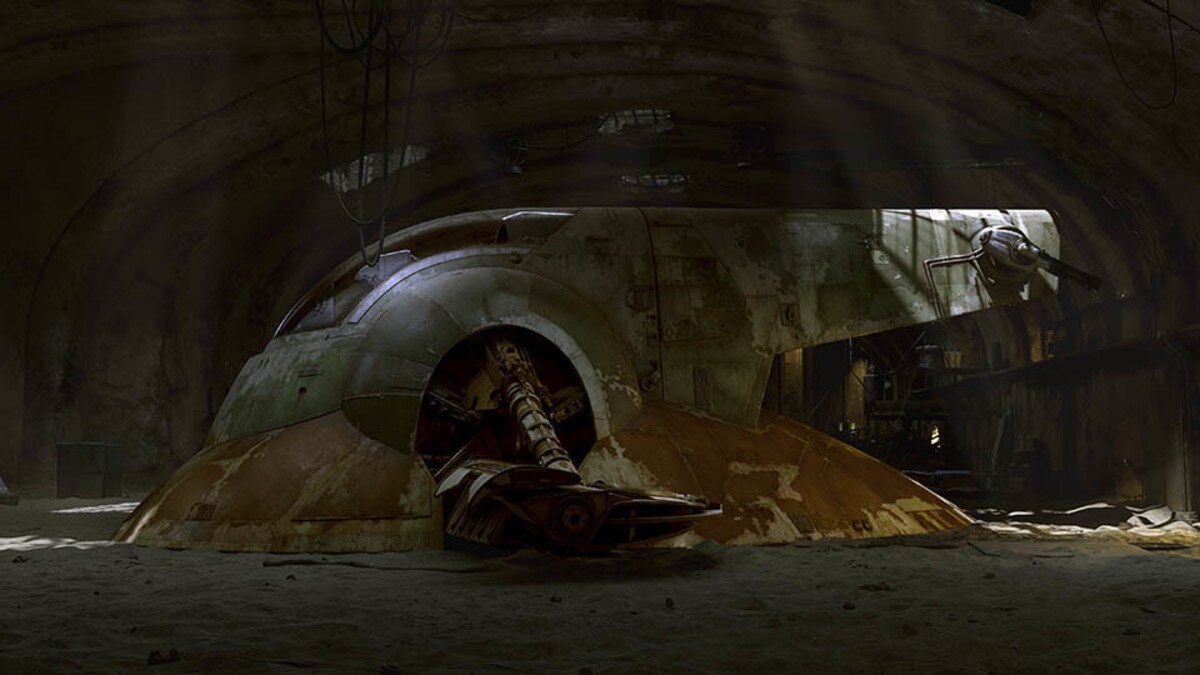
The Fett pursuit craft links work, inheritance, and reputation. Jango uses it as a heavily armed professional vehicle; Boba later inherits both the ship and the occupational identity attached to it.
Fighters · State power · Fleet systems
Military craft reveal doctrine. What a state spends on shields, hyperdrives, pilot support, carriers, standardization, and overwhelming scale tells us how that state expects war to be fought.
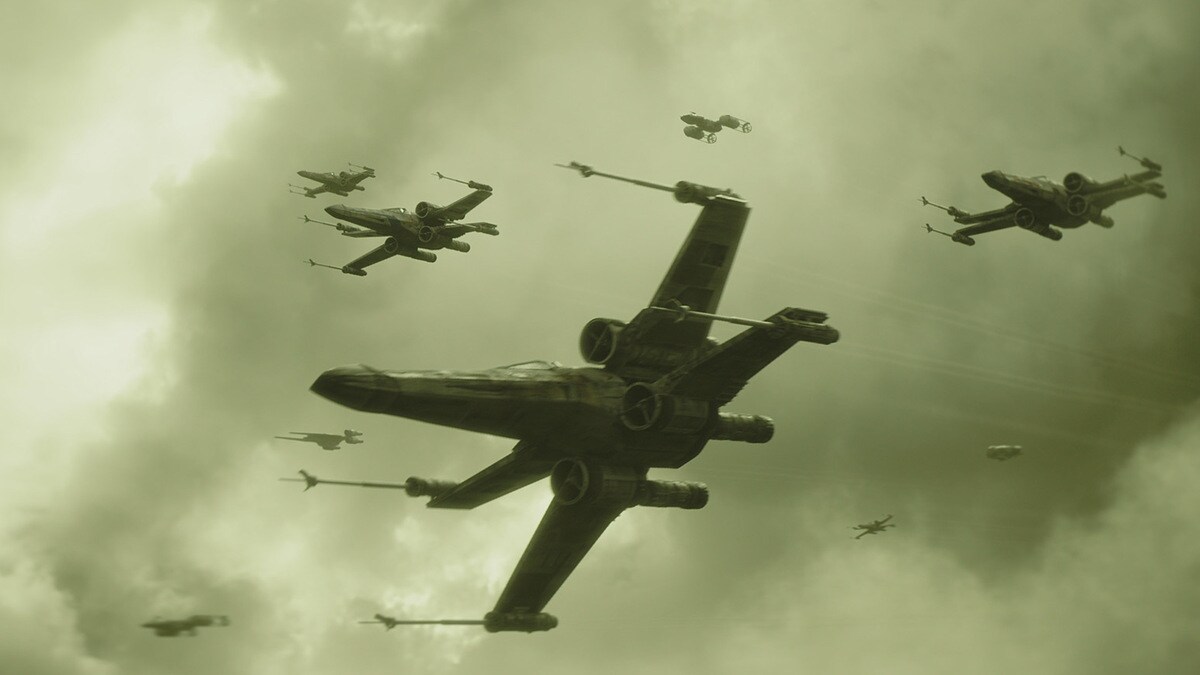
The X-wing combines hyperspace capability, shields, astromech support, and enough independence for a pilot to operate beyond a carrier's immediate reach. It fits a force that depends on dispersed bases and flexible missions.
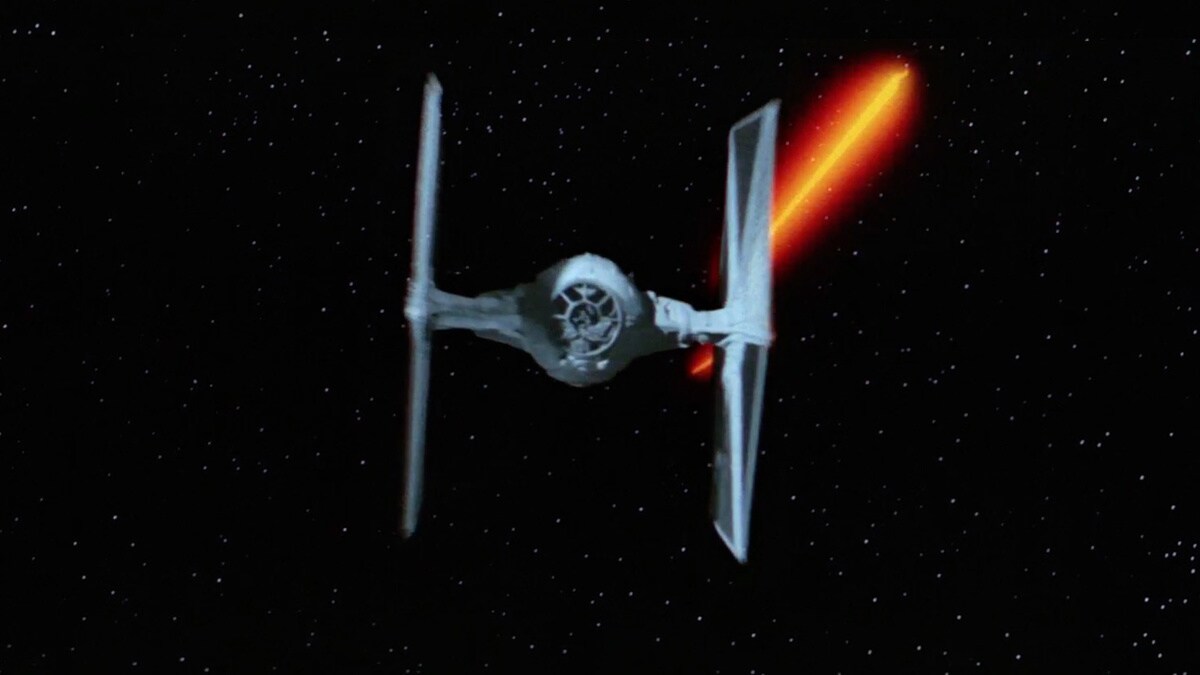
The standard TIE fighter is inseparable from the Imperial fleet around it. Its design prioritizes speed, numbers, and centralized support rather than long independent operations.
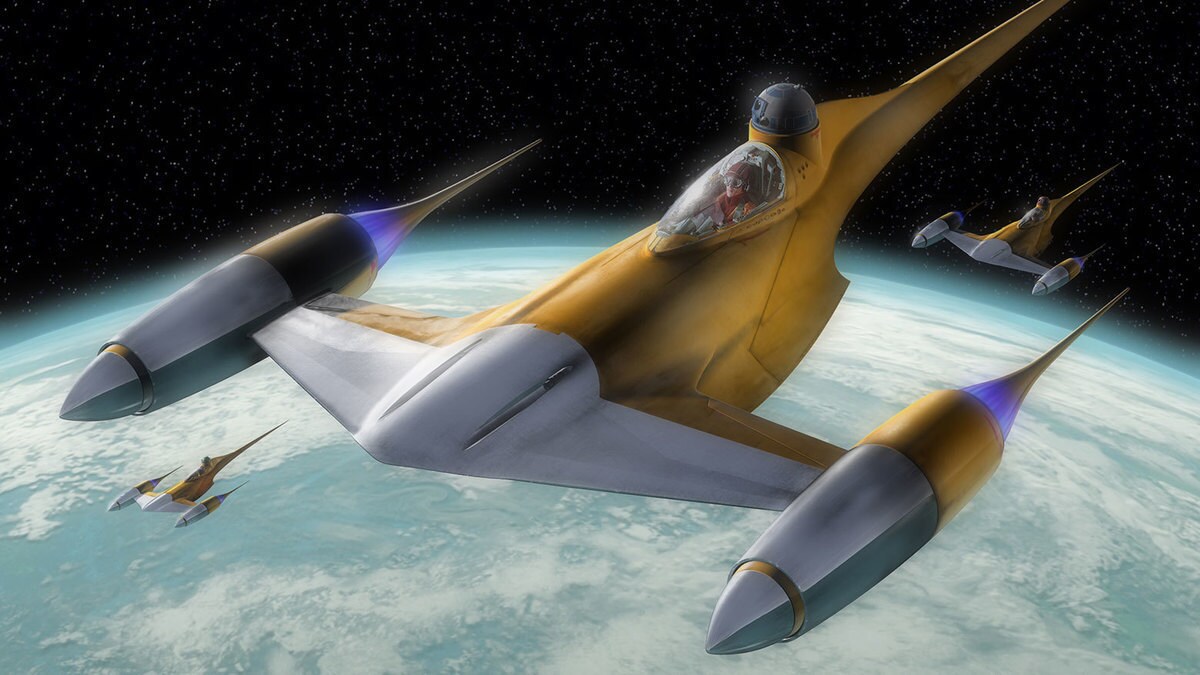
The N-1 ties defense to Naboo's wider design language: polished surfaces, graceful form, and a political culture that presents technology as part of public aesthetics rather than something hidden behind purely military function.
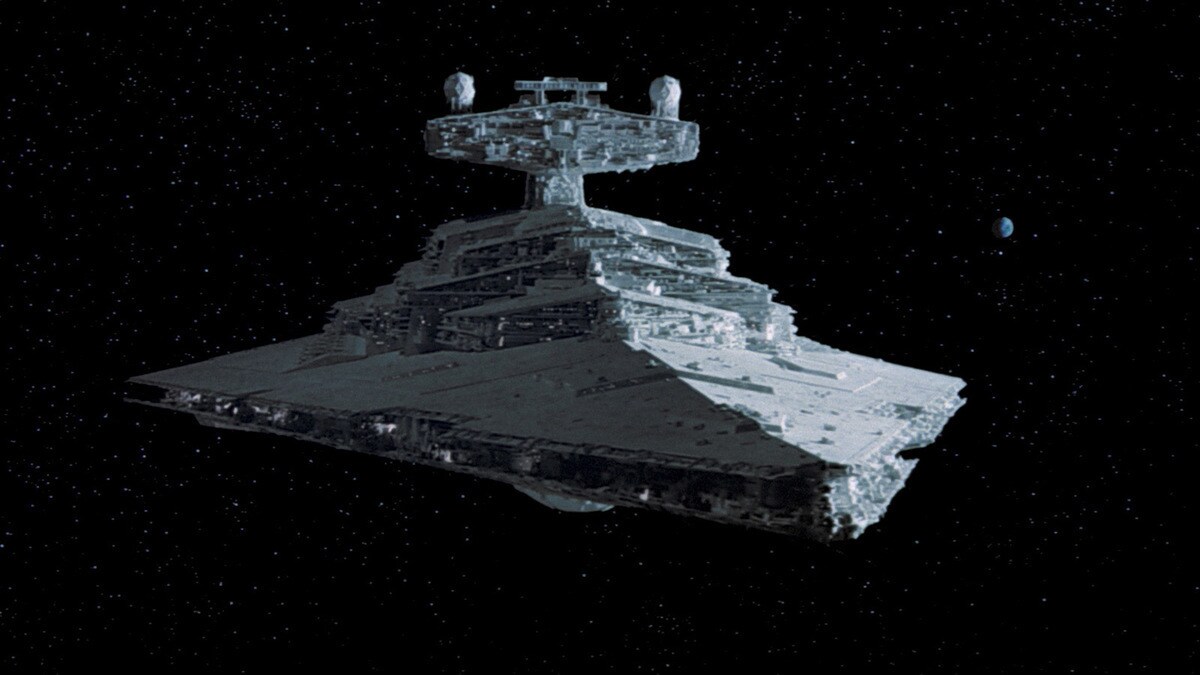
A Star Destroyer is not simply a large weapon. It is a mobile institution carrying command staff, troops, fighters, detention capacity, communications, technicians, supplies, and the visual language of Imperial authority.
Compare the systems
Star Wars often makes institutions visible through machines. The contrast is not that one faction has technology and another does not; it is that different organizations distribute risk, autonomy, labor, and resources differently.
Hyperdrive-equipped fighters and astromech support favor flexible pilots able to travel, repair, navigate, and act beyond a single carrier.
TIE squadrons and Star Destroyers combine standardized equipment with large support systems, making military strength depend on centralized industrial scale.
Freighters, patrol craft, and reused starfighters survive through modification, scavenged parts, informal repair knowledge, and owner-specific changes.
Walkers · Repulsorlift · Racing
Once movement returns to the surface, vehicles become shaped by terrain, policing, occupation, local economies, speed, and public spectacle rather than interstellar range.
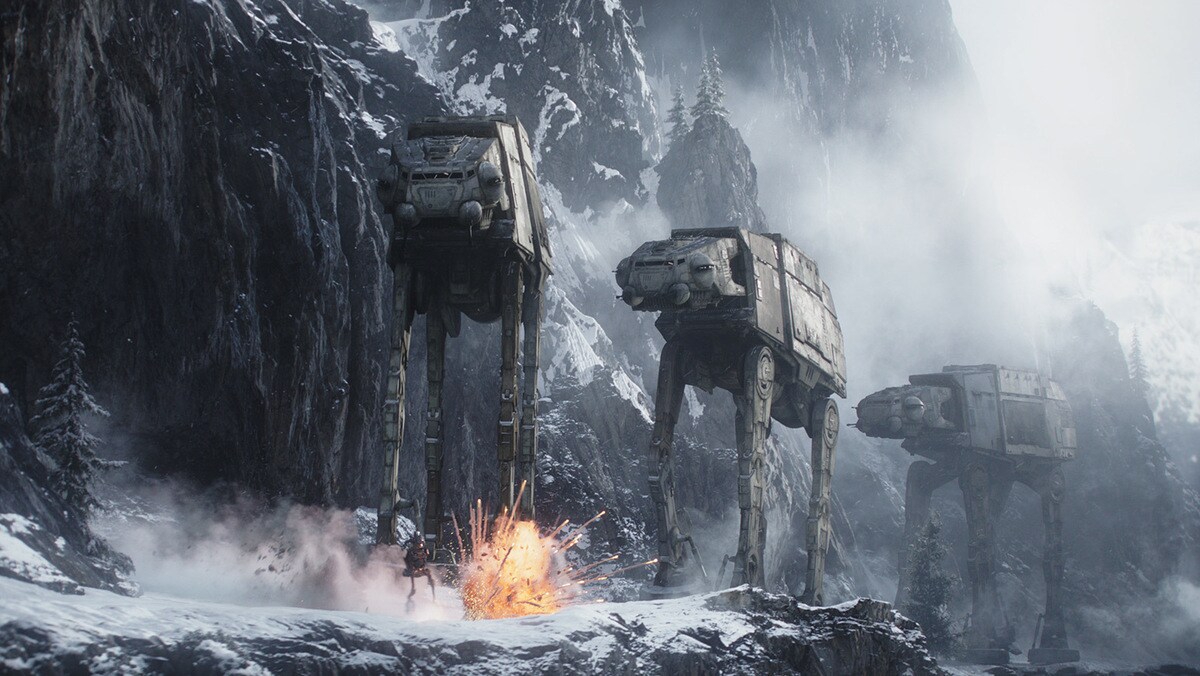
The AT-AT translates Imperial industrial capacity into a machine that carries troops, weapons, and intimidation across a battlefield. Its towering profile is as much about being seen as about moving.
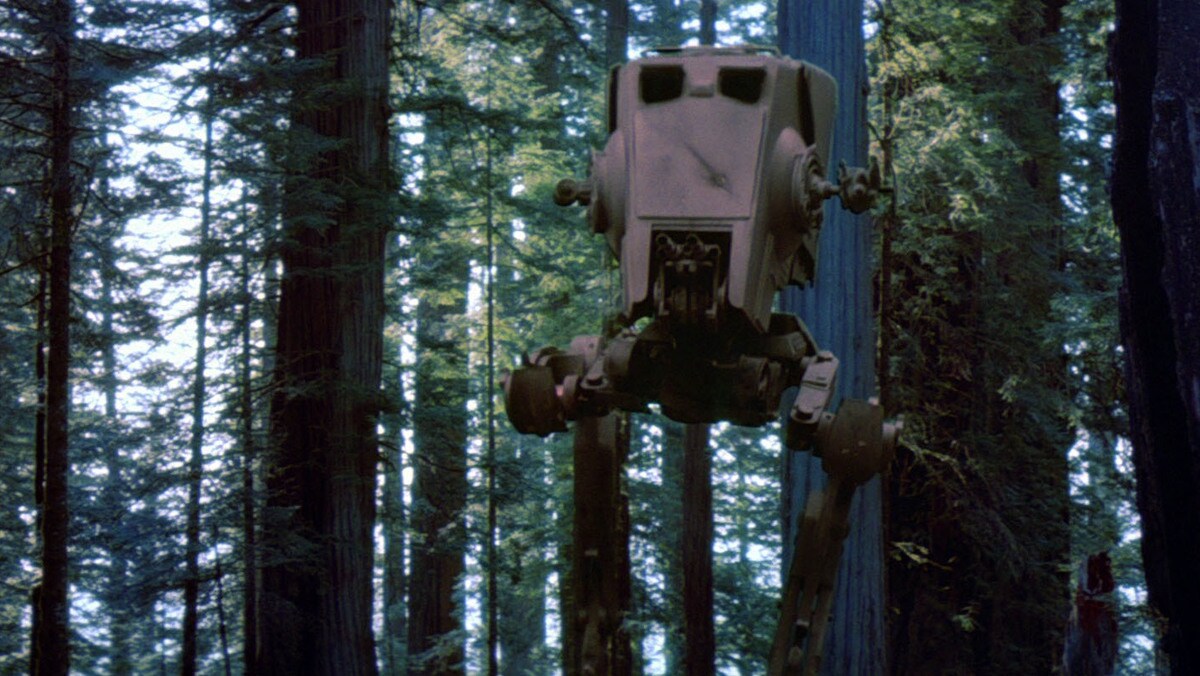
Smaller than the AT-AT, the AT-ST fits patrol, reconnaissance, and infantry-support roles. Its use from Endor to frontier settlements shows how a military vehicle can persist beyond the political system that built it.
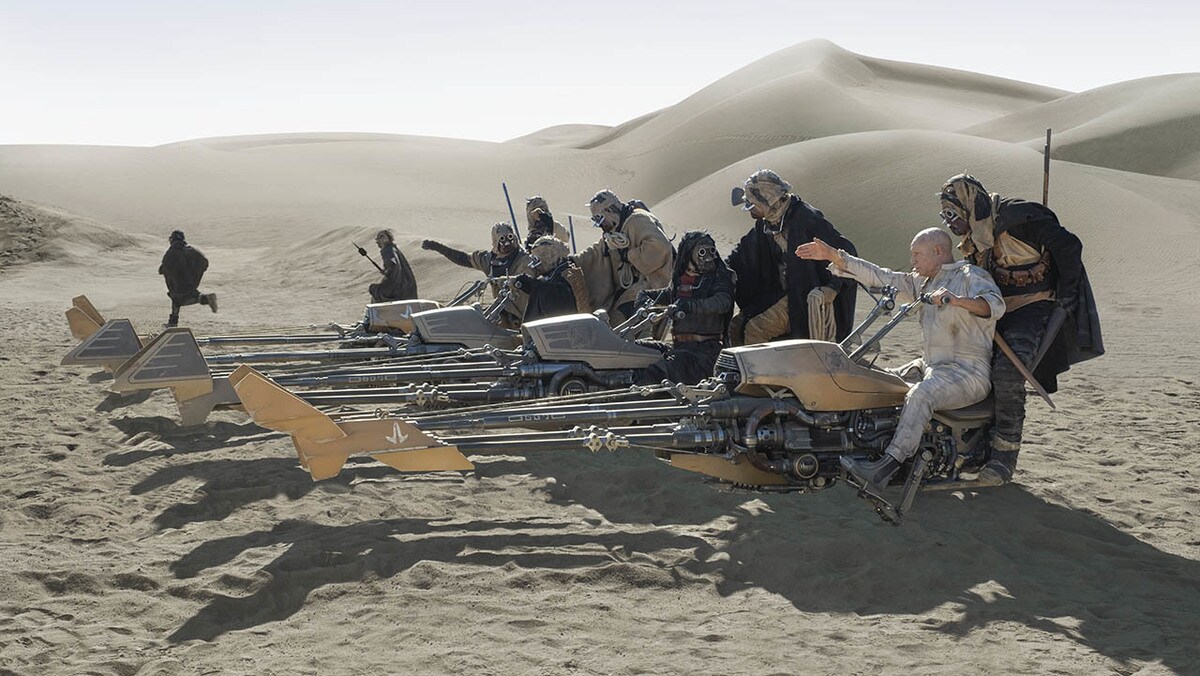
Speeder bikes sit closer to everyday transportation than capital ships ever can. Their speed and small size make them useful to scouts, soldiers, civilians, gangs, couriers, and anyone who needs rapid movement without major infrastructure.
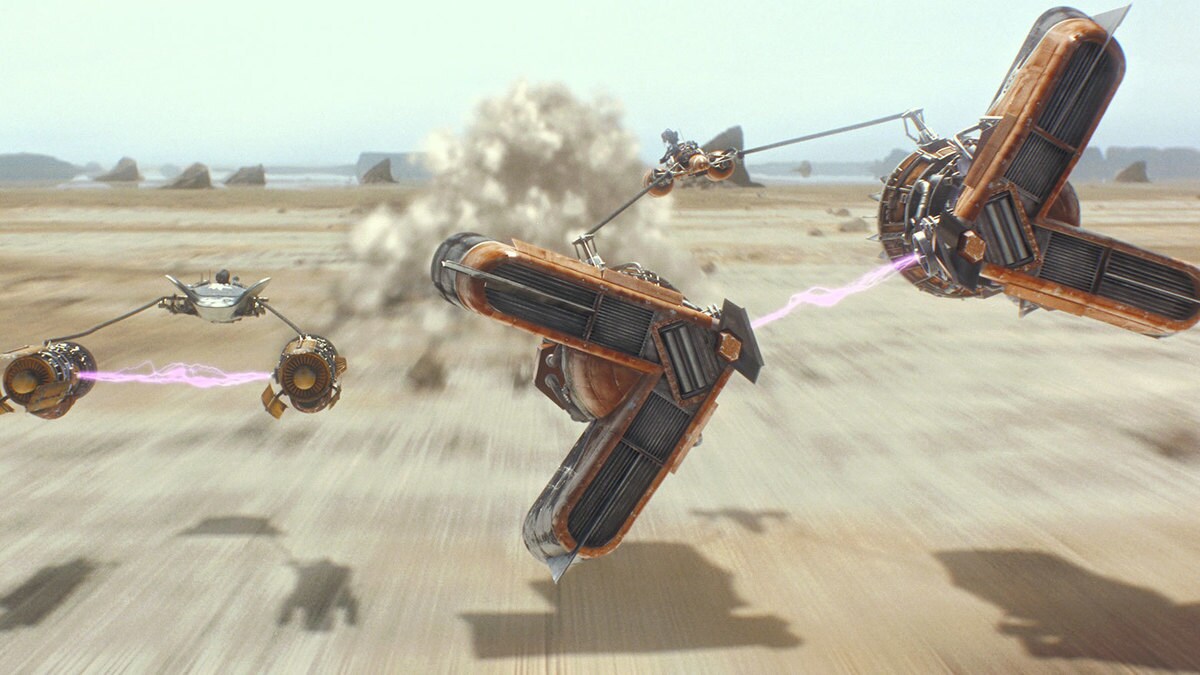
Podracing turns engineering into public spectacle. Machines, pilots, sponsors, bookmakers, spectators, repair labor, and dangerous tracks form an economy in which mobility becomes entertainment.