Crew and working life
The pilot works with an astromech that handles navigation, diagnostics, and repair support. That human-droid team reduces the number of people required in the cockpit while extending what the craft can do away from base.
Maintenance and technical labor
Rebel mechanics maintain X-wings in improvised hangars with limited parts. Squadron survival depends on technicians who can return damaged ships to service quickly rather than discard them after each engagement.
Ownership, authority, and status
The X-wing is military property, but pilots develop strong identification with individual craft and astromechs. Personal markings and repeated assignments make standardized machines feel socially individualized.
Doctrine or livelihood
Its doctrine favors flexible pilots capable of strike, escort, reconnaissance, and fleet defense. This suits a dispersed rebellion whose bases and targets change constantly.
Modification and adaptation
Field repairs, astromech swaps, and squadron-level modifications are normal. The design accepts maintenance and adaptation as part of operation rather than assuming perfect industrial support.
Mobility and historical meaning
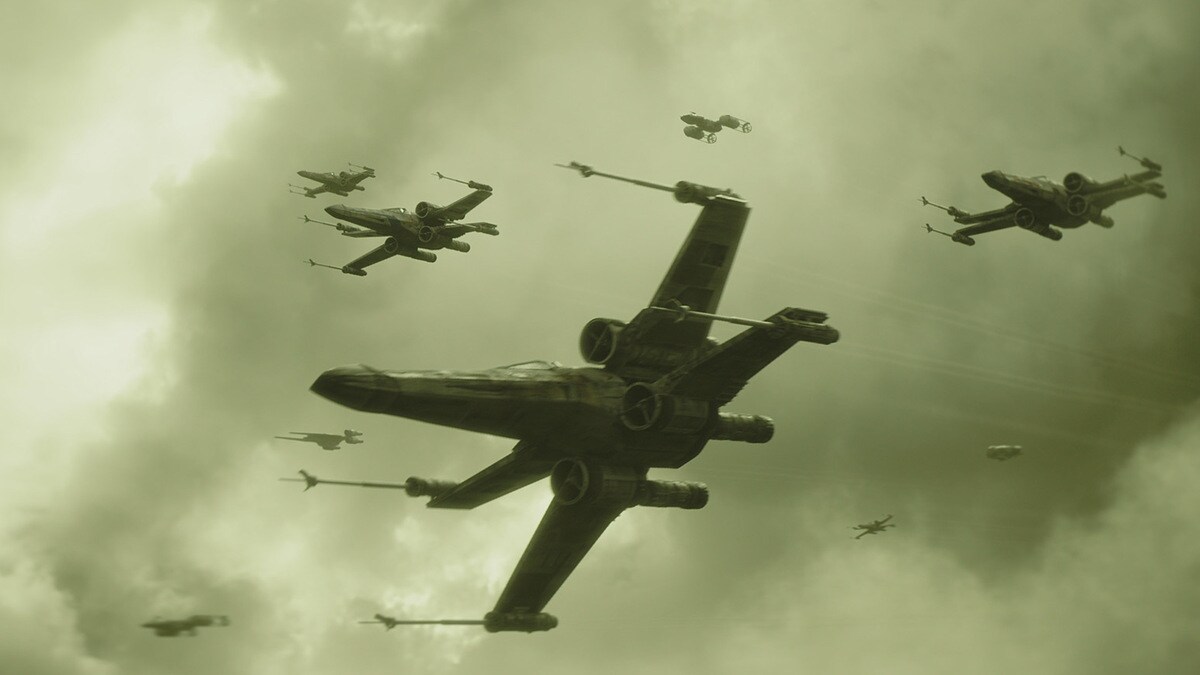
The X-wing extends Rebel reach because it carries its own hyperdrive. A pilot can cross systems independently, making starfighters part of strategy rather than merely local defense.
Why it matters
A vehicle is more than hardware
T-65 X-wing Starfighter becomes historically useful when its technical design is read together with the people and institutions around it. Crew training determines what the machine can do. Maintenance determines whether it remains available. Ownership determines who gets access. Doctrine gives the vehicle a role inside a larger political or economic system. Modification records local knowledge and changing needs. Mobility then connects all of those elements by deciding which people, goods, weapons, and ideas can move through space.
Source trail
Sources & evidence
- Official Star WarsOfficial Star Wars reference
IDS method: named classes, affiliations, and story uses follow official Star Wars material. The labor, ownership, and mobility analysis is IDS editorial interpretation. Read the editorial standard →