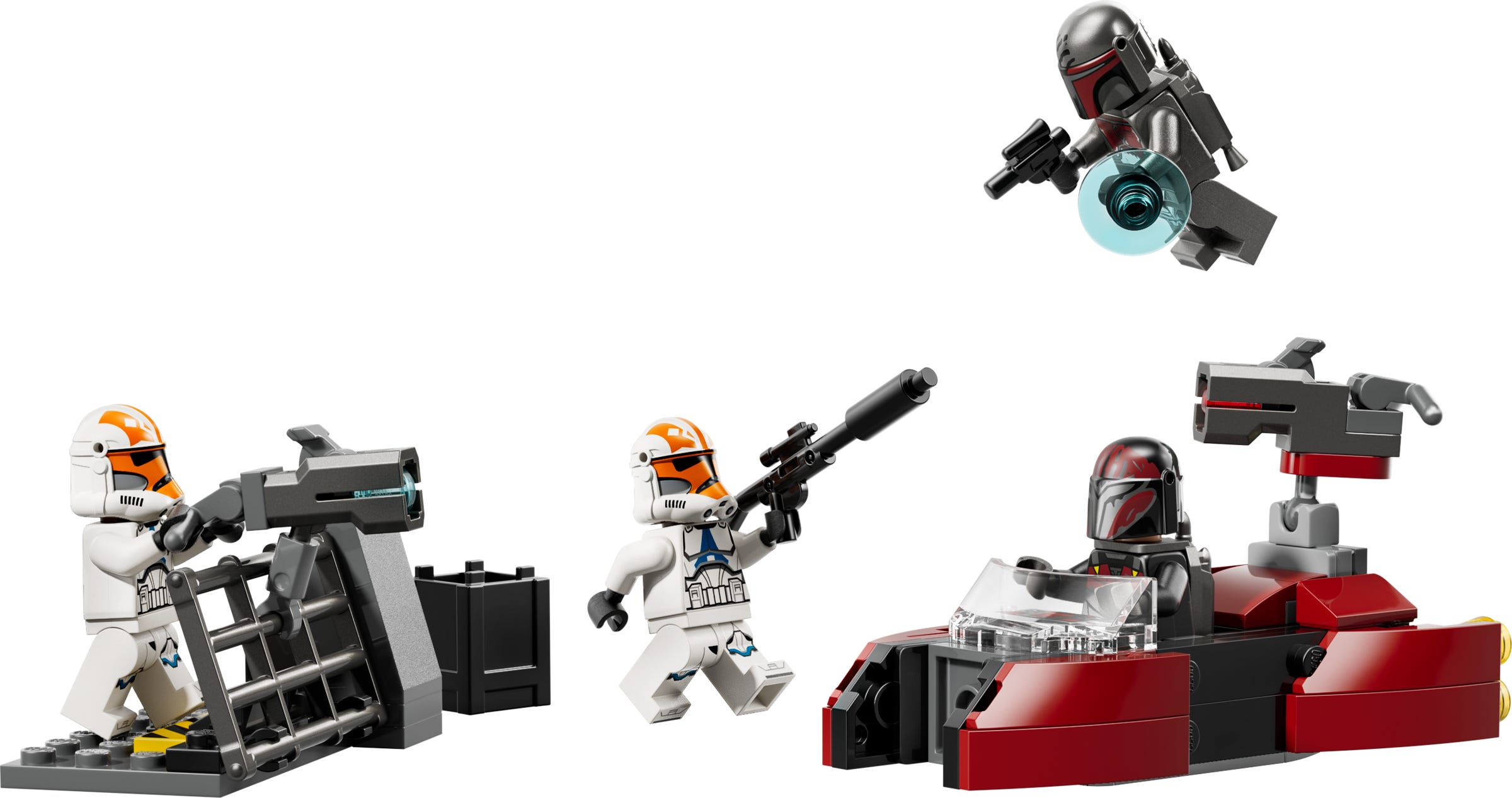
LEGO Star Wars collecting works best when the collection has a purpose. Some collectors want one large centerpiece. Others build shelves around the Empire, the Clone Wars, bounty hunters, droids, helmets, ships, minifigures, or one favorite character. Display footprint, scale, visual role, minifigure selection, price, build experience, and long-term interest can matter more than raw piece count.
The main IDS LEGO Star Wars Collector Guide is the working product archive. It groups current sets into useful collecting routes such as SMART Play, affordable picks, helmets, droids and characters, ships and vehicles, premium collector sets, retiring sets, and smaller official LEGO Star Wars extras. That page also carries the current tracked LEGO.com affiliate links.
The dedicated LEGO Star Wars Collecting for Display guide handles a different problem: how to choose sets for a real room. It focuses on shelf depth, height, stability, dust control, visual role, theme, and how a model will actually live after the build is finished. A visually strong smaller set can be a better collection choice than a huge model with nowhere appropriate to go.
LEGO Star Wars also has a media side. IDS keeps LEGO Star Wars animation, specials, mini-series, parody, and Rebuild the Galaxy material in a separate screen archive because those stories remix continuity in ways that do not fit neatly into ordinary Canon or Legends organization.
As material culture, LEGO turns fictional ships, characters, institutions, and places into physical objects that can be built, modified, displayed, photographed, reorganized, traded, and collected. Linking a set back to characters, ships, technology, eras, and screen stories makes the object more useful as part of a larger Star Wars archive rather than treating it only as merchandise.