Is Mandalorian identity based on ancestry, adoption, creed, political loyalty, or some combination?
Definitive subject hub · Homeland · Diaspora · Clan · Restoration
Mandalore
Mandalore is both a place and an argument about belonging. Warrior traditions, pacifist reform, clan politics, found family, beskar, the Darksaber, creeds, Imperial occupation, the Great Purge, exile, and return all compete to define what Mandalorian continuity means. This hub follows those questions across IDS.
Research orientation
Questions this hub helps answer
Use these questions as a reading strategy. The links below provide evidence from different IDS archives rather than one flattened summary.
How does beskar become material culture, economic resource, inheritance, and political symbol at once?
What changes when a homeland becomes a diaspora memory after the Great Purge?
Why do different Mandalorian groups interpret the same symbols and traditions differently?
Mentioned in this file
Open the people, places, and institutions
01 · Connected archive
Start with Mandalore and Mandalorian identity
Begin with the core files on the people, planet, cultures, and creeds.
Darth Maul Topic Guide
A narrower pathway into Maul, the Shadow Collective, Mandalore, Savage Opress, and the politics surrounding his rule.
Open →Mandalorians loreLong-form history of political and cultural change.
Open →Mandalorian CulturesClan, identity, kinship, language, hierarchy, work, and internal variation.
Open →Mandalorian CreedsRitual, sacred places, vows, purification, and contested religious meaning.
Open →Mandalore planet dossierEnvironment, domed cities, sovereignty, economy, mobility, conflict, and restoration.
Open →02 · Connected archive
People, clans, and competing authority
These lives show how leadership is negotiated through family, combat, oath, reputation, inheritance, and practical coalition building.
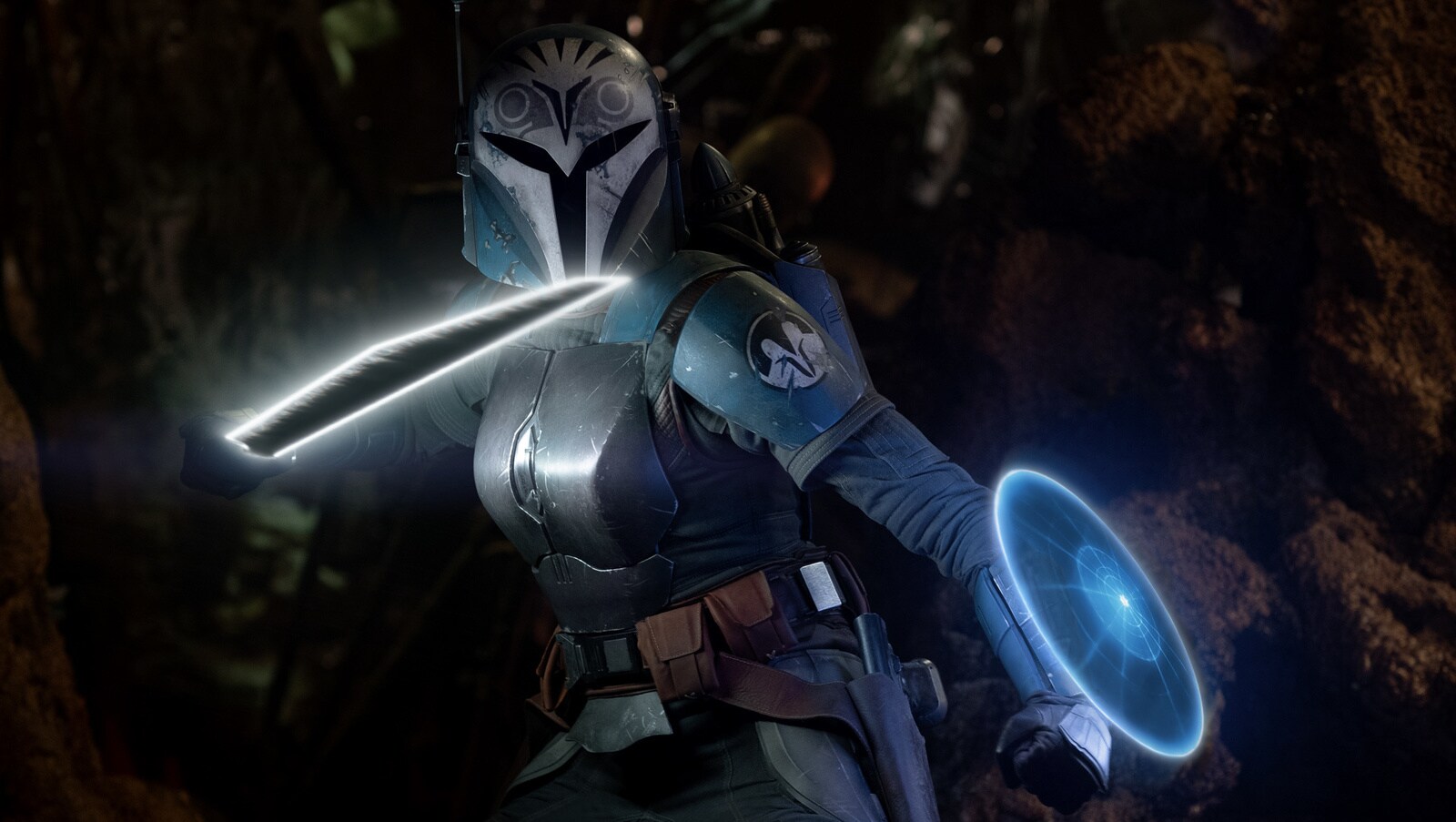
Bo-Katan Kryze
Leadership across civil war, resistance, defeat, diaspora, and restoration.
Open →Din DjarinFound family, creed, mobility, and an unexpected path into Mandalorian politics.
Open →Sabine WrenClan identity, art, rebellion, weapons, and a relationship to Mandalore shaped by exile.
Open →The ArmorerRitual authority and preservation of creed in diaspora.
Open →Fenn RauProtector tradition, war, shifting allegiance, and Mandalorian political survival.
Open →03 · Connected archive
Purge, diaspora, and return
The destruction of the homeworld reorganizes identity around memory, portable objects, hidden communities, and the possibility of restoration.
Great Purge of Mandalore
Imperial destruction, political defeat, environmental damage, and collective trauma.
Open →Mandalorian Diaspora & RestorationExile, beskar, competing traditions, return, and rebuilding.
Open →Reign of the EmpireOccupation, resistance, fragmentation, and Imperial violence.
Open →New Republic eraThe period when scattered Mandalorians begin to test whether return is possible.
Open →Imperial RemnantsThe post-Imperial networks that continue to affect Mandalorian restoration.
Open →04 · Connected archive
Material culture, weapons, and mobility
Armor, starships, weapons, forges, and transport make political identity material and portable.
Technology & Artifacts
Beskar armor, weapons, the Darksaber, and other material systems.
Open →Razor CrestWorkplace, home, transport, and the infrastructure of Din Djarin's mobile life.
Open →N-1 StarfighterA royal Naboo fighter rebuilt into highly individualized Mandalorian transport.
Open →Ships & VehiclesPlace Mandalorian mobility among the wider transport systems of the galaxy.
Open →Search DarksaberTrace the object's changing political and ritual meanings across IDS.
Open →05 · Connected archive
Mandalore in war and rebellion
Mandalorian history intersects with the Clone Wars, Maul, the Empire, rebellion, and regional struggles over sovereignty.
Clone Wars
The larger war surrounding Mandalore's neutrality, civil conflict, and outside intervention.
Open →Darth MaulMaul's seizure of Mandalore and the political crisis around Shadow Collective rule.
Open →Rebel AllianceThe wider coalition in which Sabine and other Mandalorians participate.
Open →Liberation of LothalA rebel victory connected to Sabine's broader political life.
Open →War & MilitaryCompare Mandalorian martial traditions with larger military institutions.
Open →06 · Connected archive
Stories and media pathways
Mandalorian identity changes across animation, live action, books, comics, and collecting media.
Series
The Clone Wars, Rebels, The Mandalorian, Ahsoka, and The Book of Boba Fett.
Open →FilmsFollow Mandalorian-adjacent histories and the larger wars surrounding the culture.
Open →BooksAdditional political, historical, and character contexts.
Open →ComicsMandalorian characters, armor, bounty hunters, and era-specific conflicts.
Open →GamesPlayable Mandalorian identities, Old Republic traditions, and bounty-hunter legacies.
Open →07 · Connected archive
Collect and compare Mandalore
Turn the hub into a route through figures, cards, LEGO, and structured comparison.
LEGO Star Wars
Mandalorian ships, minifigures, helmets, and display collecting.
Open →Trading Card ArchiveBo-Katan, Din, Sabine, bounty hunters, parallels, and character collections.
Open →Galaxy Comparison LabCompare Mandalore with another occupied and culturally significant Outer Rim homeland.
Open →Character ComparisonCompare Mandalorian lives across clan, creed, occupation, and era.
Open →Relationship MapsTrace clan, family, mentorship, rivalry, and alliance networks.
Open →Keep moving
Cross the archive from here
Subject hubs are designed as intersections. Return to the full hub index or move into the major archives that feed this page.