The New Republic begins with victory but not resolution. The Empire has lost its central throne, yet its fleets, officers, prisons, archives, habits, and political assumptions remain distributed across the galaxy. The official era framework describes a government rebuilding after the Empire while remnants threaten a fragile peace. Canon stories such as Aftermath, Bloodline, The Mandalorian, The Book of Boba Fett, Ahsoka, Skeleton Crew, and Resistance show a society trying to turn the emotional fact of liberation into durable institutions.
The war after the war
The Battle of Jakku is a military endpoint and a political beginning. In the Aftermath trilogy, the conflict becomes a struggle over the shape of the postwar galaxy: which Imperial leaders will surrender, which will flee, which will be granted amnesty, and which worlds will be left to manage the ruins. The New Republic inherits a security problem that cannot be solved by one final battle because the Empire was never only a person. It was a set of offices, contracts, garrisons, supply routes, and careers.
Mon Mothma’s leadership is therefore a practice of subtraction as well as construction. Demilitarization expresses a real moral lesson: a democracy should not permanently reproduce the emergency state it defeated. But reducing central defense while remnants reorganize creates gaps that local communities and private actors must fill. The New Republic’s weakness is not simply naïveté. It is the structural difficulty of governing a huge, recently traumatized federation without turning fear into a new authoritarian mandate.
The Senate, demilitarization, and security
The New Republic’s demilitarization policy responds to a genuine political fear. The Empire used a permanent military state to control the galaxy, so a democracy that keeps the same scale of armed power risks preserving the structure it defeated. Reducing the central fleet signals that the new government will not treat every problem as a military emergency.
Demilitarization becomes dangerous when it is confused with the end of conflict. Imperial officers, private contractors, criminal groups, and local warlords continue to possess weapons and information. The New Republic has to decide which threats require a federal response and which should remain under local authority. That decision is difficult because the Senate is trying to prevent another Empire while also proving that it is not simply a weaker version of the old government.
The debate also divides generations. Veterans remember how quickly the Empire turned the Republic’s security systems against its citizens. Younger senators may know the Empire mainly through ceremony, testimony, or family stories. Both perspectives are necessary. A state that forgets military power can be abused may become careless. A state that sees every military institution as inherently corrupt may leave communities without protection.
Amnesty, remnants, and hidden power
Imperial remnants do not all behave the same way. Some officers surrender, some accept amnesty, some become warlords, and some retreat into networks that later support the First Order. The question of reintegration is anthropological because it asks whether a former enemy can become a neighbor without the community denying what happened. A public trial can establish accountability; an amnesty program can prevent endless war; a secret pardon can turn the past into a buried resource for future violence.
The Mandalorian makes that ambiguity visible through Dr. Pershing, the New Republic’s bureaucracy, and the remnants operating under the shadow of larger plans. Bloodline shows a later stage, when the Senate’s refusal to take the Imperial threat seriously becomes a crisis of political trust. Leia Organa’s parentage is weaponized because the New Republic has not agreed on how to remember Darth Vader. Memory that is not collectively processed becomes a tool for disinformation.
Jakku, ruins, and public memory
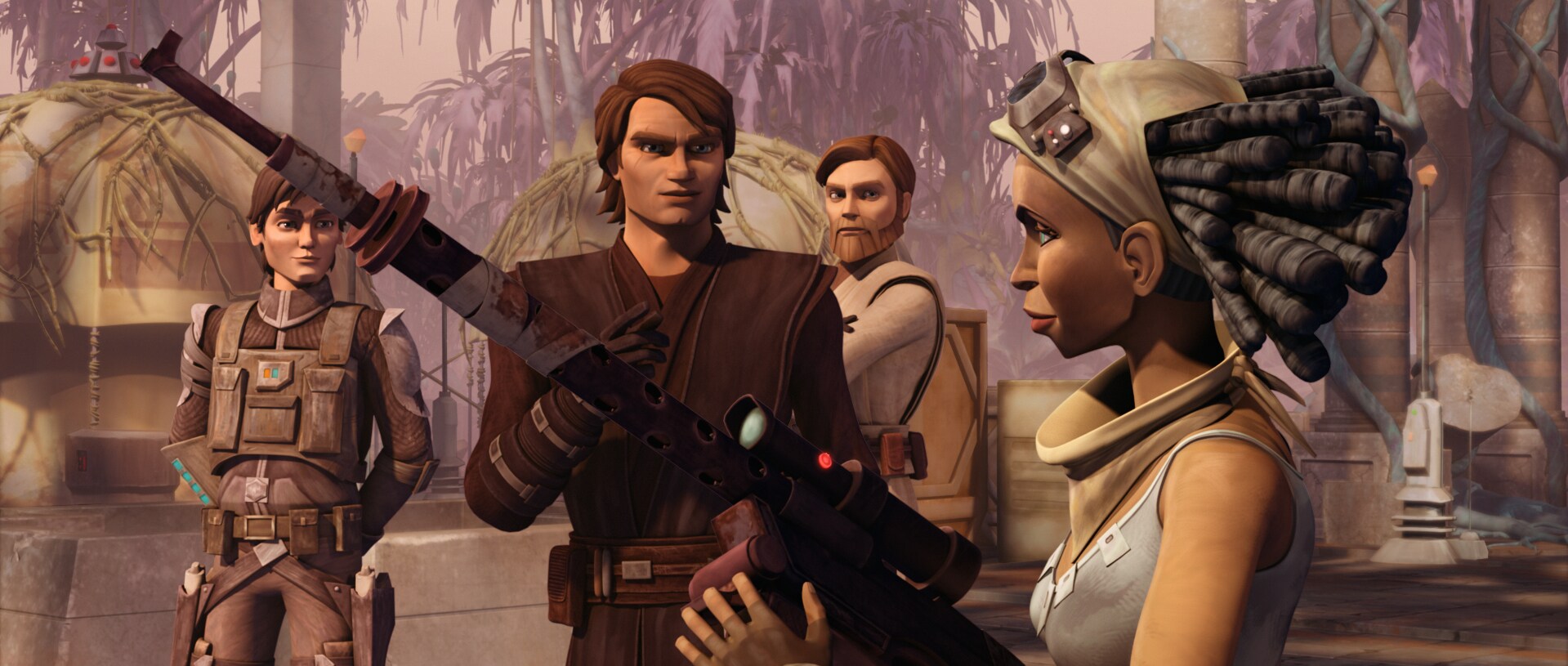
Jakku is more than the site of a final battle. It is a landscape in which the material remains of the Empire become part of local life. Wrecked ships, weapons, armor, and buried records create economic opportunities and physical danger. Salvage workers do not encounter the war as a story. They encounter it as metal, debt, unexploded equipment, and objects that can be sold or repurposed.
This makes the Battle of Jakku a struggle over historical ownership. The New Republic may want the battlefield to represent liberation. Local people may experience it as a source of work, contamination, or continued violence. Veterans may see the wreckage as a graveyard. Collectors and governments may see valuable evidence. These interpretations can conflict even when everyone agrees that the Empire was defeated.
Public memory depends on which objects are preserved and which are removed. A monument can honor sacrifice, but a salvaged helmet may provide a family with income. A government archive can document an event, but oral histories can preserve experiences that officials ignored. The New Republic must make room for these forms of memory if it wants citizens to recognize the new government as more than the administrator of a victorious military narrative.
Mandalore and the politics of restoration
The Mandalorian stories shift attention away from the capital and toward a people whose history has been repeatedly reorganized by conquest. Din Djarin, Grogu, Bo-Katan Kryze, Boba Fett, Sabine Wren, and the scattered clans of Mandalore all represent different ways of belonging. A creed can be a religious practice, a family inheritance, a political technology, or a trauma response. The question “Who is a Mandalorian?” is never answered only by blood.
The restoration of Mandalore is consequently more than a throne plot. It is a project of rebuilding material life: mines, water, safe cities, rituals, education, and relations among clans that have learned to survive through separation. Bo-Katan’s leadership cannot simply restore the old order because the old order helped produce the civil wars and exclusions that shattered it. Din and Grogu model a different kind of political kinship, in which care is taught through daily practice rather than guaranteed by origin.
Foundlings, clans, and chosen kin
The New Republic stories use found family to examine belonging after institutional collapse. Din Djarin and Grogu are connected by care, training, and shared risk rather than by biological descent. Mandalorian foundlings join communities through adoption and practice. The Ghost crew remains a political family even when its members are separated by war and distance.
These relationships challenge the idea that citizenship must be based on one origin story. A foundling can carry a clan’s customs without sharing its ancestry. A child can inherit a language, a skill, or a responsibility from people who are not their birth family. The social work of belonging becomes visible because the older structures of empire and temple have failed to provide stable protection.
Found families also create obligations that governments cannot easily replace. A state can issue a document, assign a patrol, or build a shelter, but it cannot automatically create trust. The New Republic’s success depends partly on whether it can support these local relationships without absorbing them into a single official culture. A healthy republic recognizes communities that it did not create.
Thrawn, Ahsoka, and the frontier
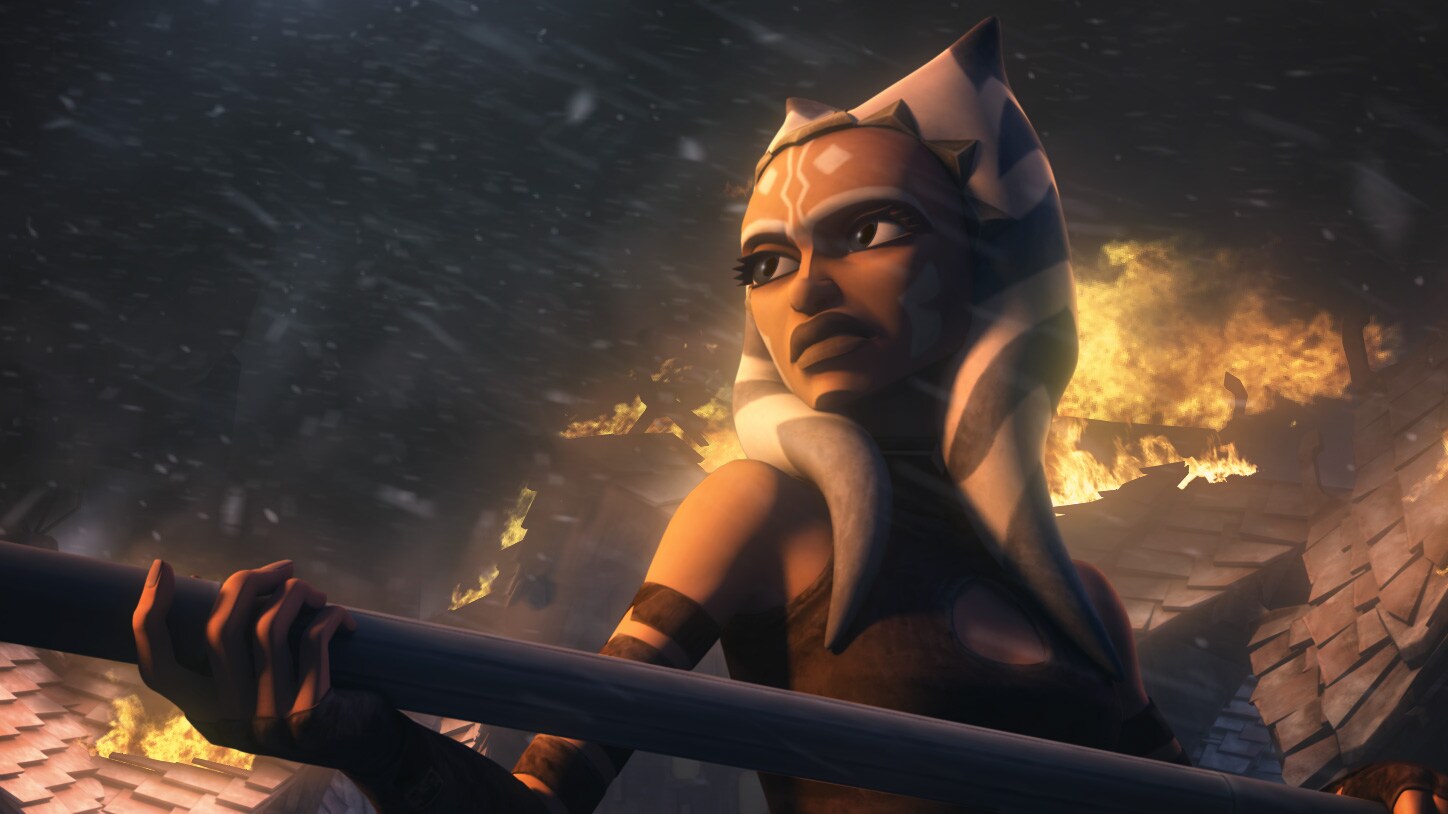
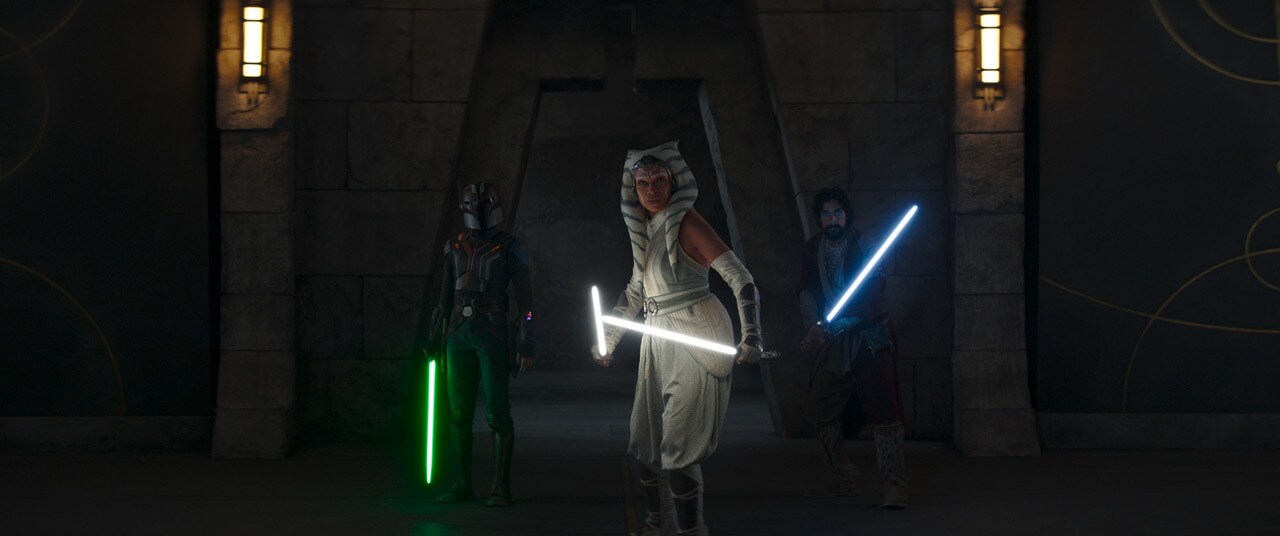
Ahsoka and the later New Republic stories return to a familiar postwar pattern: the center assumes the crisis is over while frontier actors continue to experience it as present. Ahsoka Tano, Sabine Wren, Hera Syndulla, Ezra Bridger, and Grand Admiral Thrawn carry the memory of the Imperial and Rebellion eras into a galaxy that wants to move on. Their search for Thrawn is also a struggle over which histories count as strategically relevant.
Sabine’s relationship to Ezra complicates the heroic archive. She is not merely rescuing a missing friend; she is deciding what obligations survive separation, war, and political change. Hera’s conflict with New Republic officials shows how military veterans can become inconvenient once a government wants to narrate itself as peaceful. Ahsoka, who has lived through multiple institutional failures, approaches the future with a suspicion that is both protective and costly.
Anthropology of rebuilding
Postwar societies are often governed through competing temporalities. Veterans live with the war’s immediacy. politicians speak as if it is history. Children inherit stories without having inherited the institutions that made those stories possible. The New Republic’s challenge is to bring those timelines into conversation. Mon Mothma’s ceremonial government, Leia’s opposition politics, local security forces, Mandalorian clans, and frontier families all need a reason to recognize one another as participants in the same civic project.
Found family is the era’s most visible social form. Din and Grogu, the Ghost crew’s legacy, Boba Fett’s adopted community on Tatooine, and the young crew of Skeleton Crew all show people building durable relationships after older structures fail. These bonds are not apolitical. They teach children how to survive, distribute care, and decide who belongs. They also raise a question for the New Republic: can a state support plural forms of kinship without trying to standardize them?
The era’s greatest danger is not only an Imperial return. It is the belief that institutional repair can be postponed because ordinary life appears calm. A democracy is maintained in the quiet interval between visible wars. When that interval is treated as proof that history has ended, the conditions for a new authoritarianism accumulate in private.
The costs of delayed recognition
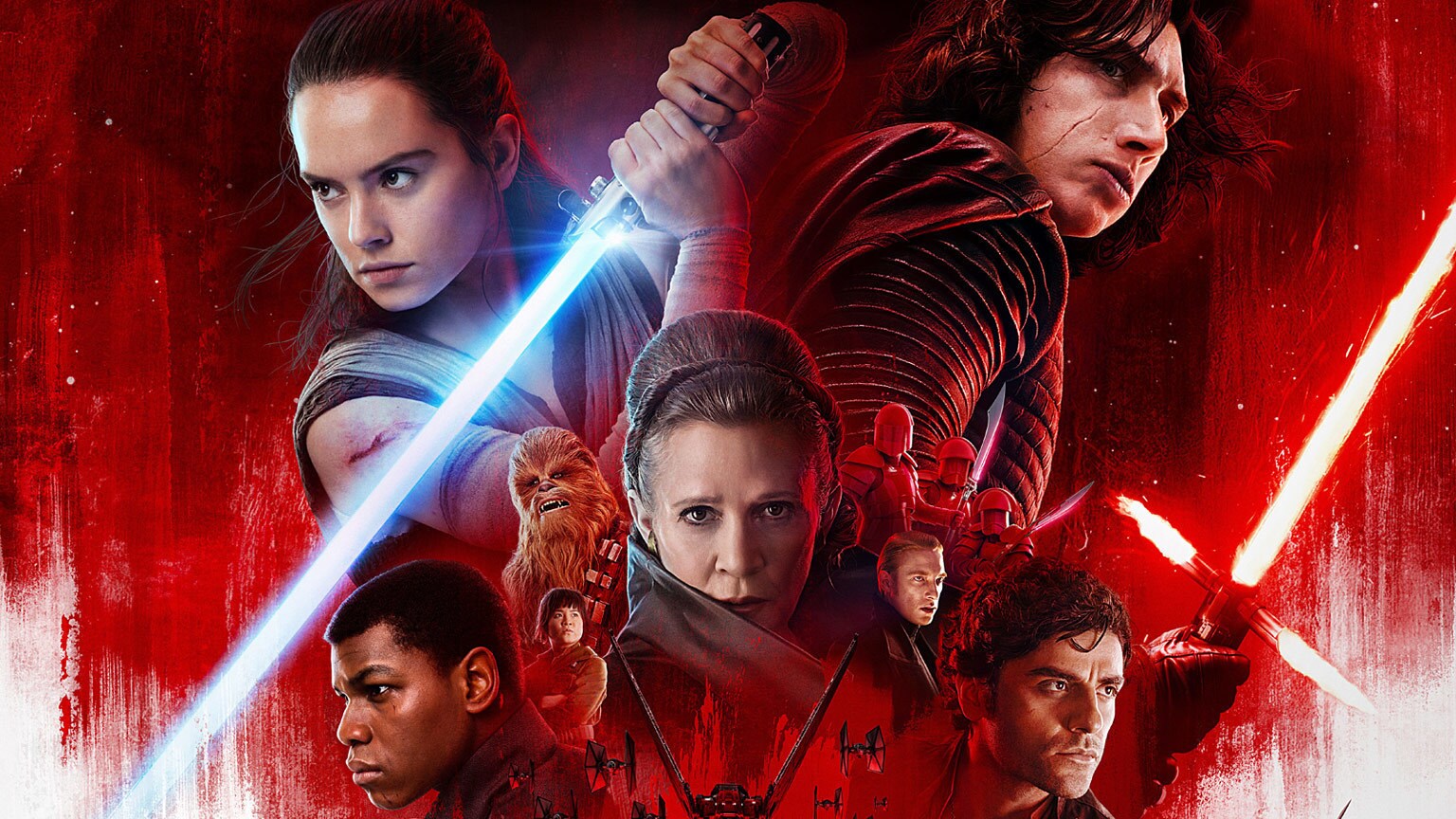
The New Republic’s deepest weakness is not simply that it lacks ships. It is that its political institutions are slow to recognize threats that do not fit the public story of peace. Officials may treat reports of Imperial activity as partisan exaggeration. Citizens may prefer economic recovery to another mobilization. Veterans may sound alarmist because they recognize patterns that others have not experienced.
Delayed recognition has unequal effects. People near former Imperial facilities, border systems, and Mandalorian conflict zones experience danger sooner than senators on secure worlds. Their warnings can be dismissed as local instability rather than evidence of a wider political project. By the time the center accepts the threat, communities have already been asked to endure it alone.
This is why the era connects directly to the rise of the First Order. The next authoritarian movement does not need to defeat a fully prepared democracy. It needs to exploit the distance between official reassurance and local experience. The New Republic’s history is therefore a study of reconstruction under conditions where peace is real but incomplete.
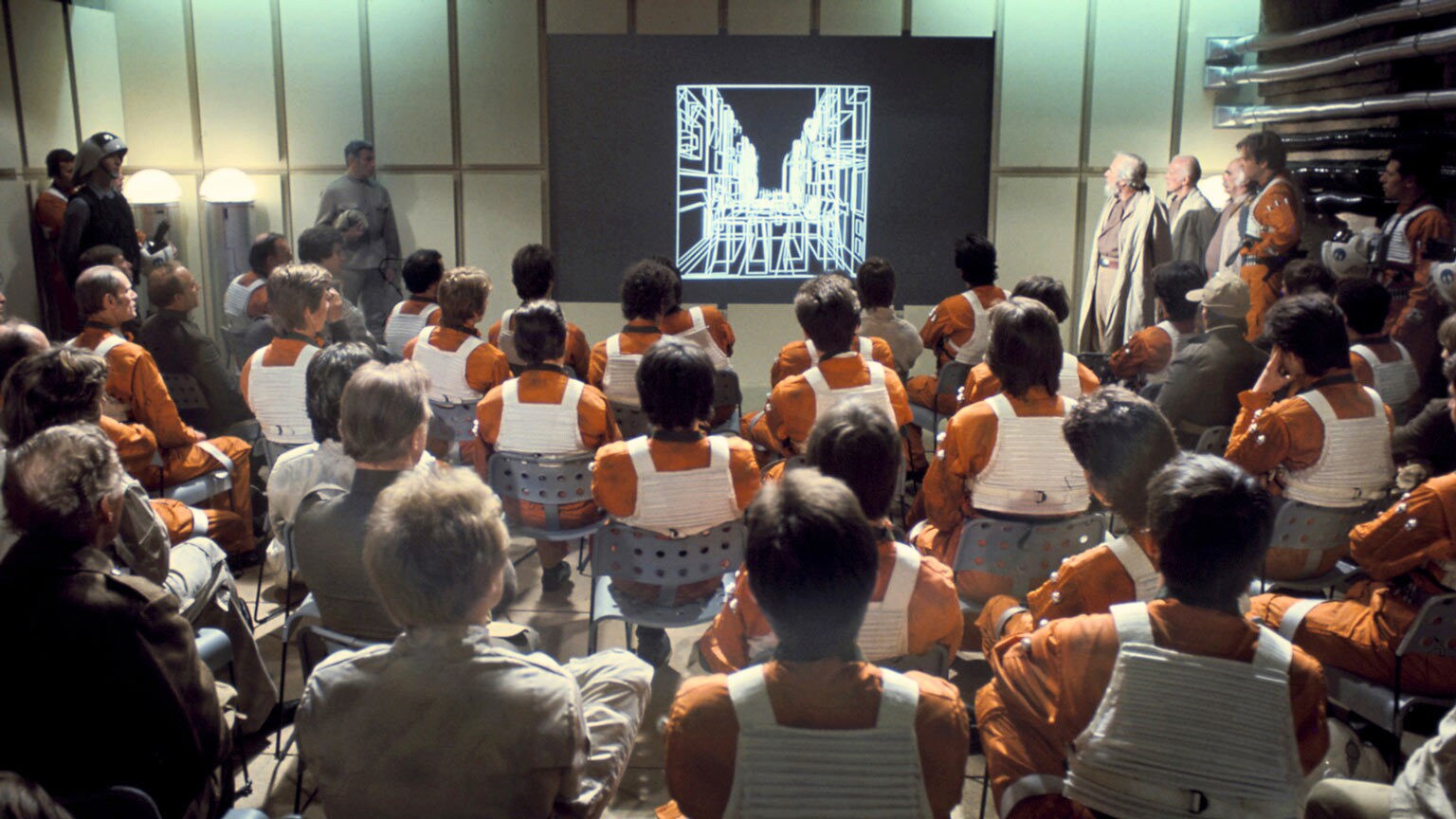
Government at the scale of the frontier
A republic that spans thousands of worlds cannot govern through personal attention from the capital. It needs local institutions with enough authority to act and enough accountability to remain connected to the public. The New Republic inherits a problem that the Alliance could postpone during wartime. A rebel commander could make an emergency decision. A government must explain who can make that decision, under what law, and how the public can challenge it.
Frontier government also depends on communication. A remote system may not need a permanent Senate office, but it needs a way to report threats, request aid, and receive reliable information. When communication fails, private security providers and local strongmen fill the gap. Those actors may be effective in the short term while weakening the public institutions that could provide more equal protection.
The New Republic’s democratic project will therefore be judged by ordinary administrative experiences. Can a family receive help after a battle? Can a former prisoner obtain identification? Can a local council negotiate with the central government without hiring a powerful intermediary? These questions are less dramatic than a fleet battle, but they determine whether citizens experience the new state as a real political relationship.
Reading and viewing path
Read Chuck Wendig’s Aftermath trilogy for the immediate post-Endor transition and Claudia Gray’s Bloodline for the Senate’s later crisis. Watch The Mandalorian, The Book of Boba Fett, Ahsoka, and Skeleton Crew together as stories about frontier governance, found family, and unresolved Imperial networks; add Resistance for the atmosphere before the First Order’s open attack. The official Mandalorian and Ahsoka pages provide the current screen anchors.
Sources and further reading
- Official Timeline: The Eras of Star Wars, StarWars.com
- The Mandalorian, StarWars.com
- Ahsoka, StarWars.com
- Star Wars Resistance, StarWars.com
- Rebel Alliance, StarWars.com Databank
Visual record
Images, objects, and echoes
Official artwork and reference imagery used as visual anchors. Captions distinguish direct period evidence from later depictions of memory and lineage.

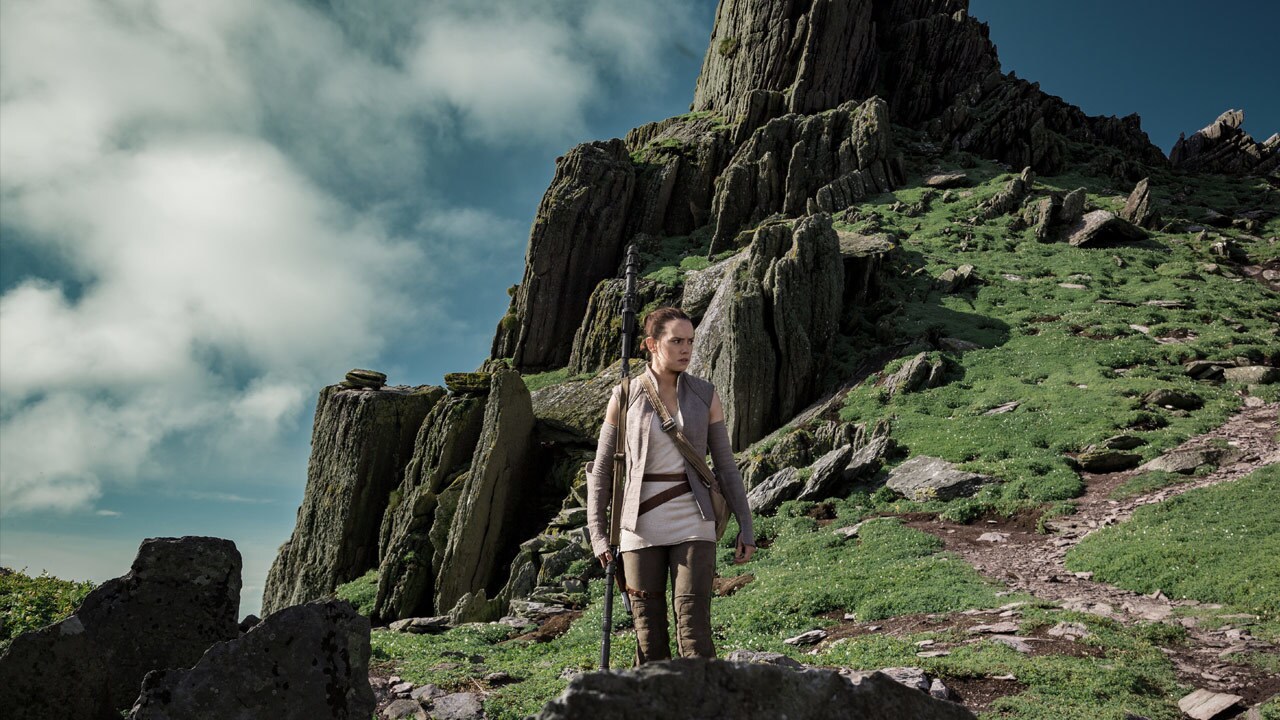
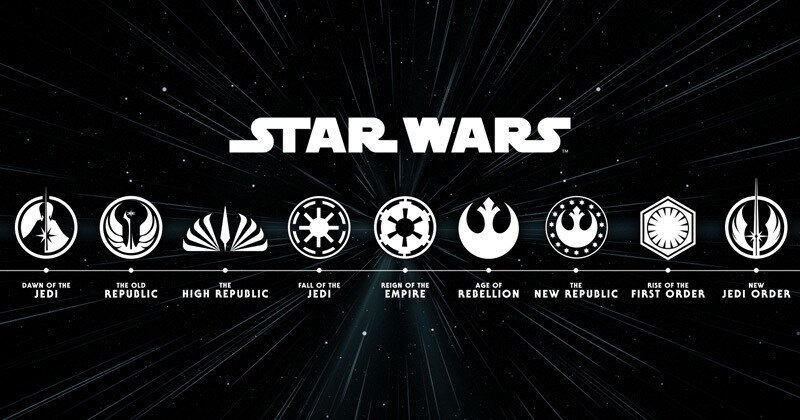
Image links open the official host or publisher page. This independent archive uses the images for commentary, identification, and research context.
Connected archive