The Jedi Order served the Galactic Republic for more than a thousand generations. Its members were trained to use the Force, resolve disputes, protect civilians, and defend a political system that was usually larger and more complicated than any one Jedi could understand. That long service gave the Order authority, but it also tied the Jedi to institutions that could be manipulated by people who understood politics better than they understood the Force.
The Jedi were not simply wandering mystics. They maintained a temple, a council, archives, training programs, diplomatic responsibilities, and a formal relationship with the Republic. Their success depended on discipline and shared knowledge. Their failures came when those structures encouraged obedience without enough independent judgment.
Peacekeepers inside a political system
The Jedi ideal was service. A Jedi was expected to protect life, resist personal ambition, and treat power as a responsibility rather than property. In practice, the Order often had to negotiate with senators, local rulers, military officers, and communities that did not agree about what peace required. A Jedi could arrive as a mediator one day and leave as an enforcer the next.
This tension explains why the Order’s relationship with the Republic is so important. The Jedi were respected because they could act beyond ordinary politics, but they were also vulnerable because the Republic’s leaders could ask them to define political decisions as security problems. The Order’s authority made it useful. That usefulness made it easier to place the Jedi inside a war.
When Jedi became generals
The Clone Wars pushed the Order into a role it had not been designed to occupy. Jedi became commanders, led clone armies, and made decisions that placed entire populations at risk. Some Jedi tried to protect their soldiers and civilians from the worst consequences of the war. Others accepted the military structure as necessary and became increasingly comfortable with the logic of victory.
The war changed how the Jedi were seen. To the Republic, they became generals. To the Separatists, they became symbols of the government they opposed. To the clones, they became commanders whose personal choices could determine who lived. The Order kept its language of peace while operating inside a conflict that made peace harder to imagine.
Order 66 and the end of an institution
Darth Sidious designed the Clone Wars so that the Jedi would be present everywhere the Republic needed military leadership. When he issued Order 66, clone forces across the galaxy were instructed to treat the Jedi as enemies. The purge worked because the Jedi were dispersed, politically isolated, and surrounded by soldiers who had been trained to follow the chain of command.
Anakin Skywalker’s fall gave Sidious a powerful symbol and an effective hunter. The new Empire used Vader and the Inquisitorius to pursue Jedi who escaped the initial attack. The Order’s destruction was not only a military defeat. It was an information victory. The Empire reframed the Jedi as traitors and made survival depend on silence.
Survival, memory, and rebuilding
Some survivors disappeared into ordinary life. Obi-Wan Kenobi watched over Luke Skywalker on Tatooine. Yoda hid on Dagobah. Ahsoka Tano operated outside the Order and later supported the rebellion. Kanan Jarrus and other survivors helped pass fragments of Jedi teaching to a new generation. Their different choices show that surviving the purge did not produce one agreed method of being a Jedi.
Luke’s attempt to rebuild the Order created another version of the same problem. He wanted to preserve the Jedi while also correcting their failures, but his temple remained vulnerable to fear, secrecy, and the weight of inherited expectations. His later decision to retreat to Ahch-To forced a new question: can the Jedi survive if they are treated as a fixed institution, or must each generation decide what the tradition is for?
Why the Jedi still matter
The Order remains one of the saga’s most useful subjects because its history refuses a simple answer. The Jedi are neither flawless saints nor a failed organization with nothing worth preserving. They represent a difficult attempt to turn moral principles into an institution that must act in a violent political world.
For collectors, Jedi cards work as historical markers. A High Republic portrait can suggest institutional confidence. A Clone Wars card can show the cost of military leadership. A survivor card can represent memory, exile, or reconstruction. The character and the era change the meaning of the same lightsaber or robe.
The Jedi Order across the eras
The Jedi Order is not a single unchanging institution. The High Republic stories show a confident, outward-facing order working along a frontier; The Acolyte examines an earlier period of confidence, secrecy, and competing Force traditions; the prequel films and The Clone Wars show the Order inside a military state; Rebels, Obi-Wan Kenobi, and the games follow survivors after the purge; and the sequel era asks whether the Jedi should be restored, transformed, or remembered differently. Books and comics add millennia of experiments with temples, codes, schisms, teachers, and relationships to local cultures.
That long history makes the Jedi an anthropological subject rather than merely a heroic team. The Order is a way of raising children, distributing knowledge, interpreting violence, and defining a good life. Its strengths come from continuity and discipline. Its weaknesses appear when continuity becomes a reason not to listen, when discipline becomes emotional silence, or when service becomes too closely tied to the Republic's political needs.
Training, kinship, and the making of a Jedi
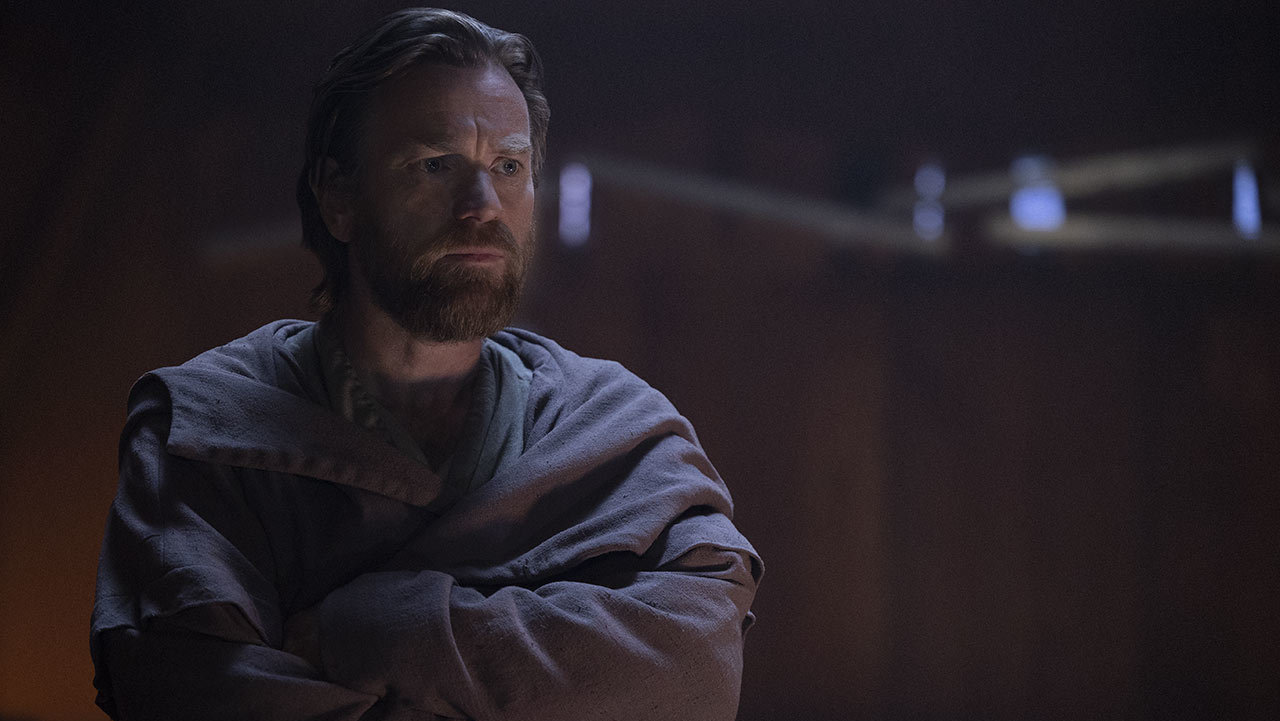
Jedi training begins with a social decision: a child is separated from a birth community and placed inside a trans-generational order. The arrangement is often described as selfless service, but it also creates an unusual form of kinship. Masters, Padawans, instructors, archivists, healers, and temple workers become a child's daily world. The Order's rituals give that world meaning, while the Code teaches how to handle attachment, fear, desire, and responsibility.
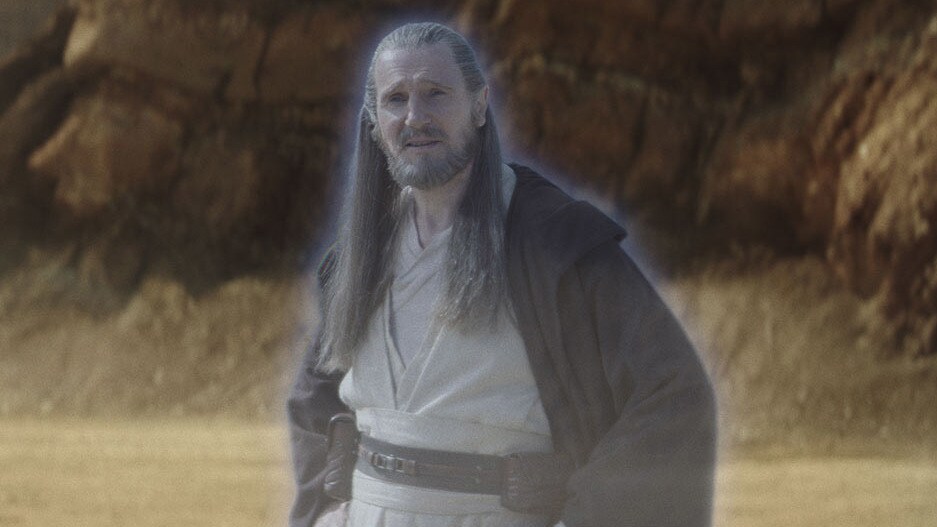
Different stories reveal the costs and possibilities of this system. Qui-Gon Jinn's relationship with Anakin challenges the Council's caution. Obi-Wan's mentorship of Anakin shows how love can coexist with institutional rules and still become difficult to name. Ahsoka's experience exposes the danger of asking a young person to carry the public consequences of adult decisions. Grogu, Rey, and Luke later demonstrate that the Jedi question remains open when training occurs outside the old temple.
The Order's ban on ordinary family structures is not simply a rule about romance. It is a method of preventing private allegiance from competing with institutional duty. That method can produce focus, but it can also leave members with little language for grief and vulnerability. The stories repeatedly return to the same anthropological question: what happens when an institution asks people to transcend ordinary attachments but still expects them to form deep bonds in practice?
Temples, archives, and material culture
Jedi identity is carried by objects and spaces. The temple, council chamber, archive, healing room, meditation garden, training remote, lightsaber, robe, and holocron all teach members how to inhabit the Order. Architecture separates quiet study from public ceremony and practical training from the political work of the Council. Archives make the past available, but they also establish which accounts deserve to be preserved.
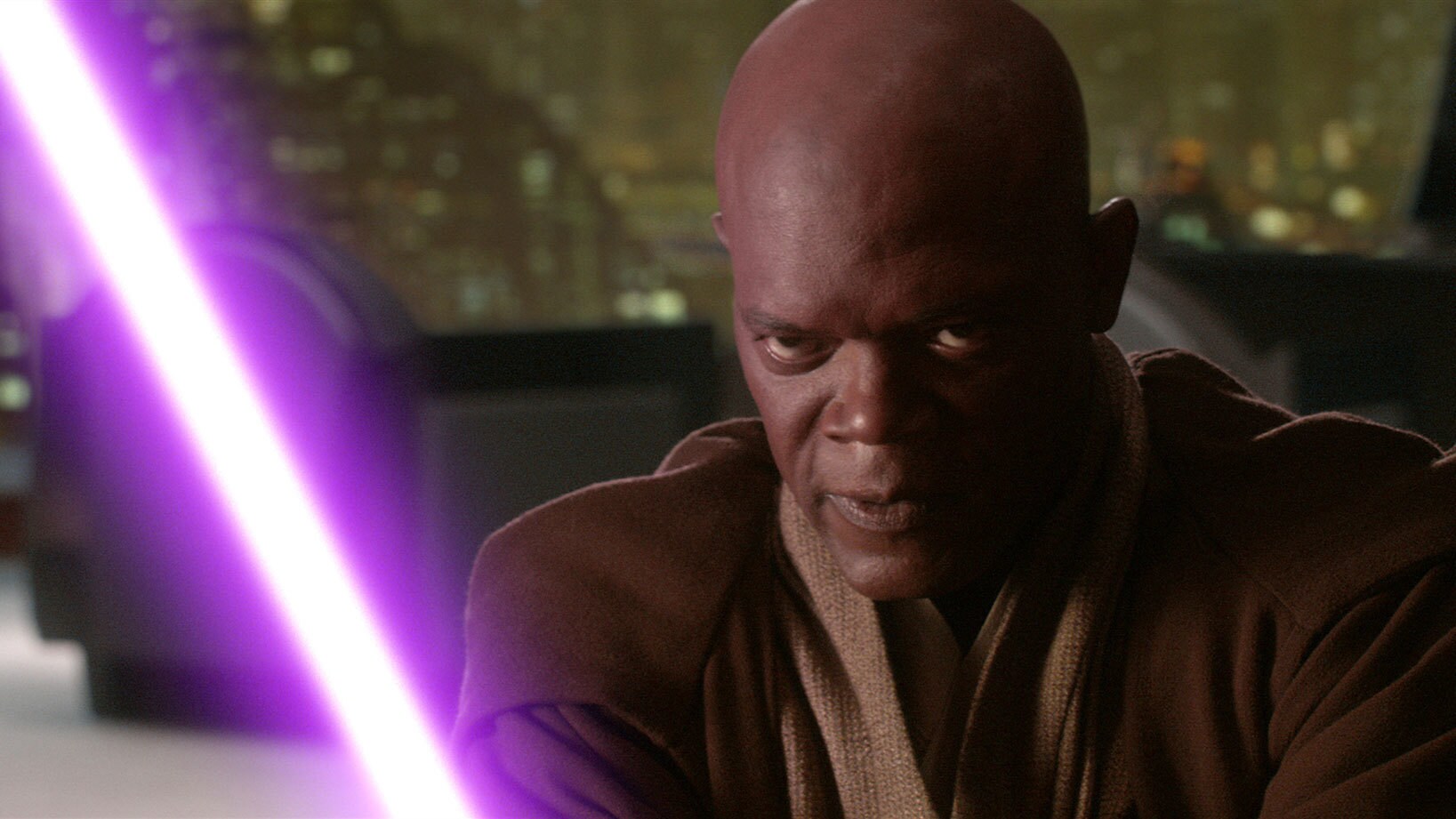
The lightsaber is especially dense with meaning. It is assembled through skill, patience, and a relationship with a kyber crystal. It marks a person as a Jedi, but it also records a lineage of teaching and material practice. When a lightsaber is lost, stolen, corrupted, or passed to a new bearer, the social meaning of the object changes. The weapon can become a relic, a challenge, a false claim to authority, or a promise that the Order's work continues.
Holocrons and archives create a similar tension. They preserve knowledge across generations, yet they can become guarded gates. A learner who cannot access the archive may need a mentor, a community, or a different tradition to recover what the institution has hidden. The Jedi's material culture therefore shows both preservation and exclusion. It protects memory, but it does not make memory neutral.
The Jedi and the Republic
For much of the prequel era, the Jedi act as peacekeepers for the Galactic Republic. That partnership gives the Order legitimacy and resources, but it also narrows its political imagination. Jedi are called when negotiations fail, when a border is threatened, or when a crisis requires unusual abilities. Over time, the Republic comes to treat them as an emergency service. The Order's spiritual mission becomes entangled with the state's definition of security.
The Clone Wars make that entanglement impossible to ignore. Jedi become generals, issue military commands, and measure success by campaign outcomes. They can still protect civilians and resist cruelty, but the institution's public identity shifts. Citizens who once saw Jedi as mediators may now see them as the officers of a war machine. Palpatine's strategy works partly because the Order has been placed where a frightened republic can blame it for the war's moral contradictions.
The Council's failure is therefore institutional as well as personal. It misses the Sith because it is looking for an enemy that fits older categories. It trusts the Republic's legal language after that language has been reorganized around emergency power. The fall is tragic without being inexplicable. Institutions can be sincere and still reproduce the conditions that make them vulnerable.

Survival, renewal, and the problem of inheritance
After Order 66, the Jedi become a dispersed tradition. Obi-Wan and Yoda preserve fragments in hiding; Ahsoka builds a life outside formal membership; Kanan teaches Ezra while improvising around trauma; Cal Kestis protects knowledge from the Empire; and Luke tries to rebuild an order without fully understanding what destroyed the first one. Rey inherits the name after confronting the fear attached to it.
These stories resist the idea that renewal means recreating the old institution exactly. A future Jedi tradition would have to decide how to relate to family, local communities, political authority, and the archive of past failure. The Order's best values, such as compassion, study, restraint, and protection, are portable. Its hierarchy and habits are not automatically sacred.
For collectors, Jedi material culture provides one of the galaxy's richest historical records. A lightsaber can mark apprenticeship, a robe can mark an era, and a temple image can reveal how the Order wanted to see itself. Read together, those objects show a tradition trying to balance continuity with change. The Jedi survive not because they remain untouched, but because people keep arguing about what the name should require.

Sources and further reading
- Jedi Order, StarWars.com Databank
- The Eras of Star Wars, StarWars.com
- What Is Star Wars: The High Republic?, StarWars.com
- Ahsoka Tano, StarWars.com Databank
- Jedi Order, StarWars.com Databank
- The Phantom Menace, StarWars.com
- The Acolyte, StarWars.com
- Jedi: Fallen Order, StarWars.com
Connected archive