The High Republic sits roughly 150 to 300 years before the rise of Anakin Skywalker. It is not a perfect past. It is a period in which the Republic and Jedi appear confident enough to expand, explore, and build new institutions, while the Outer Rim still contains worlds that do not share the Core’s assumptions about safety and order.
That balance gives the era its identity. The High Republic is often described as a golden age, but the phrase works only if the reader also notices who is outside the glow. The Republic’s optimism creates real achievements. It also creates blind spots that opponents can exploit.
A Republic reaching outward
High Republic stories focus on expansion into the Outer Rim, where new hyperspace routes connect worlds that have been separated by distance and danger. The Republic presents this work as a public project. It wants trade, diplomacy, education, and protection to reach beyond the Core.
The Jedi support that mission as peacekeepers and explorers. They work with local communities, negotiate disputes, and investigate threats that do not fit the categories used by Republic administrators. The era therefore shows the Jedi before the Clone Wars turn them into a formal military leadership class.
Starlight Beacon as an idea
Starlight Beacon is a station and a political symbol. It represents the Republic’s claim that the frontier should be connected to the same network of help and communication as the Core. The station’s location and mission give the High Republic a visible center, but they also make it a target for anyone who wants to turn the Republic’s promise into evidence of its weakness.
The station matters because it combines infrastructure with hope. When the Republic builds a beacon, it is saying that distance can be managed and that institutions can arrive before a crisis becomes a war. When the beacon falls, the event damages more than a structure. It changes what people believe the Republic can protect.
The Great Disaster and the limits of confidence
The Great Disaster forces the Republic to confront a crisis that does not behave like a conventional invasion. Hyperspace becomes dangerous, rescue work becomes a galaxy-wide effort, and the Jedi must respond to a threat that cannot be defeated simply by capturing a commander.
The response shows the era at its best. Jedi and civilian crews coordinate across distance, take risks for strangers, and treat rescue as a form of public service. The crisis also shows the danger of assuming that technology and institutions are automatically neutral. A connected galaxy creates new ways for disaster to spread.
The Nihil and the fear of the unknown
The Nihil are not a conventional rival government. They are organized around mobility, intimidation, and the exploitation of routes that the Republic believes it understands. Their attacks expose the gap between the Republic’s map and the lived reality of the frontier.
Marchion Ro’s leadership turns the Nihil into a long-term threat to both the Republic and the Jedi. The group’s violence is effective because it attacks confidence. If citizens no longer believe that the Republic can keep travel safe, then the Republic loses authority even before it loses a battle.
Why the era changes the timeline
The High Republic gives Star Wars a period in which the Jedi are neither hidden survivors nor generals in a collapsing Republic. It creates room for different forms of Jedi identity: explorers, investigators, negotiators, teachers, and protectors. It also shows the Republic becoming more connected without becoming uniformly understood.
For collectors, High Republic cards are useful because they expand the visual language of the Jedi. A card can represent Starlight Beacon, a new Jedi hero, a frontier community, or a Nihil threat. The era’s appeal comes from the sense that the galaxy is still being assembled, and every new connection creates both opportunity and risk.
The High Republic across novels, comics, and screen stories
The High Republic is a publishing era as much as a historical period. Its novels, young adult stories, middle-grade books, comics, audio dramas, and reference materials build a distributed archive in which no single hero sees the whole crisis. The opening phases explore the Republic's expansion, the disaster of the Great Hyperspace Disaster, the rise of the Nihil, the fall of Starlight Beacon, and the long consequences of the Nameless threat. The Acolyte brings the late High Republic to live action, while Young Jedi Adventures offers a younger view of Jedi training and frontier life.
This structure changes how the era feels. Instead of a completed myth about a fallen order, the High Republic presents institutions while they still believe their own public story. The Jedi are admired, the Republic is ambitious, and hyperspace technology promises connection. The drama comes from discovering what that optimism cannot see: communities that do not want central oversight, corporations that profit from expansion, and enemies who understand the frontier better than the institutions mapping it.
Expansion, infrastructure, and the frontier
The Republic's frontier is not empty space waiting to be organized. It is a patchwork of local governments, trade routes, belief systems, ecological zones, and old grievances. The Starlight Beacon and the network of hyperspace lanes are therefore political projects. They promise aid and communication, but they also make the Republic more present in communities that have their own ideas of sovereignty.
The Great Hyperspace Disaster reveals the vulnerability hidden inside that promise. When the Legacy Run breaks apart in hyperspace, the disaster becomes a crisis of coordination as much as a technical catastrophe. Debris appears in multiple places; rescue requires unprecedented cooperation; and the Jedi have to translate their spiritual discipline into emergency logistics. The event shows that connectivity creates obligations. A state that claims to bind the galaxy together also becomes responsible for the consequences of failure along those connections.
Starlight Beacon symbolizes the same double meaning. It is a rescue station, cultural landmark, and instrument of soft power. Its corridors bring together species and professions that might never share a local institution. At the same time, the beacon's presence can make the Republic seem benevolent while larger expansion quietly changes the balance of power. Infrastructure is never just infrastructure when it decides who can move, who can be reached, and whose emergencies count.
The Jedi as a living institution
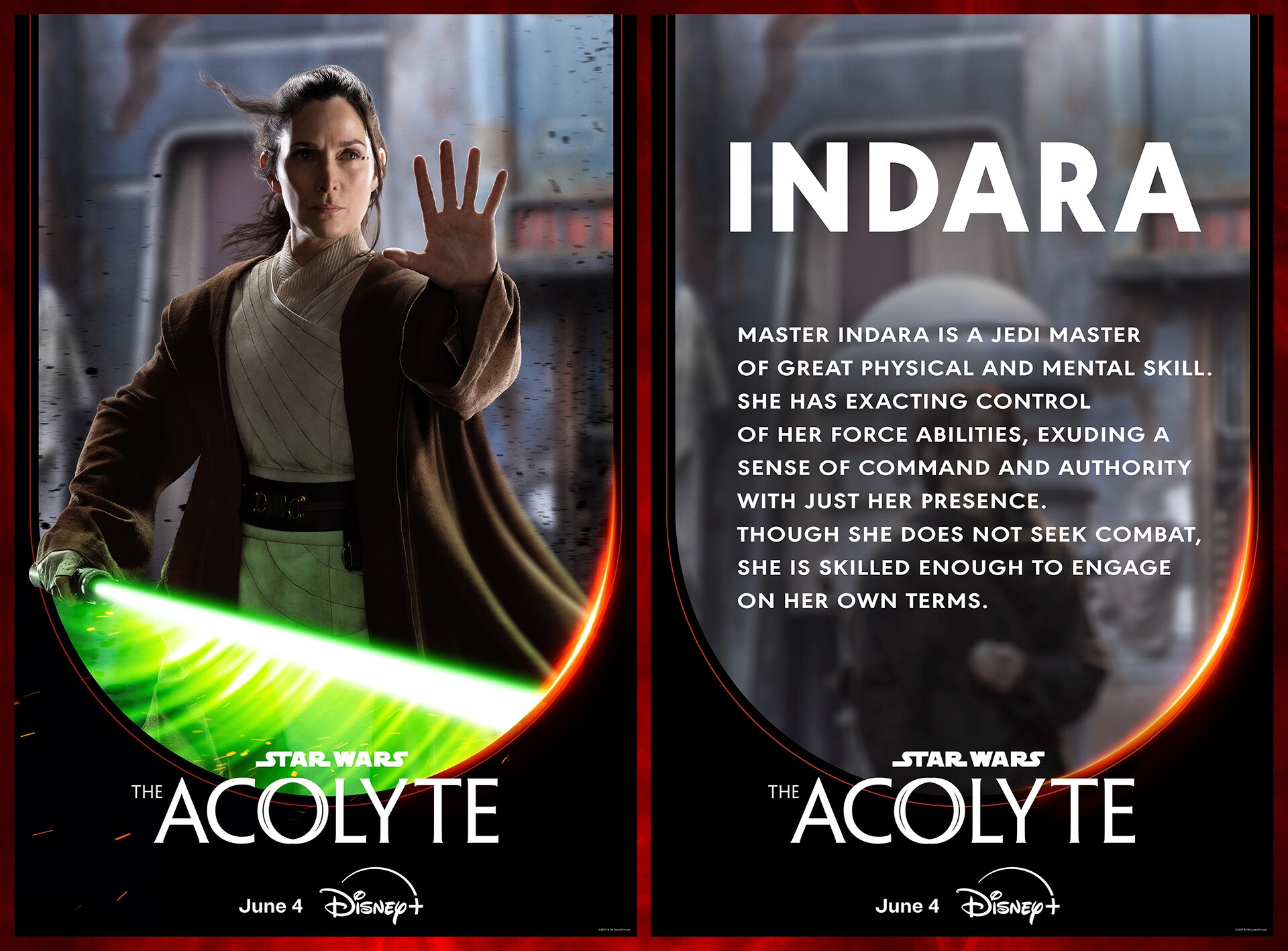
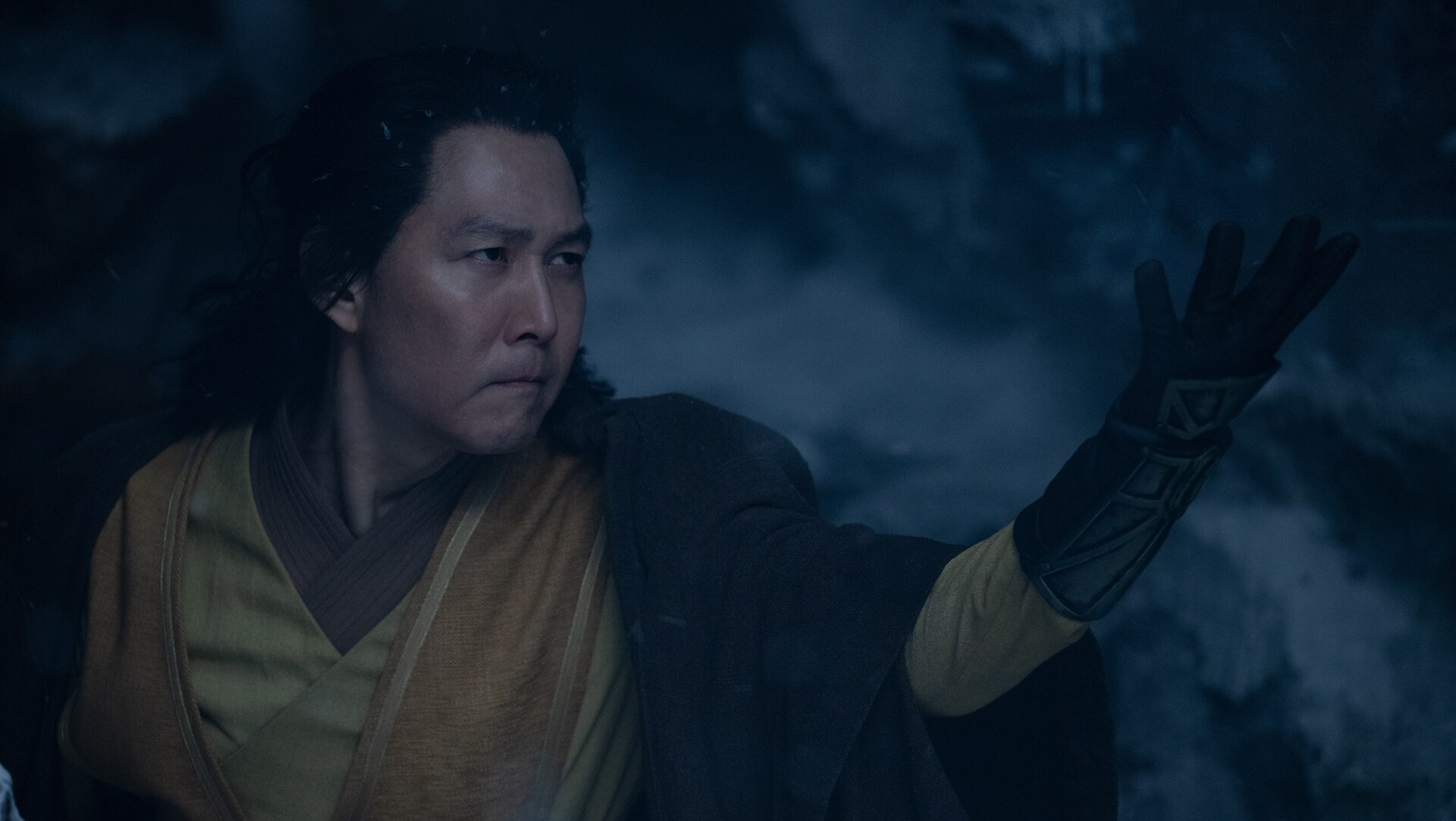
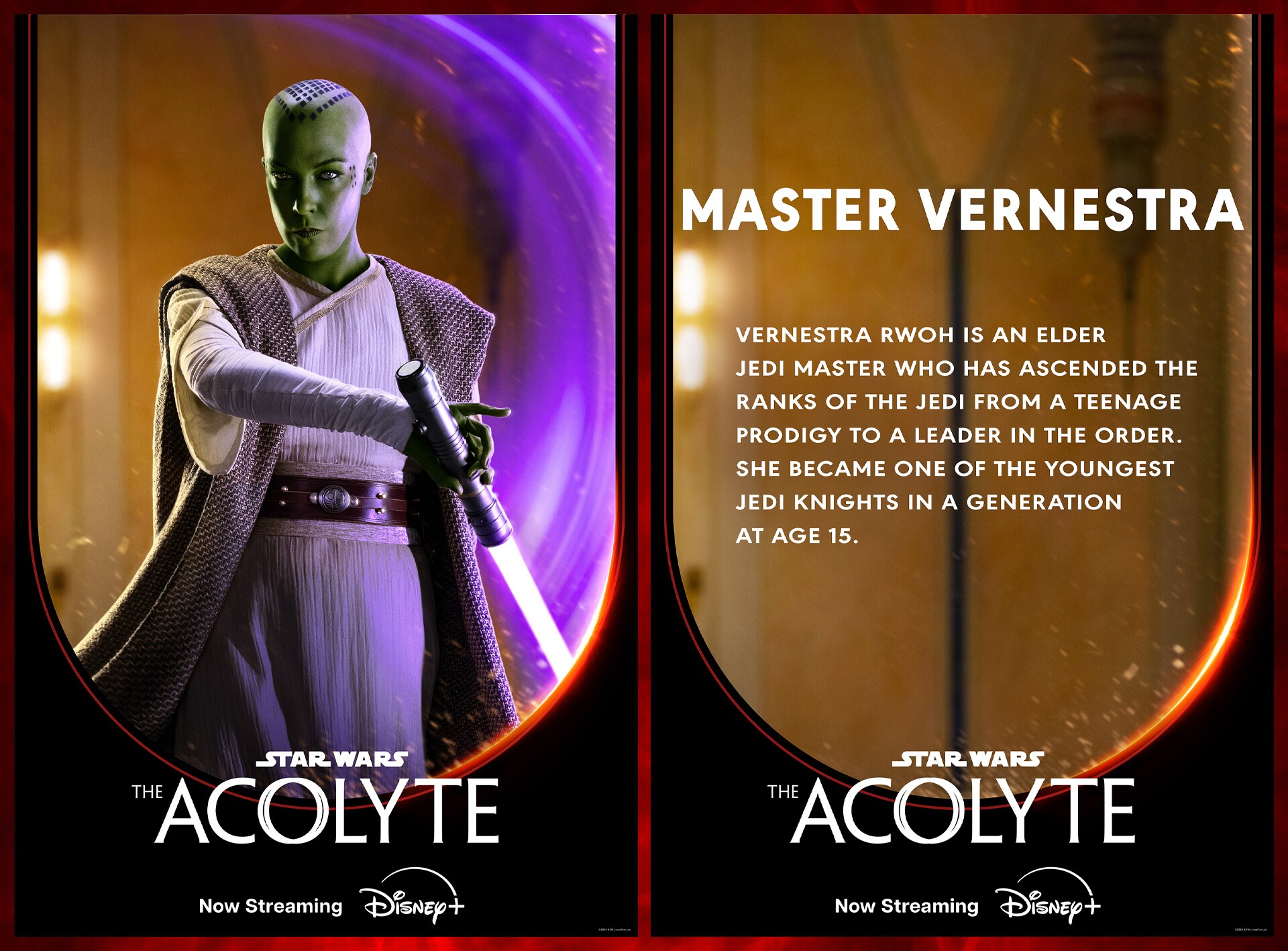
High Republic Jedi are not a single type of person. Avar Kriss, Elzar Mann, Keeve Trennis, Vernestra Rwoh, Burryaga, Indara, Sol, and their colleagues show different relationships to authority, emotion, scholarship, and risk. Some are comfortable as public representatives of the Republic; others are more attentive to local voices or to the limits of official knowledge. The Order's diversity matters because it prevents the era from becoming a simple golden-age fantasy.
Jedi training also appears as social reproduction. A Padawan learns lightsaber technique, but also learns how to read a room, how to accept a mission, how to name fear, and how to embody calm for people watching from the outside. The Order's robes, temples, archives, and rituals create continuity across generations. They also create pressure to behave like the ideal Jedi even when a situation demands improvisation.
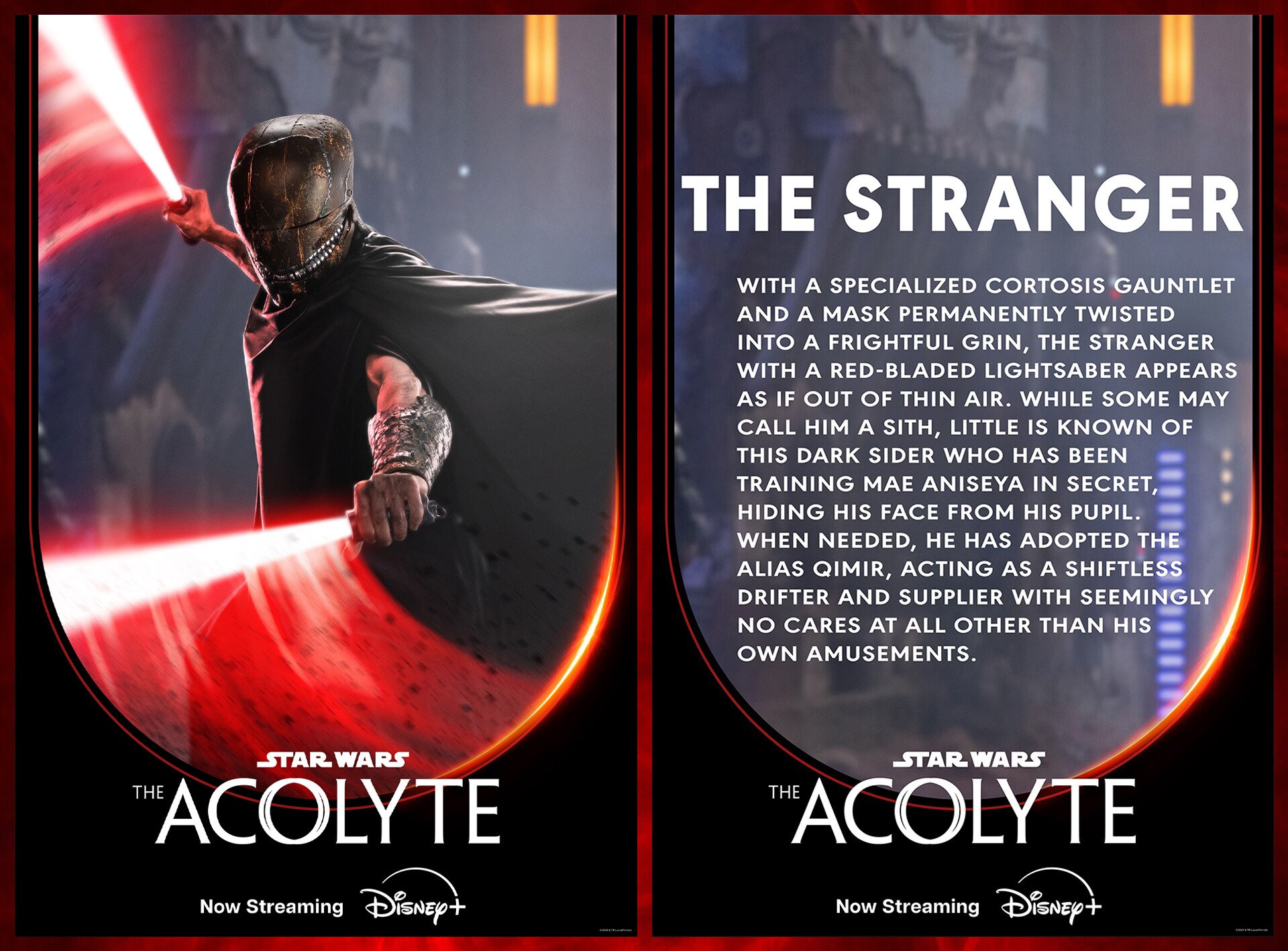
The Acolyte sharpens this question by looking at memory, secrecy, and competing accounts of a past event. The conflict is not only between Jedi and a hidden Sith. It is about how institutions protect their legitimacy by selecting what can be spoken, who can testify, and which losses are treated as necessary. The High Republic's optimism becomes most interesting when it has to decide whether truth is a threat or a form of repair.
The Nihil and the social power of unpredictability
The Nihil are frightening because they turn mobility into a weapon. Their Storms do not seek to govern every world in the manner of the Republic. They exploit corridors, fear, surprise, and the uneven distribution of information. Their leaders understand that a frontier network built for trade can also move raids, rumors, and refugees. The Republic's maps are useful to the Nihil precisely because maps reveal where the state expects the galaxy to be predictable.
The group is not simply an anarchist caricature. It contains leaders, recruits, forced laborers, opportunists, and people drawn by resentment toward Republic expansion. Marchion Ro's authority depends on charisma, inherited technology, controlled revelation, and the promise that established institutions can be made to look helpless. His use of the Nameless threat shows how political power can be amplified by a sacred or biological terror that ordinary categories cannot contain.
In social terms, the Nihil create belonging through shared risk. Their language, insignia, weapons, and storm imagery transform criminality into identity. For communities attacked by them, however, the same symbols mark a loss of safety and a collapse of trusted routes. The conflict is therefore also a struggle over who gets to define freedom: the freedom to move without oversight, or the freedom to live without being made vulnerable by someone else's mobility.
After the golden age
The High Republic's historical importance lies in its unfinishedness. It shows that institutions do not fall only because they are evil or incompetent. They can be generous, courageous, and genuinely useful while still accumulating blind spots. Every successful rescue can strengthen the belief that the same methods will work next time. Every new corridor can create new dependencies. Every heroic Jedi can make the Order's public ideal harder to question.
Later eras inherit these contradictions. The Jedi of the prequel period are not strangers to the High Republic; they are its descendants, living among the monuments, procedures, and assumptions it leaves behind. The Acolyte's revelations therefore matter beyond its own characters. They show how an institution's treatment of a traumatic event becomes part of its culture, and how suppressed uncertainty can return generations later as political crisis.
For collectors, the era offers a rare visual record of a society that believes in its future. Beacon architecture, new robes, frontier vessels, Nihil masks, and varied Jedi lightsabers make material culture visible. The cards and images can be read as a catalog of optimism under construction, not merely as portraits of heroes.
Sources and further reading
- What Is Star Wars: The High Republic?, StarWars.com
- The High Republic Chronological Reader’s Guide, StarWars.com
- Inside Star Wars: The High Republic, StarWars.com
- The Eras of Star Wars, StarWars.com
- The High Republic, StarWars.com
- The Acolyte, StarWars.com
- Young Jedi Adventures, StarWars.com
- The High Republic: Phase II, StarWars.com
Connected archive