Jedi Master Indara is the first major Jedi killed in The Acolyte, and her death establishes the series’ central question about authority. She is trained to protect civilians, evaluate threats, and resolve conflict before it becomes open violence. Her connection to Brendok also places her among the Jedi who know that the Order’s public history is incomplete.
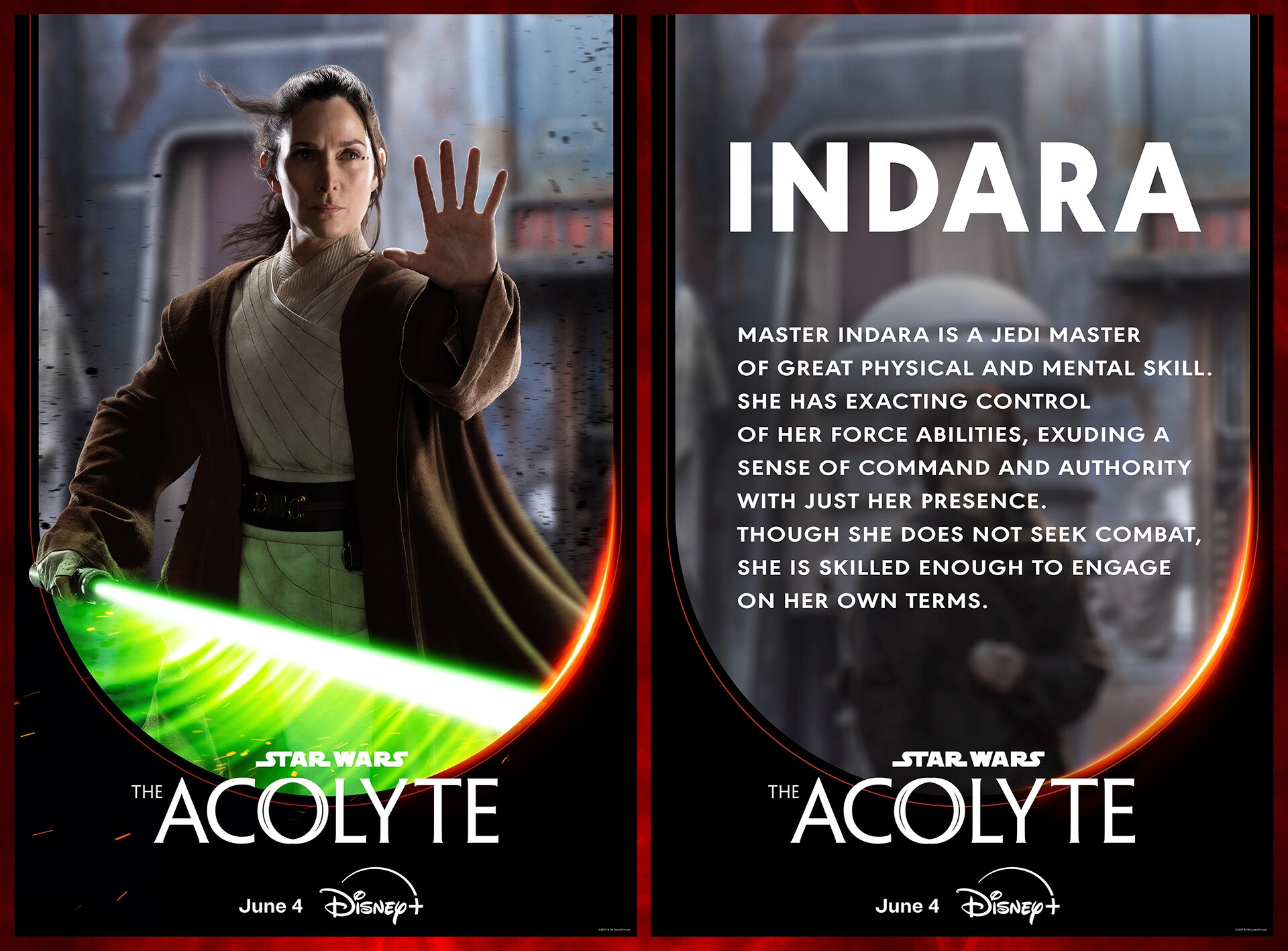
Authority through mediation
Indara’s authority is visible before she uses a weapon. She assesses a confrontation, reads the social situation, and understands that a public display of force can create more danger. These practices make her a mediator as well as a combatant.
Mediation is labor. It requires knowledge of local expectations, an ability to distinguish insult from threat, and a willingness to accept that the strongest response is not always the most legitimate one. Indara’s role makes those skills part of the Jedi institution’s practical culture.
The Brendok record and institutional memory
Indara’s presence on Brendok connects her to a shared history that the Jedi later keep from the public. She knows that the deaths of the witches and the separation of the twins cannot be treated as a simple success for the Order.
The decision to preserve silence illustrates how institutions manage internal memory. A group can remember an event among its members while preventing the people most affected by it from receiving the same account. Indara’s knowledge therefore carries responsibility as well as information.
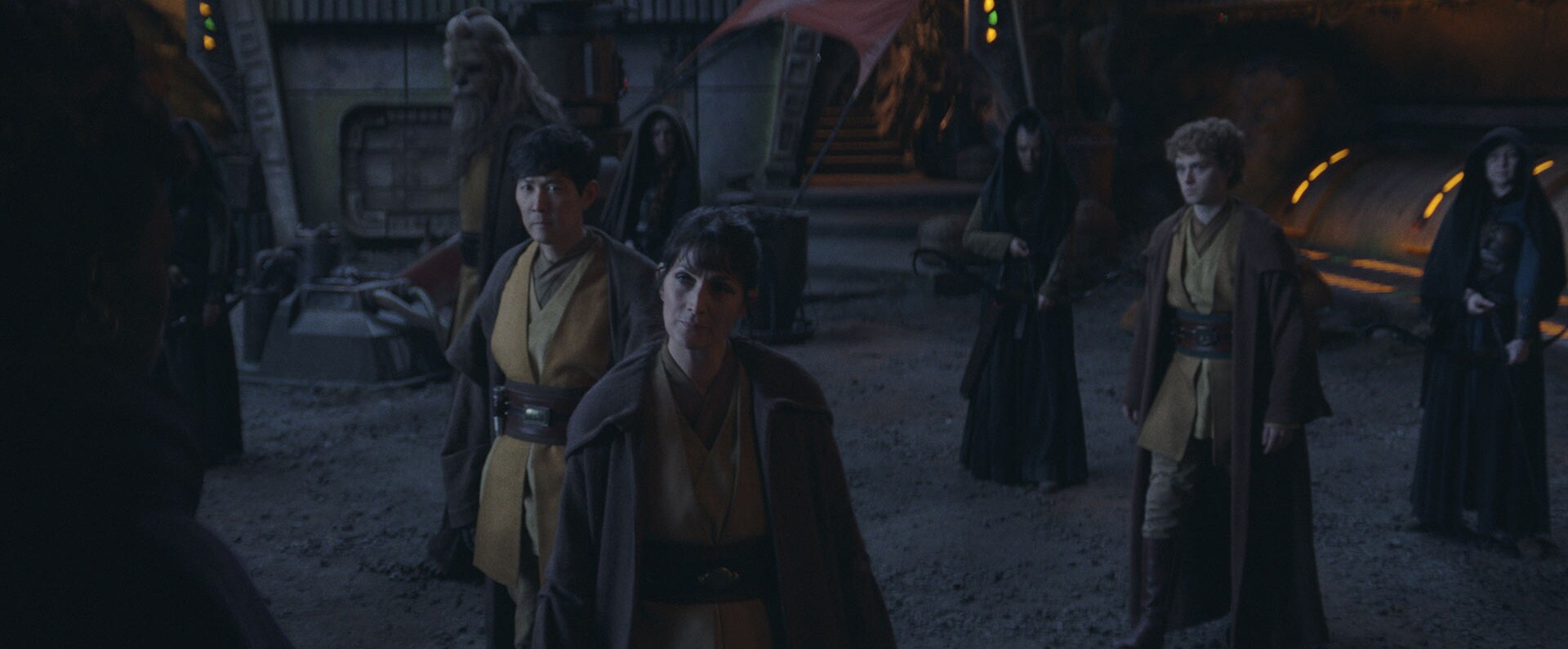
Combat, evidence, and the public body
When Mae attacks Indara, the encounter is both physical and symbolic. Mae’s action targets a person who represents the Jedi’s authority to define what happened. Indara’s training allows her to respond with control, but the attack still turns the body of a Jedi Master into public evidence of institutional vulnerability.
Her death creates a new political problem. The Order must investigate without admitting how much it already knows. The murder therefore produces an official narrative and an unofficial memory at the same time.
Leadership and the limits of repair
Indara’s relationship with Sol and the other Jedi shows how a team can be held together by shared obligations even when its members interpret the past differently. She recognizes that the mission requires discipline, but she also understands that personal attachment can distort judgment.
The series leaves open whether Indara believed secrecy could protect the Order or simply accepted a decision made by others. That uncertainty is important because institutions often distribute responsibility across a group, making it difficult to identify who had the power to repair harm.
Anthropological assessment
Indara represents the social labor of maintaining peace inside an unequal political system. She possesses genuine skill and ethical concern, but those qualities operate within a structure that withholds information from the people harmed by Jedi intervention.
Her death begins the collapse of that arrangement. Once the violence becomes visible, the Jedi can no longer rely on reputation alone. They must confront the fact that public legitimacy depends on histories that have been kept private.
Sources and status
This is a canon character file based on the first season of The Acolyte. It includes spoilers and separates confirmed story events from anthropological interpretation.
- StarWars.com, The Acolyte series guide
- StarWars.com, The Acolyte Character Posters
- StarWars.com, The Acolyte Stills Gallery
Public authority and hidden history
Indara represents the polished public face of Jedi authority: disciplined, measured, and capable of controlling violence. Her connection to Brendok complicates that image because the Order’s public legitimacy rests partly on events that remain concealed.
The gap between those layers is central to The Acolyte. An institution can appear calm and lawful while carrying unresolved history beneath the surface.
Negotiation before combat
Indara’s confrontation with Mae shows how Jedi training prioritizes reading situations as well as winning fights. Protecting bystanders and limiting escalation are part of the task.
Her death occurs when those priorities are exploited. That makes the scene about the vulnerability of an ethical rule set when an opponent understands how it works.
Connected archive