Master Sol leads the investigation into the killings that open The Acolyte. He is presented as patient, perceptive, and deeply committed to the Jedi ideal of protecting life. The series gradually reveals that his authority is tied to a hidden history on Brendok, where his desire to protect Osha and Mae became inseparable from decisions that the Jedi Order could not publicly defend.
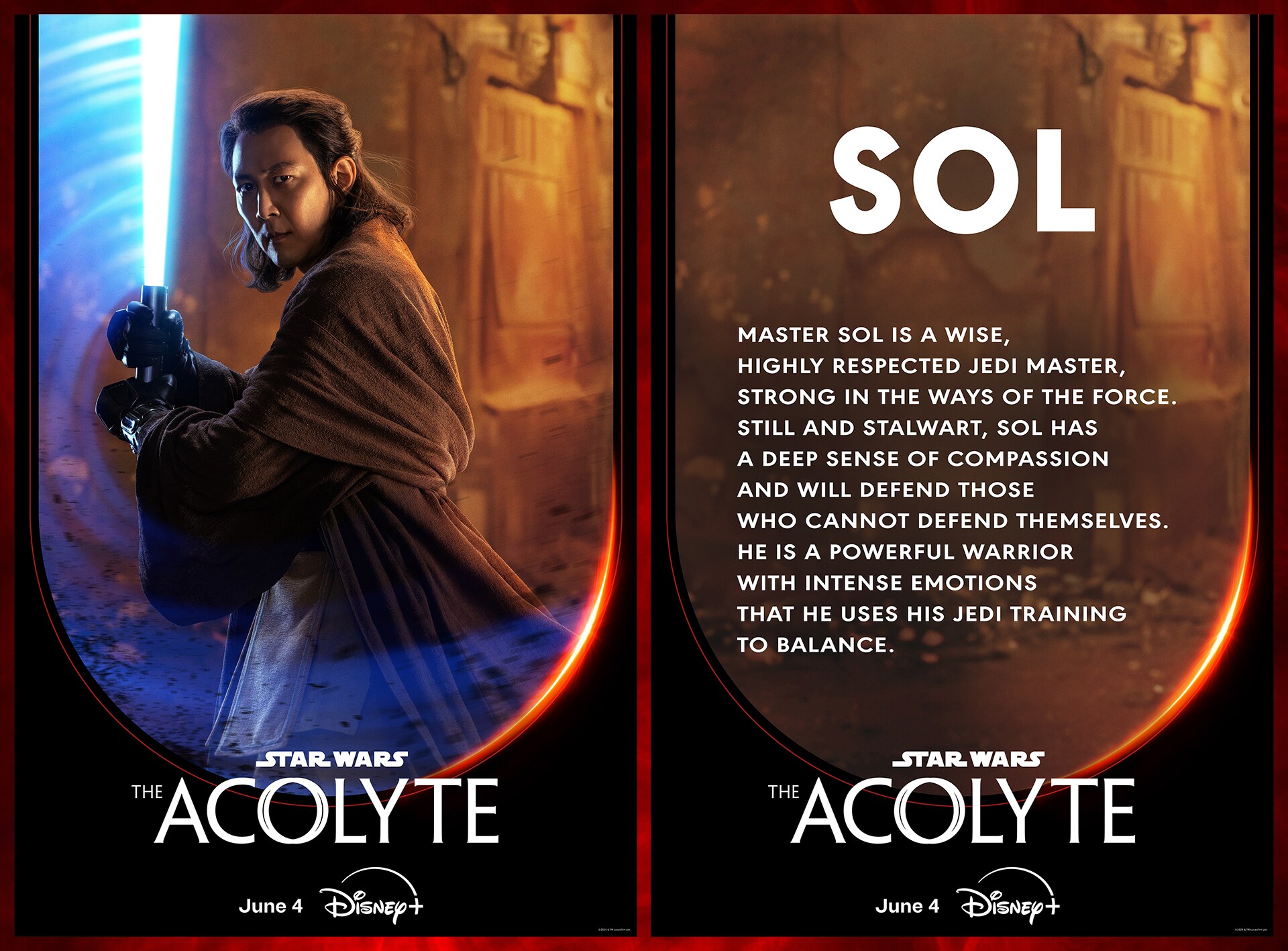
The Jedi leader as caretaker
Sol’s public role combines spiritual teaching, investigation, and command. He is expected to guide younger Jedi while also making decisions that affect civilians, suspects, and the reputation of the Order. His calm manner creates trust because it suggests that power can be exercised without cruelty.
That trust becomes complicated when Sol’s care for Osha is revealed as a central motive. He sees the twins as children who require protection, but he also interprets their lives through Jedi categories. His protective stance therefore contains both compassion and authority.
Brendok and the ethics of intervention
The Jedi arrive on Brendok believing that they are investigating a Force vergence and assessing the coven’s children. The mission illustrates a recurring problem in galactic institutions: the people with the resources to investigate often believe that their knowledge gives them a right to intervene.
Sol’s actions during the confrontation with the coven become the origin of the later crisis. The event is not a simple battle between good and evil. It is a collision among a family protecting its autonomy, Jedi attempting to classify Force practices, and a leader whose personal interpretation becomes more important than collective consent.
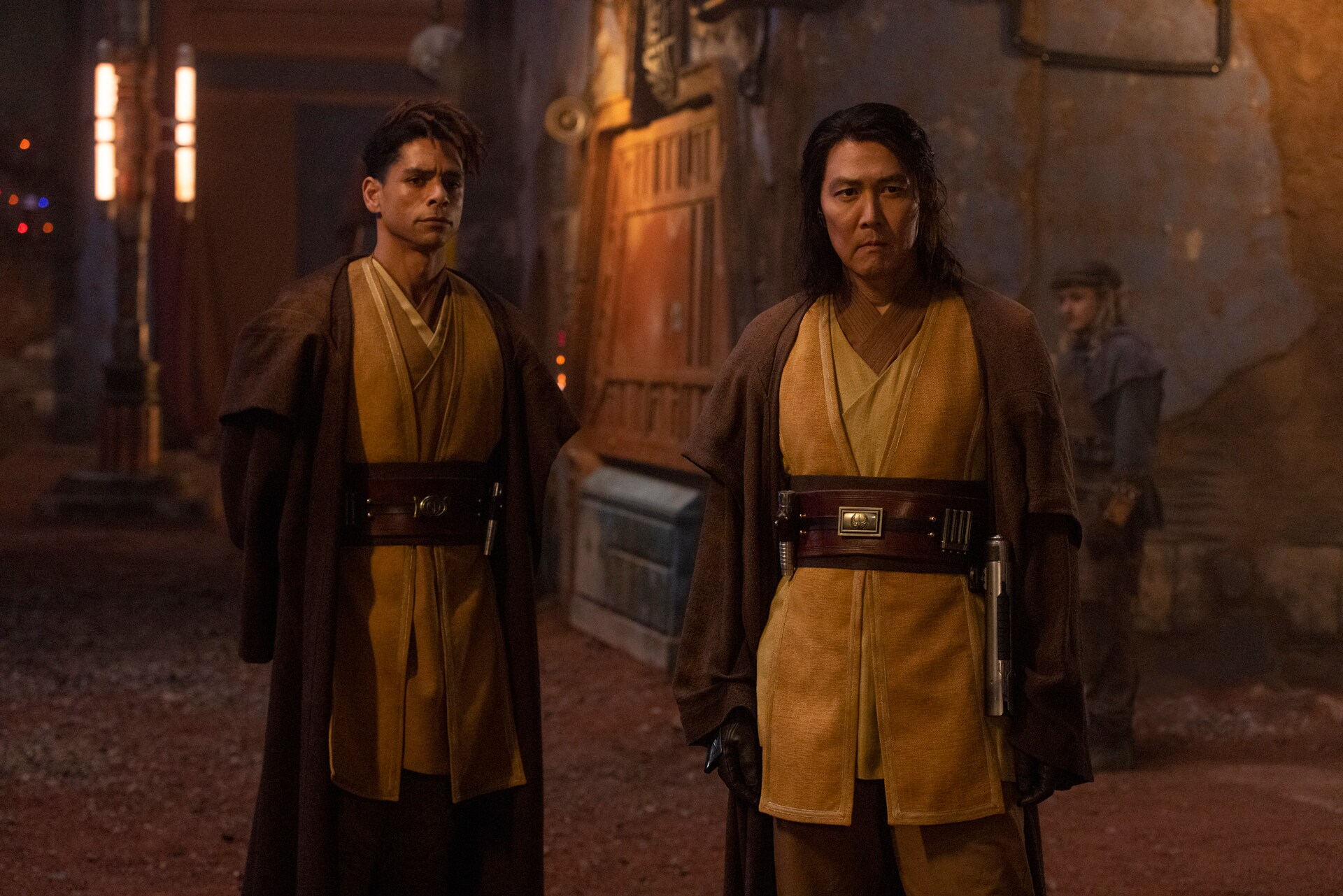
Secrecy, evidence, and institutional reputation
After Brendok, Sol and the other Jedi preserve an incomplete account. The secrecy protects the Order from political consequences, but it also transfers the cost of the event to the surviving children. Osha grows up without the information needed to understand her own life, while Mae grows up inside a story shaped by grief and absence.
The later investigation repeats the same structure. Sol wants to solve the murders, but the truth threatens the institution he serves. His position shows how official investigations can become defensive when evidence is treated as a threat to legitimacy rather than as a basis for repair.
Teaching, attachment, and the limits of paternal authority
Sol’s relationship with Jecki reflects the ordinary work of apprenticeship. He teaches her to read danger, protect others, and act with discipline. His relationship with Osha is more unstable because it is shaped by the desire to become the person who knows what is best for her.
The series makes that paternal form of authority visible. Sol’s care is real, but care does not remove the possibility of coercion. When a teacher controls knowledge about a student’s origins, protection can become a method of dependence.
Anthropological assessment
Sol represents the institutional problem at the center of The Acolyte. A group can define itself as protective while producing the conditions for secrecy, fear, and later rebellion. His tragedy comes from the gap between the Jedi ideal he believes he serves and the social consequences of his actions.
His death does not resolve the history of Brendok. It moves that history into the hands of Osha, Mae, Vernestra, and the wider Order. Sol remains important because the story treats individual responsibility and institutional responsibility as connected but not identical.
Sources and status
This is a canon character file based on the first season of The Acolyte. It includes spoilers and separates confirmed story events from anthropological interpretation.
- StarWars.com, The Acolyte series guide
- StarWars.com, The Acolyte Character Posters
- StarWars.com, The Acolyte Stills Gallery
Compassion entangled with possession
Sol genuinely believes he is protecting Osha, yet that belief also allows him to interpret his own desire as a justification for intervention. Care becomes politically dangerous when the person providing it assumes the right to decide what another family or community needs.
Brendok turns good intention into a problem of authority.
Secrecy corrodes mentorship
Sol later becomes Osha’s teacher without fully disclosing the history that shaped their relationship. The hidden information gives him an unequal position: he knows why the bond began while she does not.
The eventual revelation therefore damages more than personal trust. It changes how Osha understands years of Jedi mentorship and the institution that authorized the silence.
Connected archive