
Galaxy archive · Fighting systems · Material culture
Combat & Martial Traditions
Lightsaber combat is not one universal style. Jedi, Sith, survivors, Inquisitors, and other Force users inherit different forms, adapt them to new threats, and build weapons around bodies, institutions, beliefs, and historical conditions. This archive separates numbered forms from techniques and weapon designs while keeping Canon and Legends evidence clearly labeled.
7 classic forms4 advanced methods10 weapon designs

IDS lens
Fighting styles are social knowledge
A form is more than a list of moves. It is a way an institution teaches bodies to respond to danger. Blasters help produce Soresu. Formal dueling gives Makashi a reason to exist. Temple security produces the lightsaber pike. Imperial rule standardizes Inquisitor weapons. The archive therefore asks who teaches a method, what threat it answers, what values it expresses, and how weapon design changes practice.
01 · Numbered traditions
The seven lightsaber forms
The classic forms are best read as answers to different combat problems rather than a simple ranking from weakest to strongest.
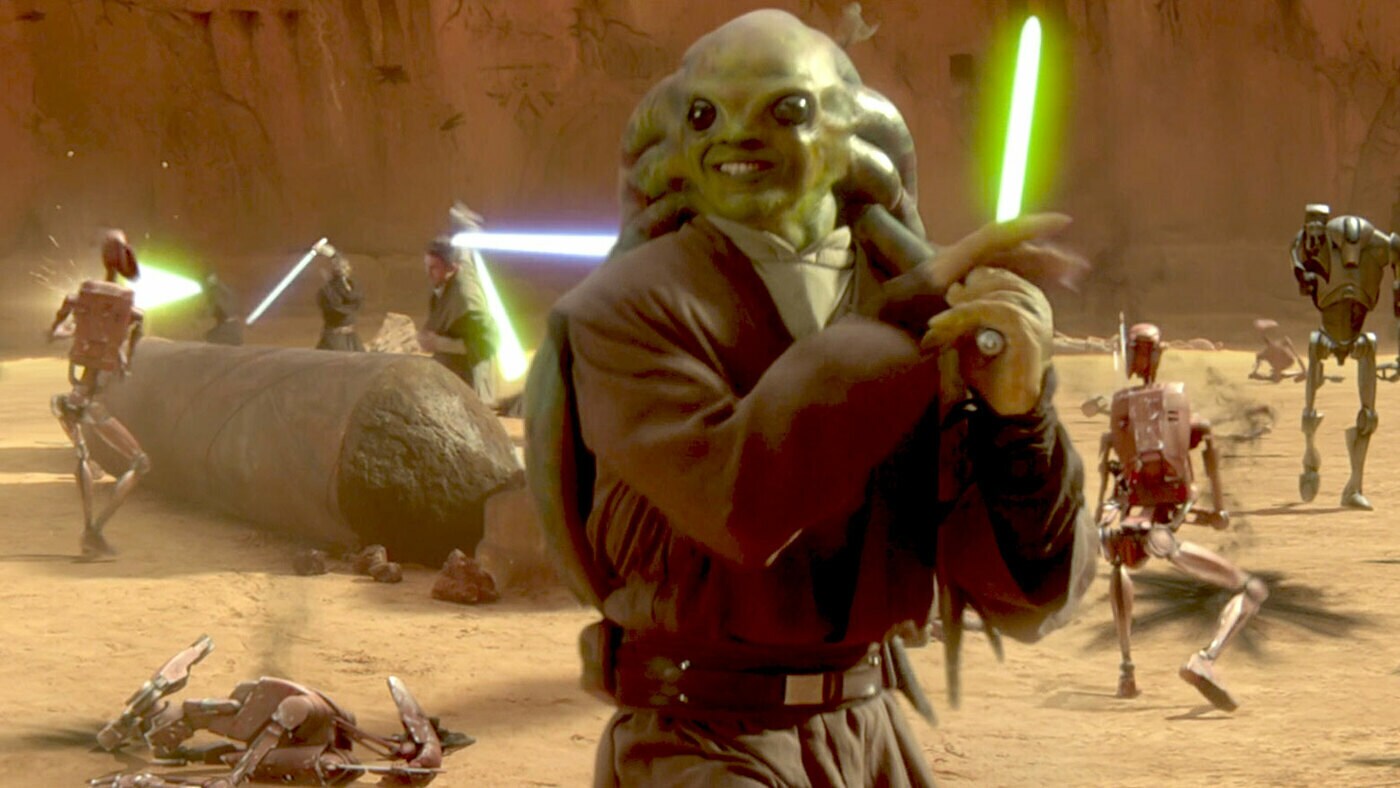
Canon + Legends · Foundation · Broad cuts · Multiple opponents
Form I: Shii-Cho
The oldest numbered lightsaber form, Shii-Cho establishes the basic grammar of attack, parry, body targeting, movement, and disarming that later forms specialize or react against.
Open combat file →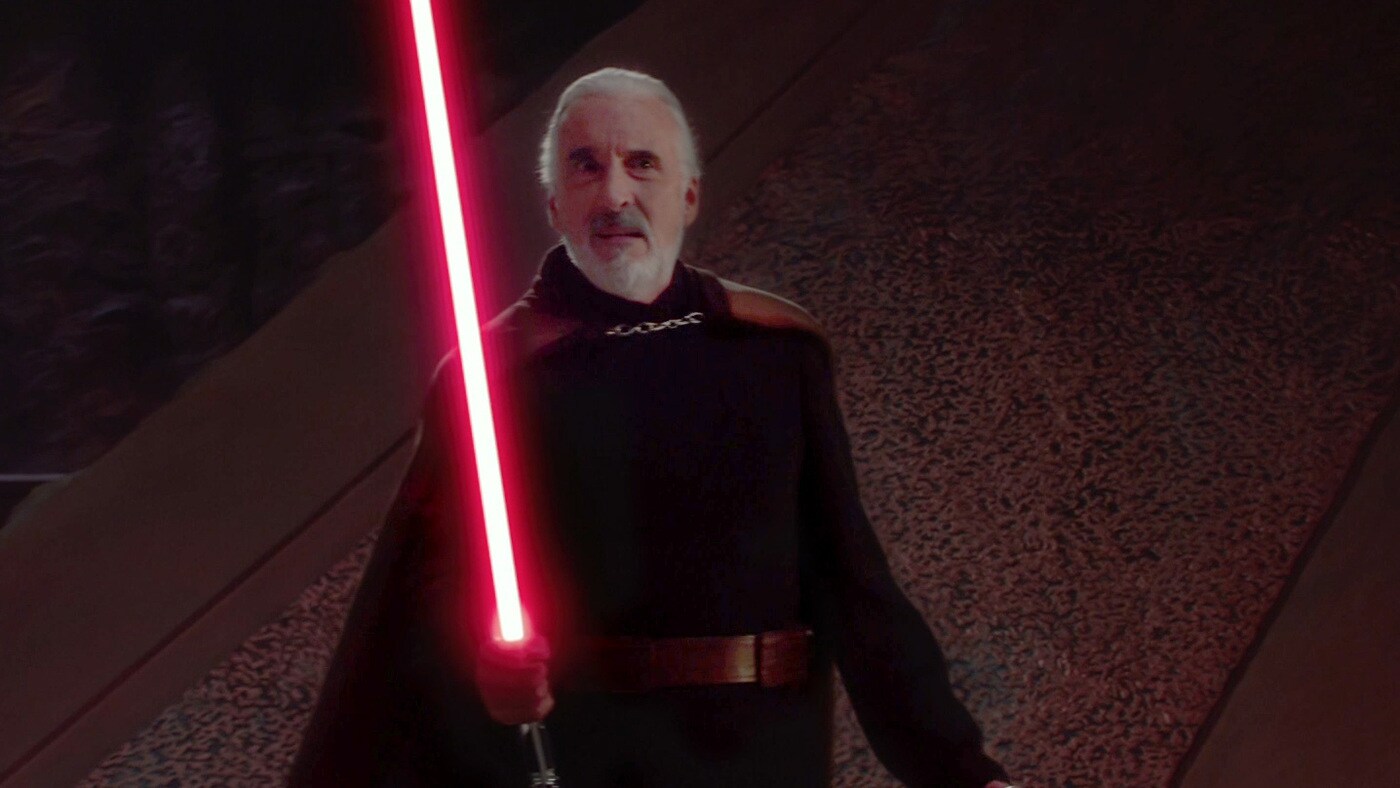
Canon + Legends · Dueling · Precision · Economy
Form II: Makashi
Makashi is the classic lightsaber-to-lightsaber dueling form, emphasizing precision, economy of motion, distance, weapon control, and the exploitation of small openings.
Open combat file →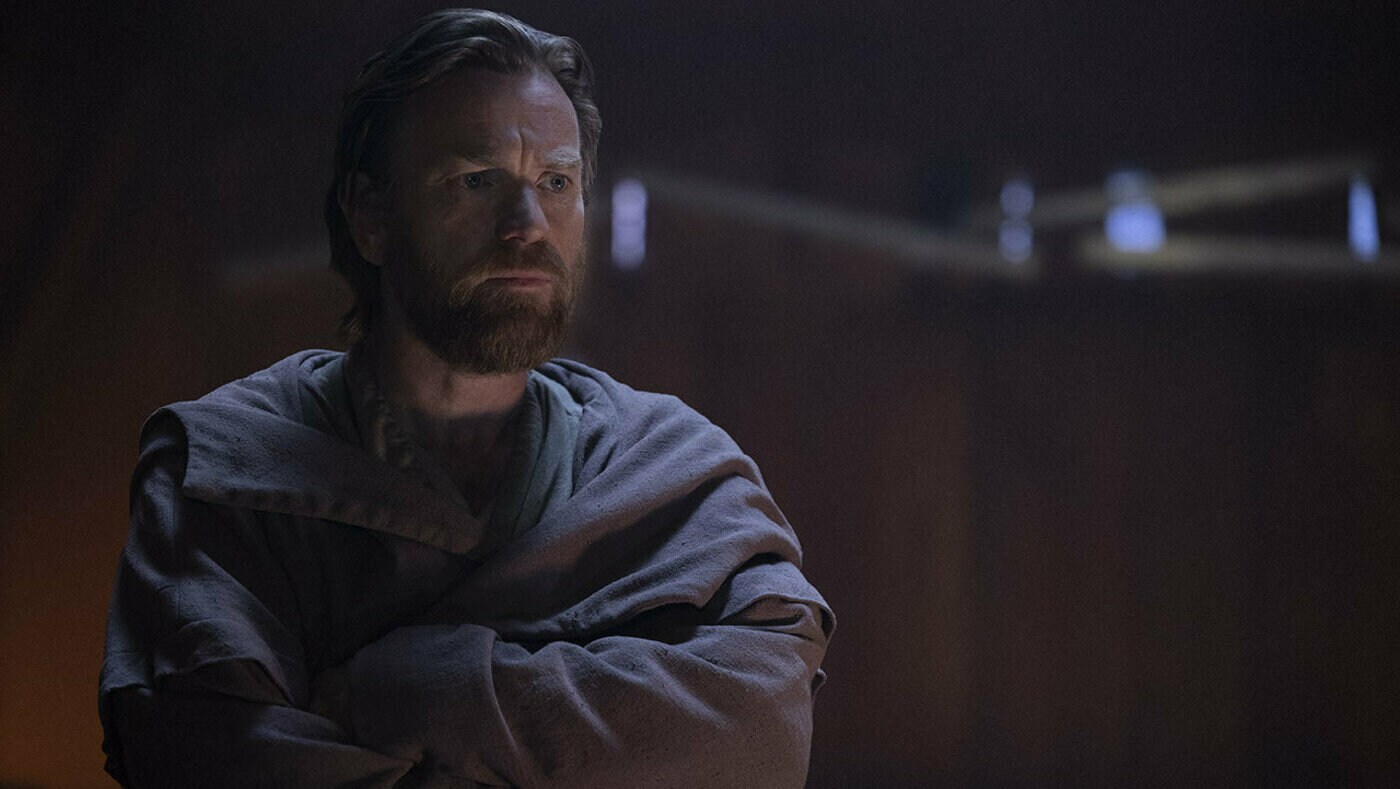
Canon + Legends · Defense · Blaster control · Endurance
Form III: Soresu
Soresu is the defense-centered form built around tight blade work, efficient coverage, patience, and the ability to survive sustained ranged or melee pressure.
Open combat file →
Canon + Legends · Mobility · Acrobatics · Initiative
Form IV: Ataru
Ataru is an aggressive, movement-heavy form that uses speed, Force-assisted mobility, changing attack angles, and rapid pressure to overwhelm an opponent before a long fight develops.
Open combat file →
Canon + Legends · Counterattack · Power · Momentum
Form V: Shien / Djem So
Form V turns defense into immediate offense. Shien emphasizes redirecting ranged attacks, while Djem So develops the same counterattacking logic for close lightsaber duels.
Open combat file →
Canon + Legends · Balance · Integration · Force use
Form VI: Niman
Niman seeks balance across offense, defense, movement, and Force use rather than maximizing one narrow combat specialty.
Open combat file →Canon + Legends · Intensity · Unpredictability · Emotional discipline
Form VII: Juyo / Vaapad
Form VII is the most controversial numbered family, associated with aggressive, unpredictable pressure and with the Vaapad discipline developed around extreme emotional and tactical control.
Open combat file →Quick comparison
What each form emphasizes
This matrix is descriptive, not a power ranking. A practitioner's training, environment, objectives, and opponent matter as much as the named form.
| Form | Core emphasis | Typical strength | Tradeoff | Associated practitioners |
|---|---|---|---|---|
| Form I: Shii-Cho | Foundational blade control and broad battlefield coverage | Simple, adaptable movements and strong fundamentals | Less specialized against expert duelists or concentrated ranged fire | Jedi younglings; Kit Fisto is a prominent master |
| Form II: Makashi | One-on-one blade dueling and precise counterplay | Timing, economy, weapon retention, and efficient counters | Less suited to multiple attackers and heavy ranged fire | Count Dooku; associated with refined duelists |
| Form III: Soresu | Defensive coverage, blaster deflection, and endurance | Economy, patience, and protection under sustained attack | Can surrender initiative if defense never becomes counterattack | Obi-Wan Kenobi; Depa Billaba and Kanan traditions |
| Form IV: Ataru | Mobility, acrobatics, rapid angle changes, and initiative | Explosive offense and difficult-to-read movement | High physical demand and reduced room in confined spaces | Yoda and Qui-Gon Jinn are strongly associated with it |
| Form V: Shien / Djem So | Defend, redirect, and answer with decisive counterpressure | Momentum control, powerful counters, and reflected blaster fire | Can drift toward overcommitment and reliance on physical power | Anakin Skywalker and later Vader are strongly associated with Form V |
| Form VI: Niman | Balanced repertoire and integration of Force abilities | Versatility and lower specialization burden | A generalist can be outmatched by a dedicated specialist | Common among Jedi seeking a broad rather than duel-centered practice |
| Form VII: Juyo / Vaapad | Unpredictable offense, intensity, and pressure | Difficult rhythm and high offensive potential | Emotionally and physically demanding; historically restricted | Mace Windu is the defining Vaapad practitioner |
02 · Beyond the numbered forms
Advanced & alternative techniques
These methods change grip, weapon count, terrain use, or the physical state of the blade. They should not be mistaken for additional numbered forms.
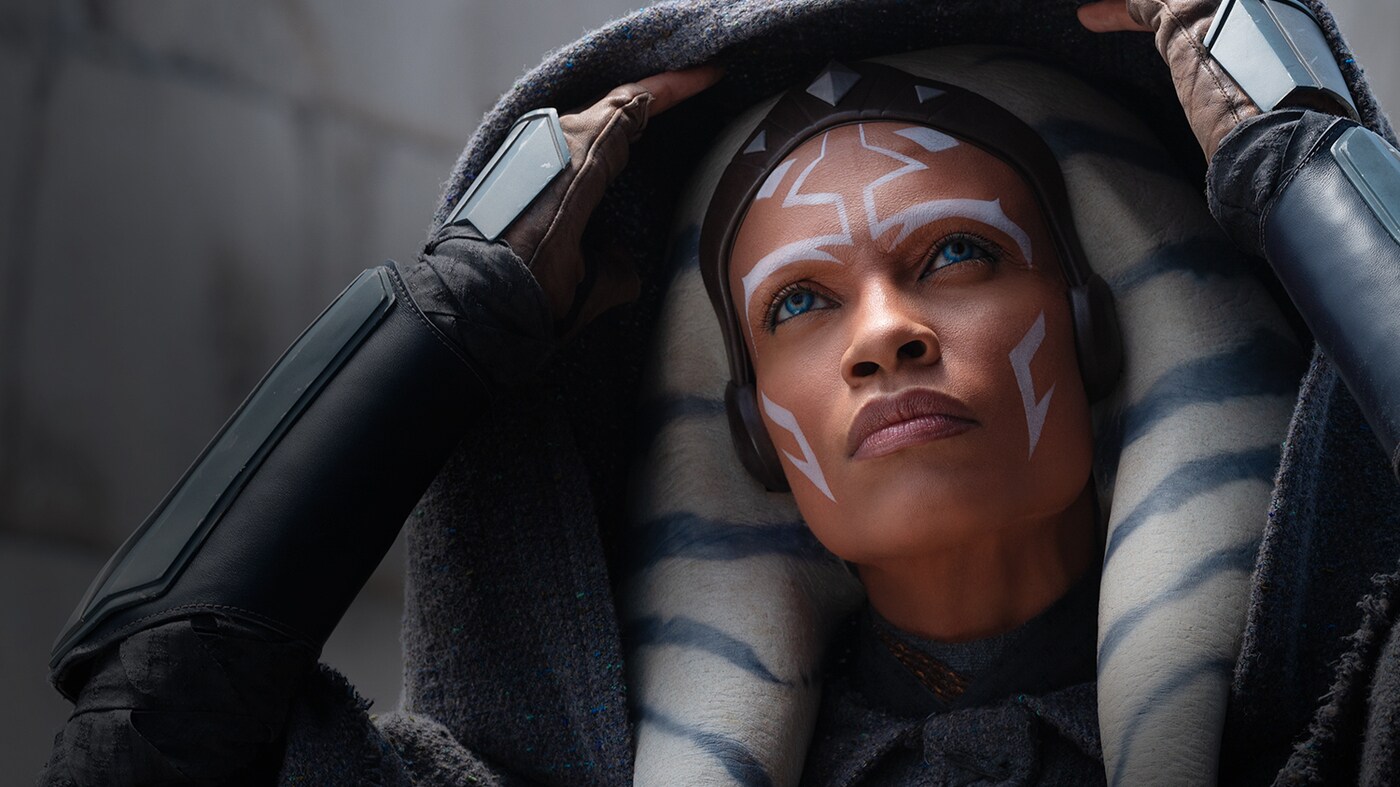
Canon + Legends · Dual wielding · Asymmetry · Independent lines
Jar'Kai: Dual-Blade Fighting
Jar'Kai is the broad tradition of fighting with two blades, using independent attack and defense lines rather than treating the weapons as a single staff.
Open combat file →Canon + Legends · Terrain · Position · Environmental advantage
Sokan: Fighting Through Terrain
Sokan treats terrain, elevation, obstacles, and movement routes as active parts of lightsaber combat rather than as a neutral background.
Open combat file →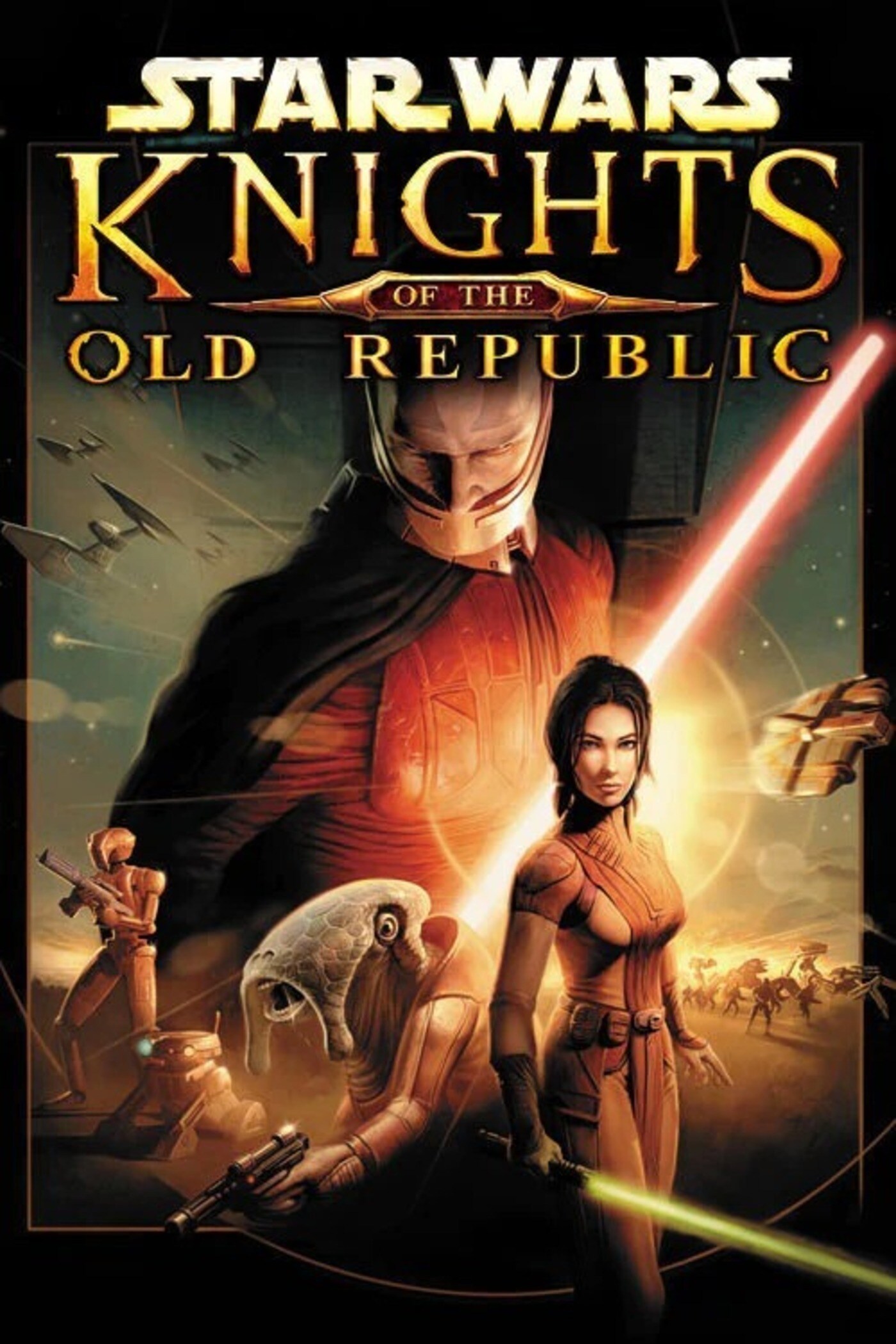
Legends · Feints · Deactivation · Timing
Tràkata: Blade Deactivation Feints
Tràkata is a Legends lightsaber method built around switching the blade off and on during an exchange to create feints, bypass contact, and disrupt an opponent's expectations.
Open combat file →Canon + Legends · Grip variation · Close angles · Personal adaptation
Reverse-Grip Lightsaber Fighting
Reverse grip places one or both lightsaber blades along the forearm side of the body, changing defensive angles, reach relationships, and the visual rhythm of attacks.
Open combat file →03 · Weapon families
Force-user weapons & lightsaber designs
Weapon configuration changes martial practice. A pike, lightwhip, saberstaff, crossguard, shoto, or hybrid saber creates a different relationship between body, distance, and opponent.
Canon + Legends · Kyber · Personal construction · Jedi and Sith
The Standard Lightsaber
The standard single-bladed lightsaber is simultaneously a weapon, a constructed personal object, a religious artifact, and a visible marker of Force-user identity.
Open combat file →Canon + Legends · Ergonomics · Dueling · Precision
Curved-Hilt Lightsabers
A curved lightsaber hilt changes wrist alignment and blade presentation, making it especially associated with precision duelists such as Count Dooku and Asajj Ventress.
Open combat file →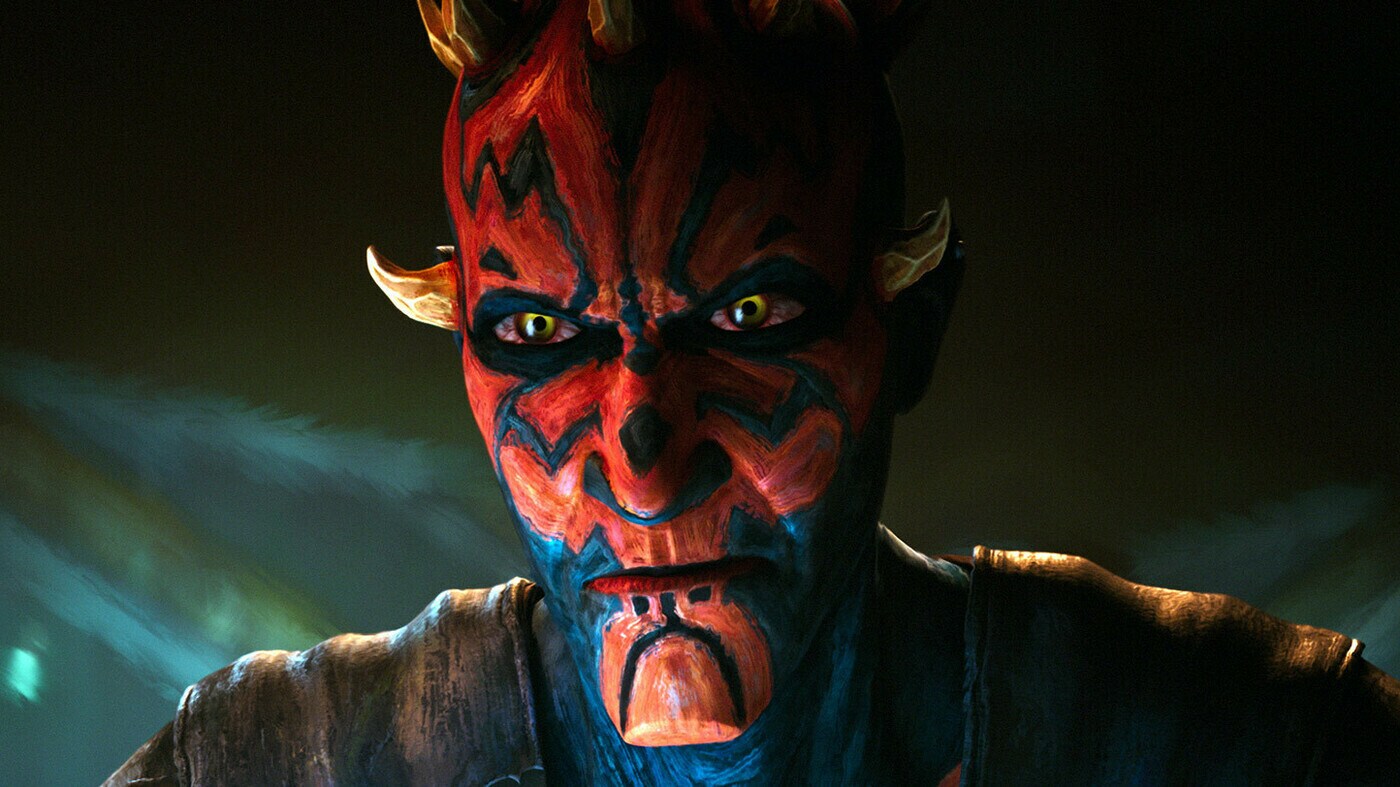
Canon + Legends · Staff weapon · Reach · Rotational control
Double-Bladed Lightsabers / Saberstaffs
The double-bladed lightsaber extends an energy blade from both ends of a central hilt, creating a staff-like weapon with unusual reach, rotational threats, and spacing demands.
Open combat file →
Canon + Legends · Temple Guard · Staff reach · Institutional office
Lightsaber Pikes
The lightsaber pike combines staff-like reach with energy blades and is especially associated in canon with the anonymous Jedi Temple Guards of Coruscant.
Open combat file →Canon + Legends · Short blade · Off-hand weapon · Close control
Shoto Lightsabers
A shoto is a shorter lightsaber, commonly used as an off-hand weapon or by fighters who want a more compact blade for close-range control.
Open combat file →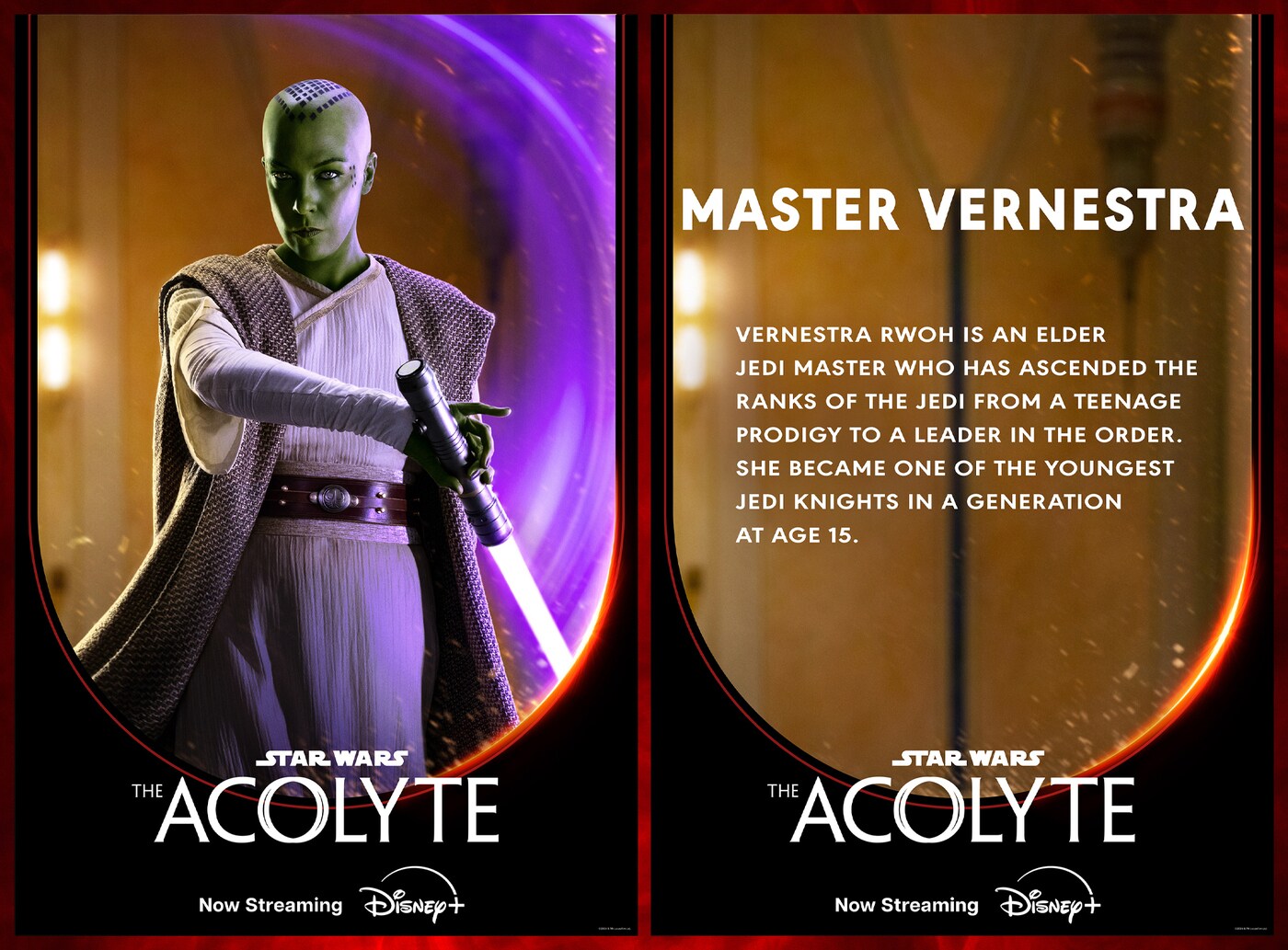
Canon + Legends · Flexible blade · Range · Entanglement
Lightwhips
The lightwhip replaces a rigid lightsaber blade with a flexible energy lash, creating long reach and radically different attack geometry.
Open combat file →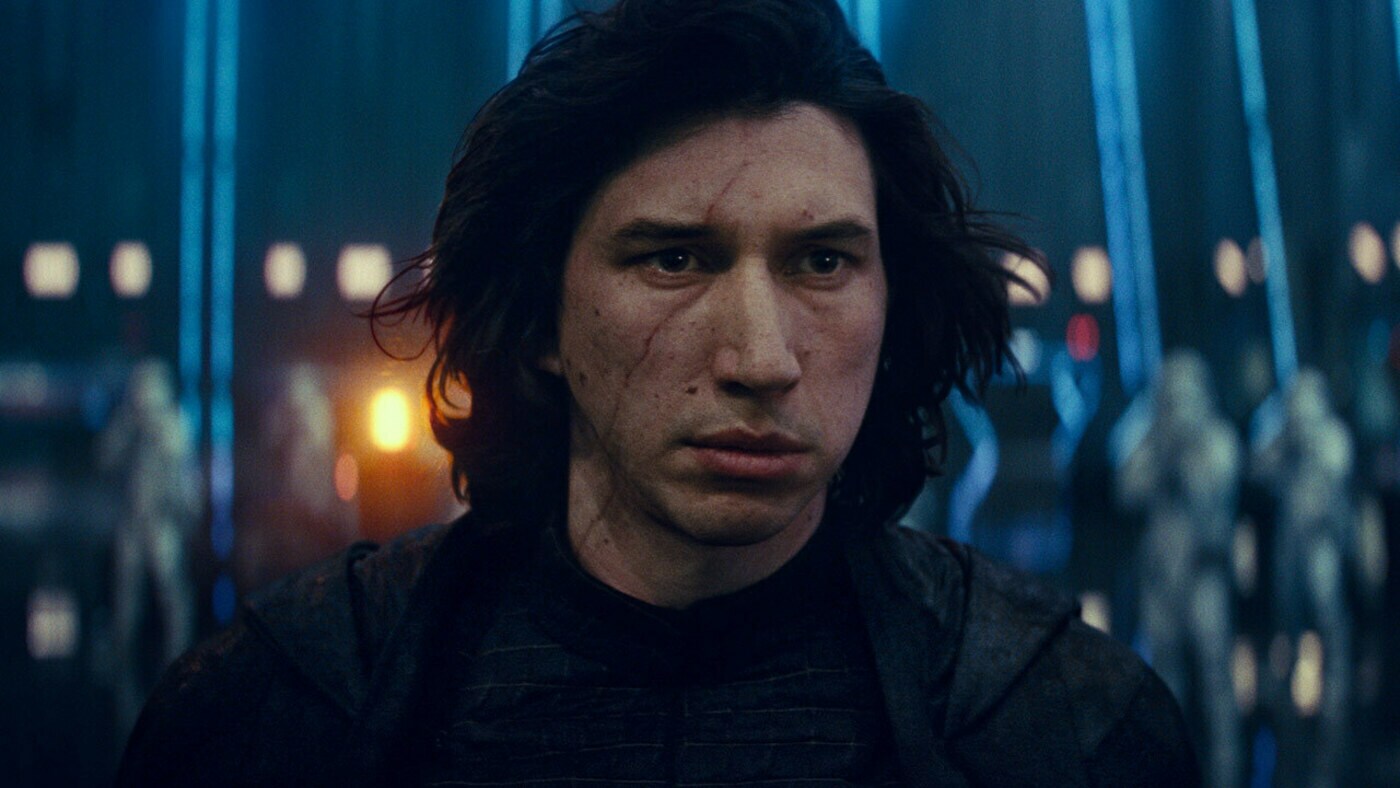
Canon + Legends · Quillons · Venting · Ancient design
Crossguard Lightsabers
Crossguard lightsabers add lateral energy vents or quillons near the main blade, producing a distinctive profile associated with ancient designs and Kylo Ren's unstable weapon.
Open combat file →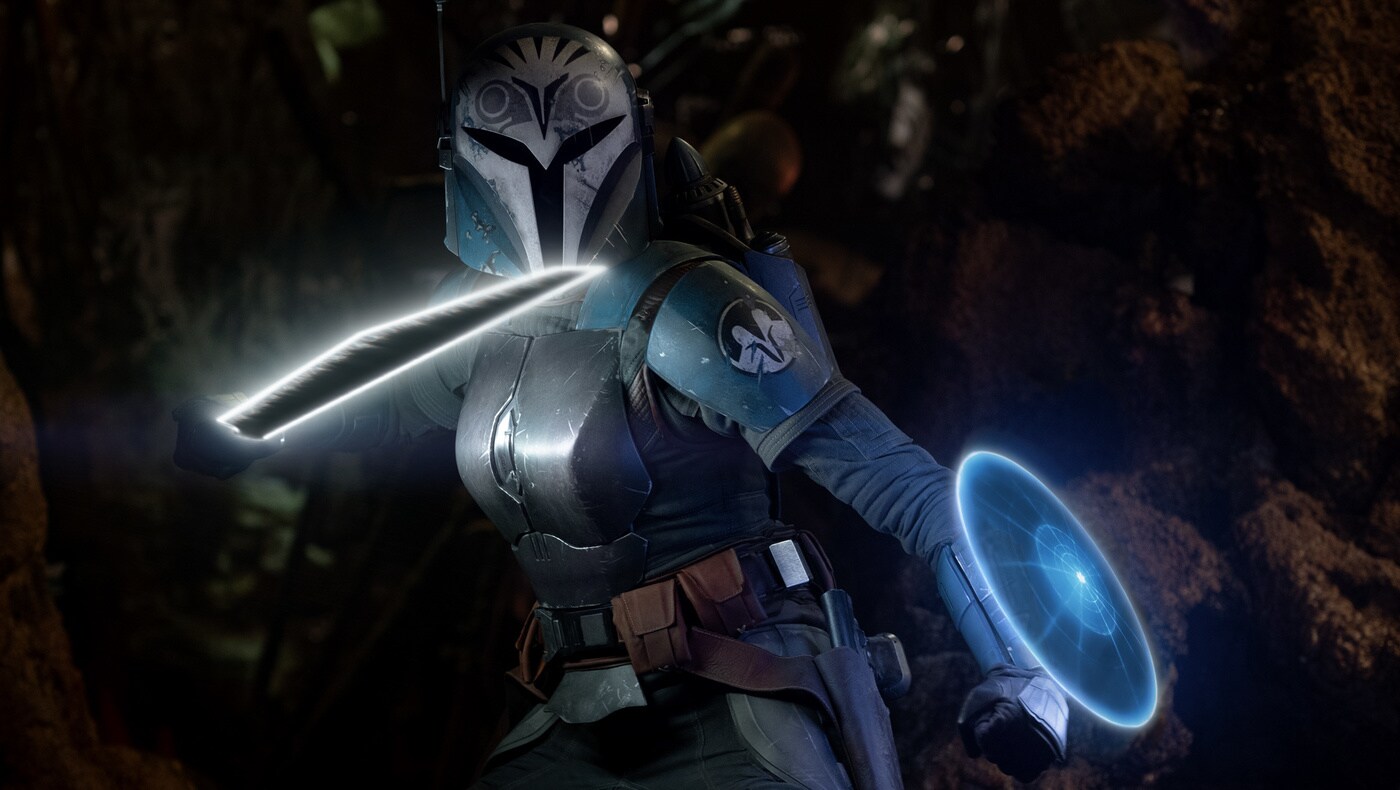
Canon · Mandalore · Leadership · Political symbol
The Darksaber
The Darksaber is a unique black-bladed lightsaber whose political life among Mandalorians makes possession, victory, legitimacy, and combat inseparable.
Open combat file →Canon · Imperial standardization · Rotation · Intimidation
Inquisitor Spinning Lightsabers
The Inquisitorius uses standardized double-bladed lightsabers with rotating disc mechanisms that combine combat function, intimidation, and institutional identity.
Open combat file →
Canon + Legends · Hybrid weapon · Ranged option · Improvisation
Lightsaber-Blaster Hybrids
Lightsaber-blaster hybrids combine a Jedi blade with a ranged firing system, challenging the traditional separation between lightsaber defense and blaster offense.
Open combat file →Connected archive
Combat does not stand alone
Follow fighting traditions into religion, institutions, characters, war, artifacts, and political history.
Jedi Subject HubTraining, institution, religion, history, and major Jedi lives.Sith Subject HubLineage, dark-side traditions, succession, relics, and political power.Technology & ArtifactsKyber, armor, weapons, craft, droids, and material culture.War, Military & ConflictPlace individual combat inside armies, occupation, resistance, and logistics.