



COMPLETE RESEARCH RECORDExplore the five detailed chaptersHistory, physical design, practical limitations and cultural interpretation
01 · Overview
What defines this tradition or weapon?
Dual-blade combat changes the geometry of a duel. With one weapon in each hand, a fighter can threaten two lines, defend while striking, trap an opposing blade, or create rhythms that a single-saber user does not normally face. Jar'Kai is best understood as a family of dual-weapon practices rather than a replacement for the seven numbered forms.
02 · Historical development
Why did it emerge?
The name carries a larger history of paired-weapon fighting and is especially developed in Legends material, while canon repeatedly depicts sophisticated dual-saber users. The distinction matters because visual evidence for dual wielding is abundant even when every technical term is not equally emphasized across continuities. IDS separates what is shown from what later reference traditions call it.
03 · Combat logic
How does it change an exchange?
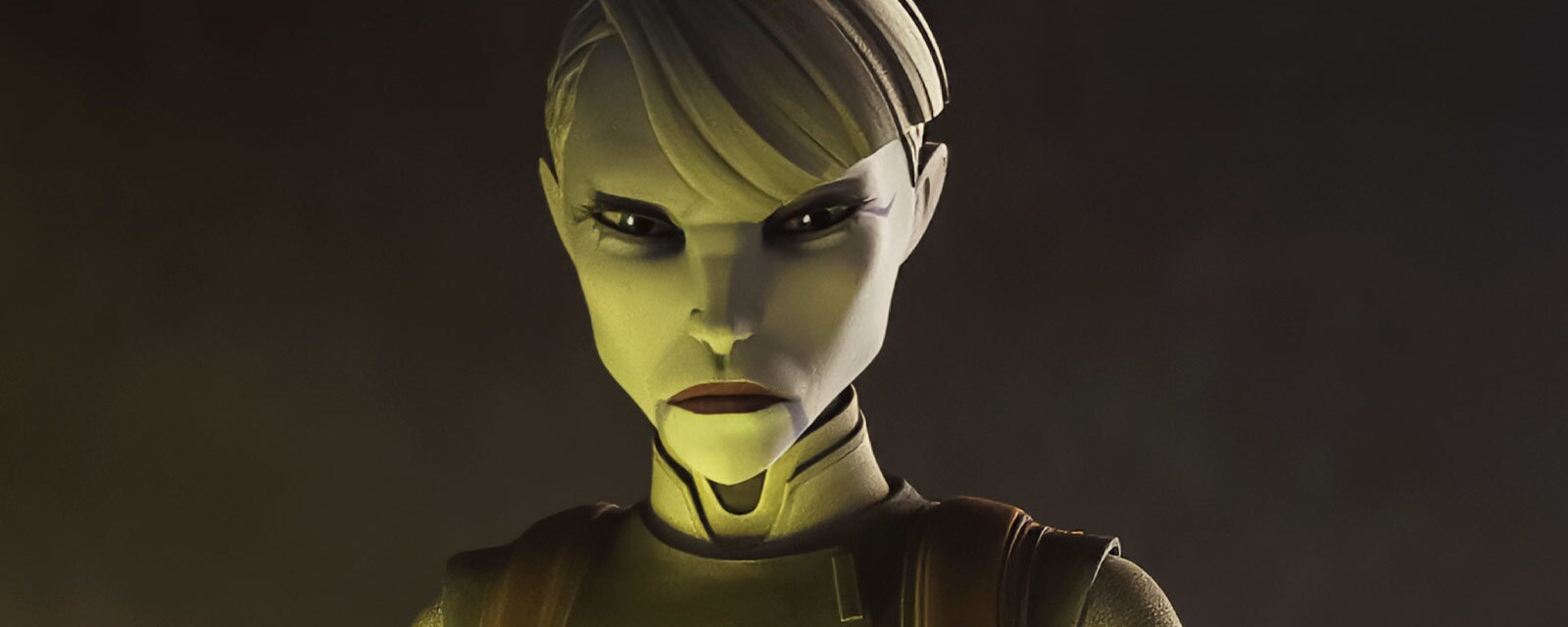
Ahsoka Tano's long saber and shoto create unequal reach in the two hands, while Asajj Ventress can use two curved-hilt sabers independently or connect them in some depictions. The practitioner must manage two blade trajectories without letting the weapons interfere with each other. The payoff is simultaneous tactical work: one blade can occupy an opponent while the other attacks a different line.
04 · Limits & counters
Where does it become vulnerable?
Two weapons do not simply double capability. They divide attention, complicate footwork, and can reduce the stability available to a two-handed power stroke. A fighter also has more blade length to track around allies and obstacles. Jar'Kai therefore rewards coordination and ambidextrous training rather than improvisational weapon collecting.
05 · IDS analysis
What does it reveal about Star Wars society?
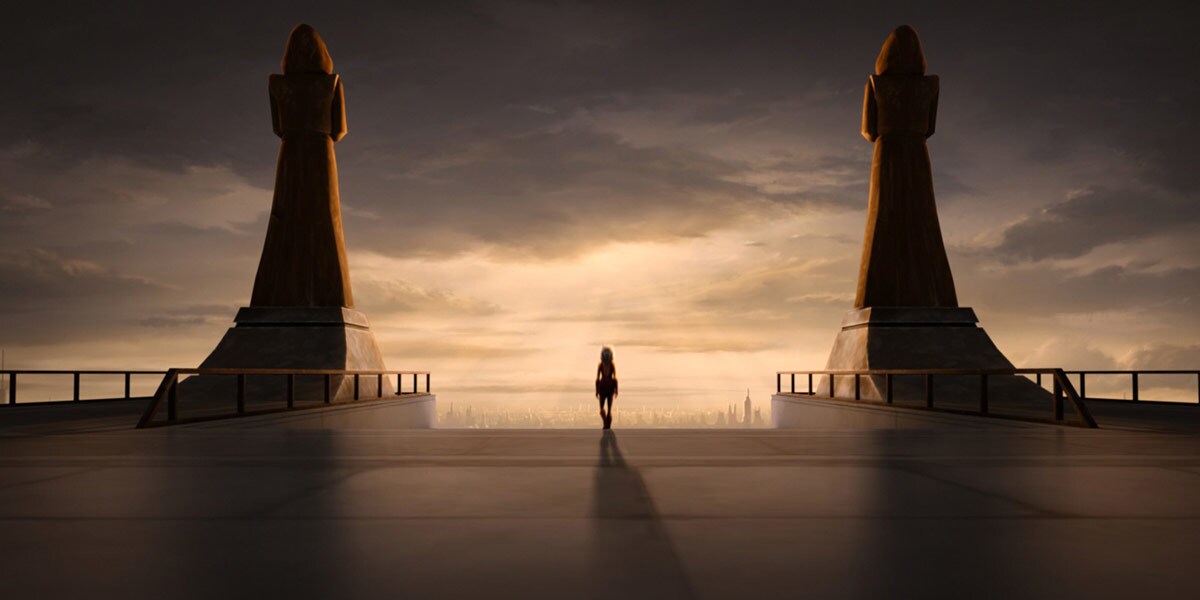
Dual wielding illustrates how martial identity is built through visible specialization. Ahsoka's paired white sabers become part of her silhouette and public identity just as much as her clothing or species markers. Weapon configuration becomes social recognition: observers can identify a fighter before the first exchange begins.
06 · Source trail
Sources & continuity notes
IDS separates current canon evidence from Legends reference traditions. The links below are starting points for the claims summarized in this file.