Interactive Force studies · Imperial Dark Sector
Light Side vs Dark Side
Two approaches to the Force. Different ideas about power, belonging, duty, combat, and authority. Compare them through religion, political organization, social roles, and lived practice instead of reducing them to lightsaber colors.
 Light-side exampleAhsoka Tano
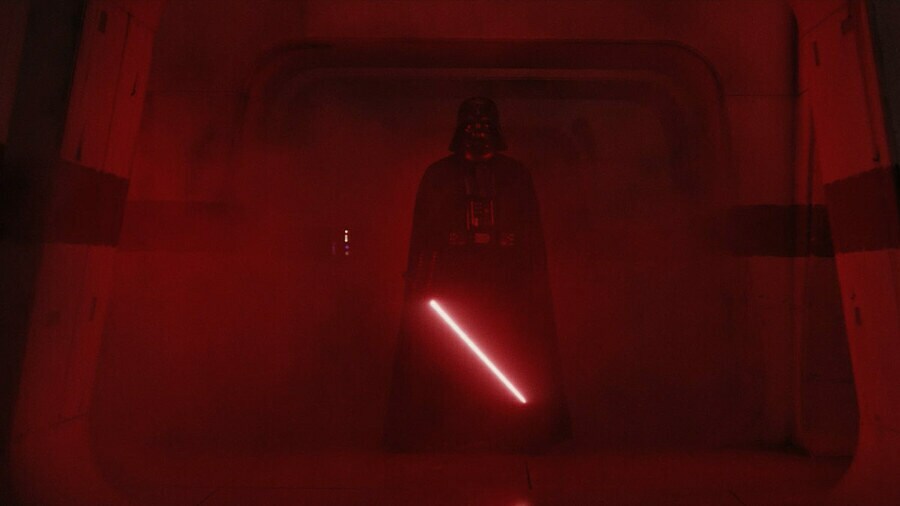 Dark-side exampleDarth Vader
Comparison desk
Choose what to compare
Select a subject, search the dimensions, or show all. Use the continuity switch to include clearly marked Legends material without confusing it with the current canon.
Popular comparisons
Go directly to the distinctions visitors ask about most.
Test the assumptions
Four claims worth examining
Open a claim to see how the stories complicate simple light-versus-dark categories.
Incorrect. Ahsoka Tano leaves the Jedi Order but remains committed to protecting others. The Force is larger than a single institution.
Unsupported. Force sensitivity and techniques are not defined by gender. What differs is how particular institutions and societies train people, allocate authority, and represent them in stories.
Incorrect. The Sith are an order with a particular history and doctrine. A dark-side practitioner or wielder of a red blade is not automatically a Sith.
Incorrect. Jedi have emotions. Their discipline concerns how they respond to fear, grief, anger, and attachment. The films repeatedly show that members struggle with these expectations.
Sources and scope
Read the traditions in context
This is an editorial comparison grounded in Star Wars storytelling and official reference material. Canon is the default. Legends examples appear only when selected and are labeled separately. Descriptions of social structures and gender roles are interpretations of fictional institutions, not claims about real-world genders. The Jedi and the Sith both change over time; no single era represents every generation.