Imperial Dark Sector · A Force traditions dossier
Light Side vs Dark Side
The Force connects all living things. Its users disagree about how power should be used, how emotions should be understood, who deserves authority, and what it means to belong. Explore the evidence behind those differences, not just the colors of their lightsabers.
 Life, choice, and protectionAhsoka Tano
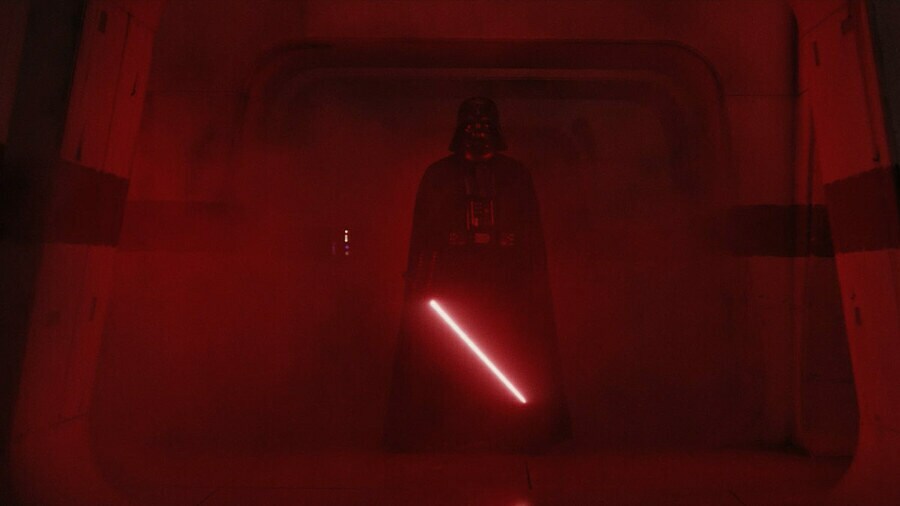 Fear, ambition, and dominationDarth Vader
01 · Worldview and moral practice
What divides the light and dark sides?
The conflict is not simply good people versus evil people. It concerns how individuals handle power, fear, attachment, obligation, and control.
The Force is a life-created energy field. It gives certain people extraordinary abilities, but also connects them to something larger than themselves. The official Databank makes clear that Jedi and Sith are among its users, not its exclusive owners. A telekinetic push or sudden premonition does not tell us whether the user follows the light or dark side. The action's purpose and consequences matter.
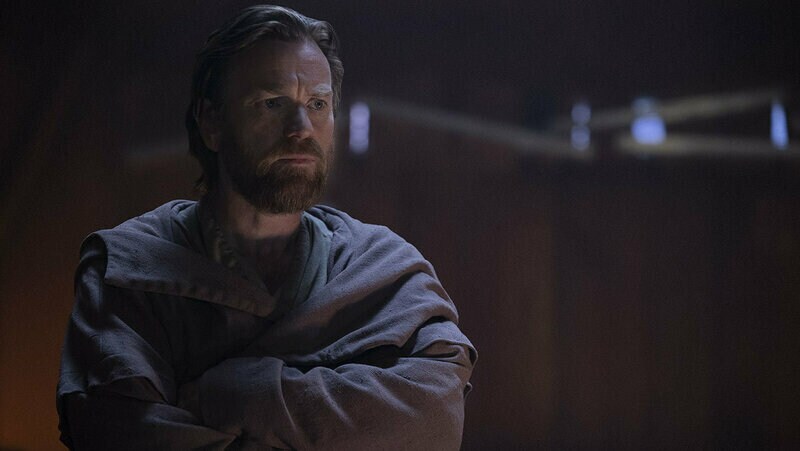
In the familiar Jedi ideal, power demands restraint. A Jedi should be capable of force without becoming eager to use it, should protect beings who cannot protect themselves, and should accept that fear and anger can distort judgment. This is an ethical discipline as well as a training regimen. Jedi wisdom is not identical to an absence of emotion. Obi-Wan, Ahsoka, and Luke experience anxiety, grief, hope, and personal loyalty throughout their stories.
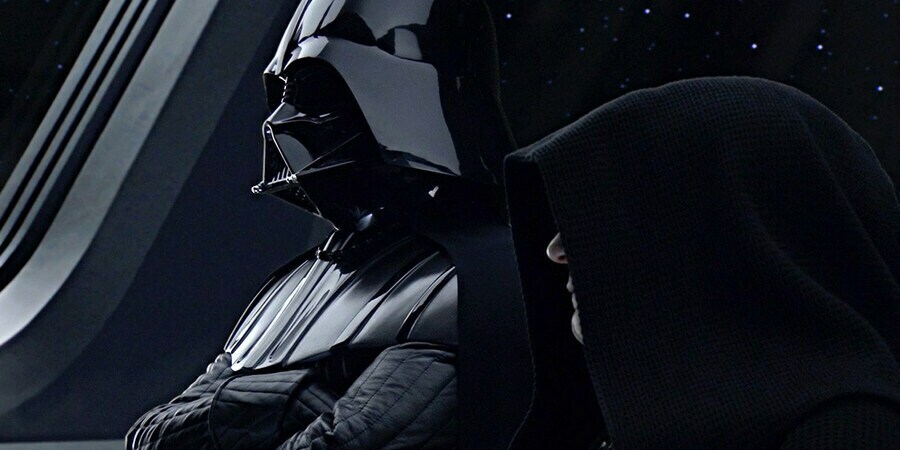
The Sith treat power differently. Darth Sidious uses lies and violence to turn public institutions into instruments of private rule. His philosophy values the capacity to impose his will. Darth Vader's physical strength matters, but fear is central to how he governs. Anakin's transformation begins with a promise to prevent loss and develops into the destruction of people he once cared about.
The distinction is therefore best understood through choices and their effects. Jedi are capable of institutional errors, coercion, and military violence. Dark-side adherents do not all belong to one order, and some people who fall are capable of returning to the light. Luke and Vader make that moral possibility the center of Return of the Jedi.

02 · Interactive relationship chart
Who actually belongs to what?
Tap a node to reveal the difference between Force practices and organizations. This is a classification map, not a power ranking.
Conceptual relationships only. The Nightsisters are intentionally shown outside the Jedi/Sith split. Groups are not defined by fixed, exclusive abilities.
The Force
The Force binds the galaxy together. Its traditions interpret it differently.
03 · Active analysis matrix
Compare the doctrines, not the scores
Choose a topic, open any row, and optionally add Legends notes. Every row distinguishes representative patterns from universal rules.
14 comparison questions
For additional dimensions and a focused two-column reading interface, use the dedicated Light Side vs Dark Side interactive tool.
04 · Abilities, weapons, and combat
Do the sides have different powers?
Some Force abilities are associated strongly with one side. Others are shared, and their meaning depends on conduct and context.
Telekinesis, foresight, enhanced perception, and many basic abilities are used by different Force traditions. The same capacity to move an object can lift a person to safety or crush a victim. The Force does not become morally transparent simply because an action has a visible effect. This is why categories such as 'dark-side powers' need to be distinguished from the behavior of particular users.
Some techniques carry clearer associations. The official Force lightning entry identifies it as a dark-side ability used to torture, harm, and kill. Sidious makes the association explicit when he attacks Luke and later Rey. Certain Jedi can deflect or neutralize lightning, but that does not mean every Jedi routinely uses it.
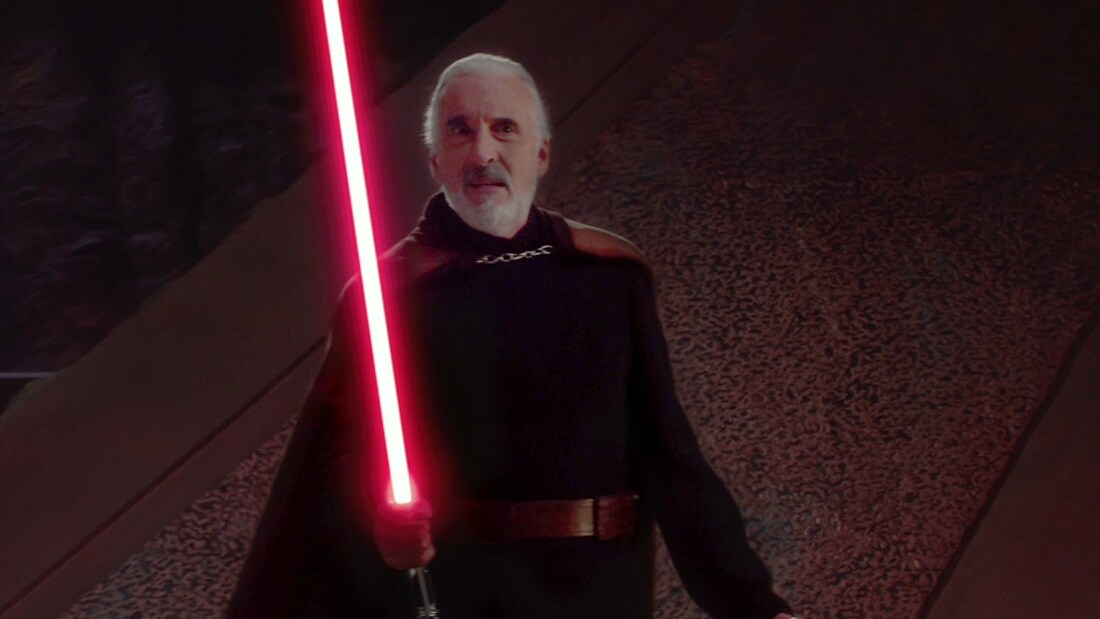
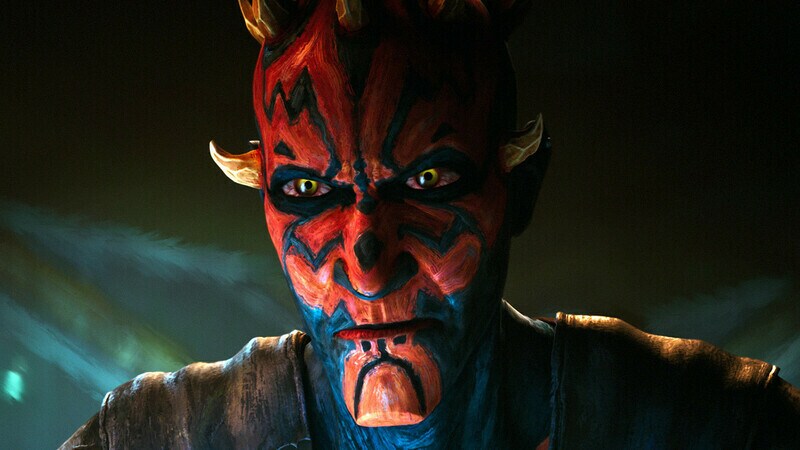
Lightsaber combat similarly resists a two-column rulebook. Obi-Wan favors defensive control in many of his duels, yet Anakin is an aggressive Jedi fighter long before becoming Vader. Dooku relies on precision and elegant bladework. Maul repeatedly combines speed, pressure, and intimidation. No named lightsaber form automatically assigns a fighter to a moral side, and a red lightsaber alone does not make someone a Sith.
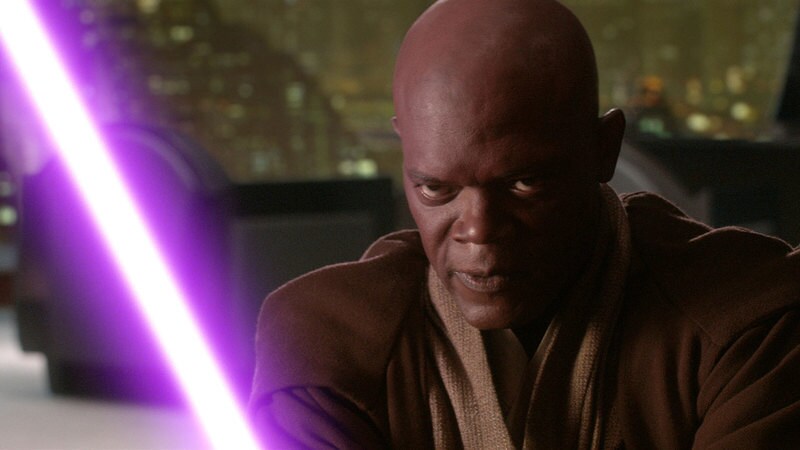
In current canon, bleeding kyber crystals is connected with the red hue associated with many dark-side weapons. The colors of Jedi sabers vary. Ahsoka's white blades add a particularly useful counterexample to the idea that alignment can always be read from a conventional color-coded uniform.
05 · Gender, roles, and cultural authority
Is the Force gendered?
Gender does not establish a person's Force capacity. Gender roles do differ among the societies and institutions in which Force-sensitive people live.
Neither the Jedi nor the Sith should be described as a universal biological system in which men and women receive separate Force abilities. The Jedi Order trains individuals across genders and includes women who hold council responsibilities, command forces, teach, and fight. Shaak Ti serves as a Jedi Master and takes on military responsibilities during the Clone Wars. Yaddle also serves among the Jedi's senior figures.
The Sith's history features different arrangements of power. Darth Bane's Rule of Two prioritizes mastery and apprenticeship rather than assigning a gendered office. Looking at individual Sith leaders is more informative than claiming that one side has male leaders and the other has female healers. In Legends, Sith such as Darth Zannah, Traya, and Talon provide especially visible examples of women who attain power, although those examples belong to a separate continuity.
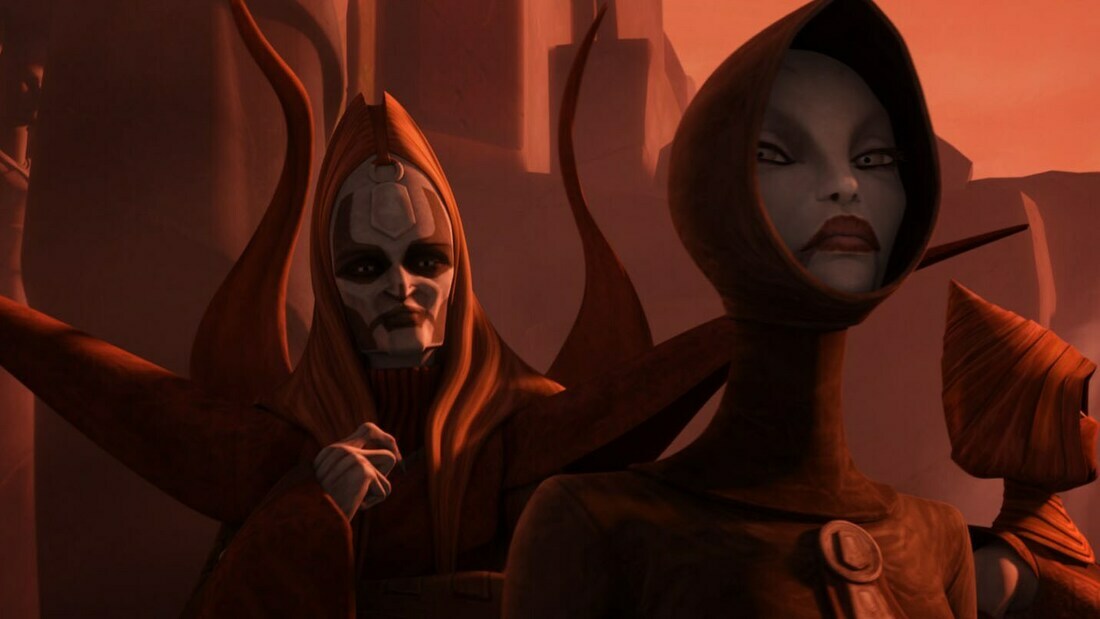
Dathomir presents a substantially different case. The official Nightsisters entry describes a matriarchal society in which Nightsisters hold authority while the Nightbrothers occupy a subordinate social position. This is a gendered political and ritual system, but it is not a template for all users of the dark side. Nightsisters are explicitly neither Jedi nor Sith.
These distinctions allow more meaningful questions. Who recruits and trains Force-sensitive children? How do members become leaders? Can people form families? Who governs property and inheritance? Which identities appear in the stories, and which remain underrepresented? Gender roles are not reducible to whether a lightsaber is blue or red. They belong to the history of institutions and cultures.



06 · Councils, empire, and political control
Who has the right to lead?
The most important disagreement may be about political authority rather than individual strength.
The Jedi Order is an institution. Its teachers, libraries, initiation practices, council meetings, and rules preserve knowledge over generations. Its formal commitments emphasize service and peace. Yet the Clone Wars demonstrate the cost of institutional dependence on the Republic. When Jedi become generals, peacekeepers are required to command armies and enforce state priorities. The result is an ethical conflict, not simply a failure of swordsmanship.
The Sith also create institutions. Under Darth Bane, a secret master and apprentice concentrate knowledge and ambition. Sidious later commands not only the Force, but senators, intelligence agencies, bureaucracies, clone soldiers, fleets, and an empire. The dark side alone does not explain how he gains authority. Political deception, control over emergencies, and the reclassification of opponents as threats allow the authoritarian state to function.
This contrast complicates the common claim that the light means democracy and the dark means dictatorship. The Jedi Council is not an elected senate. And most of Sidious's Imperial subjects and officials are not Sith. The more precise comparison concerns accountability, legitimate authority, secrecy, dissent, and the conditions under which violence is justified.
The story of Ahsoka Tano adds another complication. The Order's treatment of her after a false accusation reveals a gap between institutional ideals and institutional practice. Her subsequent choices show how ethical commitments can continue outside a council or temple. The light side cannot be made identical to obedience.

07 · Click through key turning points
How the conflict changes over time
Six illustrated scenes show how organizations, personal choices, and the meaning of light and dark evolve across the main canon narrative.
The Rule of Two
Darth Bane reorganizes the Sith's hidden master–apprentice tradition.
08 · Tap a portrait for its significance
The people behind the arguments
These characters demonstrate different relationships between moral choice and organizational membership. Select an image to reveal an explanation and an archive link.
Choose a portrait
Select any character above to see why their story matters to this comparison.
09 · Play and learn
Test your Force knowledge
Six questions check claims made in this dossier. Answers include explanations. No personality assignment or invented Jedi/Sith power scores.
Can someone follow the light without being a Jedi?
0 of 6 questions answered
This is a knowledge check, not a personality test.

Ben Solo's story is a reminder that belief, institutional role, and moral decisions can change. Use the quiz to check what Star Wars actually establishes.
10 · Common questions
Questions the galaxy keeps asking
Open any answer. Where the evidence is complex, these answers distinguish storytelling conventions from fixed rules.
Is the light side more powerful than the dark side?
Canon does not provide a universal numerical ranking. Exceptional individuals exist on both sides. Their choices, circumstances, training, and goals matter more than a hypothetical score. The films often emphasize that domination can fail where patience and compassion succeed.
Can a Jedi use the dark side and still remain a Jedi?
Jedi can experience anger or act wrongly. Long-term embrace of dark-side domination threatens the Order's stated ideals and can lead to a fall, but there is no mechanical membership test for every act. The stories portray struggle, consequences, and sometimes return.
Are all dark-side users Sith?
No. The Sith are a distinct historical organization. The Nightsisters, fallen Jedi, Inquisitors, and other users cannot all be classified as Sith simply because they use dangerous techniques or oppose Jedi.
Do Jedi forbid love?
Prequel-era Jedi prohibit certain possessive attachments and generally restrict marriage. They also teach compassion. Luke's love for his father is central to Vader's redemption. Jedi institutions vary across eras and continuities.
Can women become Sith Lords or Jedi Masters?
Yes. Women appear in leadership roles within the Jedi Order, and female Sith feature in Star Wars stories. In Legends, Darth Zannah, Traya, and Talon are examples of Sith women. Gender does not create a Force power ceiling.
Why are the Nightsisters led by women?
Their Dathomirian society is explicitly depicted as matriarchal. Nightsisters hold ritual and political power while Nightbrothers occupy a different position. This is one fictional culture's organization, not a biological property of the dark side.
Does a red lightsaber always indicate a Sith?
No. Red is strongly associated with Sith and corrupted kyber in canon, but blade color alone cannot prove membership in a Sith lineage. Conversely, a Jedi may carry various other blade colors.
Is Force lightning exclusive to Palpatine?
No. The official Databank describes it as a dark-side ability associated with Sith use. Sidious is a highly visible example, not the only practitioner. Some Jedi can deflect or neutralize lightning.
Is the Rule of Two used by every Sith empire?
No. Darth Bane's rule is a later arrangement of one active master and one apprentice. Earlier Sith histories include larger groups and states. Different Sith systems appear in Legends.
Why do Jedi become military generals if they value peace?
The Republic assigns them military leadership during the Clone Wars. That contradiction is important: the Order's commitment to peace does not prevent its institutional participation in war, and Sidious exploits the situation.
Can a person leave the Jedi Order and remain on the light side?
Yes. Ahsoka Tano is a clear canon example. She leaves after a wrongful accusation but continues to protect others and resist the Empire.
Does “balance in the Force” mean equal numbers of Sith and Jedi?
There is no universal count-based equation. The Force is not a contest in which one Sith must exist for every Jedi. Mortis imagery explores balance symbolically, while the broader films center the struggle against domination and the misuse of power.
11 · Research and further reading
Check the evidence
Official references establish the lore facts. Interpretive comparisons of authority, ethics, identity, and ritual are Imperial Dark Sector analysis.
- The Force · Official DatabankLife, extraordinary abilities, and diverse Force-sensitive practitioners.
- Jedi Order · Official DatabankCouncil, Republic service, Clone Wars, Order 66, and the Order's legacy.
- Sith · Official DatabankAncient dark-side order, doctrine, ambition, and political conquest.
- Darth Bane · Official DatabankThe Sith Rule of Two, master–apprentice succession, and secrecy.
- Nightsisters · Official DatabankDathomir's distinct matriarchal tradition, magick, and relation to the Sith.
- Force Lightning · Official DatabankDark-side technique, offensive uses, and defense against lightning.
- Ahsoka Tano · Official DatabankLeaving the Jedi Order while continuing to follow the light.
- Force Traditions Beyond Jedi and Sith · IDSComparative treatment of local Force traditions, belief, and ritual.
Continuity policy: Canon evidence is the default. Legends is labeled when included. Images are used as visual references to the named Star Wars subjects, with credit to the Star Wars official image host for imagery served from its site. This is an independent fan analysis, not an official Lucasfilm publication.