





COMPLETE RESEARCH RECORDExplore the five detailed chaptersHistory, physical design, practical limitations and cultural interpretation
01 · Overview
What defines this tradition or weapon?
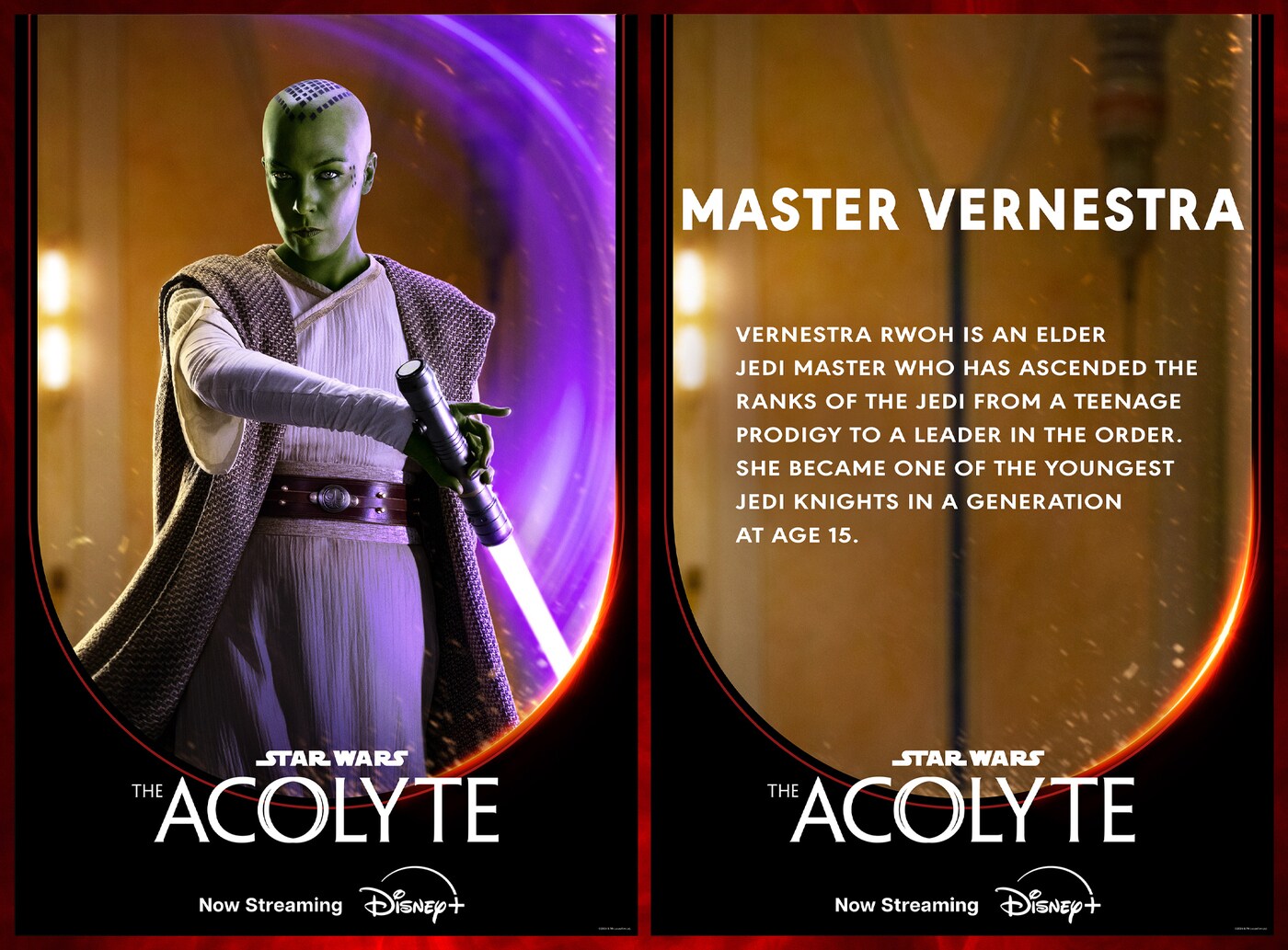
A lightwhip breaks one of the most familiar assumptions of lightsaber combat: that the blade forms a straight line. The flexible energy lash can curve, wrap, and approach around conventional guard positions. Vernestra Rwoh's purple lightsaber can shift between a standard blade and whip mode, making the contrast especially clear within one weapon.
02 · Historical development
Why did it emerge?
Lightwhips existed extensively in Legends and are firmly present in current canon through Vernestra. That continuity history makes the weapon a useful case study in how older Star Wars ideas can be reintroduced and recontextualized. The same name can carry different character associations while preserving the core technological concept.
03 · Combat logic
How does it change an exchange?
The weapon extends threat far beyond ordinary saber distance and can force an opponent to defend curved trajectories rather than simple lines. Flexible reach can also control space or catch around obstacles. Vernestra's transformable weapon adds tactical uncertainty because the opponent must account for two very different geometries from one hilt.
04 · Limits & counters
Where does it become vulnerable?
Flexibility is difficult to control. The blade can travel through a wider area around the user, making allies and obstacles serious concerns. Close quarters can become dangerous, and the wielder must understand how momentum continues after a strike. The weapon therefore demands specialized practice beyond ordinary lightsaber familiarity.
05 · IDS analysis
What does it reveal about Star Wars society?
The lightwhip demonstrates how rarity creates reputation. An unusual weapon can make its wielder legible as exceptional before observers know anything else about them. For Vernestra, the transformable saber connects personal innovation, institutional standing, and a long life within the Jedi Order.
Vernestra's hybrid weapon is confirmed in current canon
Vernestra Rwoh's weapon can be used as a conventional purple-bladed lightsaber or unfurled into a whip configuration. The official Databank explicitly describes both functions and identifies her as a Jedi Master associated with the High Republic and The Acolyte. That record establishes an unusual design in current canon. It does not establish that every image or verbal description of a lightwhip from older Expanded Universe stories applies to this particular weapon. The relevant distinction for a collector or researcher is between a verified character-specific artifact and a broad technical family whose appearances may cross different continuities.
Flexible reach creates distinct training questions
A whip-like blade changes the distance at which a fighter may threaten an opponent, but a flexible weapon also requires attention to the path of its moving edge and the surrounding space. These are practical inferences from the depicted mechanism, not detailed combat rules published in the Databank. A Jedi operating around teammates or in a confined area would need to consider the danger of an extended arc, while an opponent would have to judge range differently from a standard straight blade. The form of a weapon thus changes what its user must learn, rather than proving one design is universally superior to another.
06 · Source trail
Sources & continuity notes
IDS separates current canon evidence from Legends reference traditions. The links below are starting points for the claims summarized in this file.
IDS original research focus
How does unusual weapon design create specialized knowledge?
The lightwhip changes combat geometry by replacing a rigid blade with a flexible energy line. That difference demands new training, spacing, and risk management, which makes the weapon a good example of technology producing specialist expertise. IDS also tracks its continuity history because the idea moves from extensive Legends use into modern canon through a different institutional context.
This panel is an original Imperial Dark Sector synthesis. It identifies the analytical question guiding this file rather than restating an official Star Wars description. How IDS separates evidence from interpretation →