The Clone Wars began at Geonosis when the Jedi and the newly activated clone army confronted Count Dooku’s Separatist movement. Publicly, the conflict was a struggle between a Republic defending its member worlds and a Confederacy of Independent Systems demanding separation. Behind that visible conflict, Darth Sidious had designed both sides to make the Republic dependent on emergency power.
The war therefore worked on two levels. It was a real military disaster for the people living through it, with cities occupied, trade routes disrupted, and soldiers killed across the galaxy. It was also a political machine. Every battle expanded the Republic’s security apparatus and made it harder for the Senate to imagine a return to ordinary government.
A war prepared before it began
The clone army was ordered in secret on Kamino years before the Senate knew a conflict was coming. That fact changed the meaning of the war. The Republic did not improvise a defense after Geonosis. It received an army that had already been designed, trained, equipped, and conditioned for obedience.
The Separatists were also more than a simple rebellion. Count Dooku gathered corporations, systems, and politicians around a movement that could present independence as a response to corruption in the Republic. Some of that anger was genuine. Sidious used it anyway. The Separatist leadership became a controlled opponent, strong enough to prolong the crisis but vulnerable enough to be removed when the political transition was complete.
The Jedi become generals
The Jedi Order entered the war because the Republic needed commanders with unusual abilities and because the Order believed it could limit the conflict’s damage. Instead, Jedi were placed at the center of a military chain of command. Obi-Wan Kenobi, Anakin Skywalker, Ahsoka Tano, Plo Koon, Mace Windu, and many others became responsible for campaigns that required them to treat military objectives as urgent even when civilian needs were less visible.
Jedi leadership could protect troops and negotiate with local populations, but the role also created moral strain. A peacekeeping order was now expected to win battles. The longer the war continued, the more normal that contradiction became. The Republic began to see the Jedi as generals first and guardians second.
Clones, identity, and obedience
Clone troopers were individuals with shared genetic origins, not interchangeable machines. The best stories of the war make that clear through soldiers such as Rex, Cody, Fives, Echo, and Jesse. Their relationships with one another and with their Jedi commanders show the human cost of a system that reduced people to numbers while relying on their loyalty.
The inhibitor chips concealed the final purpose of that loyalty. When Order 66 was issued, the chips forced clone soldiers to identify Jedi as enemies and attack them. The tragedy was not simply that the clones betrayed their commanders. The Republic had built a military system in which obedience could be activated against personal judgment at the moment the Chancellor needed it.
Dooku, Grievous, and the controlled opposition
Count Dooku occupied the war’s most important political position. He could speak the language of reform while directing an army that made compromise harder. General Grievous gave the Separatists a visible military threat and a commander the Republic could blame for atrocities. The arrangement allowed Sidious to preserve the appearance of two opposing powers while keeping both strategic paths tied to the Sith.
That structure also explains why victories never ended the war. The Republic could defeat a fleet and still face another crisis. The Separatists could capture a world and still remain dependent on hidden leaders. Sidious needed the conflict to remain dangerous enough to justify extraordinary measures, but not so uncontrolled that it destroyed his intended transfer of power.
From emergency powers to Order 66
As the war continued, Chancellor Palpatine gained authority that would have been difficult to claim in peacetime. The Senate accepted expanded executive power because the Separatist threat appeared to require speed and unity. The legal vocabulary of the Republic remained in place, but the balance between oversight and command changed.
Order 66 completed the political design. Sidious declared the Jedi traitors, used the clone army to eliminate most of the Order, and presented the new Empire as the force that could end the disorder. The Republic’s citizens were not asked to choose between democracy and dictatorship in abstract terms. They were told that security required a new state.
The legacy of the war
The Clone Wars remain central to Star Wars because they connect personal stories to institutional collapse. Rex’s loyalty, Ahsoka’s departure, Anakin’s frustration, Padmé Amidala’s opposition, and Fives’s discovery all show different ways people recognized that the war was not producing peace. Their warnings failed because the system rewarded short-term obedience.
For collectors, Clone Wars cards carry several layers of meaning. A clone trooper card can represent identity inside a mass army. A Jedi commander can represent the cost of militarizing the Order. A Separatist character can point to regional resentment, corporate power, or the Sith strategy behind the conflict. Parallels and sketches become stronger when the collector can place the subject inside that larger political story.
The Clone Wars on screen and on the page
The war is not contained in a single account. Attack of the Clones establishes the crisis at Geonosis and the existence of the clone army; The Clone Wars animated film and series fill in the campaigns, civilian politics, and the friendships that the films can only sketch; and Revenge of the Sith shows the final conversion of wartime authority into imperial rule. Tales of the Jedi adds a quieter scale, following how training, family, and local custom shaped the lives of people who would otherwise appear only as names in a military history.
The novels and comics extend that archive through different kinds of testimony. Stories centered on Republic command, clone units, or Separatist worlds ask what official histories leave out. A campaign map records movement and victory, while a story about a medic, a senator, or a displaced child records the social cost of the same operation. Reading the era across formats makes one fact hard to miss: the Republic's public narrative was always smaller than the lives reorganized by the war.
Fronts, supply lines, and civilian worlds
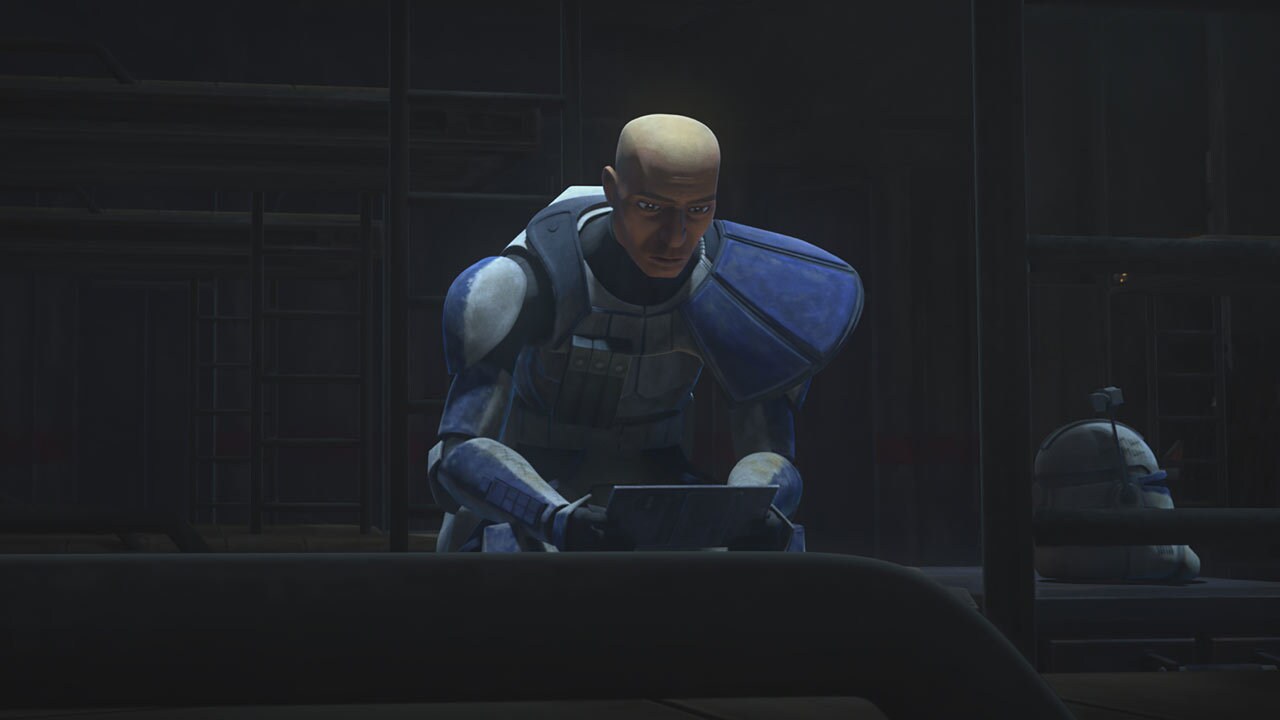
The Clone Wars were fought on more than battlefields. A world could be strategically important because it produced fuel, fed a fleet, controlled a hyperspace corridor, or housed a shipyard. This made local populations part of the conflict even when they did not choose a side. Ryloth, Christophsis, Umbara, Onderon, Mandalore, and countless unnamed systems each reveal a different relationship between planetary society and galactic war.
Occupation also had a cultural dimension. Republic and Separatist forces arrived with uniforms, broadcasts, checkpoints, rationing systems, and new claims about who counted as a legitimate authority. Local leaders had to decide whether to collaborate, resist, negotiate, or simply keep people alive. The war's moral vocabulary often reduced those choices to loyalty or treason, but anthropology notices the narrower decisions that make survival possible: which roads remain open, which languages are used at a checkpoint, which families can hide supplies, and which rituals continue under bombardment.
The military economy intensified those pressures. Clone armor, droid components, medical bacta, starship fuel, and replacement parts moved through commercial networks that converted planetary resources into campaign capacity. The Senate could describe the conflict as a defense of constitutional order, while ordinary workers experienced it as requisition, inflation, conscription, and interruption. The gap between those perspectives helped make the Republic vulnerable to a leader who promised to simplify politics through command.
Separatism, corporations, and manufactured consent
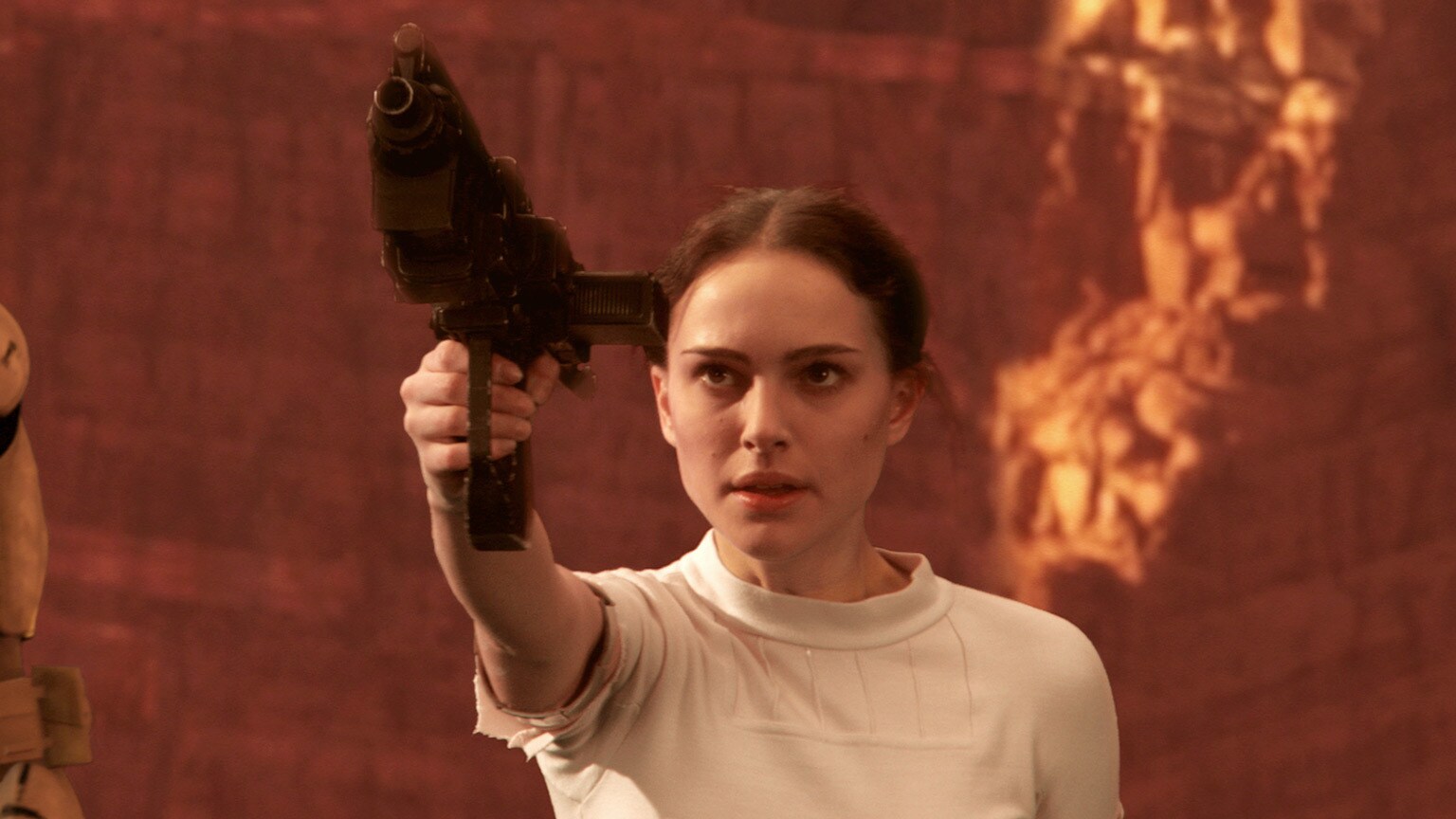
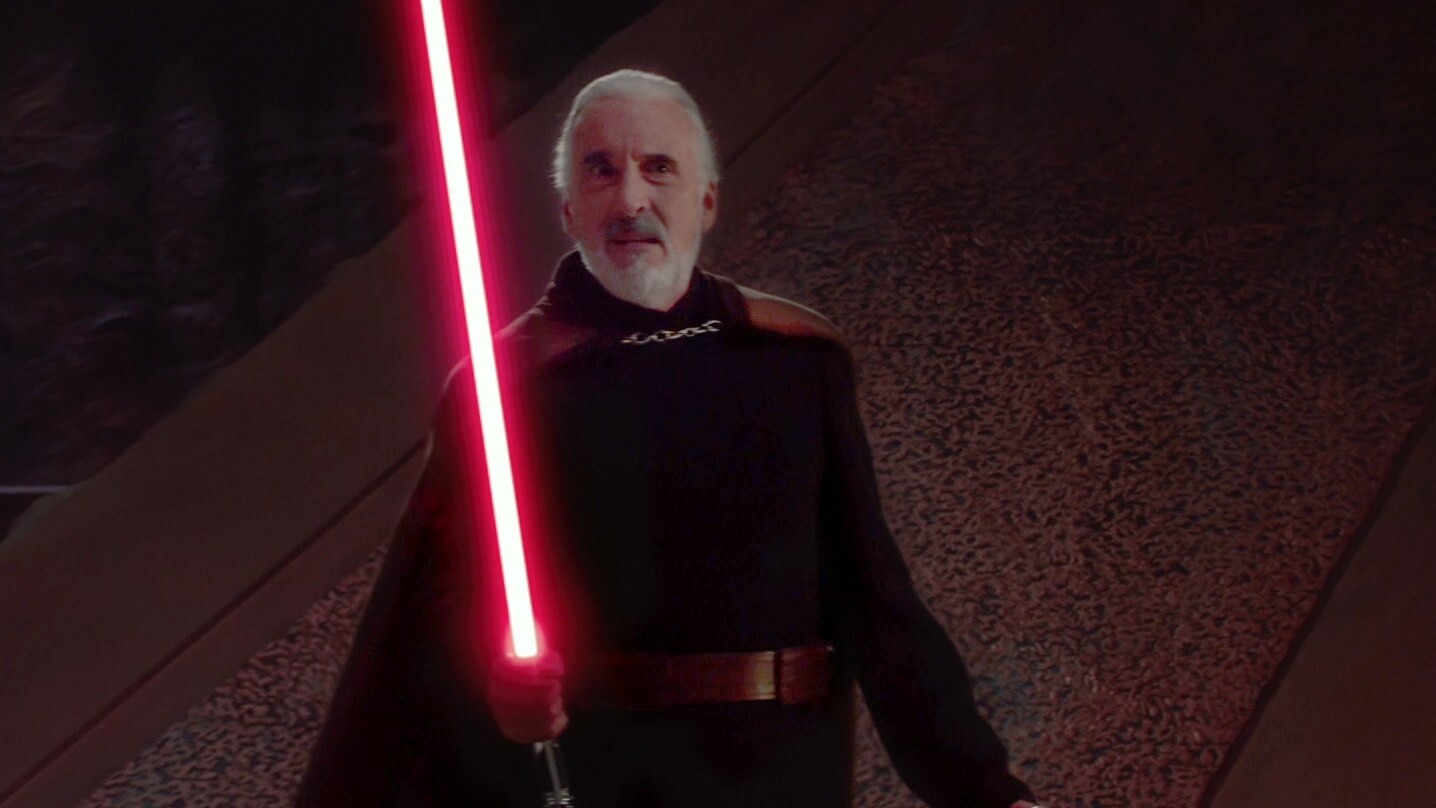
The Confederacy of Independent Systems should not be treated as a single social group. Count Dooku's coalition joined corporate interests, systems frustrated by taxation or representation, local elites seeking autonomy, and populations that believed the Republic had stopped listening. The Trade Federation, Techno Union, Banking Clan, and other institutions gave the movement industrial capacity, but their participation also revealed how economic power could be turned into political identity.
That coalition was structurally unstable. A corporation could want favorable contracts rather than independence. A planetary government could want sovereignty without wanting a permanent droid army. A senator could oppose corruption while fearing the social consequences of secession. Sidious exploited these contradictions by ensuring that negotiations were always shadowed by escalation. Dooku could speak as a reformer, yet his military apparatus made reform harder to achieve.
Propaganda made the arrangement durable. Republic citizens saw droid armies and heard that separation threatened the entire galaxy. Separatist citizens saw Jedi generals and Republic fleets and heard that the central government wanted to punish dissent. Each side could interpret the other's security measures as proof of hostile intent. In anthropological terms, the war did not only distribute violence. It produced categories of belonging that made violence appear inevitable.
Clones, droids, and the politics of personhood
Clone troopers and battle droids are often presented as opposites, but both were products of a system that tried to turn life into a controllable military resource. The clones were biologically engineered, accelerated, trained, and issued as an answer to the Republic's fear of disorder. Droids were manufactured, networked, and deployed as an answer to the Confederacy's demand for scale. Their differences matter, yet both armies allowed political leaders to place enormous numbers of beings in danger without asking ordinary citizens to bear the same risk.
The clones' individuality made that contradiction visible. Names, tattoos, armor modifications, humor, and squad traditions created a social world inside the military machine. Rex, Fives, Echo, Jesse, Cody, and their brothers built forms of kinship that were not recognized by the bureaucratic language of inventory. Their culture was a response to the pressure of being treated as replaceable. The inhibitor-chip plot becomes more powerful when read as an assault on that culture: Order 66 did not simply redirect weapons; it overrode relationships, memory, and judgment.
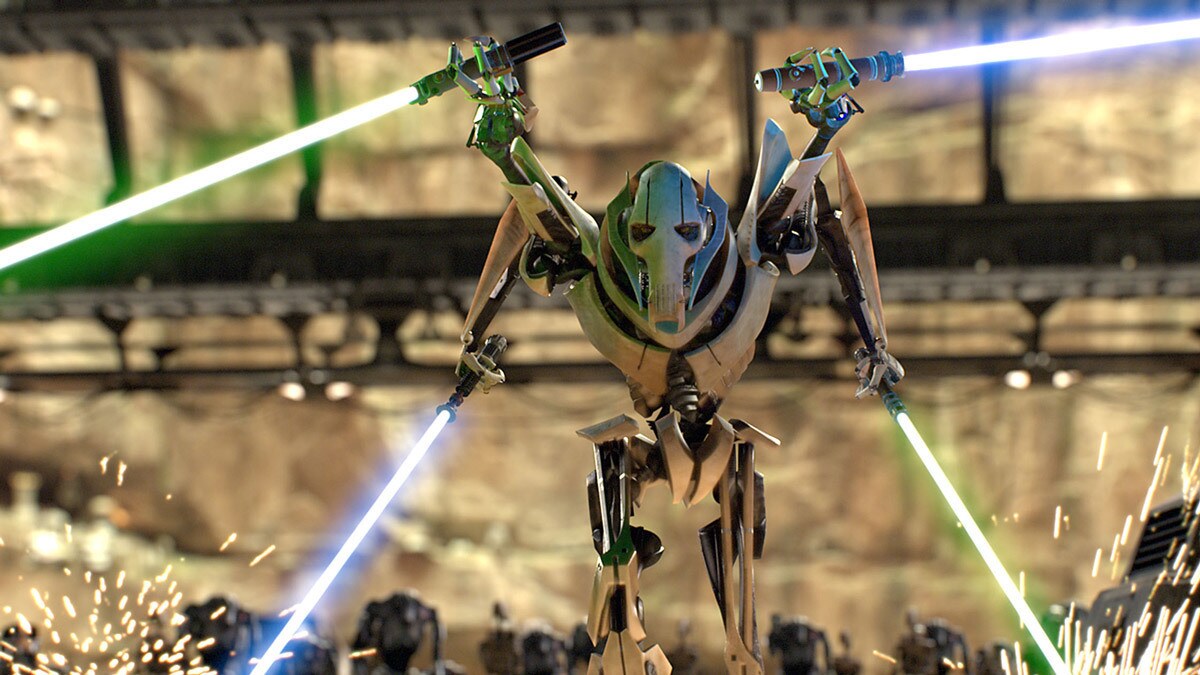
The droids raise a different question. Their mass deployment allows the Republic to imagine that its enemies are less than fully alive, even while Republic leaders depend on the same industrial logic. Episodes and comics that give droids humor, fear, or local attachments unsettle that distinction. The war's material culture therefore becomes an ethical archive. Helmets, serial numbers, command codes, and memory wipes are not neutral equipment. They are tools for deciding whose interior life is visible.
Memory after Order 66
Order 66 did not erase the Clone Wars. It reorganized their memory. The Empire needed citizens to remember the Jedi as traitors and the new regime as the force that saved civilization from collapse. Clone veterans were gradually absorbed, retired, or discarded as the stormtrooper system took over. On many worlds, the most immediate evidence of the past was not a museum but a grave, a damaged city, a surplus helmet, or a family story about an officer who never came home.
Later stories show memory returning through testimony. Ahsoka's refusal to accept the Jedi's official categories, Rex's struggle with the consequences of the chips, and the Bad Batch's attempt to protect one another all challenge the idea that the Empire began cleanly after a single announcement. The imperial state inherited personnel, databases, laboratories, tactics, and habits from the Republic. Its novelty was the new story it told about those inheritances.
That is why the era remains useful for the Imperial Dark Sector archive. A card showing a commander, clone, senator, or droid is also a fragment of a political process. Collecting can preserve the visual grammar of the war, but interpretation gives that grammar depth. The important question is not only which faction a character served. It is what kind of society their uniform, rank, technology, or absence made possible.
Sources and further reading
- The Eras of Star Wars, StarWars.com
- Clone Trooper, StarWars.com Databank
- Count Dooku, StarWars.com Databank
- Order 66, StarWars.com Databank
- Star Wars: The Clone Wars, StarWars.com
- Attack of the Clones, StarWars.com
- Revenge of the Sith, StarWars.com
Connected archive