The Rebel Alliance began as a network of movements that did not always agree about strategy, leadership, or the future of the galaxy. Senators, local resistance cells, former soldiers, smugglers, pilots, and ordinary civilians could oppose the Empire without sharing the same political program. Their common purpose was to make Imperial rule impossible to accept.
The Alliance’s eventual victory did not erase those differences. It created a new problem. A movement that had been organized to resist a centralized state now had to decide how to replace it. The transition from rebellion to government is one of the most important pieces of background for understanding the New Republic era.
Cells become an alliance
Early resistance groups operated locally. They protected communities, gathered intelligence, sabotaged Imperial infrastructure, and helped fugitives escape. Their limited resources made secrecy necessary. A cell could survive a raid if its members did not know the entire network, but that same separation made coordinated action difficult.
Political leaders including Mon Mothma, Bail Organa, and others helped turn scattered opposition into a broader alliance. The new structure could combine intelligence, logistics, diplomacy, and military planning. It could also give local fighters a reason to believe that their risks contributed to something larger than a single mission.
Information and logistics win wars
The Rebellion is often remembered through starfighter battles, but its survival depended on information and supply. Agents had to identify Imperial weaknesses, move people and equipment through contested space, and decide which targets mattered enough to justify the risk. The destruction of the Death Star was possible because intelligence from many sources reached commanders who could act on it.
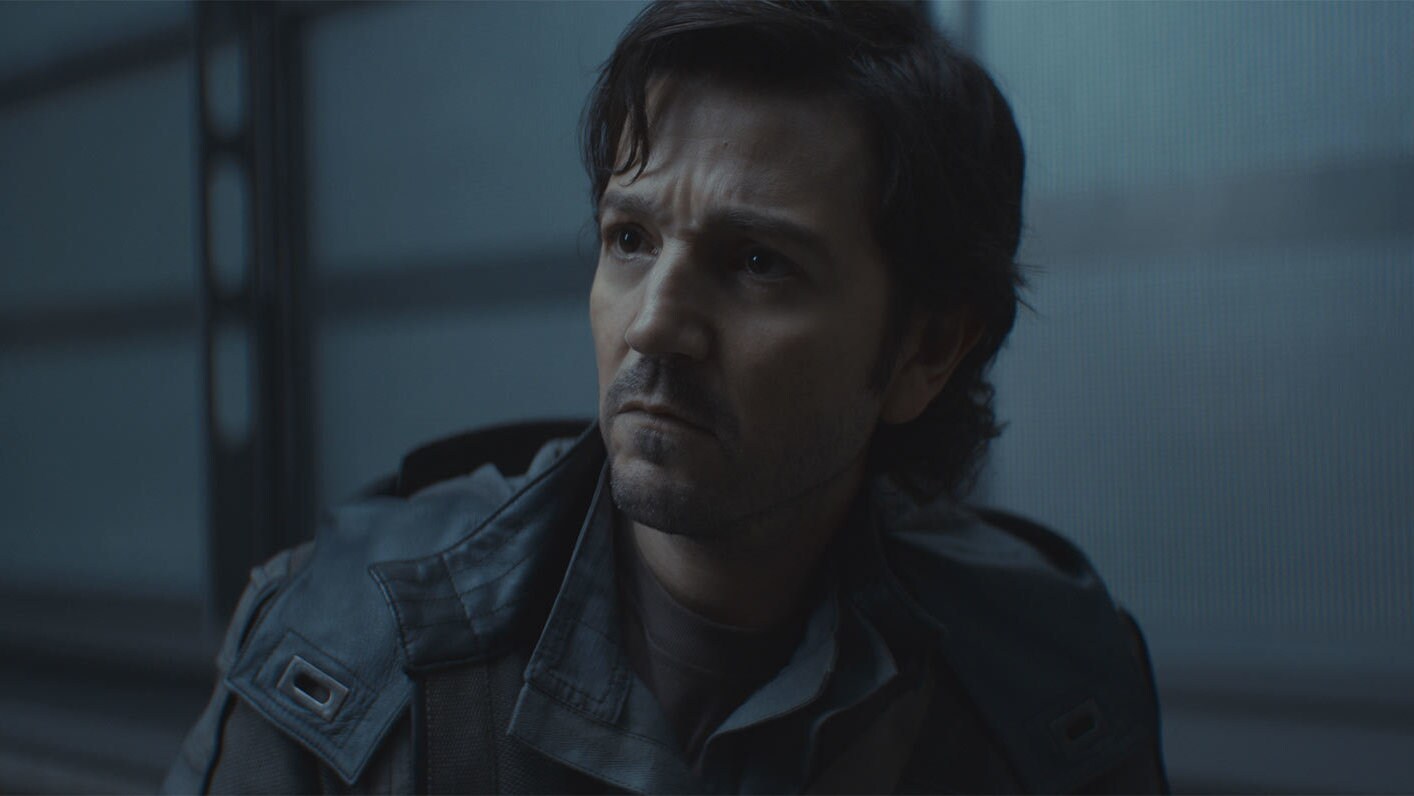
That structure explains why characters who do not command fleets remain central to the history. Leia Organa worked through diplomacy and field leadership. Cassian Andor operated inside intelligence networks where success could be invisible. Lando Calrissian and Han Solo brought local knowledge and personal risk into the Alliance’s larger plans. The Rebellion functioned because different forms of expertise were allowed to matter.
Alderaan, Yavin, and the cost of resistance
The destruction of Alderaan showed the Empire’s willingness to treat an entire population as a warning. It also turned grief into a political force. Leia’s survival carried the memory of a destroyed world into the Alliance, while the Death Star’s destruction demonstrated that Imperial weapons were not invincible.
Yavin became more than a military victory. It was proof that the Empire could be challenged in public. The Alliance still lacked the resources for a conventional war, but it now possessed a story capable of recruiting new support. Every Imperial failure gave neutral systems a reason to reconsider whether accommodation was safer than resistance.
Endor and the problem of victory
The battle at Endor destroyed the second Death Star, killed the Emperor, and broke the political center of the Empire. It did not automatically create a stable government. Imperial fleets, garrisons, bureaucracies, and local allies remained in place. Some surrendered. Others retreated, fought on, or became part of the Imperial remnant.
The Alliance therefore had to convert military momentum into institutions. It needed representatives, courts, supply systems, security policies, and a way to prevent the new government from becoming the same kind of centralized authority it had fought. That work was less dramatic than a space battle but carried longer consequences.
The New Republic and demilitarization
The New Republic emerged from the victory with a strong desire to prevent another Empire. Many leaders believed that reducing the central military and returning authority to member worlds would protect political freedom. That decision reflected real fear of concentrated power, but it also created a security gap.
The government had difficulty responding to the remaining Imperial threat because the threat no longer looked like a single public enemy. The First Order grew in the Unknown Regions while many New Republic officials treated the remnant as a problem that could be contained through diplomacy and distance. The political system that had been built to avoid another dictatorship became vulnerable to a movement that understood how to hide.
Why the transition still matters
The Rebellion and the New Republic are not simply a story of good people replacing bad people. They show how the goals of a resistance movement change after victory. A government must make rules for people who did not participate in the rebellion. It must protect former enemies without allowing them to rebuild the old system. It must preserve emergency capacity without turning every disagreement into a security threat.
For collectors, this history gives Rebel and New Republic cards a broader meaning. A character card can represent a cell, a military operation, a diplomatic effort, or the difficult politics of rebuilding. A vehicle card can point to the Alliance’s improvised logistics or the New Republic’s attempt to move beyond wartime institutions. The card becomes a record of the transition between resistance and governance.
The Rebellion and New Republic across the screen
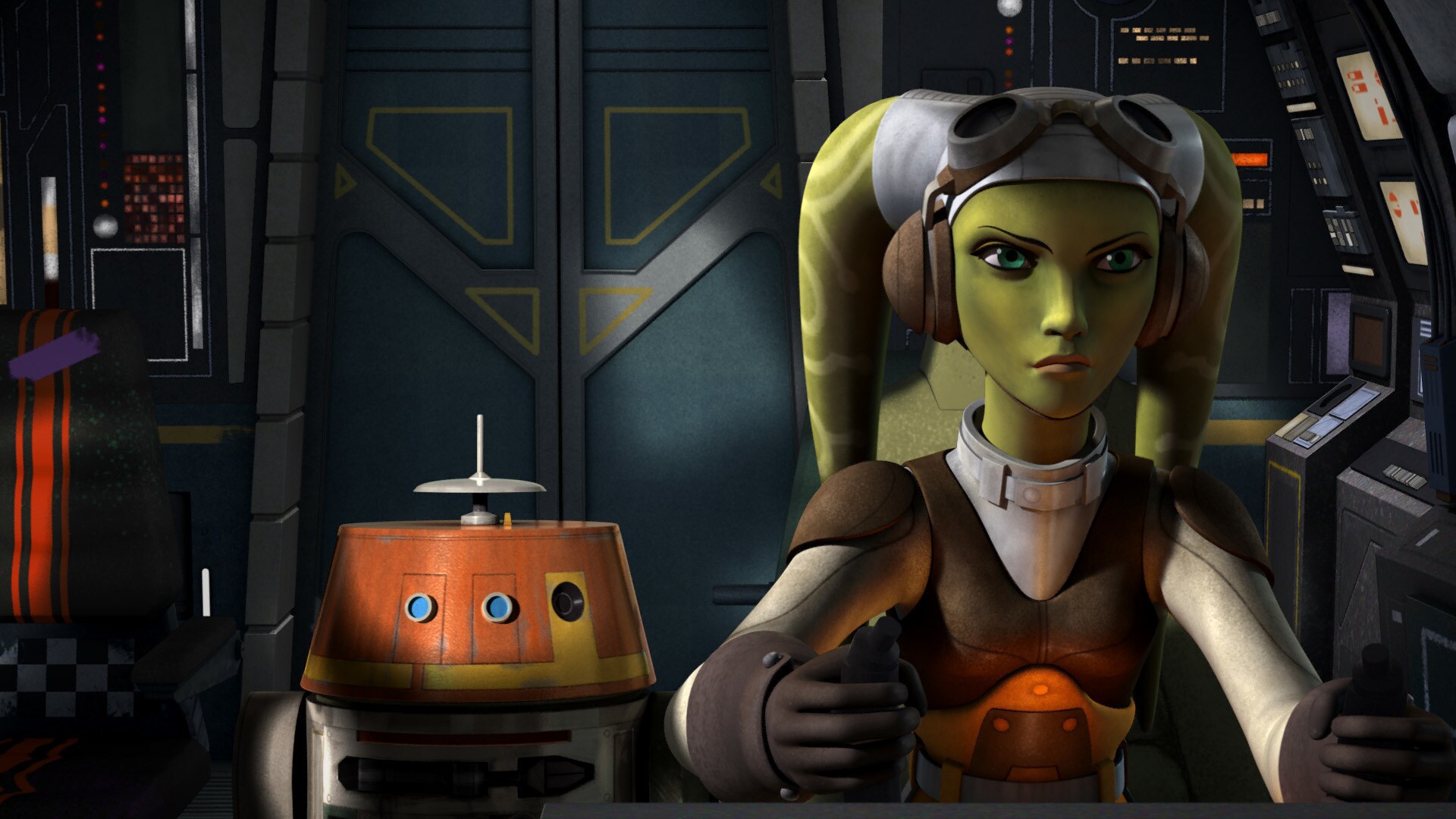
The Rebellion is assembled across several kinds of story. Andor follows the clandestine work of cells, informants, prison laborers, and financiers; Rogue One turns intelligence into a mission to recover the Death Star plans; Rebels shows a family-sized crew becoming part of a larger alliance; and the original trilogy records the war's public victories at Yavin, Hoth, and Endor. After the Empire falls, the Aftermath novels, Bloodline, The Mandalorian, and related comics follow the difficult conversion of a coalition into government.
The era is therefore not one revolution but two linked projects. The first is to make resistance possible under a surveillance state. The second is to make authority legitimate after resistance succeeds. The people who are good at sabotage are not automatically good at administration, and a government built by former rebels inherits both their courage and their habits of secrecy.
Cells, trust, and the social life of insurgency
Rebellion depends on relationships that cannot be fully written down. A courier knows one route, a safehouse keeper knows one name, a financier knows one account, and a cell leader may know only the people who report directly to them. This compartmentalization protects the movement, but it also makes trust difficult. People must act on incomplete information and accept that others may appear selfish, secretive, or reckless because the structure cannot explain itself.
Andor shows the emotional cost of that arrangement. Luthen Rael and Mon Mothma move through different social worlds while carrying the same hidden objective. Saw Gerrera refuses the discipline of coalition because he fears compromise. Cassian begins as someone who survives by improvising and gradually learns that collective action requires obligations beyond personal escape. The rebellion is made of people whose motives do not perfectly align.
Ritual helps create unity where information cannot. The Aldhani heist, the funeral on Ferrix, the speeches of Leia and Mon Mothma, and the ceremonial presentation of medals all give dispersed actors a shared language. Songs, uniforms, insignia, and public gatherings convert private risk into a story about a people. Insurgency becomes durable when communities can imagine their actions as part of a future larger than the cell.

From military victory to political legitimacy
Endor removes the Emperor's central authority, but it does not solve the galaxy's political geography. Imperial governors, fleets, corporations, local elites, and communities with their own grievances remain. The New Republic must decide how much power to centralize, how to disarm former combatants, and how to provide security without reproducing the emergency state it defeated.
Those choices are anthropological because they involve trust. A government is legitimate when people believe its institutions can hear claims, resolve disputes, and distribute protection without turning every disagreement into treason. The Rebellion's wartime secrecy is valuable during occupation, but secrecy can become a liability when citizens need transparent procedures. The New Republic's struggle is partly the struggle to turn a moral narrative into dependable routines.
Mon Mothma embodies the tension. She is a skilled organizer because she understands networks, resources, and danger, but public government requires her to make decisions in front of people who do not share the rebellion's private context. Leia faces the same problem from another direction. Her authority comes from service and family history, but those inheritances are used against her when the Republic treats the past as a political weapon.

Demobilization, trauma, and unfinished war
Revolutions often celebrate the moment of victory and underdescribe what follows. Fighters need homes, work, medical care, and a way to live with actions that were once necessary but are now illegal. Prisoners need justice and reintegration. Worlds that collaborated with the Empire need a path back into regional politics. Former Imperial personnel may have information that is valuable, but giving them a role can feel like rewarding the people who caused harm.
The New Republic's weaknesses come from this unfinished transition. Demilitarization is morally attractive after years of war, but it can also create gaps that hidden loyalists exploit. Regional autonomy can protect local cultures, but it can also make coordinated defense slow. Amnesties can prevent endless purges, but without truth processes they may leave victims feeling that history has been closed too soon.
Stories set after Endor keep returning to ordinary infrastructure because rebuilding is visible in small things: a base, a transport route, a town council, a veteran's workshop, or a school. These spaces are the opposite of the Death Star's spectacle. They make freedom measurable through daily access to food, movement, education, and safety.

Memory, myth, and the return of authoritarianism
The New Republic inherits the Rebellion's founding myth, but myths can become selective. A heroic account of Endor may hide the sacrifices of local communities, the politics of the Senate, the labor of intelligence networks, or the violence used by different rebel factions. If the Republic remembers only a clean victory, it will be less prepared to recognize the conditions that make a new authoritarian movement possible.
The First Order exploits exactly that distance. It grows in the margins of a government that assumes the Empire is finished. Bloodline shows how the revelation of Leia's parentage becomes a crisis because political institutions have not built a mature way to discuss the past. Silence turns history into scandal, and scandal becomes a tool for those who want to discredit democratic leadership.
For collectors, Rebellion and New Republic imagery is a record of coalition. A pilot helmet, a spy's coat, a senator's dress, a transport, a medal, or a rebel base can show how people with unequal status coordinate around a shared danger. The archive becomes strongest when it holds the spectacular battle beside the slow work that made the battle possible.
Sources and further reading
- The Eras of Star Wars, StarWars.com
- Rebel Alliance, StarWars.com Databank
- Mon Mothma, StarWars.com Databank
- New Republic, StarWars.com Databank
- Andor, StarWars.com
- Rogue One: A Star Wars Story, StarWars.com
- New Republic, StarWars.com Databank
- The Mandalorian, StarWars.com
Connected archive