01 · Orientation
Summary
Mandalorian religion is not one universal creed shared identically by all Mandalorians. The Children of the Watch treat the Way as a binding sacred discipline, while other Mandalorians relate to armor, ancestors, homeland, the Mythosaur, and the Living Waters through different combinations of history, politics, and belief.
02 · Cosmology
Worldview and religious ideas
For the Children of the Watch, Mandalorian identity is a creed entered and maintained through disciplined practice. Other Mandalorians challenge the sect's rules while still treating Mandalore, lineage, armor, and inherited symbols as culturally powerful.
03 · Practice
Ritual, discipline, and everyday religion
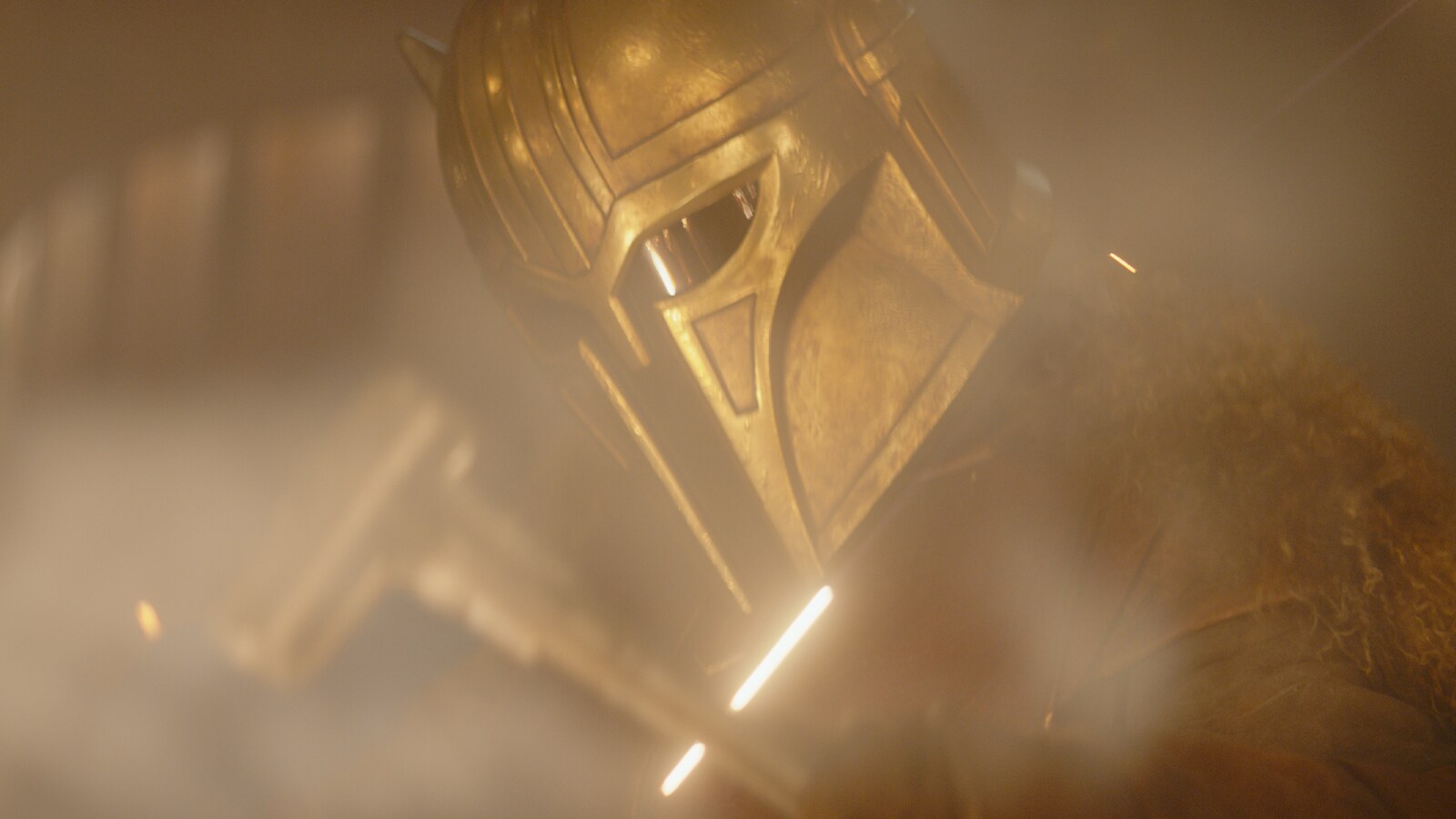
Helmet rules, oath-taking, foundling adoption, armor forging, recitation of 'This is the Way,' communal covert life, pilgrimage to the Living Waters, and rites of redemption structure the Children of the Watch. These practices should not be projected onto all Mandalorians.
04 · Authority
Institutions and religious leadership
The Armorer interprets and enforces the Way within Din Djarin's covert. Elsewhere, clans, houses, rulers, warriors, and political leaders claim different forms of Mandalorian authority.
05 · Material religion
Sacred places, objects, and landscapes
Mandalore itself, the Mines of Mandalore, the Living Waters, beskar, ancestral armor, the Darksaber, and the Mythosaur can carry sacred or quasi-sacred meaning depending on the community and era.
06 · Change over time
History, rupture, and continuity
Civil wars, pacifist reform, Death Watch, Imperial destruction, diaspora, and attempted restoration repeatedly transformed how Mandalorians understood tradition. The Children of the Watch preserve one especially strict interpretation rather than a timeless universal norm.
Connected archive