The Inquisitorius was an Imperial organization created to locate and eliminate Jedi and other Force-sensitive survivors after Order 66. Its members were often former Jedi who had been captured, broken, or forced to serve the regime. They were given weapons, authority, and access to Imperial information, but they operated beneath Darth Vader and did not replace the Sith.
That distinction matters. The Rule of Two reserved the title of Sith for the master and apprentice. Inquisitors could use the dark side and carry red lightsabers without becoming Sith Lords. Their role was practical: find targets, exploit fear, and prevent a surviving Jedi tradition from becoming a symbol around which resistance could gather.
The purge becomes an institution
Order 66 destroyed most of the Jedi Order in a single coordinated attack, but the Empire knew that some survivors would escape. A few could disappear into remote communities. Others retained combat skills, contacts, or knowledge of the old Order. The Inquisitorius gave the Empire a standing response to that problem.
Imperial authorities could report a suspected Jedi, a Force-sensitive child, or an unexplained act of resistance. Inquisitors then followed leads through interrogations, informants, records, and surveillance. The result was a form of counterinsurgency aimed at memory as much as at military capability. The Empire wanted survivors dead, but it also wanted ordinary people to believe that helping them was dangerous.
Vader and the Grand Inquisitor
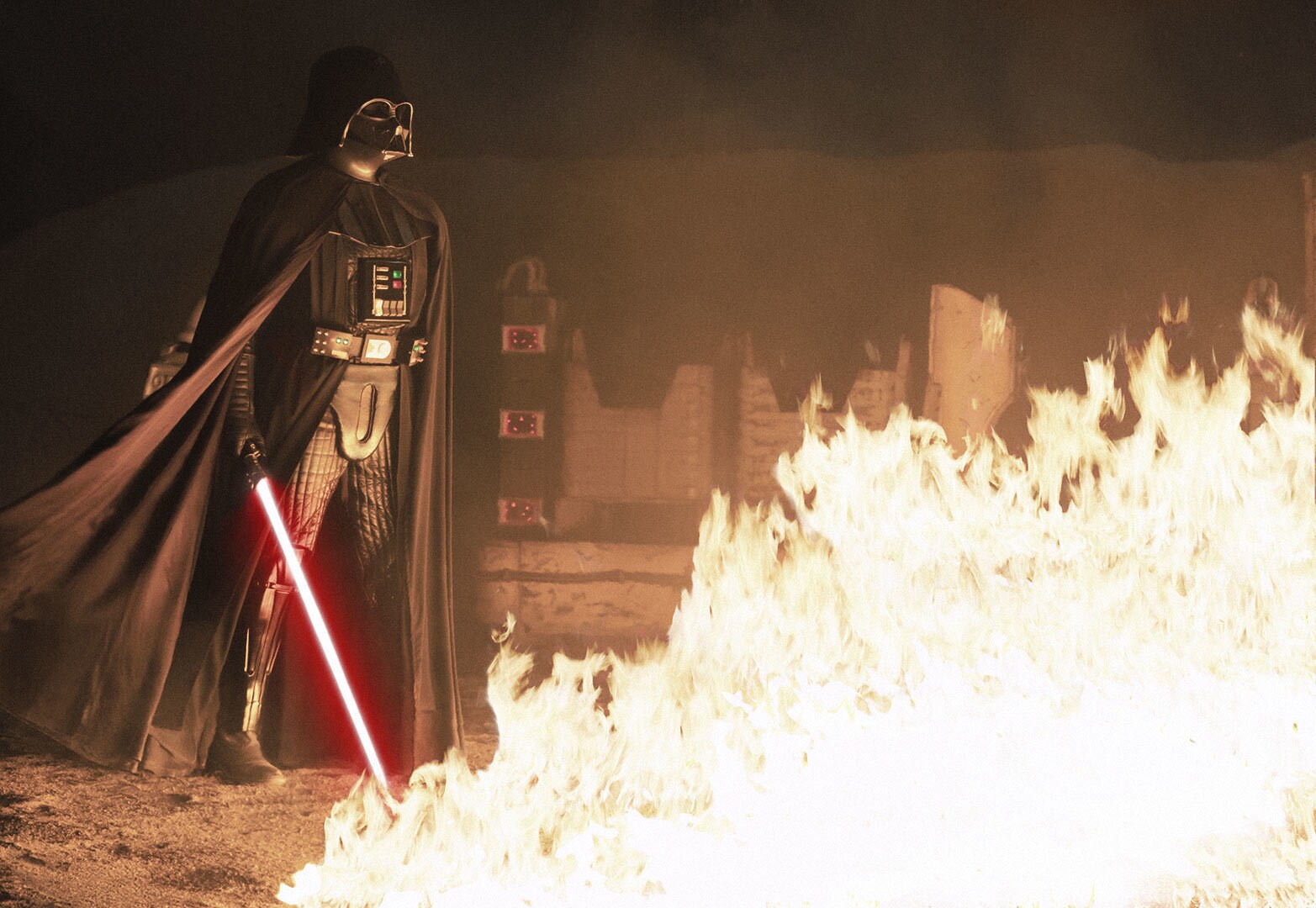
Darth Vader stood above the Inquisitors as their enforcer and judge. He could train them, punish them, or kill them when they failed. That relationship kept the organization divided. Every Inquisitor needed enough initiative to hunt effectively, but too much independence could look like a challenge to Vader’s authority.
The Grand Inquisitor served as the senior figure among the group in the early years of the Empire. His previous life as a Jedi Temple Guard gave him knowledge of Jedi habits, archives, and investigative methods. His fall showed one of the Empire’s central strategies: turn the Order’s own expertise against the people who remained loyal to it.
Fortress Inquisitorius
The organization operated from Fortress Inquisitorius on the moon of Nur in the Mustafar system. The fortress was designed as a headquarters, prison, and interrogation site. Its location connected Imperial secrecy to Vader’s domain, while its architecture treated captured Jedi as information sources before treating them as enemies to destroy.
Official records from the era describe an Inquisitorial database that tracked Jedi believed to have survived the initial purge. The database represents a shift from battlefield victory to information control. A survivor was not only a person with a lightsaber. A survivor was a name, a movement, a possible witness, and a risk to the Empire’s version of history.
Why the Inquisitors were effective
Inquisitors had three advantages that ordinary Imperial forces lacked. They understood the Force. They could recognize Jedi training and anticipate how a survivor might respond. They also had permission to operate across local jurisdictions, which allowed them to intimidate officials who might otherwise resist an outside investigation.
Their weakness was equally important. Most Inquisitors were not committed to a shared philosophy. They were competing survivors, former Jedi, or ambitious Force-sensitive agents who had accepted a system built on fear. Their authority depended on Vader and the Empire. When local officers, rebels, or Jedi forced them into situations where personal history mattered more than orders, that structure could fracture.
Survivors who refused the script
The Inquisitorius existed to make every surviving Jedi choose between hiding and confrontation. Obi-Wan Kenobi withdrew into secrecy. Kanan Jarrus built a new identity before returning to the fight. Cal Kestis preserved knowledge while moving between resistance and escape. Ahsoka Tano rejected the Order’s old institutions but continued to act from its concern for ordinary lives.
These survivors complicated Imperial propaganda. The Empire could call the Jedi traitors, but it was harder to erase the evidence that individual Jedi protected civilians, trained young people, and challenged Imperial violence. Every failed Inquisitor hunt created another story the Empire had to suppress.
The end of the hunt
The Inquisitorius did not disappear because the Empire stopped fearing Jedi. It became less visible as the remaining Jedi were killed, scattered, or forced into deeper isolation. The organization’s records and methods could survive through Imperial remnants even after the central government lost control of the galaxy.
For collectors, Inquisitor cards are strongest when read as part of that institutional history. The Grand Inquisitor, Fifth Brother, Seventh Sister, and other hunters represent different forms of Imperial authority. A sketch or autograph can be tied to the character’s weapon and costume, but the lore gives the image its meaning: each Inquisitor is evidence of how the Empire tried to turn the Jedi purge into an administrative system.
The Inquisitorius in screen stories and games
The Inquisitorius appears across Obi-Wan Kenobi, Star Wars Rebels, Jedi: Fallen Order, Jedi: Survivor, Tales of the Empire, and related comics and novels. The names change by story: Grand Inquisitor, Second Sister, Third Sister, Fifth Brother, Seventh Sister, Ninth Sister, Tenth Brother, and others. Their variety matters. The program is not a second Jedi Order. It is an Imperial policing system designed to make former Jedi, Force-sensitive fugitives, and communities that shelter them feel watched from every direction.
The Inquisitors are useful to the Empire because they combine specialized knowledge with public fear. Stormtroopers can occupy a street, but an Inquisitor can interpret a lightsaber trace, identify a survivor's habits, and turn a rumor into a hunt. Their existence also makes the Empire's claim to have eliminated the Jedi less credible. The regime must keep hunting because it knows memory cannot be killed by proclamation.
From Jedi identity to Imperial instrument
Many Inquisitors were once Jedi or served near the Order. That history gives the program its psychological force. A former Jedi knows how survivors hide, how temples organize information, how a Padawan thinks under pressure, and which forms of compassion can be exploited. The Empire turns knowledge that was once used for protection into a technology of pursuit.
Recruitment is therefore a form of coercive conversion. Some survivors are captured, tortured, blackmailed, or offered a narrow path to survival. Others are drawn by resentment, grief, or the promise that proximity to power can prevent them from becoming victims again. The regime does not need them to believe in a coherent Sith theology. It needs them to accept the hierarchy that distributes pain.
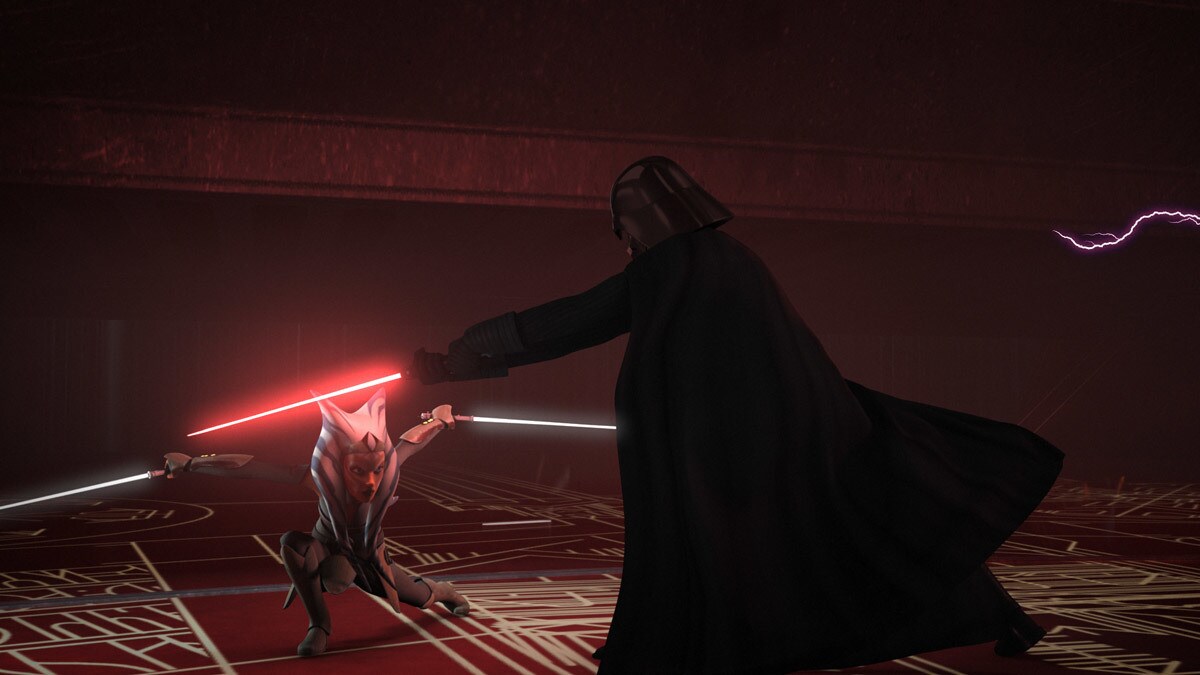
The lightsaber becomes a contested object in this process. For the Jedi it represented discipline, service, and a relationship to the Force. For the Inquisitorius it becomes evidence, trophy, and threat. The spinning red blades are theatrical because they communicate that the old symbol has been captured. Yet the performance also exposes insecurity. The Empire must imitate the Jedi's visual authority because it cannot create an equally deep tradition of its own.
Surveillance, archives, and the geography of fear
Inquisitor work depends on information. They read reports, examine old temple records, interrogate informants, search spaceports, and track patterns in rumors. A survivor is rarely hunted only through direct combat. The Empire seeks the networks that sustain survival: a medic, a ship captain, a safehouse, a shrine, a family name, or a local story about a stranger who arrived without a past.
This makes the Inquisitorius an archive-making institution. Every raid adds a record; every interrogation produces a map; every dead end teaches the Empire which routes remain possible. The same process can also preserve traces of the Jedi. A stolen holocron, hidden list, or recovered lightsaber becomes dangerous evidence, but it can also outlive the officials who hoped to control it. Imperial surveillance expands the archive even as it tries to destroy its subjects.
Communities respond with counter-archives. They pass information through songs, coded gestures, altered names, and inherited stories. A child may learn that a certain cave is never to be entered, or that a certain traveler is not to be questioned. These practices look small beside Imperial machinery, but they preserve social memory. The Inquisitorius cannot fully govern a population that keeps knowledge in forms its databases cannot read.
Hierarchy, rivalry, and disposable agents
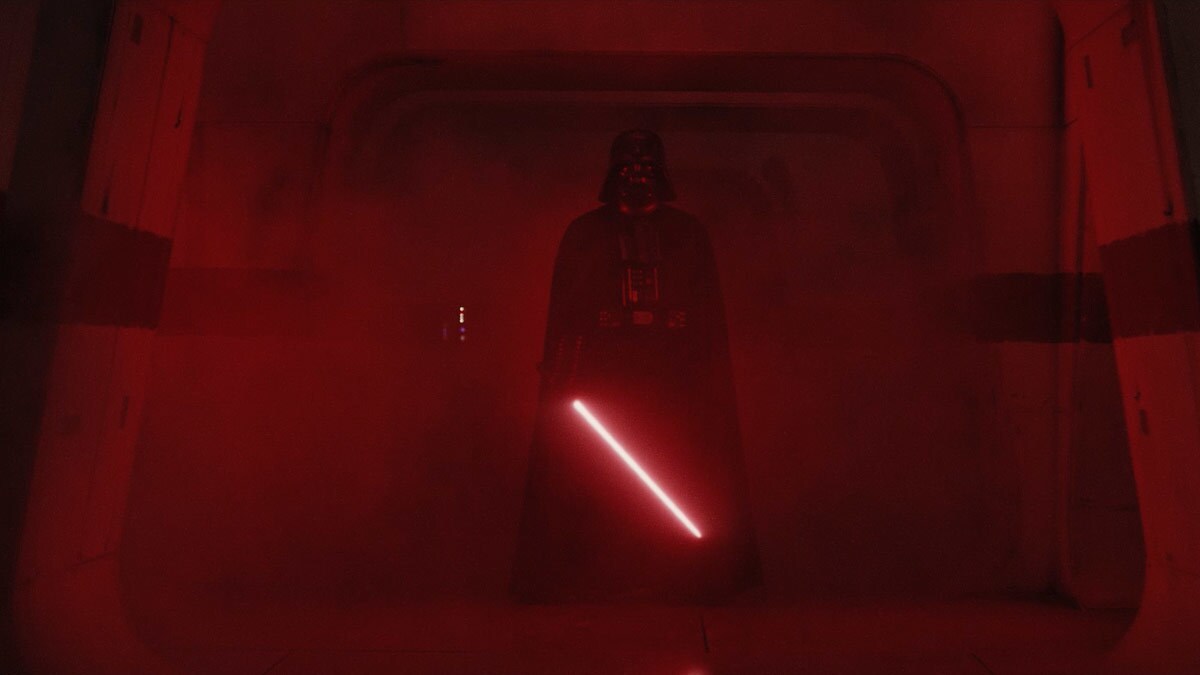
The Inquisitors are dangerous, but they are also disposable. Their rank gives them authority over ordinary soldiers and local police, yet they remain subordinate to Vader and the Emperor. This creates rivalry inside the program. Agents compete for information, punish one another, and try to prove usefulness to superiors who may eliminate them when their failure becomes inconvenient.
The hierarchy turns trauma into administration. A former Jedi's pain is not treated as something to heal. It is measured as aggression, redirected toward targets, and rewarded when it produces results. The Inquisitor's body becomes state property: trained, scarred, armored, and displayed. The uniform is a promise of power over others and a reminder that the wearer can lose protection at any moment.
Reva Sevander's story makes that contradiction explicit. Her pursuit of Obi-Wan is entangled with the memory of Order 66, the murder of younglings, and her attempt to reach Vader through the institution that has used her. Her choices do not cancel the harm she causes, but they show how Imperial systems can turn survivors into agents of their own unresolved history.

Why the Jedi survive the hunt
The Inquisitorius never achieves total success because the Jedi are not only a formal order. They are also habits of attention, stories about mercy, techniques of teaching, and relationships between people who choose to protect one another. A survivor can hide a lightsaber, but the deeper challenge is deciding whether the Jedi identity can exist without a temple or council.
That question connects the Inquisitor stories to Cal Kestis, Kanan Jarrus, Ezra Bridger, Ahsoka Tano, Obi-Wan Kenobi, and the young people they protect. Some carry the old Order forward; some reject its institutional form; some build new practices from its fragments. The Empire can destroy archives and monuments, but it cannot easily prevent people from making meaning together.
For collectors, Inquisitor imagery belongs beside the Jedi images it tries to invert. A red blade, a circular fortress, a helmet, or a holocron records a struggle over who has the right to define the Force. The program is historically important not because it proves the Jedi ended, but because it documents the Empire's fear that they had not.
Sources and further reading
- Inquisitorial Database, StarWars.com Databank
- The Grand Inquisitor, StarWars.com Databank
- Fortress Inquisitorius, StarWars.com Databank
- Darth Vader, StarWars.com Databank
- Obi-Wan Kenobi, StarWars.com
- Star Wars Rebels, StarWars.com
- Jedi: Fallen Order, StarWars.com
- Inquisitorius, StarWars.com Databank
Connected archive