The Rise of the First Order is the moment when the postwar settlement discovers that the old regime has not disappeared; it has changed form. The official era framework describes the First Order as an imperial legacy that strikes at the New Republic, forcing the Resistance and a new generation of heroes to confront a threat their elders believed they had ended. The central screen texts are The Force Awakens, The Last Jedi, and The Rise of Skywalker, with Star Wars Resistance, the Bloodline novel, and the Age of Resistance comics supplying connective tissue.
From remnant to First Order
The First Order does not simply put Imperial uniforms back on. It radicalizes the Empire’s aesthetic and social logic. The old regime wanted to appear like the natural government of the galaxy; the First Order embraces the spectacle of a permanent mobilization. Starkiller Base, stormtrooper formations, red insignia, mass rallies, and the language of order make domination theatrical. The state wants subjects to see power before they feel its law.
That transformation is nourished by hidden networks. Imperial officers, financiers, laboratories, indoctrination programs, and distant worlds preserve a politics of restoration while the New Republic debates whether the past is still relevant. The First Order’s strength is therefore partly archival: it gathers the old Empire’s techniques and combines them with a new generation trained to regard compromise as weakness.
The politics of nostalgia
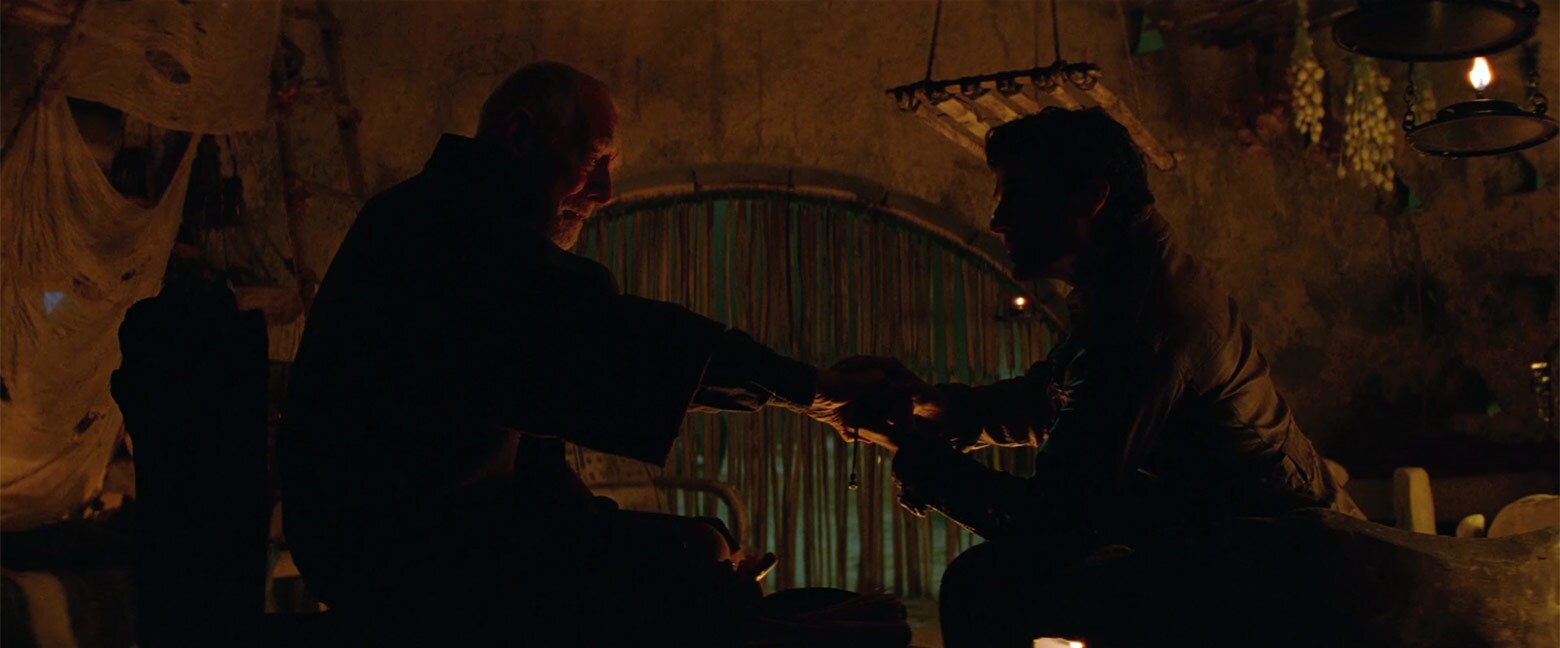
The First Order succeeds partly by turning Imperial history into a usable political memory. It does not ask every citizen to mourn the old Empire. It offers a selective image of it: disciplined, decisive, technologically powerful, and free from the compromises that slowed the New Republic. The violence of occupation is pushed out of view while the symbols of authority are made larger and cleaner.
This is nostalgia as political practice. It simplifies the past so that present obedience feels like restoration rather than radical change. Officers can describe themselves as heirs to order. Young recruits can be told that they are correcting the weakness of their parents. Worlds that feel neglected by the New Republic can be promised protection without being told what that protection will cost.
The First Order also turns failure into proof. Every disagreement inside the New Republic becomes evidence that democracy is inefficient. Every delay becomes evidence that civilian government cannot protect anyone. The regime does not need to prove that the Empire was good. It only needs to make the present government appear incapable of responding to fear.
Hosnian Prime and the collapse of distance
The Force Awakens begins with a search for Luke Skywalker and turns into a war over whether the galaxy can be governed by a center at all. The destruction of the Hosnian system is the First Order’s answer to the New Republic’s capital: remove the visible center, and the political field becomes panic. The weapon is military, but the message is anthropological. People are being taught that public institutions cannot protect them and that only force can create safety.
Leia Organa responds by preserving the Resistance as a network after the New Republic’s formal defense structure collapses. Poe Dameron, Finn, Rey, Rose Tico, Chewbacca, BB-8, and the surviving crews become more than a replacement army. They are a mobile public. They carry news, rescue people, maintain relationships, and keep a political idea alive while territory and command systems disappear.
Training, language, and social control
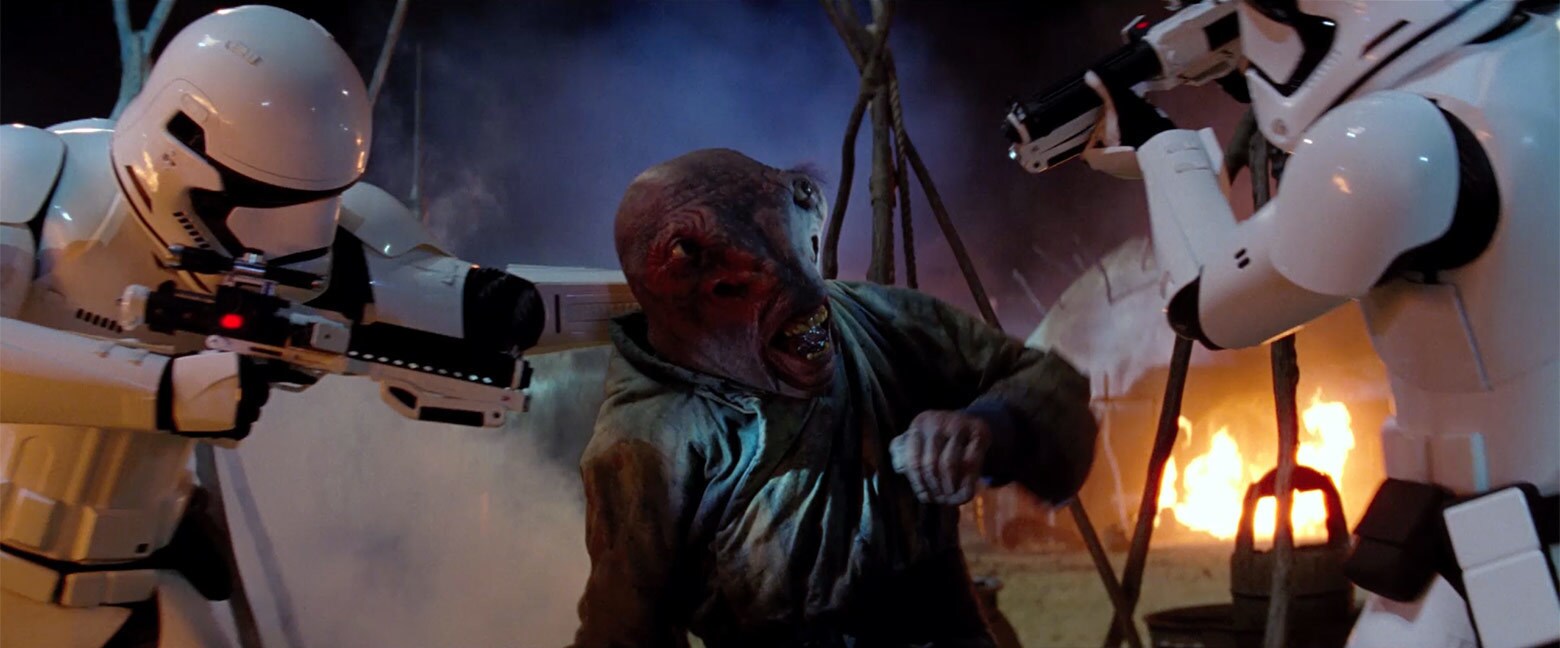
Finn’s designation is one of the First Order’s most direct forms of control. A number replaces a personal name and places the individual inside a production system. The designation tells the soldier that their value comes from function, not biography. It also makes it harder to build a public identity outside the army because the state has already defined the person in its own language.
Indoctrination works through repetition. Recruits train together, receive the same commands, wear the same armor, and learn to interpret hesitation as failure. The structure reduces opportunities for alternative relationships. A child who has never known a different social world may experience obedience as the only available form of belonging.
Resistance begins with language. Finn chooses a name that is not issued by the First Order. Other defectors on Kef Bir describe the moment they recognize that their training does not exhaust their moral possibilities. The choice to speak as a person does not immediately undo coercion, but it creates a social connection that the military system was designed to prevent.
Finn, Rey, and stolen identity
Finn’s escape from the First Order exposes its most important social technology: the conversion of children into instruments. His designation replaces his name; training replaces family; obedience is presented as identity. The fact that he can refuse does not erase the people still trapped inside the system. Finn’s later leadership is powerful because he transforms a stolen childhood into solidarity with other defectors and conscripted soldiers.
Rey’s story asks a parallel question from the other direction. She grows up on Jakku with an identity organized around abandonment and waiting. The promise that lineage will explain her is repeatedly offered and disrupted. In The Rise of Skywalker, the revelation of Palpatine ancestry turns genealogy into a political weapon, but Rey’s choice insists that inheritance is not destiny. Ben Solo’s fall and return add a third dimension: a family legacy can be confessed without becoming a command.

The Resistance as a mobile public
After the destruction of the Hosnian system, the Resistance loses the advantages of a conventional state. It has fewer ships, limited supplies, and no secure capital. Yet it remains politically significant because it carries communication between communities. A Resistance convoy is a military force, but it is also a moving archive of testimony, plans, and relationships.
This mobile structure changes leadership. Poe Dameron must learn that a successful operation is not enough if it destroys the people the movement needs to survive. Leia’s command depends on maintaining trust while refusing to reveal every part of the plan. Rose Tico’s insistence on care challenges the idea that victory can be measured only by strategic results.
The Resistance becomes a public because people can join it without first becoming identical. Pilots, mechanics, former stormtroopers, smugglers, senators, and local volunteers contribute different skills. Their common identity is built through action. It remains fragile, but it is more flexible than the First Order’s enforced uniformity.
Crait and the ethics of survival
The Last Jedi narrows the war to evacuation, exhaustion, and the problem of leadership after failure. The Resistance loses ships, personnel, and confidence. Holdo’s decision, Rose and Finn’s mission, Poe’s challenge to command, and Luke’s final stand on Crait all ask how a movement should respond when heroism becomes a scarce resource. The answer is not that sacrifice is always noble. It is that a community must learn to distinguish a meaningful risk from the desire to feel heroic.
Luke’s encounter with Rey returns the Jedi question to the center of the political story. The old order’s collapse was not caused only by the Sith; it was also caused by a narrow account of what the Jedi were allowed to be. The sacred texts, Ahch-To, Yoda’s intervention, and Luke’s final projection all move toward a tradition that can be inherited without being copied. The Jedi future depends on treating failure as knowledge rather than as a reason to disappear.
Exegol and the Sith Eternal
The Rise of Skywalker reveals the First Order as part of a larger Sith project centered on Exegol and the Final Order. The Sith Eternal turns secrecy into a civilization: hidden fleets, ritual allegiance, industrial production, and the promise of resurrection combine into a politics of eternal return. Palpatine’s survival is narratively supernatural, but it also represents a social fantasy familiar from authoritarian history—the belief that the leader is the state and that the state can never be allowed to die.
The final conflict joins multiple communities. Rey, Ben, Finn, Poe, Jannah, Rose, Lando Calrissian, Zorii Bliss, and ordinary people across the galaxy create a counterpublic that answers the Sith with participation. The fleet that arrives above Exegol is not a restored republic. It is a distributed memory of earlier struggles, a population deciding that the official story of helplessness is false.
Anthropology of repetition and repair
This era is shaped by generational trauma. Leia and Luke inherit the scars of the Empire; Rey, Finn, Poe, and Ben inherit the consequences of the New Republic’s failures. The First Order exploits that gap by offering young people an identity that is simple, total, and violent. The Resistance must offer something harder: a community that permits doubt, grief, difference, and responsibility.
That is why friendship is not decorative in the sequel era. Rey’s bond with Finn and Poe, Rose’s insistence on care, Leia’s patient mentorship, and Ben’s return from domination all contest the idea that power is proven through isolation. Even the Jedi spirits in the final battle matter as ancestors who assist without reclaiming sovereignty. The future is won when the past becomes a resource for solidarity instead of a throne for the dead.

After the Sith weapon
The destruction of Exegol ends the visible command structure of the First Order and Sith Eternal, but it cannot instantly repair the galaxy’s political institutions. Worlds must decide who governs local security. Former soldiers must decide whether to surrender, defect, or continue fighting. Families must explain the disappearance of children into military systems. The Resistance must determine how much authority it should transfer to a future government.
Rey’s decision to carry the Skywalker name addresses one part of the crisis. She does not deny the history of the Sith or pretend that ancestry has no consequences. She chooses to place a difficult inheritance inside a different ethical practice. Ben Solo’s return makes a related claim about accountability. A person can reject domination, but the harm already done still belongs in the community’s memory.
The next political order will need more than a final victory. It will need public records, local participation, demobilization, education, and ways for survivors to speak about coercion without being treated as evidence of weakness. The First Order era ends when the weapon is destroyed, but its social work continues in the institutions built afterward.
Repairing a broken political imagination
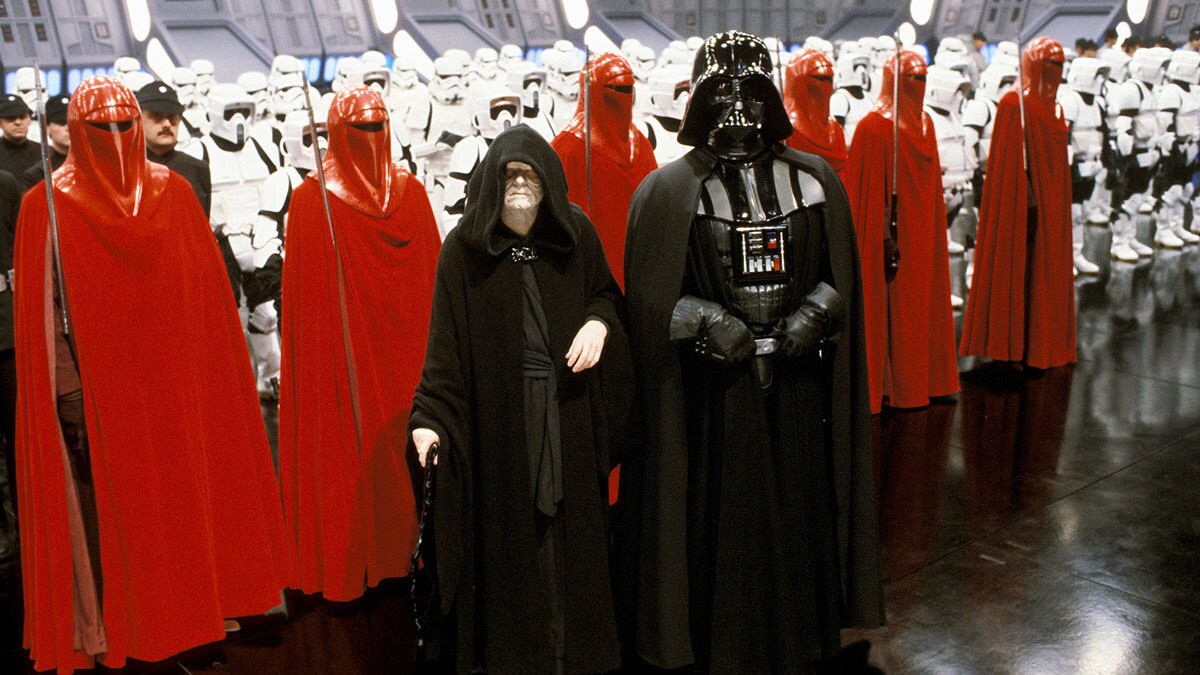
The First Order is difficult to defeat because it attacks the imagination of political possibility. It tells citizens that government can have only two forms: weak debate or strong command. The Resistance must show that another form is possible, one that can coordinate action without eliminating disagreement.
Rey, Finn, Poe, Rose, and Leia model different parts of that work. Rey confronts the claim that bloodline determines moral identity. Finn confronts the claim that training determines a person’s purpose. Poe confronts the claim that courage means acting without consultation. Rose confronts the claim that victory excuses the abandonment of vulnerable people. Leia holds these concerns together through leadership that is firm without treating every question as disloyalty.
The sequel era also makes political repair personal. Ben Solo’s return does not restore the people he harmed, and Rey’s decision does not erase the history of the Sith. Repair requires a community to remember the damage while refusing to let the person who caused it define the future. That is a difficult standard for any postwar society because accountability and reintegration can pull in different directions.
The final battle therefore matters beyond the destruction of Exegol. It shows people choosing participation after decades of inherited fear. The future cannot depend on a single dynasty, temple, or fleet. It must be built by communities that recognize one another as political actors.
Reading and viewing path
Watch the sequel trilogy as one political sequence: The Force Awakens establishes the hidden remnant and stolen identities, The Last Jedi studies institutional failure, and The Rise of Skywalker turns the conflict into a struggle over inheritance and public participation. Read Bloodline before the films for the New Republic’s political fracture, and use Star Wars Resistance and the Age of Resistance comics to see how ordinary pilots and civilians experience the rise.
Sources and further reading
- Official Timeline: The Eras of Star Wars, StarWars.com
- The Force Awakens, StarWars.com
- The Last Jedi, StarWars.com
- The Rise of Skywalker, StarWars.com
- Star Wars Resistance, StarWars.com
Visual record
Images, objects, and echoes
Official artwork and reference imagery used as visual anchors. Captions distinguish direct period evidence from later depictions of memory and lineage.

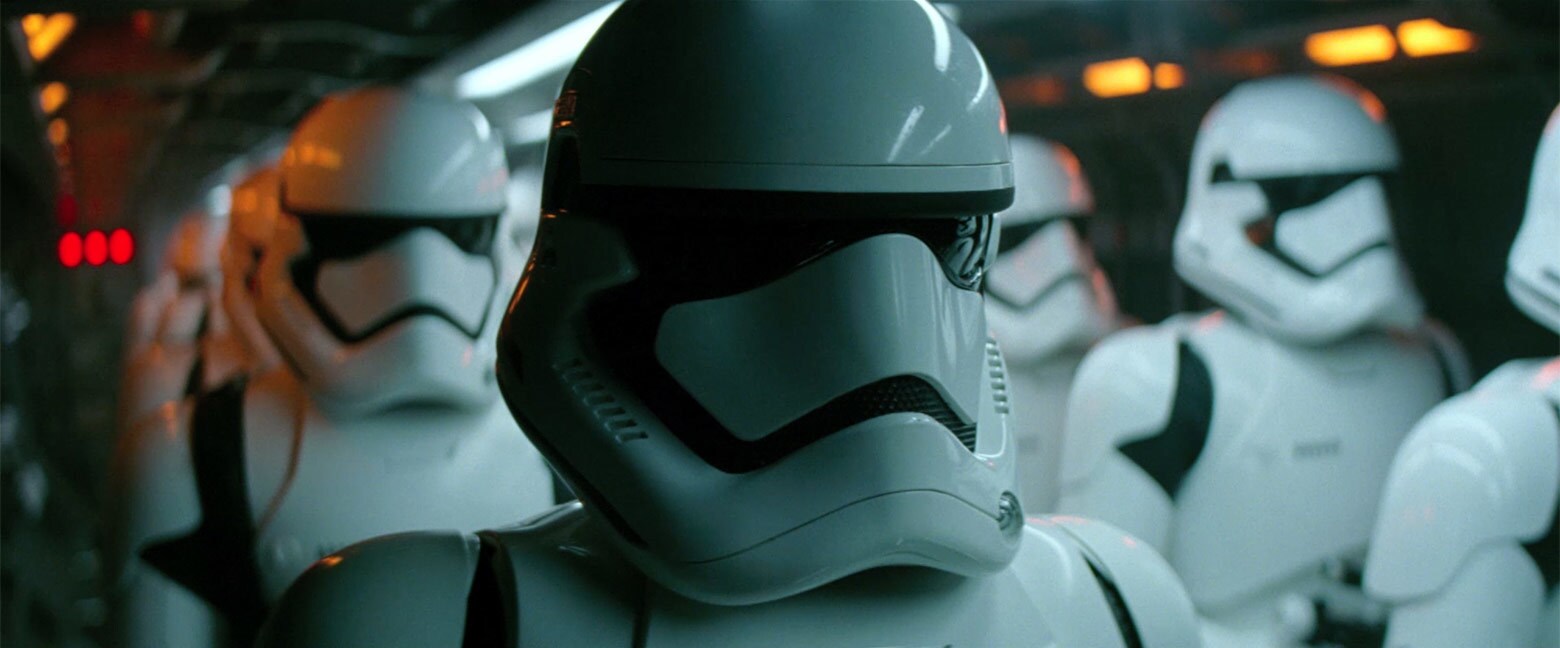
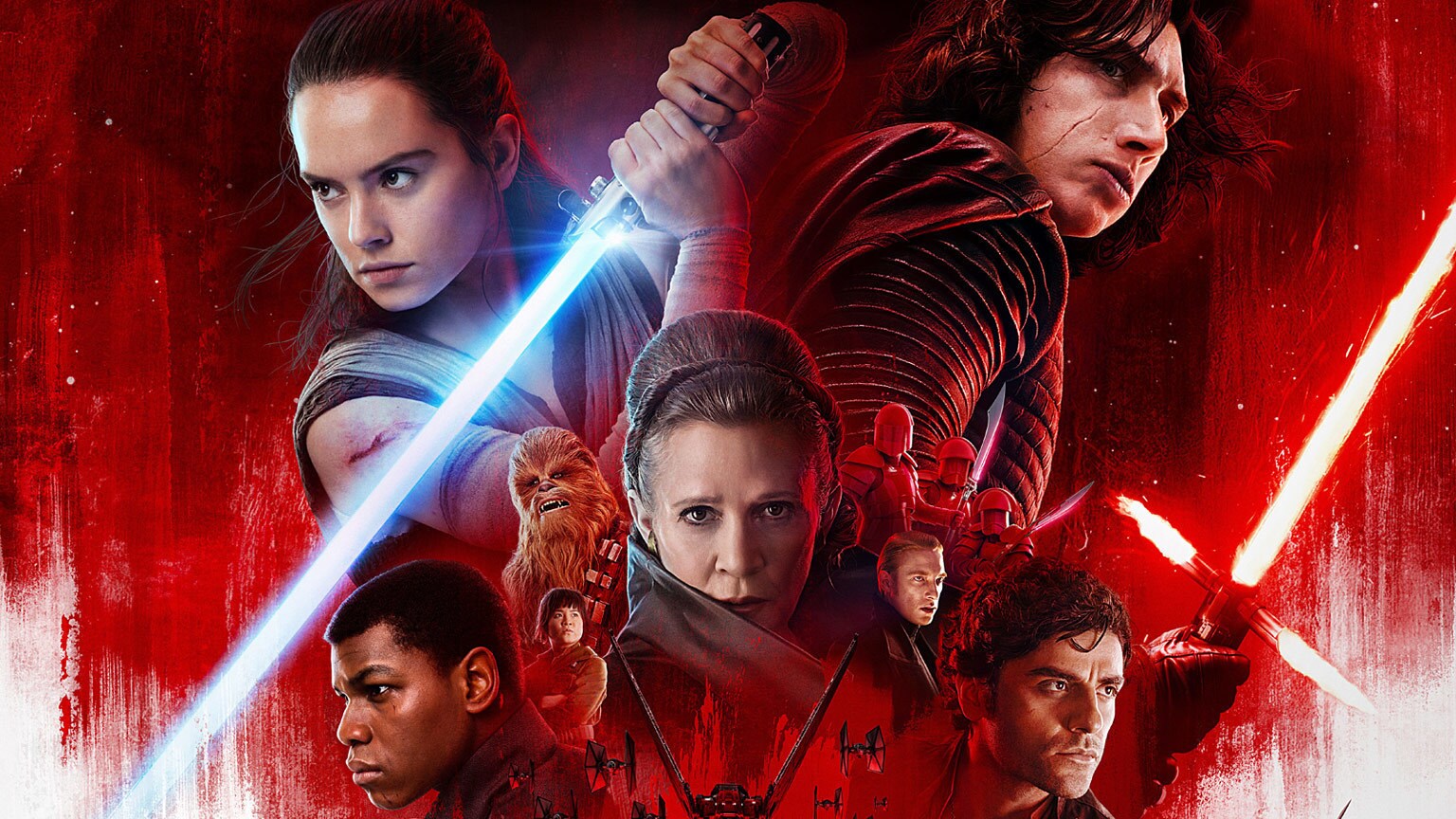
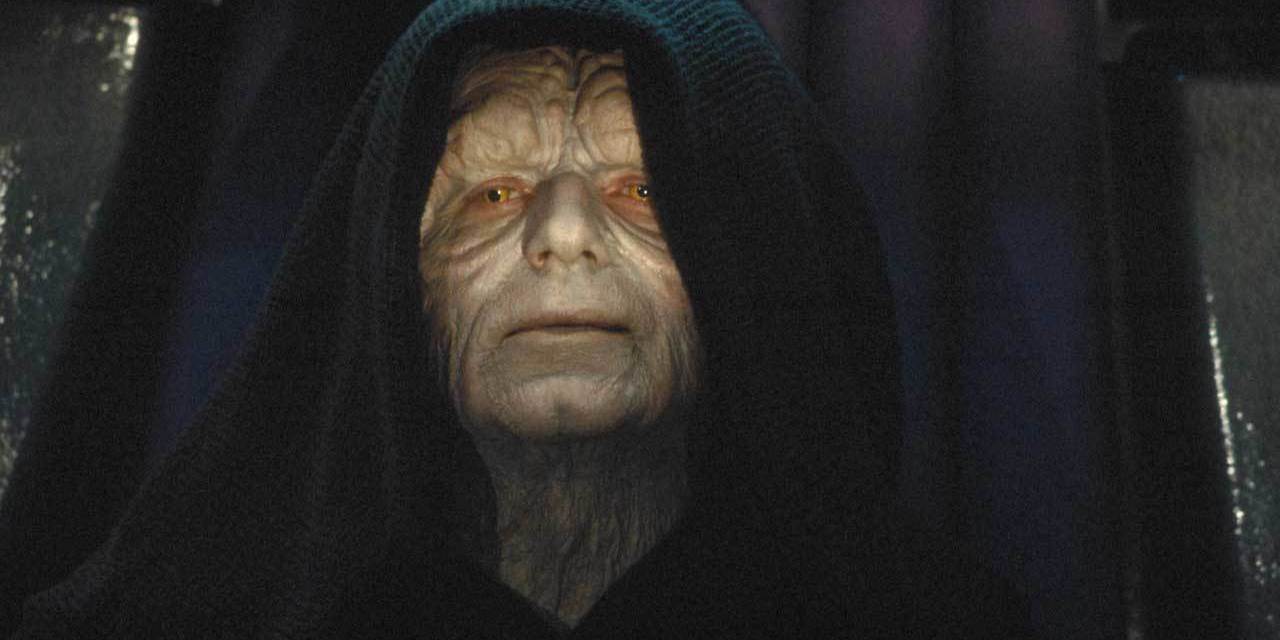
Image links open the official host or publisher page. This independent archive uses the images for commentary, identification, and research context.
Mentioned in this file