The New Jedi Order is the official framework’s future-facing era. Unlike the preceding periods, it does not yet have a released canon novel-and-series corpus that can be summarized as a settled chronology. What exists is a set of questions: Rey has survived the collapse of the old Jedi institutions, Luke’s temple is gone, the sacred texts have been preserved, and the galaxy has seen repeated attempts to turn Force traditions into military or dynastic power. The title “New Jedi Order” therefore names a task before it names a finished society.
After Exegol, after the temple
The final image of The Rise of Skywalker is deliberately small: Rey on Tatooine, a new name chosen, and two suns continuing to rise. It does not show a government, a temple, or a completed order. That absence is the point. The old Jedi institution collapsed in the Clone Wars, Luke’s attempt at renewal collapsed after Ben Solo’s fall, and the Resistance defeated a new Sith-backed regime without automatically creating a civic structure that can hold the victory.
Rey’s future is therefore inseparable from the problem of pedagogy. What should a teacher pass on after three generations have used the Jedi name to justify both service and withdrawal? How should a new order relate to families, local traditions, non-Jedi Force practices, and communities who experienced Jedi intervention as protection in one era and intrusion in another? A new temple cannot simply copy the architecture that failed.

The burden of inherited institutions
Rey’s future order will inherit several different memories of the Jedi. Some people will remember them as protectors who stood against the Sith and the Empire. Others may remember the Clone Wars, the purge, or the political power that the order exercised before its collapse. A new institution cannot assume that the Jedi name carries only respect. It must ask how trust was lost and which communities were asked to bear the cost of Jedi decisions.
The same problem applies to the Skywalker family. The name contains examples of courage, violence, secrecy, failure, and repair. Rey’s choice to use it is meaningful because it does not erase the contradictions. It treats lineage as an obligation to practice a different form of responsibility rather than as evidence of inherited authority.
Institutional inheritance is never automatic. A school can preserve a curriculum while losing its purpose. A council can preserve a title while becoming isolated from the people it serves. The new order will need rituals of review that make it possible to identify when the institution has begun repeating the behavior that destroyed the old one.
What canon has already established
The canon lineage is scattered but meaningful. The first Jedi Temple on Ahch-To links the future to an origin older than the Republic. Luke’s lesson to Rey and the surviving Jedi texts suggest that knowledge can persist even when an institution ends. Yoda’s return to Luke in The Last Jedi reframes failure as part of teaching. Leia’s training, Ahsoka’s long life outside formal institutions, and the many communities touched by the Force widen the possible genealogy beyond a single master-to-apprentice line.
The official era guide is intentionally brief here. That restraint matters. A timeline should not fill an unknown future with false certainty. The most responsible description is that the New Jedi Order will have to reconcile the spiritual, political, and familial histories left by the Skywalker saga while deciding what “Jedi” means in a plural galaxy.
Why Legends remains useful here
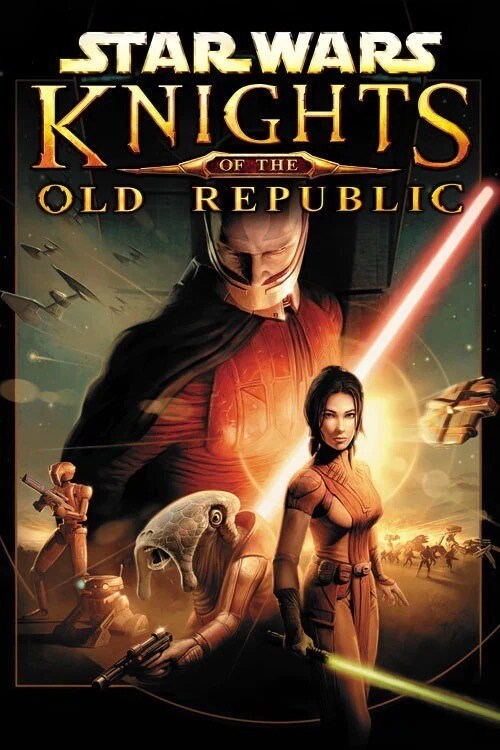
Legends does not predict the current canon future, but it provides a record of earlier attempts to imagine life after the original trilogy. The New Jedi Order novels, the later Jedi academy stories, and the Legacy comics each ask what happens when a restored institution grows beyond its founders. Their differences are useful because they show that “new” does not automatically mean democratic, peaceful, or free from hierarchy.
The Yuuzhan Vong War especially tests the assumption that the Jedi can define every conflict through familiar categories. The invasion forces the order to think about enemies whose technology, theology, and relationship to the Force do not fit its existing knowledge. That problem has current-canon echoes in the Nightsisters, the Path of the Open Hand, and other traditions that do not accept Jedi authority as universal.
Using Legends as comparison also clarifies what remains unknown. Current canon has not established a Yuuzhan Vong invasion, a Jacen Solo, or a specific sequence for Rey’s school. Those details should not be imported as facts. What can be carried forward is the institutional question: how does a tradition change when its inherited categories fail?
Legends supplement: the New Jedi Order novels
Legends supplement. The 1999–2003 New Jedi Order novel sequence provides the most substantial older parallel for this era. Beginning with Vector Prime and culminating in The Unifying Force, the series follows the Yuuzhan Vong invasion and the struggle to build a Jedi institution capable of facing an enemy that does not fit the order’s inherited categories. Luke’s academy, Mara Jade Skywalker, Jacen Solo, Jaina Solo, Anakin Solo, Kyp Durron, Tenel Ka, Vergere, Nom Anor, Tsavong Lah, and Supreme Overlord Shimrra form a social world distinct from the current canon.
The Legends sequence is useful anthropologically because it makes institutional rebuilding difficult. The Jedi debate whether they are soldiers, mystics, teachers, or a public service. Jacen’s search for a philosophy beyond binary moral categories can produce insight and danger. Jaina’s leadership is shaped by grief, engineering, and war. The Yuuzhan Vong conflict asks what happens when a society built around one account of the Force encounters a people whose culture, technology, and theology make that account unstable.
Students, families, and belonging
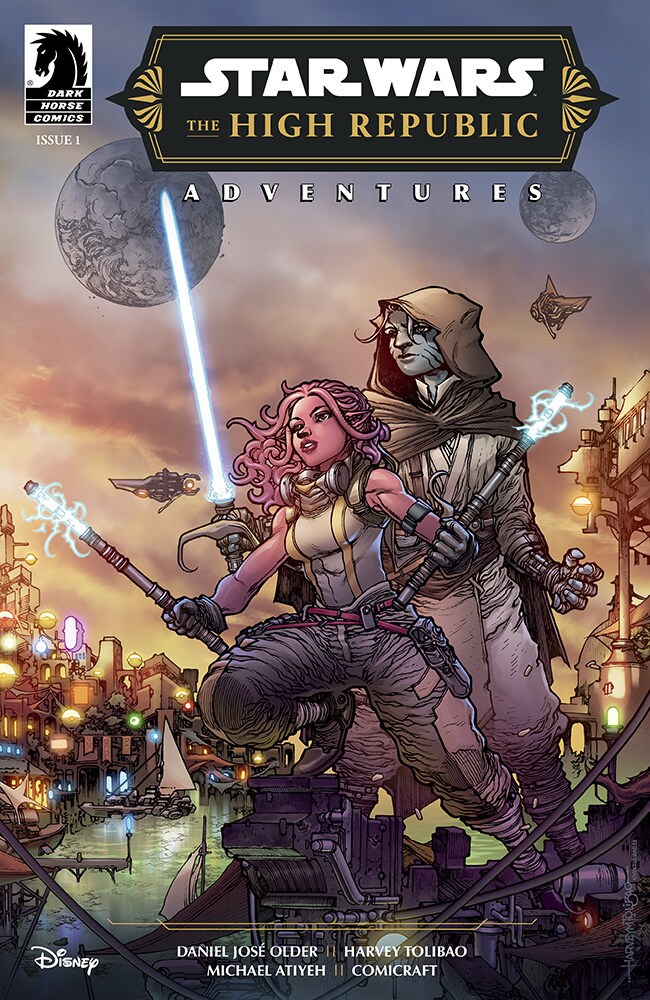
The old Jedi system solved the problem of loyalty by making the order a child’s primary community. That arrangement created strong bonds among students and teachers, but it also limited the order’s relationship to birth families and local cultures. A future order could choose a different structure. Students might remain connected to their families, return to their home communities, or receive training without becoming full-time members of a temple.
Such a model would change the meaning of discipline. The order could no longer assume that a single code governs every aspect of a student’s life. Teachers would need to distinguish ethical principles from institutional habits. They would also need to recognize that a student may have obligations to relatives, clans, or religious communities that cannot be treated as distractions.
Belonging should not require total separation from ordinary life. Jedi may serve as mediators, investigators, healers, teachers, and protectors without becoming a closed caste. The more open model carries risks, including inconsistent training and divided loyalties. It may also create accountability because Jedi remain connected to the communities affected by their decisions.
The academy as a social experiment
Any new Jedi school will be a community before it is a building. Students will arrive with different languages, family structures, planets, species, and relationships to the Force. Some may be children whose abilities are welcomed; others may be adults who survived war or authoritarian control. The old Jedi practice of removing young initiates from their birth families solved some problems by creating common identity, but it also made the order vulnerable to emotional distance and institutional groupthink.
A New Jedi Order could therefore be measured by its relationships with non-Jedi communities. Does it mediate disputes without assuming that every conflict is a lightsaber problem? Does it teach consent, cultural humility, and the history of Jedi intervention? Does it allow practitioners to remain connected to family and local obligations? Does it create ways for failure to be discussed before it becomes a catastrophe? These are not modern bureaucratic add-ons. They are the practical form of the saga’s repeated lesson that power without accountability becomes domination.
Legends’ farther future is not the current next chapter
The Legacy comics, set roughly a century after the original trilogy in Legends, offer another comparison rather than a direct forecast. Cade Skywalker, Darth Krayt, the One Sith, and a fragmented galactic government show what can happen when institutions become dynasties and the Sith reorganize once again. The material is valuable for its warning: even a restored Jedi order can harden into a political class, and even a defeated Sith tradition can return through new social forms.
Keeping Legacy separate prevents a common timeline mistake. A future story can rhyme with an older continuity without taking place in it. The New Jedi Order page should be a place where readers can see the design problem clearly, not a place where Legends outcomes are quietly smuggled into canon.
Anthropology of a second founding
Founding a new order after catastrophe is a ritual of selective memory. Communities decide which names to keep, which failures to confess, which objects to preserve, and which practices to stop repeating. The Jedi texts are portable because the future cannot depend on a single temple. Rey’s choice to carry the Skywalker name is similarly social: it turns ancestry into an ethical commitment rather than a claim to bloodline authority.
The new order’s most important resource may be pluralism. The Force has never belonged only to the Jedi or Sith. Nightsister traditions, Dagoyan practices, the Guardians of the Whills, the Path of the Open Hand, the traditions of the Loth-wolves, and local Force-sensitive communities all complicate the idea that one council can speak for the whole galaxy. A future Jedi order can remain distinctive without pretending to be the only legitimate interpreter of sacred power.
In this sense, the New Jedi Order is the timeline’s anthropological horizon. It asks whether a civilization can preserve a tradition without freezing it, whether a family legacy can be transformed without being erased, and whether a community with extraordinary power can remain answerable to ordinary people. The answer will be built through daily relationships long before it is announced in a title crawl.
What the future era must decide
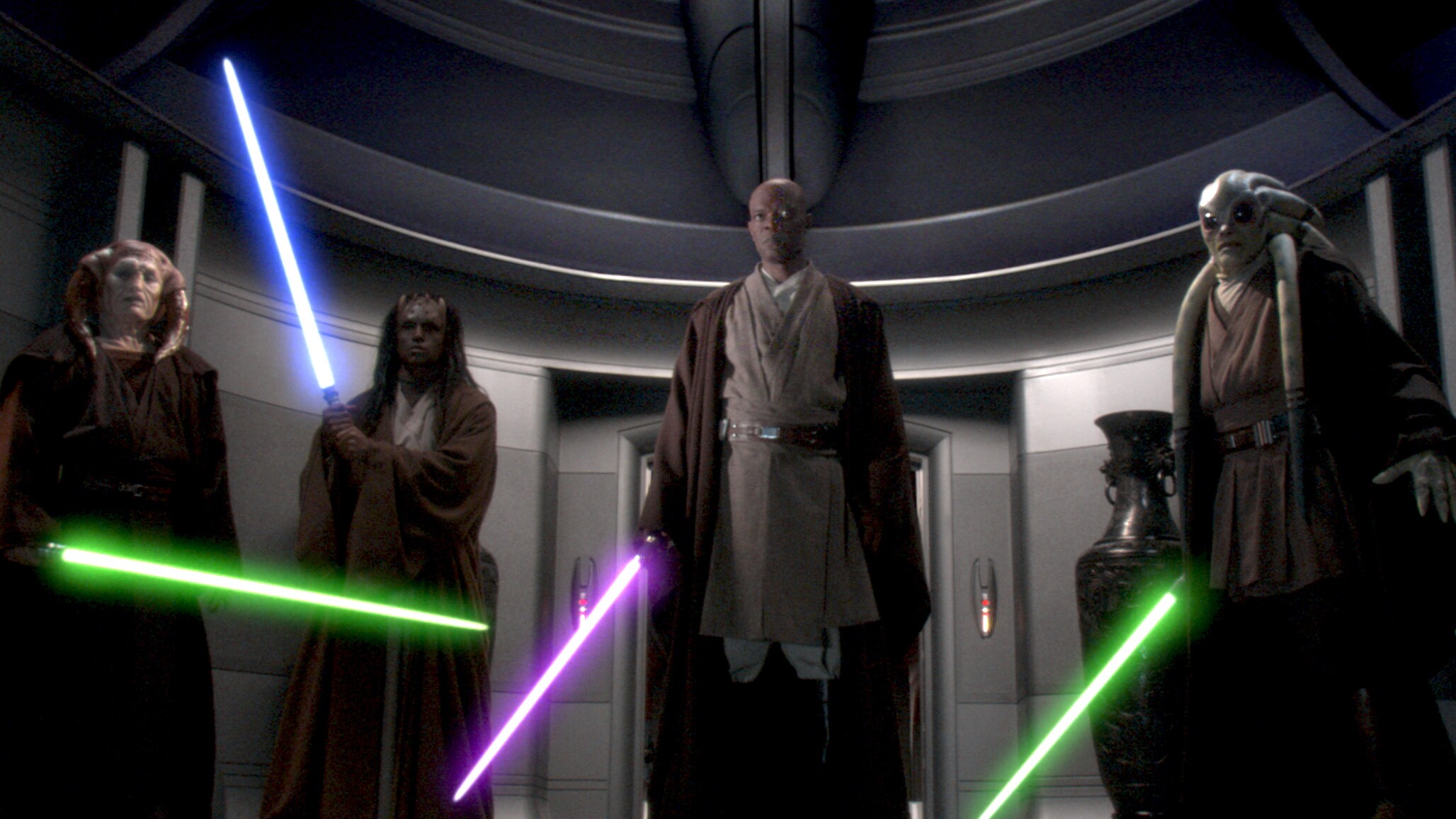
A New Jedi Order will have to define its relationship to governments. The old order served the Republic so closely that its independence became difficult to maintain. A new order could cooperate with democratic institutions without becoming their military department. It might need public rules for intervention, records of its decisions, and procedures for hearing criticism from people without Force abilities.
It will also need to decide how to relate to other Force traditions. The Jedi can remain a distinct discipline without claiming that every legitimate practice must enter Jedi categories. Cooperation with local traditions could improve mediation and reduce cultural arrogance. It could also create disagreement about training, sacred knowledge, and who has authority to speak for a community.
Finally, the order must decide what it does with failure. Luke’s retreat to Ahch-To shows the danger of treating institutional collapse as a reason for silence. A future school should teach students how to admit error before error becomes catastrophe. Its archives should preserve failed decisions alongside heroic ones. Its leaders should be replaceable. Those practices would make the order less mythic, but more capable of serving a living galaxy.
A future institution must be answerable
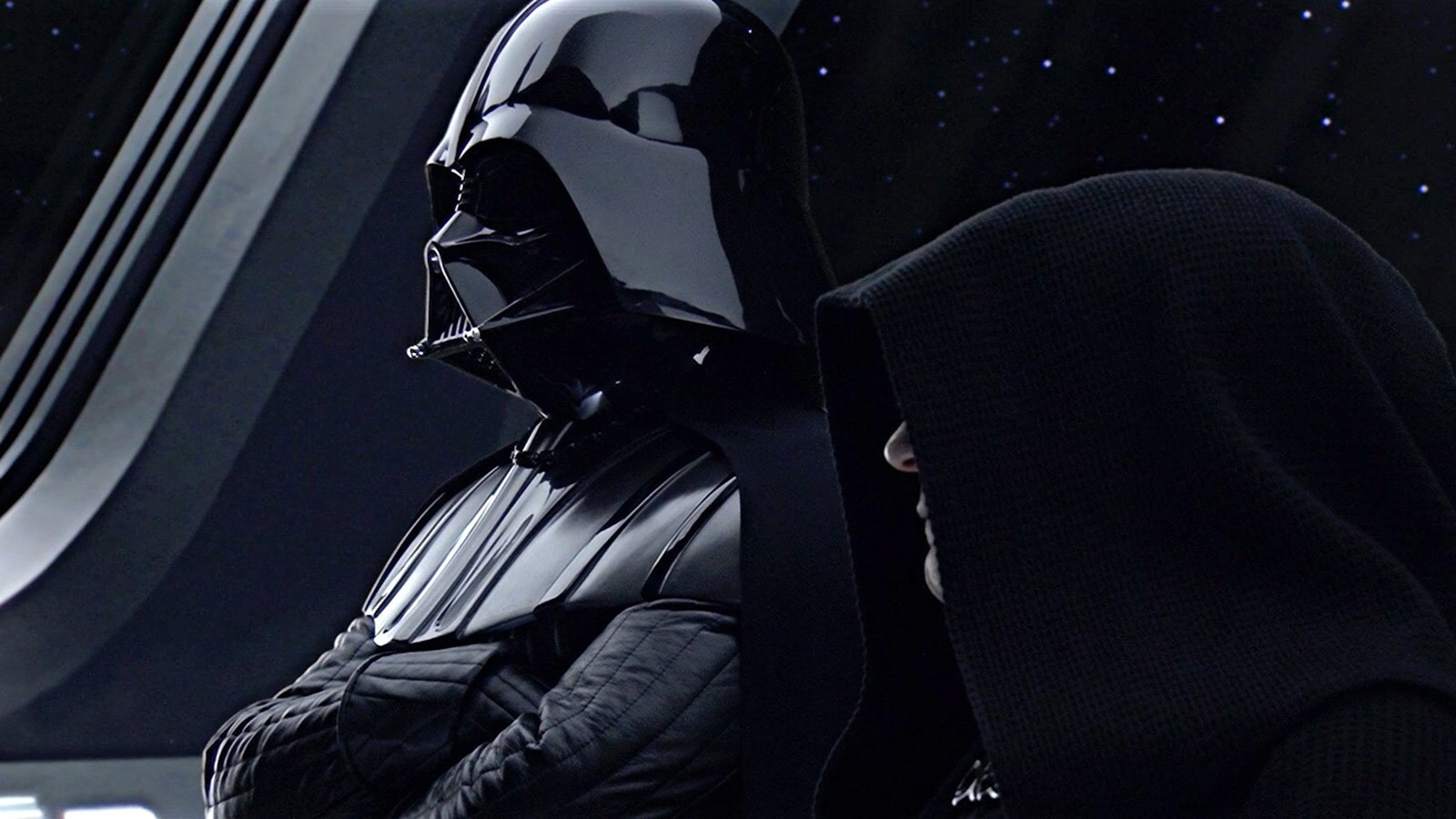
The Jedi have often been evaluated by their intentions rather than by the effects of their decisions. They intend to protect peace, but their interventions can alter local politics. They intend to prevent attachment from becoming possession, but their separation from families can create emotional isolation. They intend to serve the Republic, but proximity to government can make independent judgment difficult.
A New Jedi Order could address these problems through public accountability. It might publish rules for intervention, maintain records of disputes, and create a process through which non-Jedi communities can challenge Jedi decisions. It might train students in local history before sending them to mediate. It might require a clear explanation of why a Jedi is entering a conflict and what authority allows that intervention.
Accountability would not make the order ordinary. Jedi would still possess abilities that most people do not. That difference makes accountability more important, not less. A community cannot meaningfully consent to an intervention if it does not know what the Jedi can do, who supervises them, or how a harmful decision can be reviewed.
The future order must also distribute leadership. A single grand master or family line should not control the entire tradition. Regional schools, independent teachers, and relationships with other Force traditions could reduce the risk of institutional isolation. Shared principles can exist without a single center claiming the right to define every legitimate practice.
If the New Jedi Order succeeds, its greatest achievement may be modest. It may create a tradition that can admit error before another generation has to destroy it. That would not end conflict or guarantee moral clarity. It would give the galaxy a Jedi institution capable of learning in public.
Reading and viewing path
For released canon, revisit The Last Jedi and The Rise of Skywalker with the Jedi Order and Ahch-To entries in view, then follow Rey, Luke, Leia, Ahsoka, and the surviving Force traditions across the earlier pages of this timeline. For the Legends comparison, read the New Jedi Order sequence beginning with Vector Prime, with Traitor and The Unifying Force as key philosophical and institutional texts. Read the Legacy comics afterward as a separate, much later Legends future.
Sources and further reading
- Official Timeline: The Eras of Star Wars, StarWars.com
- Jedi Order, StarWars.com Databank
- Ahch-To, StarWars.com Databank
- The New Jedi Order novel sequence, Wikipedia (Legends reference)
- Star Wars: Legacy, Wikipedia (Legends reference)
Visual record
Images, objects, and echoes
Official artwork and reference imagery used as visual anchors. Captions distinguish direct period evidence from later depictions of memory and lineage.

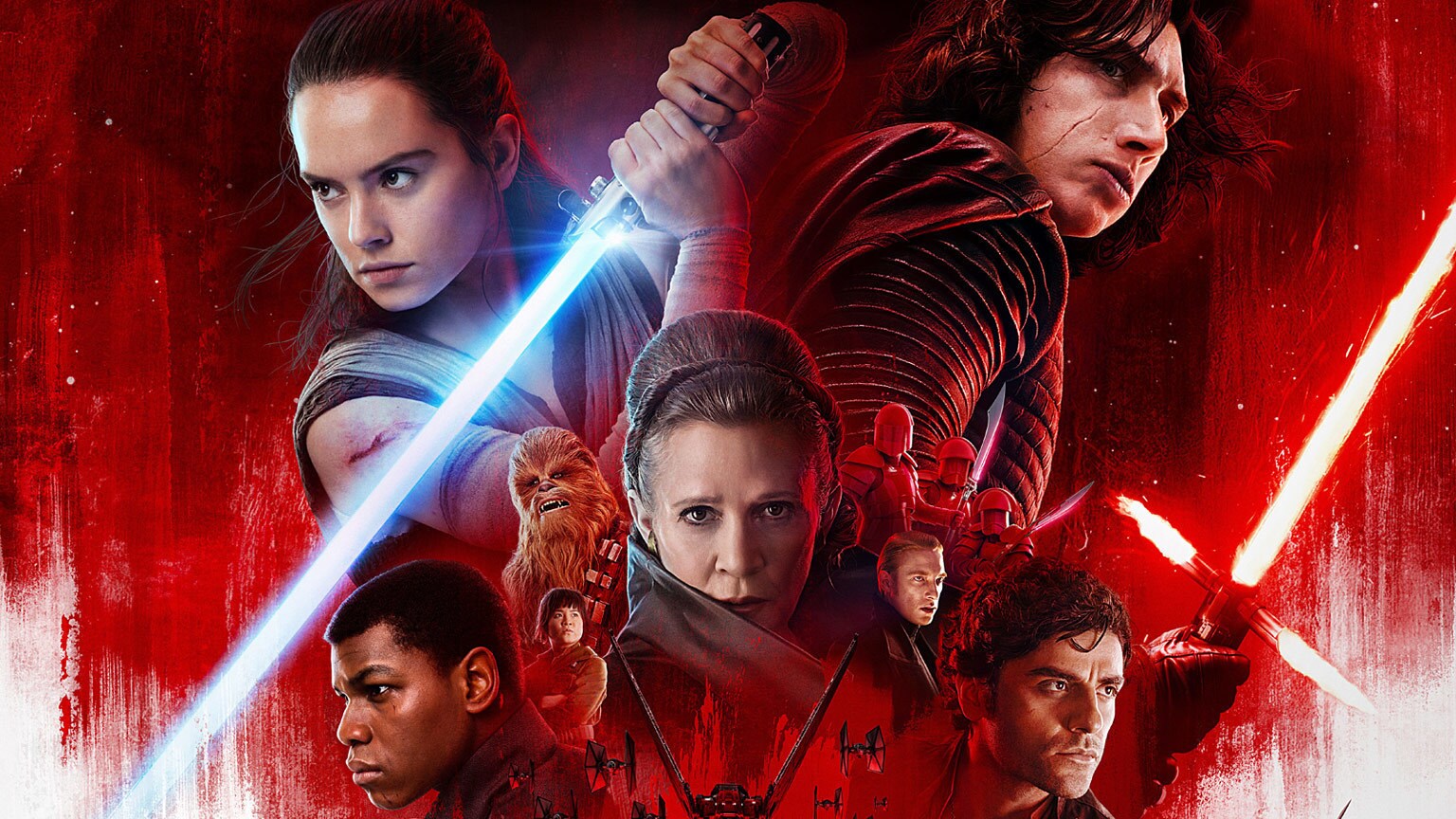
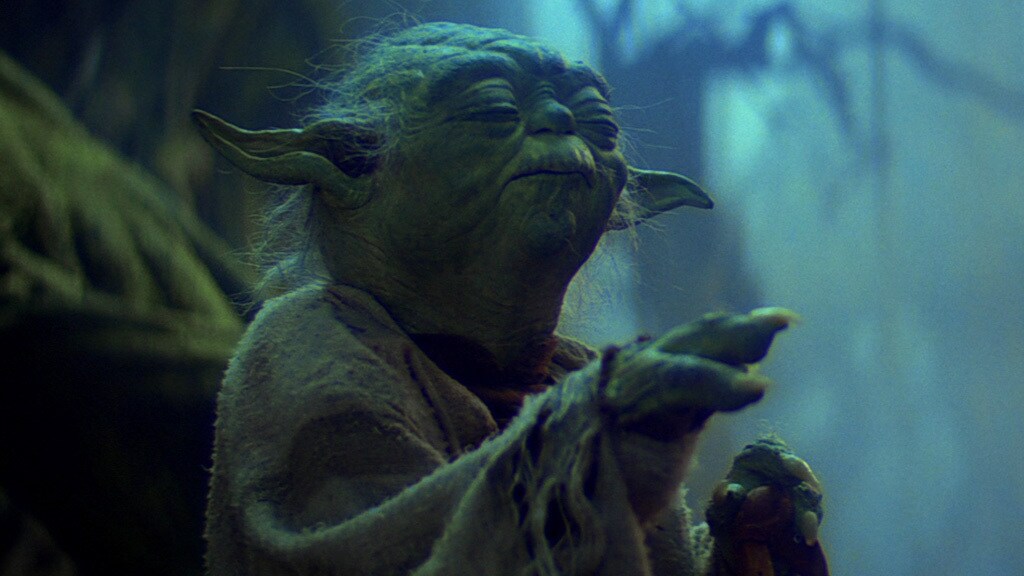
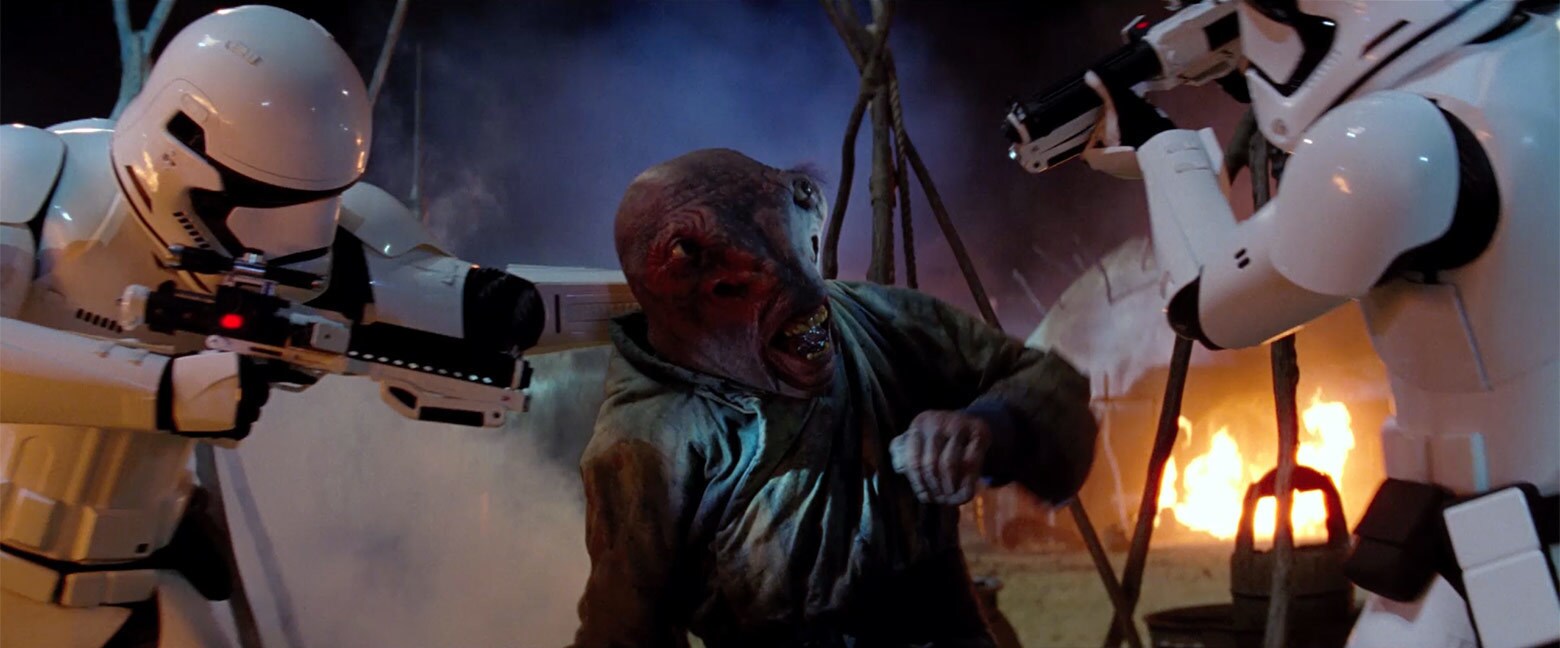
Image links open the official host or publisher page. This independent archive uses the images for commentary, identification, and research context.
Connected archive