The Age of Rebellion begins before the Rebellion has a single name. Cells, senators, smugglers, defectors, surviving Jedi, partisan networks, and occupied communities develop different languages of resistance. The official era guide describes the period as the spread of rebellion and the rise of heroes who challenge the Empire. The films—Rogue One, A New Hope, The Empire Strikes Back, and Return of the Jedi—supply the central arc, while Rebels, Andor, novels, comics, and games show the coalition beneath the myth.
From scattered cells to alliance
The Rebellion’s early history is a problem of trust. A cell must protect its information from the Empire, but a movement that never shares information cannot coordinate. Andor dramatizes the cost of building that bridge, while Rebels follows the Ghost crew as a local network that becomes connected to wider command. Mon Mothma’s politics, Saw Gerrera’s militancy, Bail Organa’s diplomacy, and the Partisans’ willingness to use terror are not interchangeable approaches. The emerging alliance depends on holding them in tension.
The Alliance is therefore less like a modern nation-state than a coalition with a wartime constitution. It has councils, fleets, intelligence services, supply chains, codes, uniforms, and symbols, but its legitimacy comes from consent that must be renewed across distance. Leia Organa can command a mission and still need to persuade people who have lost relatives, worlds, and faith. The Rebellion’s strength is not that it has no internal argument; it is that argument occurs inside a shared project of liberation.
The politics of intelligence
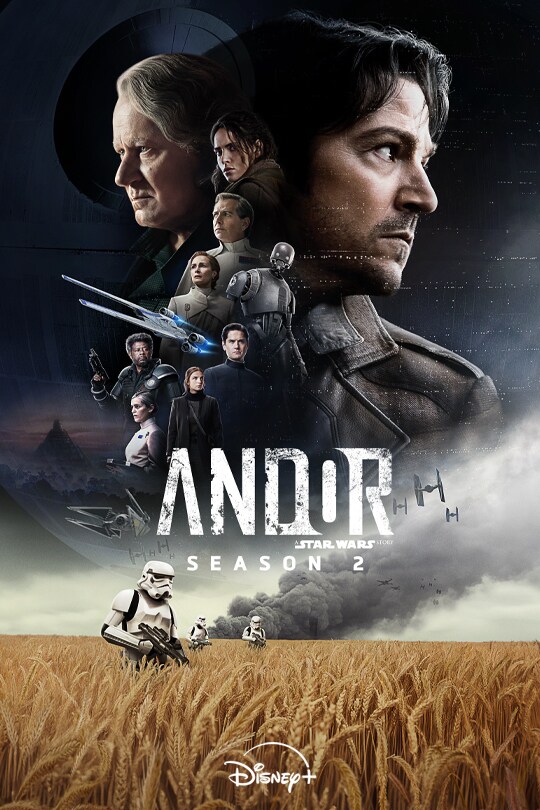
Rebel intelligence is not a neutral store of facts. It is a system for deciding which lives, routes, and risks matter. Cassian Andor, Luthen Rael, Mon Mothma, Bail Organa, and the agents who work below them operate under conditions where information can save a cell or expose an entire community. The value of a report depends on who can verify it, who is allowed to act on it, and who is expected to absorb the consequences.
Secrecy also changes relationships. An organizer may hide their political work from family members to protect them. A field agent may use a false identity long enough that the identity begins to shape their behavior. A senator may appear disengaged in public so that private support remains possible. These practices protect the movement, but they create moral injuries. People who survive through secrecy may later struggle to return to ordinary forms of trust.
The Empire’s records are centralized, while the Rebellion’s knowledge is distributed among people and cells. That makes the Alliance harder to destroy, but it also creates friction. Information may arrive too late. Different groups may use different codes. Leaders may disagree about whether a mission is worth the cost. The movement becomes effective when it develops procedures that allow independent actors to coordinate without requiring everyone to know the entire plan.
Scarif and the politics of sacrifice
Rogue One locates the Rebellion’s moral center in a mission that most of its participants do not expect to survive. Jyn Erso, Cassian Andor, K-2SO, Chirrut Îmwe, Baze Malbus, Bodhi Rook, and the wider strike team are not a traditional heroic fellowship. They are people shaped by occupation, family fracture, religious commitment, intelligence work, and military necessity. The Death Star plans are valuable, but the film’s deeper subject is the transfer of knowledge from one generation to another.
Scarif also makes archives political. The Empire believes security is achieved by centralizing information behind walls and clearance codes. The rebels win by moving the archive through bodies, signals, sacrifice, and trust. Jyn’s final act is not just a victory over a facility; it is a refusal to let the state control the future by controlling what the public can know about the present.

Civilian life inside the war
The films focus on pilots, generals, and spies, but the Galactic Civil War is also lived by people who do not choose a side openly. Farmers provide food. Port workers move supplies. Teachers decide what history children hear. Families decide whether to shelter a fugitive. Local traders calculate which checkpoint is safest. The war reaches civilians through shortages, inspections, recruitment, bombardment, and the constant possibility that a neighbor is reporting to someone.
Neutrality is rarely simple. A family may avoid politics because it has already lost relatives. A city may cooperate with the Empire to protect a hospital. A local government may provide information to both sides to keep its people alive. The Alliance’s public language of freedom can feel distant to communities that need immediate protection. Rebel organizers must persuade people that participation will not simply bring retaliation without improving their conditions.
This is why local legitimacy matters. A successful cell learns the rhythms of the community it enters. It does not treat civilians as scenery or supplies. It builds relationships with people who understand the terrain, the economy, and the risks. The Rebellion becomes a political movement when it can connect military action to the daily needs of the people it claims to liberate.
Yavin, Hoth, and Endor
A New Hope turns the archive into a battle. Luke Skywalker, Leia Organa, Han Solo, Chewbacca, R2-D2, C-3PO, and Obi-Wan Kenobi carry different forms of knowledge: inherited stories, political leadership, criminal navigation, technical memory, and spiritual training. The Death Star’s weakness can be exploited only because those forms of knowledge meet. Luke’s shot is singular, but the victory is distributed across mechanics, pilots, intelligence officers, rescuers, and people who held the line long enough for the plan to matter.
At Hoth, the Empire demonstrates that it can learn and adapt. The Rebellion must abandon a base, scatter, and survive without a secure center. This is a social test: can a movement remain itself when its headquarters is lost? Han and Leia’s journey, Luke’s training on Dagobah, and Vader’s pursuit show how war moves between intimate relationships and strategic scale. The Empire is strongest when it makes every personal attachment look like a vulnerability; the rebels endure by making attachment a reason to return.
Endor turns the struggle toward political transformation. The Death Star is a weapon, but its construction also stages a ritual of imperial confidence: the Emperor wants the Alliance to see itself destroyed in the presence of the regime’s full symbolic power. Leia’s leadership on the forest moon, Han’s ground operation, Lando’s fleet command, Wedge’s flying, and the Ewoks’ local knowledge reveal the opposite principle. Victory emerges from coalition and situated expertise, not from one universal military method.
Heroes, elders, and the problem of inheritance
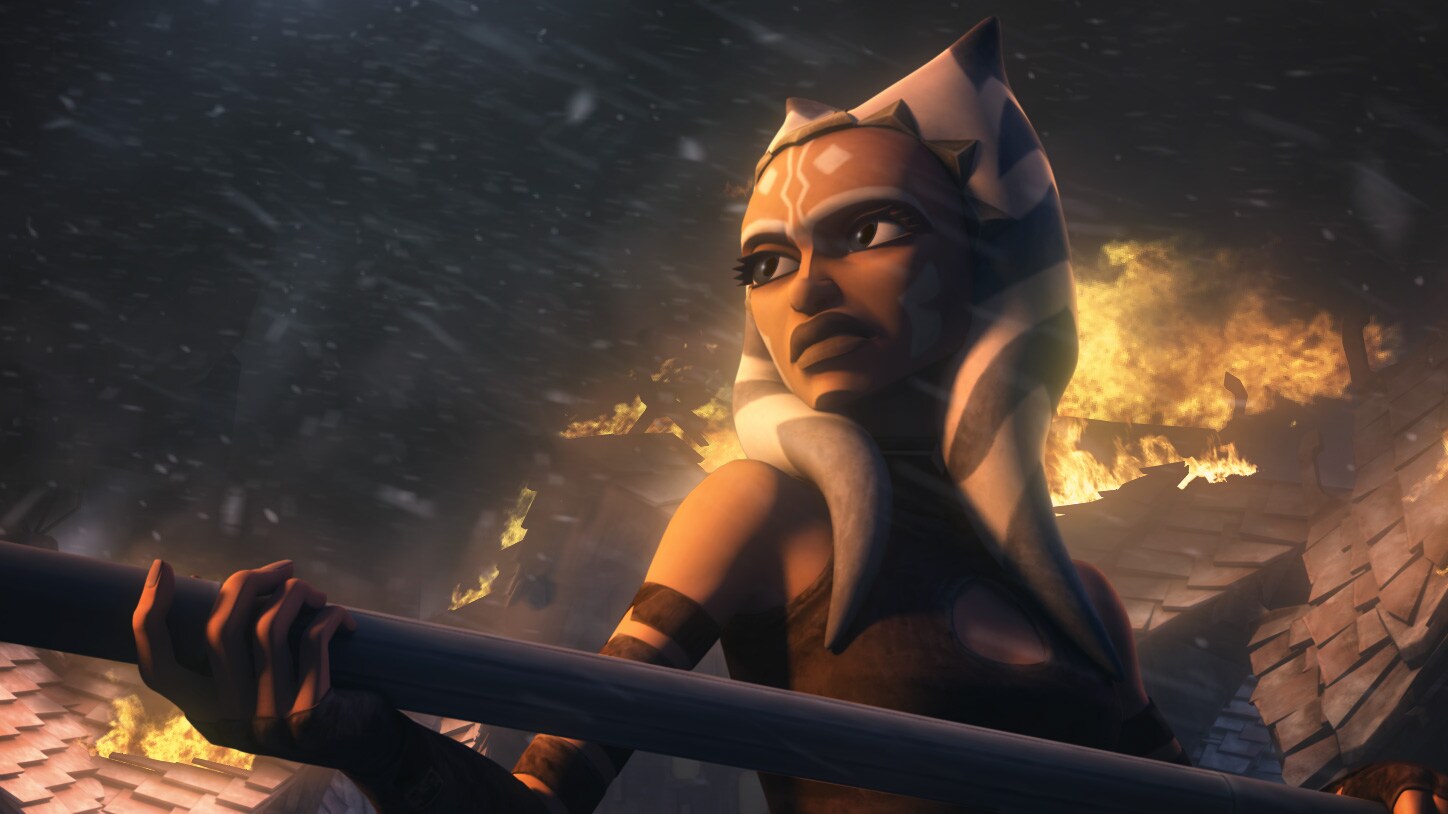
Luke is often treated as the center of the era, but the social story is wider. Leia supplies political memory and practical authority. Han converts self-interest into solidarity without losing his skepticism. Lando learns to carry responsibility for people beyond his own city. Mon Mothma turns a clandestine movement into a government-in-waiting. Wedge Antilles, Hera Syndulla, Ahsoka Tano, Rex, and countless unnamed pilots and organizers make the war a collective achievement.
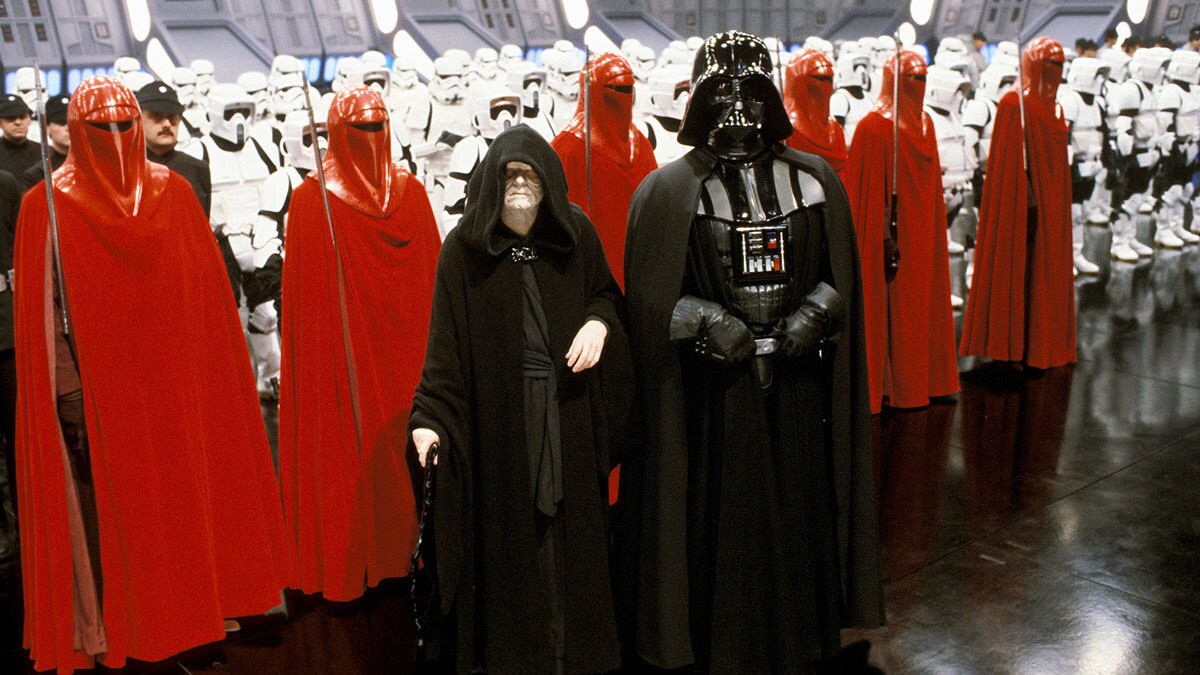
Vader and Palpatine represent a different inheritance. Vader is the Empire’s living myth of conversion: the state claims the right to take a person’s past and make it useful to its future. Luke’s refusal to accept that finality is political as well as familial. By insisting that Anakin remains morally addressable, Luke breaks the Empire’s logic that people are only their current function. The redemption of Vader does not undo the harm he caused, but it changes what the community believes is possible after harm.
Local worlds and coalition building
The Alliance cannot rely on a single culture because the Empire rules through many different arrangements. A Core-world senator, an Outer Rim farmer, a former Imperial officer, and a partisan fighter may all oppose the regime for different reasons. Their cooperation requires a political vocabulary broad enough to include constitutional reform, local autonomy, economic survival, and moral opposition to occupation.
Symbols help build that vocabulary, but symbols do not settle disagreements. The starbird can mean national liberation to one group and revolutionary danger to another. A uniform can create solidarity among pilots while also marking a hierarchy that civilians distrust. A medal can honor sacrifice while leaving unrecognized the labor of people who supplied the mission or hid the survivors.
Coalition building is therefore a practical process. Leaders negotiate resource distribution. Cells decide who speaks for them. Communities set conditions for cooperation. Military officers learn that local expertise cannot be replaced by rank. The Alliance succeeds at Endor because it brings these different forms of knowledge together without requiring every participant to share the same life story.
Anthropology of coalition and memory
The Rebellion has no single culture. It contains Alderaanian diplomacy, Core-world senatorial practice, Outer Rim survival, droid personhood, former Imperial service, religious traditions, Mandalorian and partisan histories, and local knowledge that military planners might otherwise dismiss. Its symbols work because they are portable. The starbird, the call signs, the flight suits, the briefing room, and the medal ceremony create common references without erasing the histories people bring with them.
That cultural work continues after the battles. The medal ceremony at the end of A New Hope is a ritual of recognition: the movement turns sacrifice into public memory. Return of the Jedi ends with celebration, but later stories remind us that celebration cannot be the only archive. The dead, the displaced, the worlds not yet liberated, and the people who used violence in the name of freedom remain part of the political inheritance. A rebellion becomes a republic only when it can remember its own compromises.

After victory begins
Endor ends the Emperor’s central command, but it does not immediately end the social conditions that made the Empire powerful. Soldiers remain armed. Administrators remain in office. Prisoners need to be released, worlds need supplies, and local communities need to know whether the Alliance can protect them after the celebration. A coalition that has been organized around resistance must learn how to govern without reproducing the emergency structures of the war.
The problem is especially difficult for people who used violence as a survival strategy. Saw Gerrera’s partisans, intelligence agents, smugglers, and former Imperial personnel carry different ideas about acceptable force. The new government must decide whether to prosecute, pardon, recruit, or exclude them. Every decision creates a new memory of the war and a new argument about who deserves to belong in the political order that follows.
The Age of Rebellion therefore ends at the beginning of another historical task. Hope is not only a feeling after a victory. It is a demand for institutions that can make the victory meaningful in daily life. The next era will test whether the Alliance can turn shared sacrifice into a government that recognizes the people who carried it.
The material culture of liberation
Rebellion is visible in objects. A stolen code cylinder, a hidden blaster, a patched flight suit, a starbird painted on a wall, and a medal presented after a mission all carry political meaning. These objects allow people to recognize one another across distance. They also preserve histories that the Empire wants to classify as criminal activity.
Material culture helps explain why collecting matters to the archive. A card, poster, prop, or uniform image can identify a character, but it can also preserve a social relationship. A pilot’s gear shows the resources available to a unit. A rebel base reveals how a movement uses space. A damaged droid carries evidence of repair and continued usefulness. Objects make political history concrete.
The Alliance’s public symbols become powerful because they connect private sacrifice to a shared cause. A person who sees the starbird on a damaged wall may not know who painted it, but they understand that someone refused to let the Empire control every visible surface. Liberation begins as a change in what people believe can be displayed, remembered, and shared.
Reading and viewing path
Watch Rogue One immediately before A New Hope, then continue through The Empire Strikes Back and Return of the Jedi. Add the later seasons of Rebels for the formation of a cell and the cultural politics of Lothal; read Lost Stars, Alphabet Squadron, and selected Marvel Star Wars and Doctor Aphra comics for lives that move through and beyond the film plot. The official Rebel Alliance entry is a concise institutional reference.
Sources and further reading
- Official Timeline: The Eras of Star Wars, StarWars.com
- Rebel Alliance, StarWars.com Databank
- Andor, StarWars.com
- Star Wars Rebels, StarWars.com
- Galactic Empire, StarWars.com Databank
Visual record
Images, objects, and echoes
Official artwork and reference imagery used as visual anchors. Captions distinguish direct period evidence from later depictions of memory and lineage.
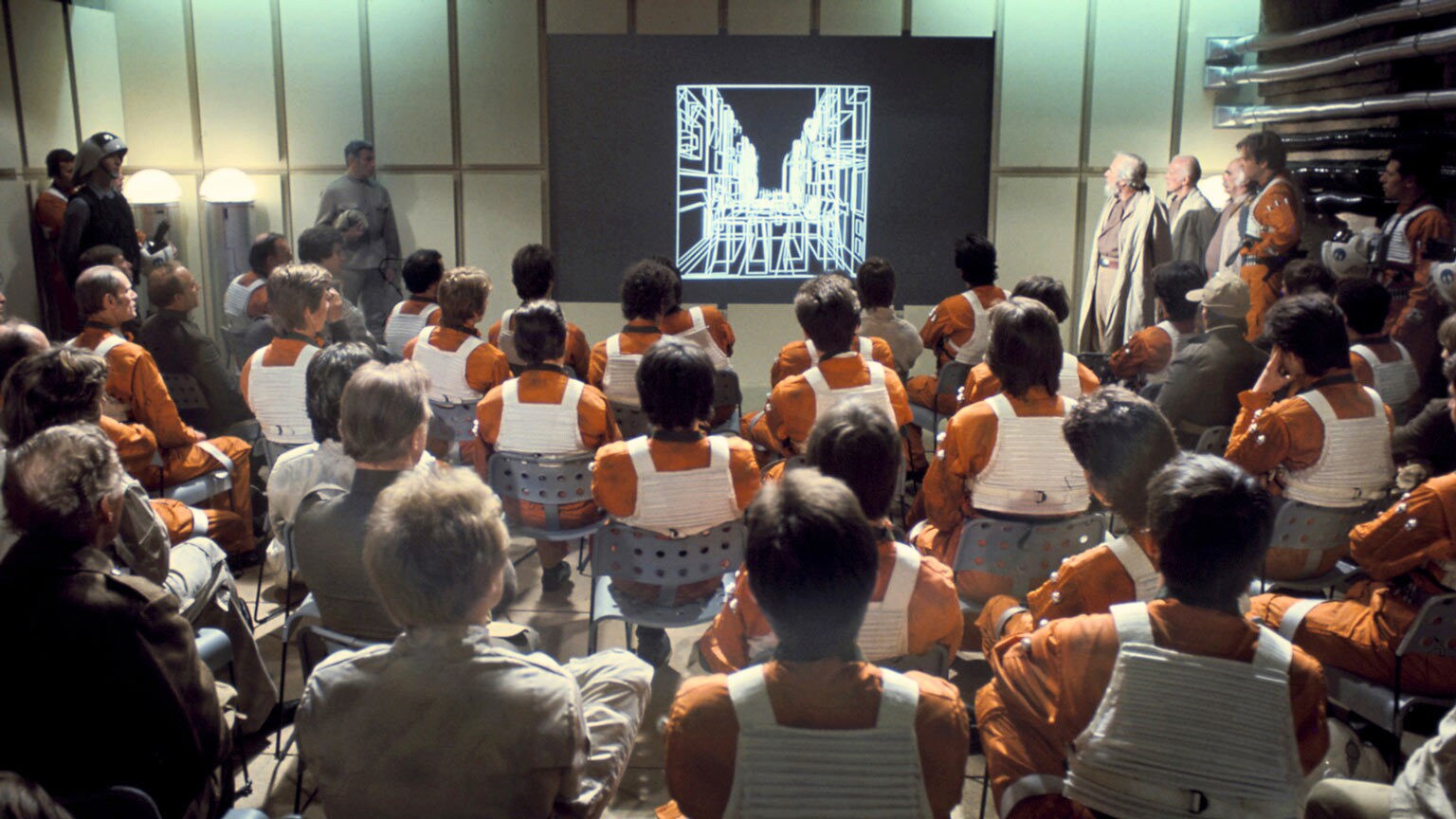
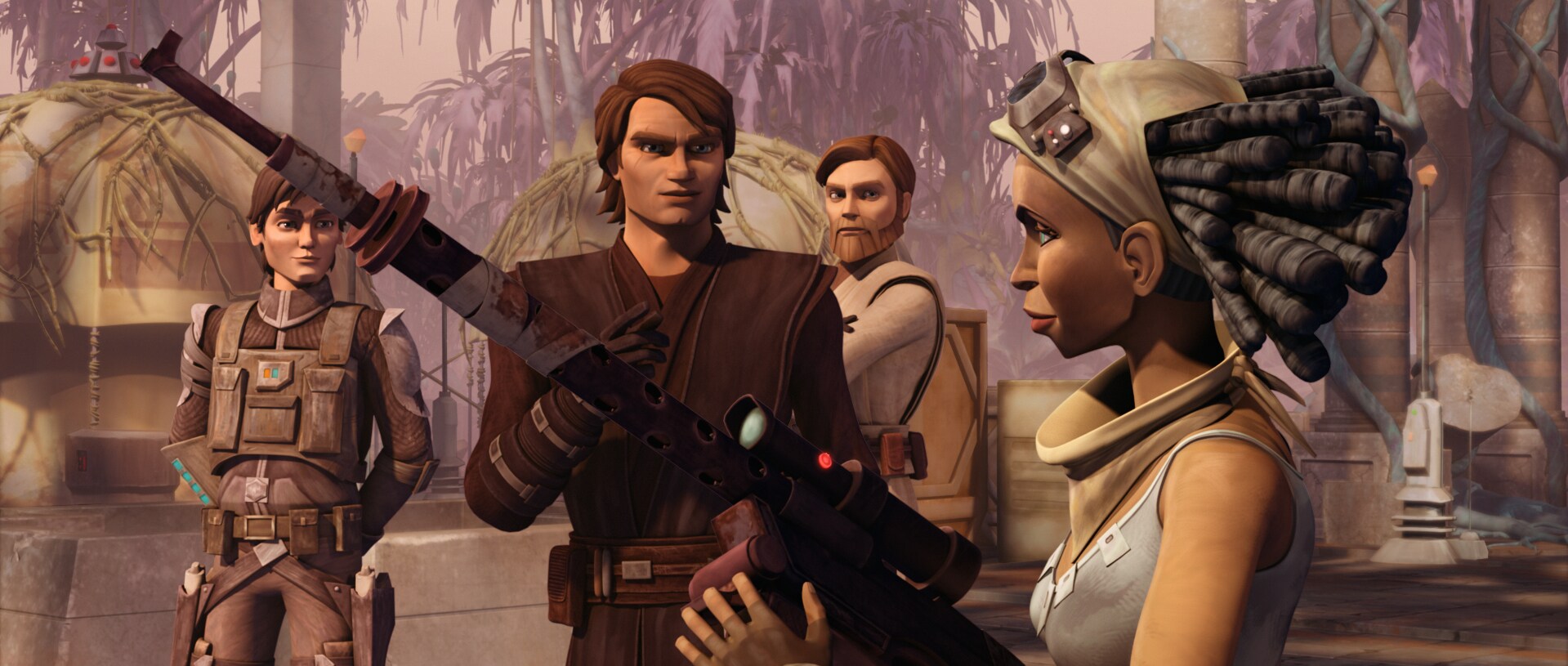


Image links open the official host or publisher page. This independent archive uses the images for commentary, identification, and research context.
Connected archive