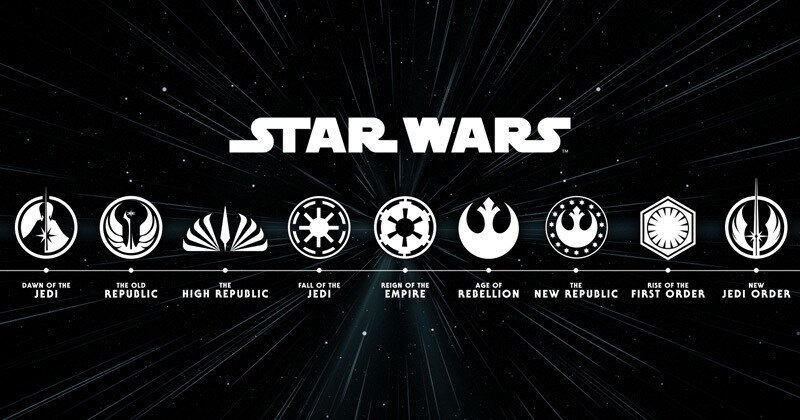
The Old Republic is the long middle distance of Star Wars history: a period in which the Republic and the Jedi are already recognizable, but neither has achieved the apparent stability associated with the prequel era. The official era framework leaves this period broad, and current canon is only beginning to reopen it. In December 2025, Lucasfilm Games announced Star Wars: Fate of the Old Republic, an all-new single-player action RPG set at the end of the Old Republic and still in early development. That announcement is important precisely because it confirms that the era is an open canvas rather than a fully closed canon chronology.
A republic that has not learned stability
In the Old Republic, institutions are old enough to have procedures but young enough to be repeatedly remade by crisis. The Senate can claim legitimacy while worlds remain unevenly represented. The Jedi can call themselves guardians of peace while being pulled into wars that require them to choose sides. Hyperspace routes, corporate interests, planetary sovereignty, and military alliances create a political geography much more complicated than a simple center-versus-frontier map.
This is why the era feels different from the High Republic. The High Republic imagines expansion as a public project supported by confidence and infrastructure. Old Republic stories tend to ask what happens when expansion produces borderlands, rival states, displaced populations, and security dilemmas faster than a common political culture can absorb them. The republic survives, but survival often comes at the cost of emergency powers, militarization, and historical amnesia.
The Republic as a frontier institution
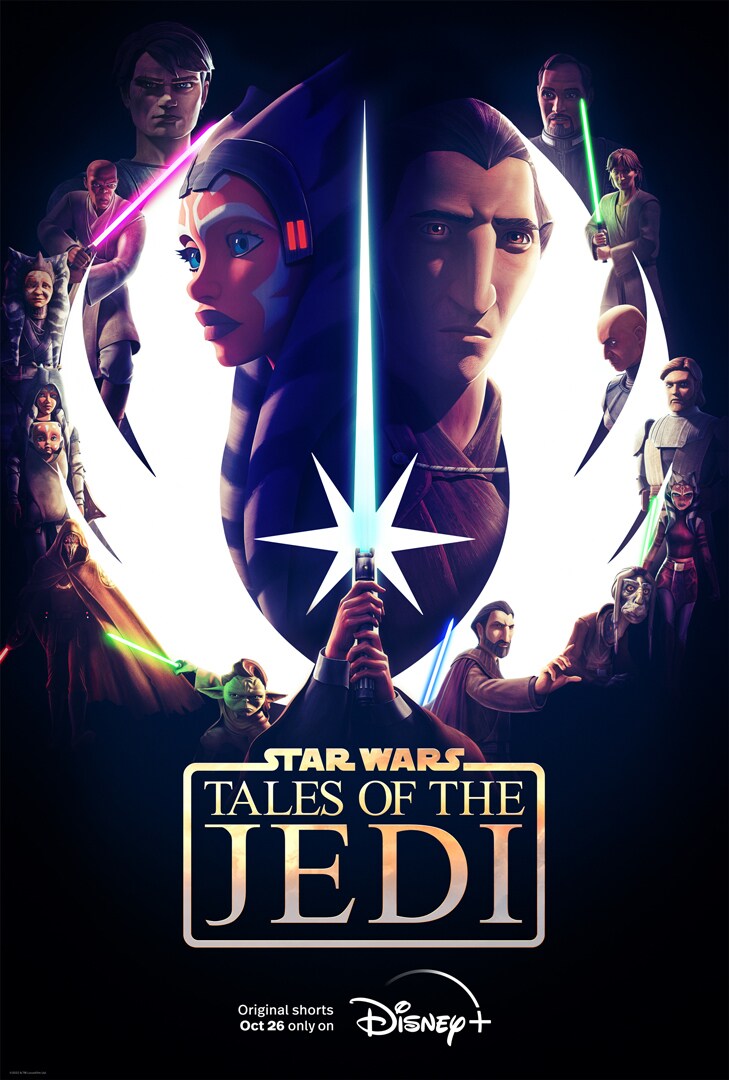
The Old Republic is defined by the gap between a government’s formal reach and its practical reach. The Senate can pass a law that takes months or years to affect a remote system. A Jedi can be dispatched to mediate a dispute, but the order may not have enough personnel to remain after the agreement is signed. Corporations, local rulers, mercenary groups, and military orders fill the space between public promise and daily enforcement.
This makes the frontier politically active rather than merely distant. Outer Rim communities are not passive recipients of Core policy. They negotiate, resist, trade around regulations, and build their own alliances. Mandalorian groups, independent systems, criminal networks, and local militias can all become alternative providers of security. The Republic may describe those groups as disorderly, while local populations may see them as the only actors who arrive when official institutions do not.
Jedi intervention has the same ambiguity. A mediator who prevents a massacre may be welcomed as a protector. A mediator who imposes a settlement without understanding local history can become another outside power. Old Republic stories often place Jedi in this uncomfortable position because the era has not yet solved the problem of how a universal order should act in communities that did not ask it to govern them.
Legends’ central character: Revan
Legends supplement. BioWare’s Knights of the Old Republic makes Revan the era’s defining case study in identity. Once a Jedi Knight, Revan becomes a leader in the Mandalorian Wars, turns toward the dark side, is defeated and captured, has their memory erased, and is then forced to build a new self from fragments. Darth Malak, Bastila Shan, Carth Onasi, Jolee Bindo, and the companions aboard the Ebon Hawk turn the game into a social anthropology of loyalty: identity is not only what a person remembers, but what other people are willing to risk for them.
The plot’s famous twist matters because it makes political power psychological. A republic can deploy a hero, erase a history, and then ask that person to save the same order they once threatened. The Jedi Council’s decision to manipulate memory is therefore not a footnote; it is an institutional attempt to repair a war by controlling biography. The player’s choices then expose the moral cost of that repair. KOTOR II pushes the question further through Meetra Surik, Kreia, and a galaxy damaged by the wounds left behind when institutions reduce people to weapons.
Mandalorian culture and the social meaning of war
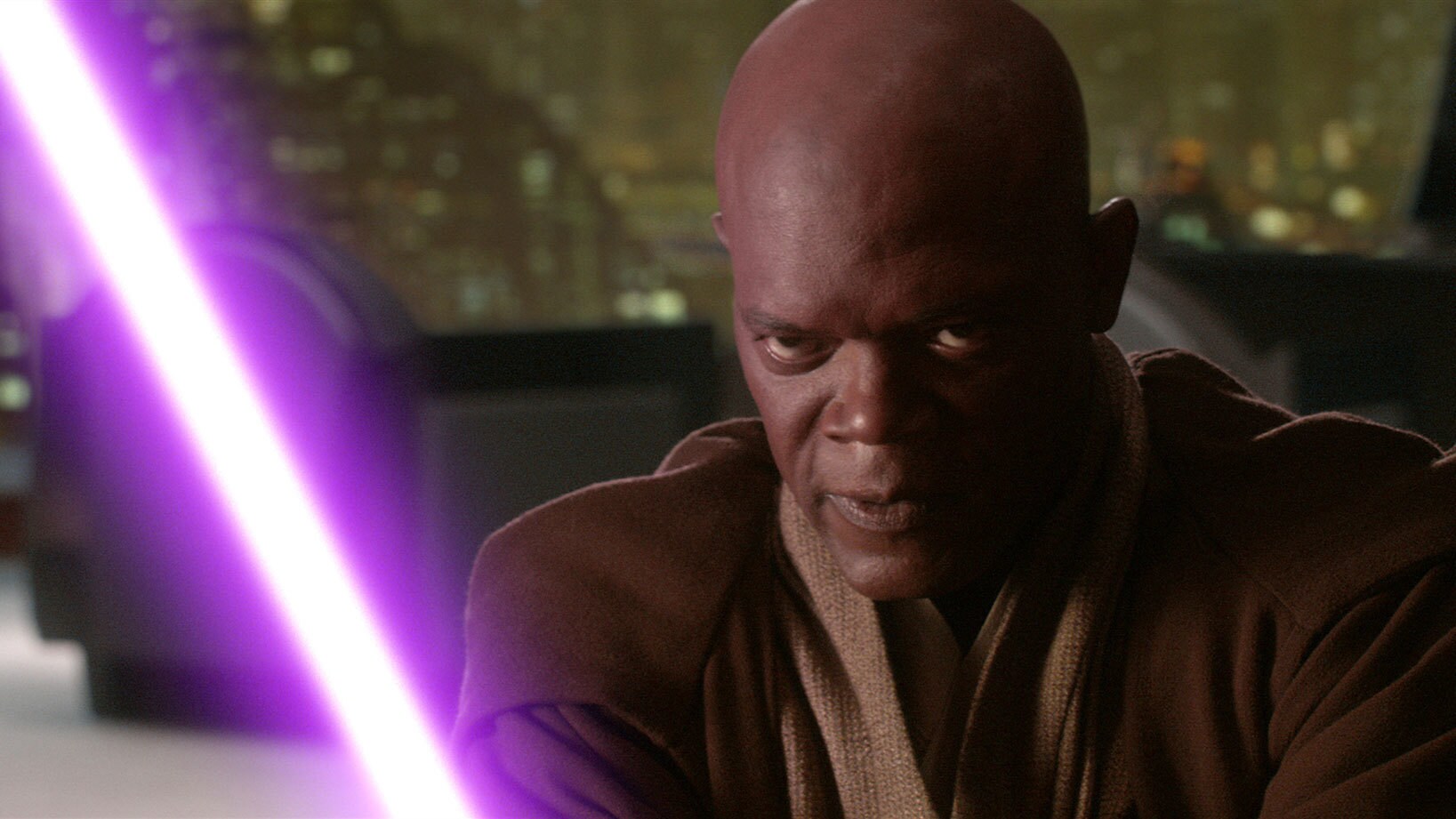
The Mandalorian Wars are important because they make war a question of collective identity. Mandalorian groups do not fight only for territory or a senate seat. They fight over what it means to be Mandalorian, who may join the community, which traditions deserve protection, and whether conquest is a form of cultural renewal. Armor gives these arguments a visible form. It marks affiliation, records achievement, and allows a person to carry a group’s history into a foreign environment.
Warrior societies are often described from the outside through their weapons. That description misses the institutions that make violence durable. Training, adoption, household labor, metallurgy, ceremony, and stories of ancestors all matter. A helmet can be a military tool, but it can also signal kinship and obligation. A foundling can become a member through practice rather than blood. These ideas later become important in canon Mandalorian stories, even though the Old Republic versions belong to Legends.
The conflict also changes the Republic’s understanding of security. A government that once relied on diplomacy begins to imagine threats through fleet size, intelligence networks, and preemptive force. Jedi who intervene in the war may believe they are preventing greater harm, but their decision creates a precedent for future Jedi militarization. The Old Republic therefore links Mandalorian identity to the later question of whether guardians can remain outside the wars they believe they must stop.
Wars that define the era
Legends gives the Old Republic a chain of conflicts rather than one war: the Great Sith War, the Mandalorian Wars, the Jedi Civil War, the Sith Triumvirate’s campaign, the return of the Sith Empire, and the long conflicts depicted in Star Wars: The Old Republic. Earlier Tales of the Jedi stories place Ulic Qel-Droma, Exar Kun, Naga Sadow, and Marka Ragnos inside cycles of ambition and revival. The later Darth Bane novels transform the aftermath of Ruusan into the Rule of Two, a strategy in which the Sith survive by becoming smaller, more secretive, and more patient.
These wars are not interchangeable lightsaber spectacles. Each one changes the relationship between population and state. A Mandalorian invasion makes military identity a question of culture and adoption. A Jedi civil war turns the guardians of public order into a threat within the republic. A Sith empire makes archaeology and bloodline into political weapons. The recurring pattern is that war produces institutions that outlive the emergency: fleets, academies, intelligence services, exile communities, and inherited grievances.
Jedi, Sith, and the problem of authority
The Jedi in this era are not simply the serene council seen in The Phantom Menace. They are divided by doctrine, generation, and proximity to political power. Revan’s followers argue that refusing to intervene in the Mandalorian Wars is itself a moral failure. Other Jedi fear that intervention will reproduce the violence they claim to stop. That debate anticipates Anakin Skywalker’s later frustration with the Order, but the Old Republic makes the dilemma explicit: can an order remain a moral authority if it refuses responsibility for the consequences of its neutrality?
The Sith answer by treating power as the only honest politics. Their empires are brutal, but they are rarely socially empty. They have rituals, bureaucracies, military ranks, philosophies, and systems for recruiting the disaffected. The official Sith record describes the order’s commitment to hate, deception, and greed; Legends shows how those ideas become institutions capable of surviving defeat. Darth Bane’s Rule of Two is especially anthropologically revealing: secrecy becomes a technology of continuity, allowing a tiny lineage to imagine itself as a civilization waiting to return.
The Mandalorian question
Mandalorians are central to Old Republic memory because they resist the category “warrior” as a purely military occupation. In Legends, Mandalorian identity is a culture that can be adopted, taught, and contested. The armor is a portable archive: it carries clan affiliation, craft knowledge, status, and a story about belonging. That helps explain why Mandalorian conflicts reverberate through later canon, even though the Legends chronology is no longer the default continuity. When The Mandalorian and related stories revisit beskar, clans, foundlings, and the restoration of Mandalore, they are working with the same broad question: can a people whose identity was organized around war build a future without pretending the war never happened?

Companions, exiles, and chosen allegiance
Knights of the Old Republic makes companionship part of the historical method. Revan’s identity cannot be understood through a single official record because every record has been altered by war. The people aboard the Ebon Hawk provide competing memories, practical skills, and moral judgments. Mission Vao’s experience of displacement, Zaalbar’s bond and coercion, T3-M4’s technical role, and Jolee Bindo’s skepticism show how a galactic conflict is assembled from lives that never appear in a senate archive.
This structure challenges the idea that a hero’s biography belongs only to the hero. Bastila Shan’s battle meditation, Carth Onasi’s military history, and Canderous Ordo’s Mandalorian identity affect what Revan can become. The group creates a social environment in which a person’s past is confronted by witnesses. Redemption is not an internal feeling alone. It requires other people to decide whether trust can be extended again and what conditions should govern that trust.
KOTOR II makes the social cost more severe. Kreia treats relationships as systems of influence, while the Exile’s companions show that loyalty can be damaged by the way institutions use people. The Jedi, Sith, Republic, and Mandalorian movements all claim to act for a larger good. The companions ask who pays for that good and what happens to those who survive after the leaders declare victory.
Anthropology of memory and remake
The Old Republic is a laboratory for institutional memory. Jedi temples preserve some histories and suppress others. Sith tombs make the dead politically active. Exiles carry defeat into new communities. Games such as KOTOR turn the player into an archivist who must decide which version of the past deserves to guide the future. The era’s archaeological objects—masks, holocrons, armor, star maps, and ancient blades—are never neutral. They authorize claims. Whoever controls an artifact can say, “This is where our people came from; this is what our ancestors intended; this is why we must rule.”
That is also why the Old Republic is a natural bridge to the rest of the saga. The Republic’s recurring weakness is not that it has no ideals. It is that it repeatedly mistakes institutional continuity for moral continuity. A senate can survive while its citizens lose faith. A Jedi order can preserve its robes and rituals while forgetting why it was founded. The Old Republic gives those tensions room to grow until the later eras inherit them as crisis.

Why the era remains culturally powerful
The Old Republic has remained influential because it gives Star Wars room to separate mythic roles from familiar faces. A Jedi can be a dissenter, a general, an exile, or a teacher. A Sith can be an emperor, a hidden student, a failed reformer, or a leader of a fractured order. Revan’s changing identity lets fans ask whether a person can be responsible for actions they no longer remember, while the Mandalorian Wars let later stories debate the costs of neutrality and intervention.
The era also supports long-form storytelling. A war can be followed across generations. A destroyed temple can become a site of pilgrimage. A political decision can reappear centuries later as a family grievance or religious teaching. The distance from the films creates room for new names, but the institutions remain familiar enough for readers to recognize the pattern of crisis.
That combination explains why the era works across comics, novels, games, and collectibles. Each medium can make a different part of the social world visible. A game gives the audience responsibility for relationships. A comic can emphasize visual archaeology and factional identity. A novel can stay with the interior cost of war. The Old Republic is not one story. It is a durable archive of how communities explain their own failures.
The cost of victory
Old Republic wars rarely end when the final fleet is defeated. Soldiers return to communities that have changed while they were away. Cities carry damaged infrastructure and displaced populations. Jedi leaders must decide whether former combatants should be punished, rehabilitated, or recruited. Political leaders must decide how much of the wartime command structure can remain in place without threatening civilian government.
These decisions create postwar inequalities. Veterans may receive status or land while civilians who supported the war receive little recognition. Conquered populations may be required to accept a new government without having a voice in its formation. Exiled Jedi and Mandalorians may carry their own accounts of the conflict into later generations. The official record can call the result peace even while the social conflict continues.
KOTOR II is especially concerned with this aftermath. Its characters move through a galaxy that has survived several wars but has not recovered from them. The Exile’s presence exposes how institutions treat people who no longer fit the roles they once occupied. The question is not only who won. It is whether the political order can make room for people whose identities were formed by the war it wants to close.
This is one reason the Old Republic remains useful for understanding the later saga. The Clone Wars, the Empire, and the First Order all inherit institutions that were shaped by earlier emergencies. Victory creates obligations. When those obligations are ignored, the conflict becomes available to whoever can give the wounded a new explanation of what happened to them.
Reading and viewing path
For current canon, begin with the official era page and the announcement for Fate of the Old Republic; the game is announced, not yet a released source of story details. For Legends, the essential sequence is Knights of the Old Republic, Knights of the Old Republic II: The Sith Lords, selected Tales of the Jedi comics, the Revan novel, and The Old Republic game’s class stories. Treat the Darth Bane trilogy as a later Legends bridge to the Sith’s secret survival rather than as a current-canon biography.
Sources and further reading
- Official Timeline: The Eras of Star Wars, StarWars.com
- Star Wars: Fate of the Old Republic, StarWars.com
- Sith, StarWars.com Databank
- Star Wars: The Old Republic, official game site
- Knights of the Old Republic, StarWars.com
Visual record
Images, objects, and echoes
Official artwork and reference imagery used as visual anchors. Captions distinguish direct period evidence from later depictions of memory and lineage.
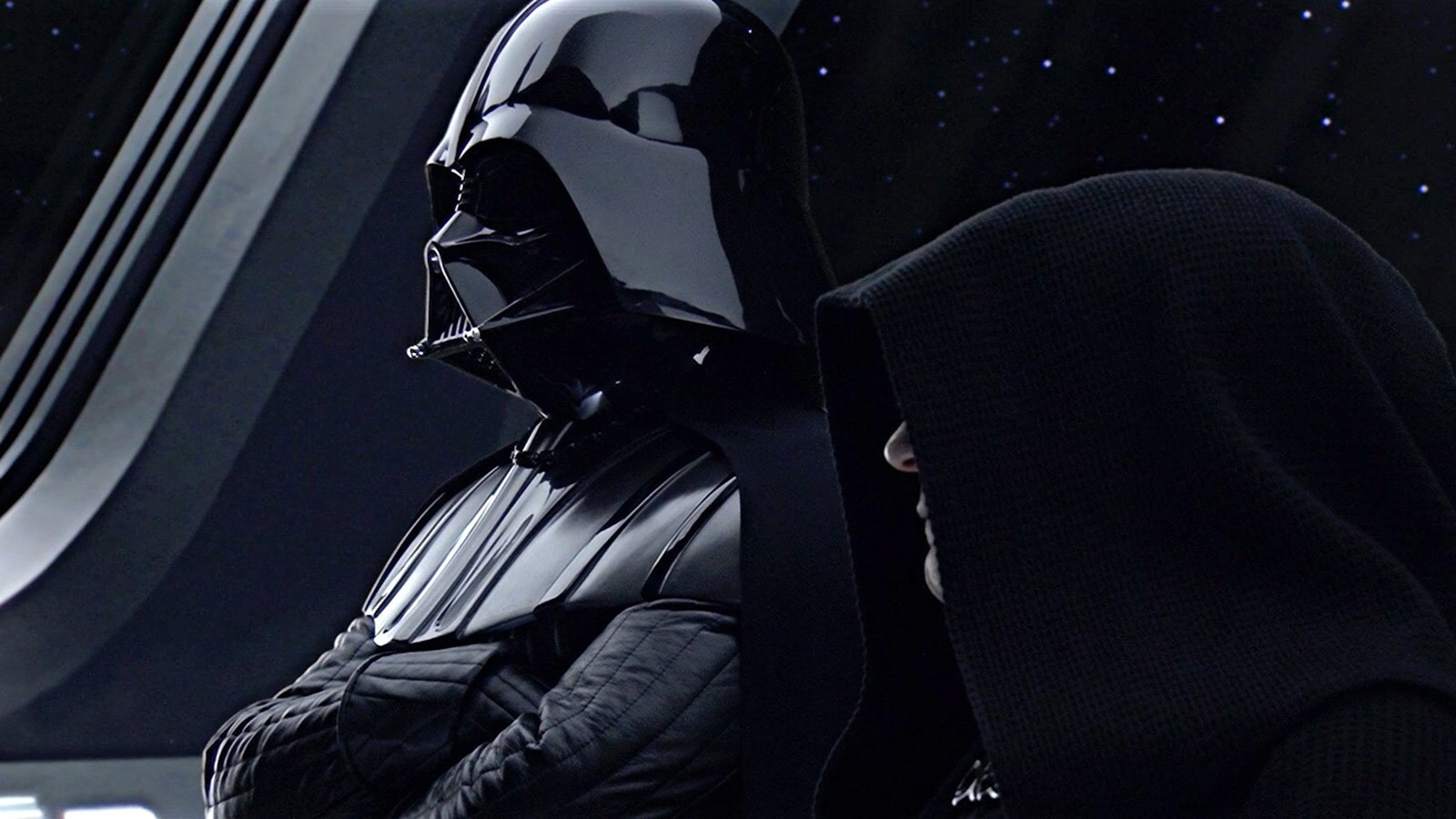
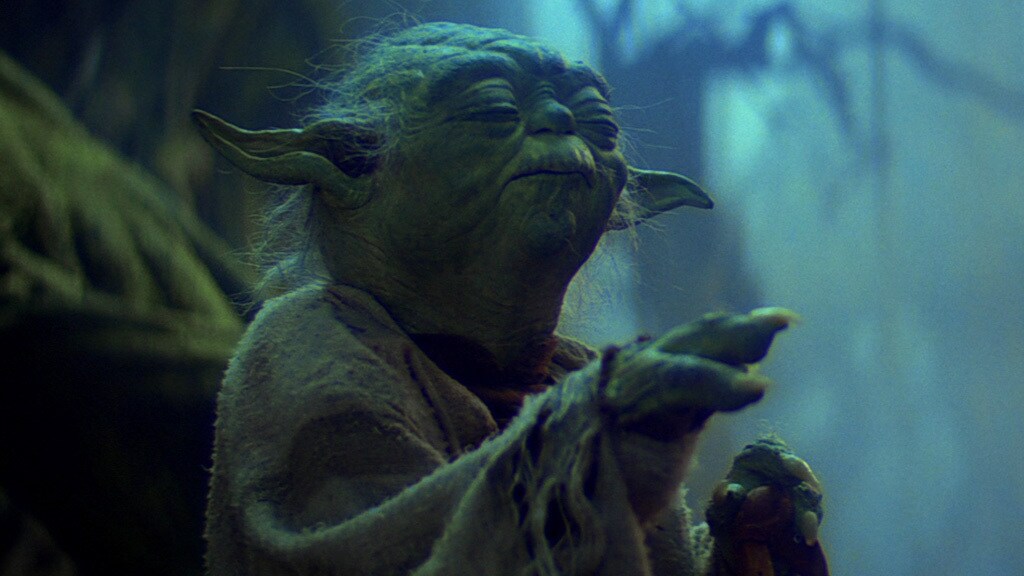
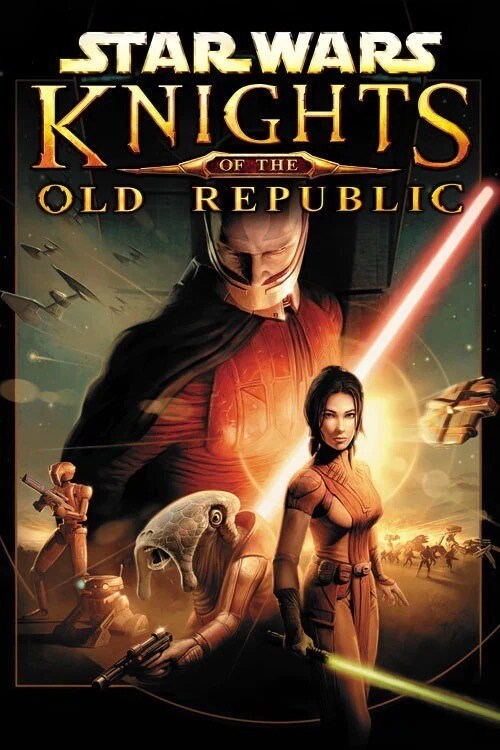
Image links open the official host or publisher page. This independent archive uses the images for commentary, identification, and research context.
Connected archive