New RepublicLive action
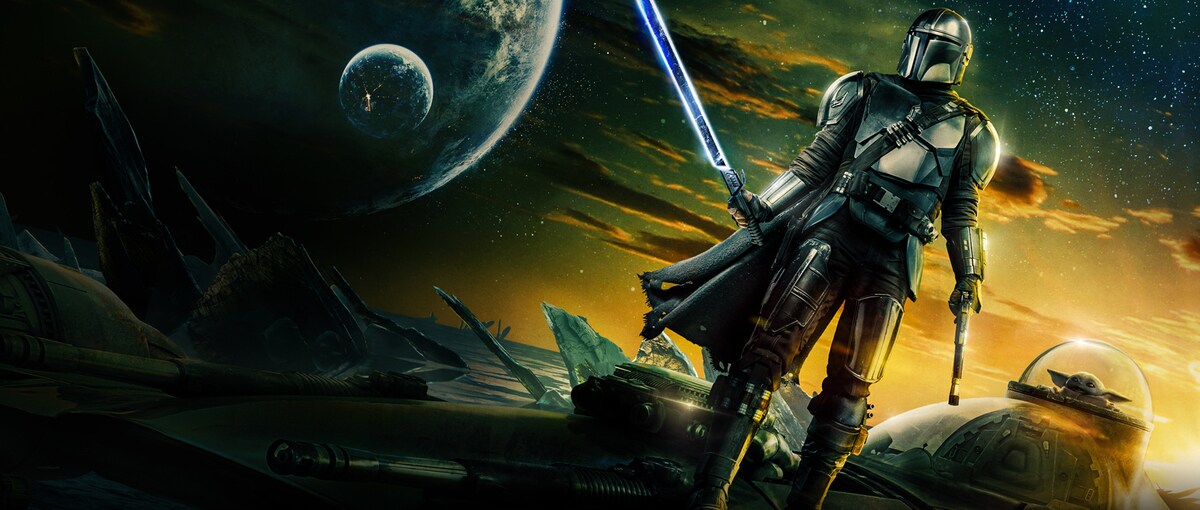
The Mandalorian
Open series hub →Din Djarin · Grogu · Imperial remnants
A frontier story about bounty hunting, kinship, Mandalorian identity, Imperial remnants, and the uneven reach of the New Republic.
Television · Animation · Streaming
Television has become one of the main places where Star Wars develops institutions, communities, and character histories over time. IDS connects each series to the characters, worlds, political systems, books, comics, and other screen stories that deepen it.
Television archive
Long-form series can show political change, local communities, military institutions, and character development in ways a single film cannot. The archive separates live action and animation while keeping both connected.
Empire · Rebellion · New Republic · High Republic
Din Djarin · Grogu · Imperial remnants
A frontier story about bounty hunting, kinship, Mandalorian identity, Imperial remnants, and the uneven reach of the New Republic.
Occupation · surveillance · organized resistance
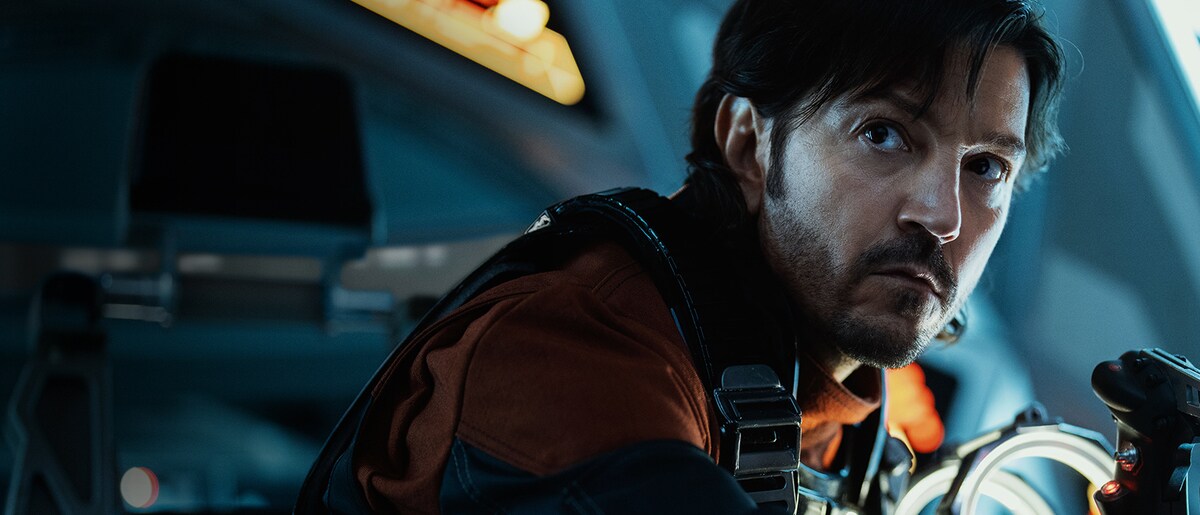
A political thriller about how rebellion forms through clandestine networks, labor exploitation, prison systems, state surveillance, fear, and sacrifice.
Ahsoka · Sabine · Thrawn · Ezra
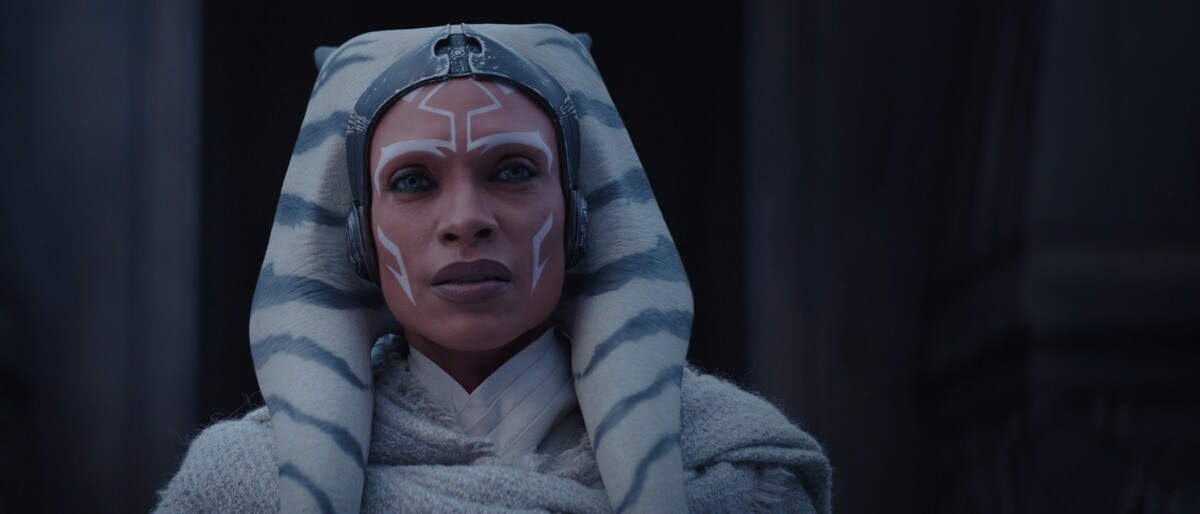
The aftermath of Rebels moves into live action through Ahsoka, Sabine, Hera, Ezra, and Thrawn while the New Republic struggles to recognize emerging threats.
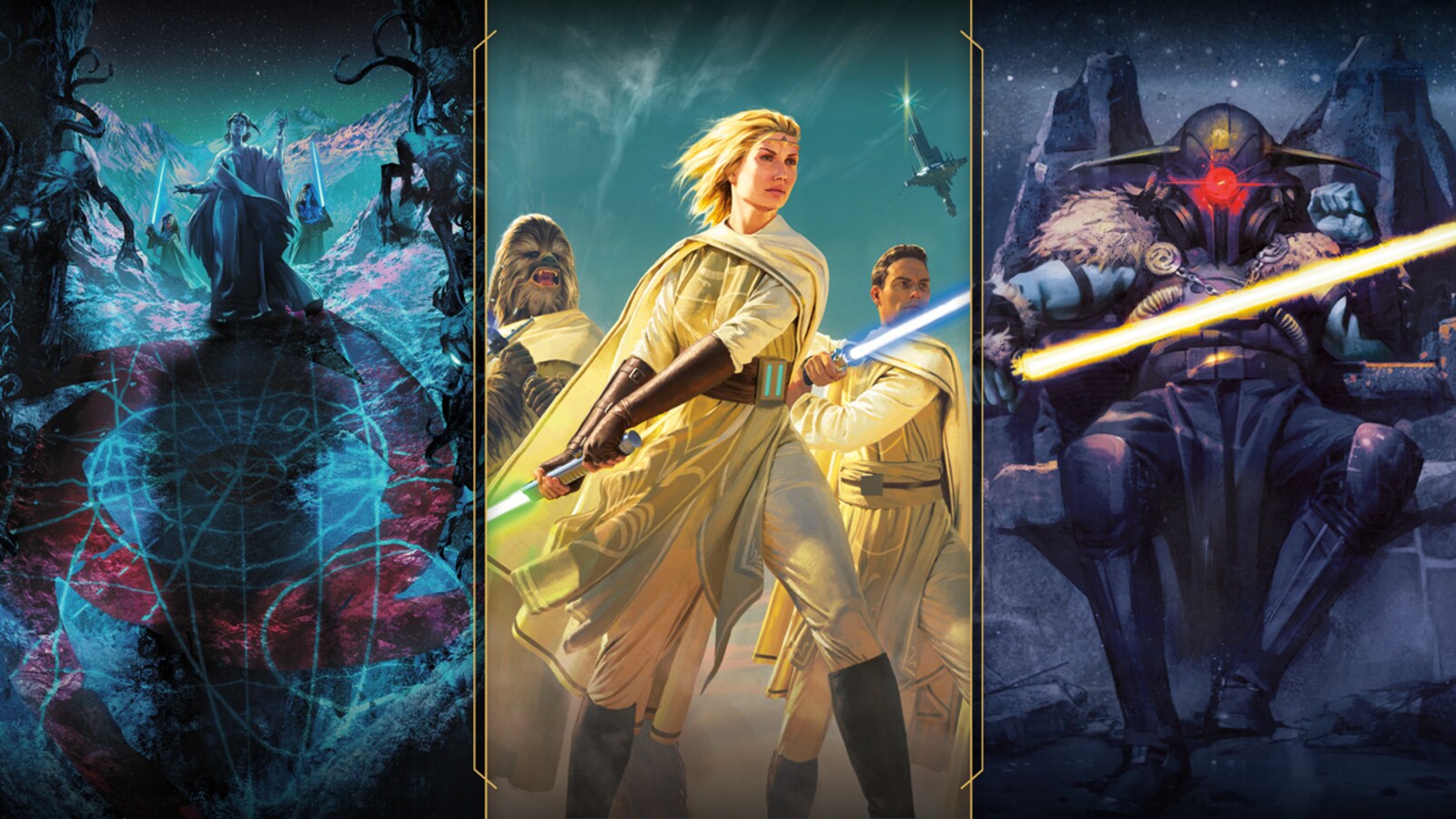
Jedi childhood · education · community
Kai, Lys, Nubs, and their friends learn the ways of the Jedi through community service, exploration, and supervised missions during the High Republic.
Jedi authority · Brendok · hidden traditions
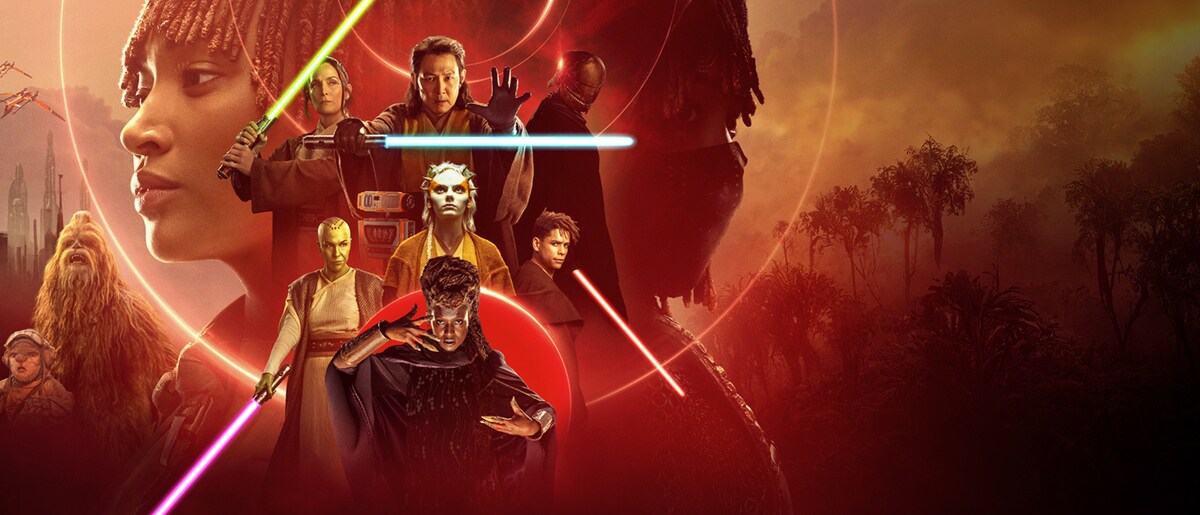
A mystery set near the end of the High Republic era, centered on Jedi authority, institutional memory, secrecy, Brendok, and competing understandings of the Force.
At Attin · piracy · hidden systems
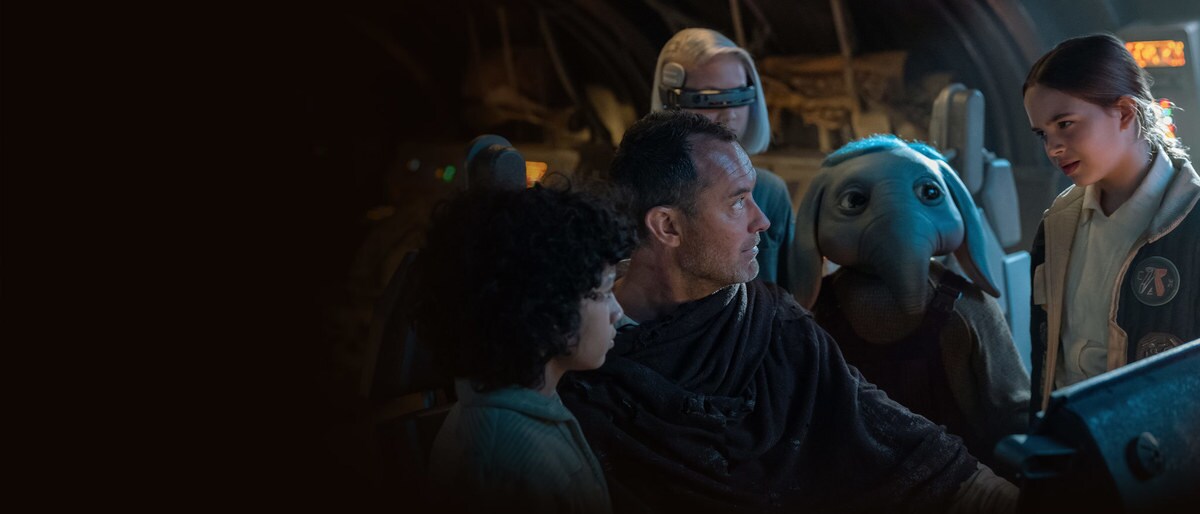
Children from the isolated world of At Attin are pushed into a galaxy of pirates, unfamiliar institutions, and social systems very different from the protected society they know.
Exile · Inquisitorius · Vader
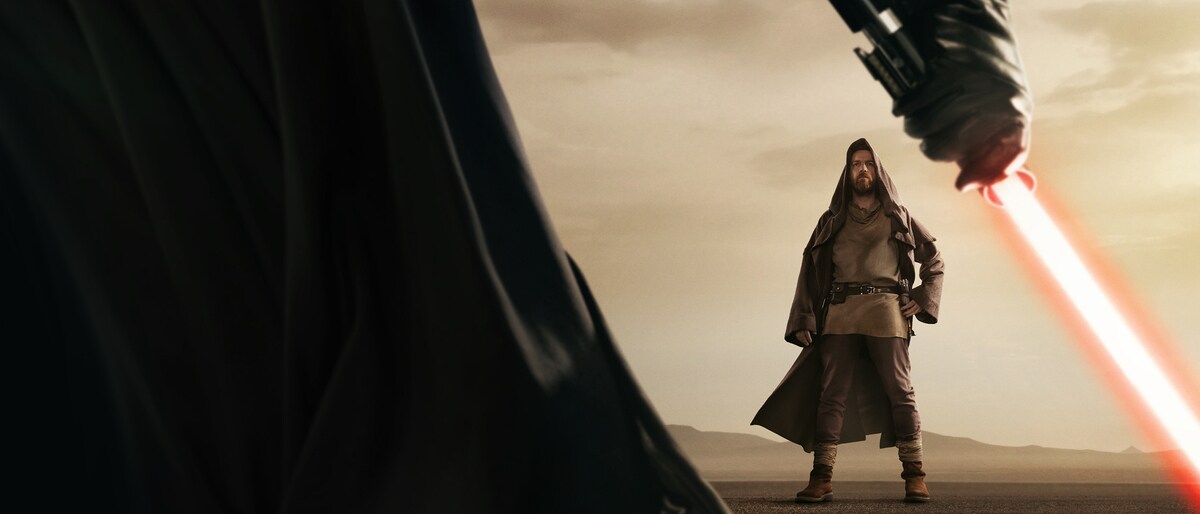
Obi-Wan's exile intersects with Leia Organa, Darth Vader, and the Inquisitorius while the consequences of Order 66 continue to shape Jedi survivors.
Tatooine · authority · underworld
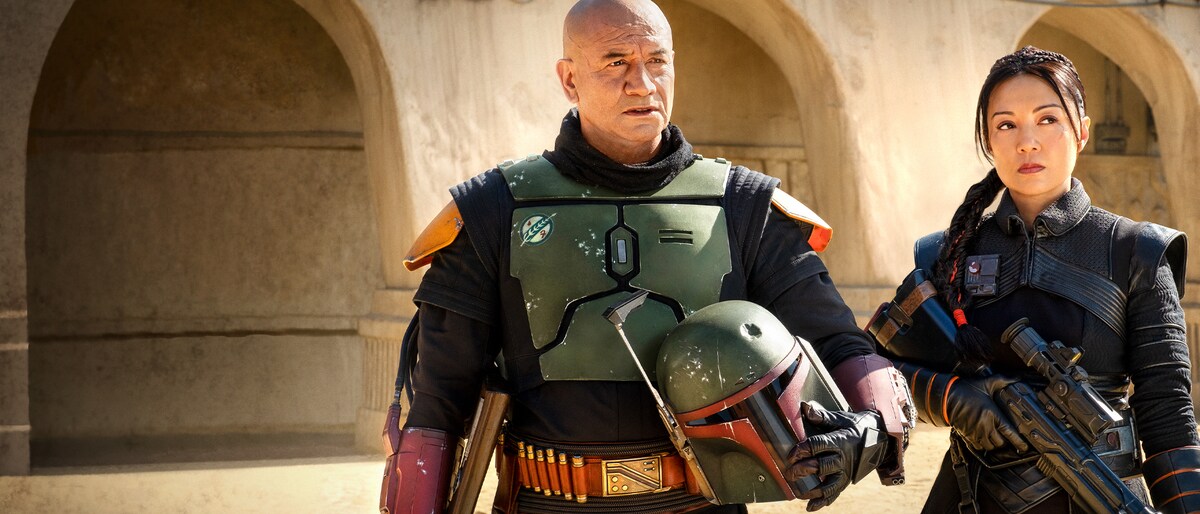
Boba Fett and Fennec Shand attempt to convert reputation, force, and inherited territory into durable authority within Tatooine's criminal and political landscape.
Clone Wars · Rebellion · Imperial transition · Sequel era
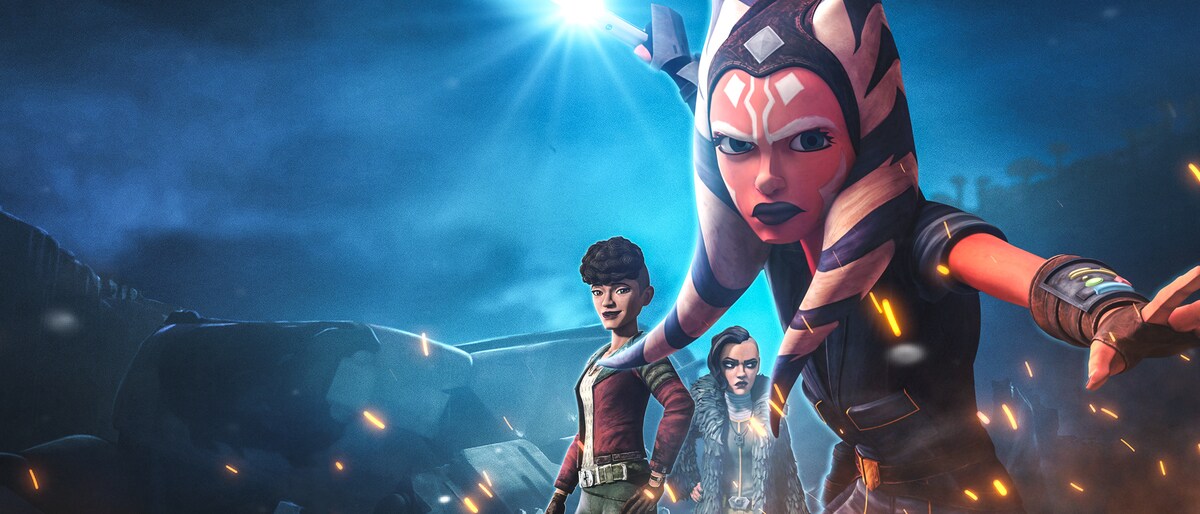
Jedi at war · clone identity · Ahsoka Tano
The series expands the Clone Wars into a study of Jedi military service, clone individuality, Mandalore, the Nightsisters, wartime politics, and Ahsoka's separation from the Order.
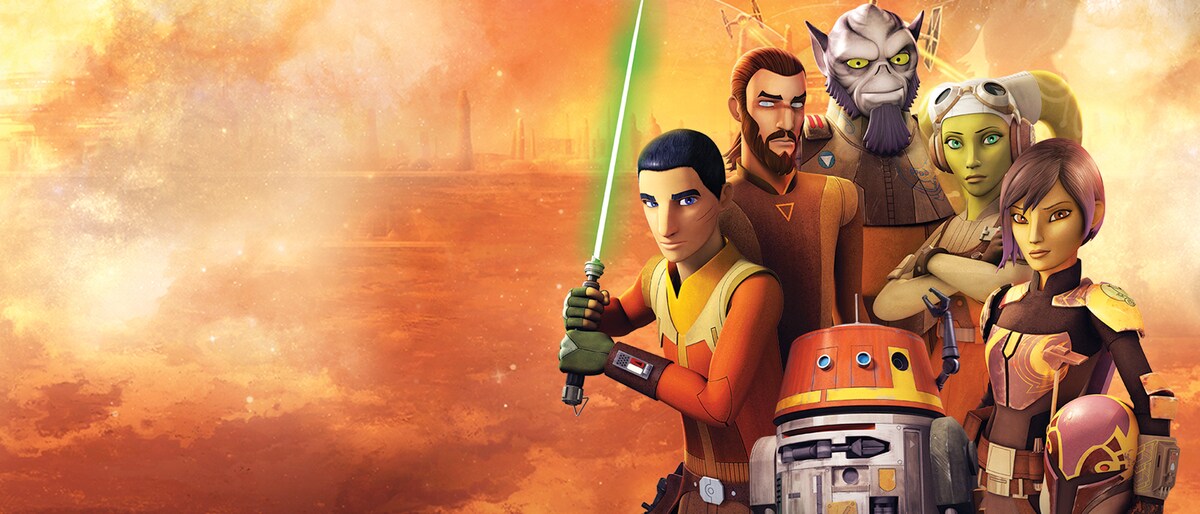
Lothal · Ghost crew · rebellion
The Ghost crew connects local resistance on Lothal to Jedi survival, Mandalorian politics, Imperial occupation, and the growth of the Rebel Alliance.
Clone autonomy · Imperial science · family
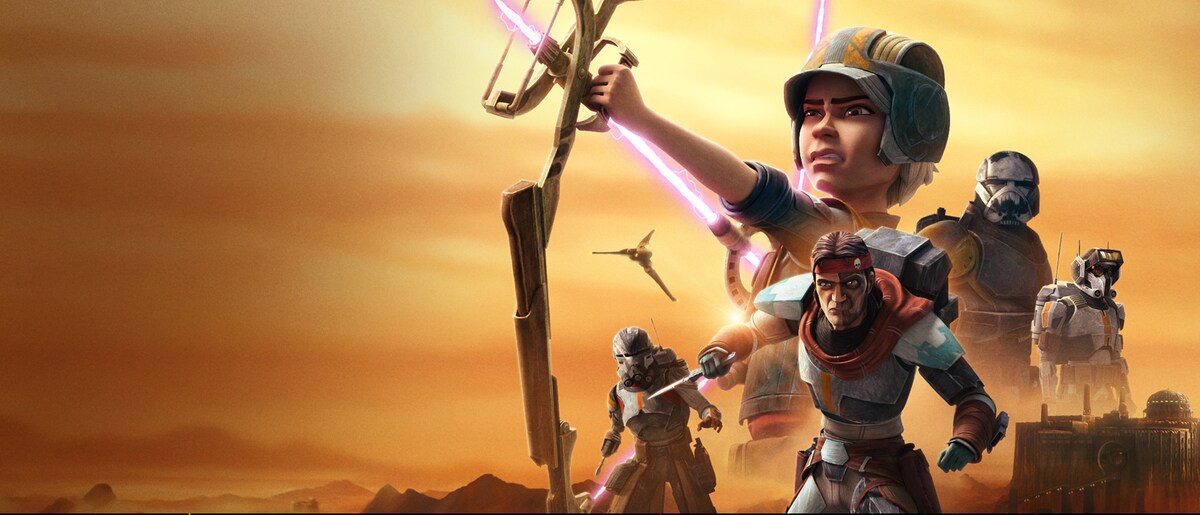
The transition from Republic clones to Imperial military systems is shown through Clone Force 99, Omega, scientific control, and the changing political status of the clones.
Pilots · espionage · First Order
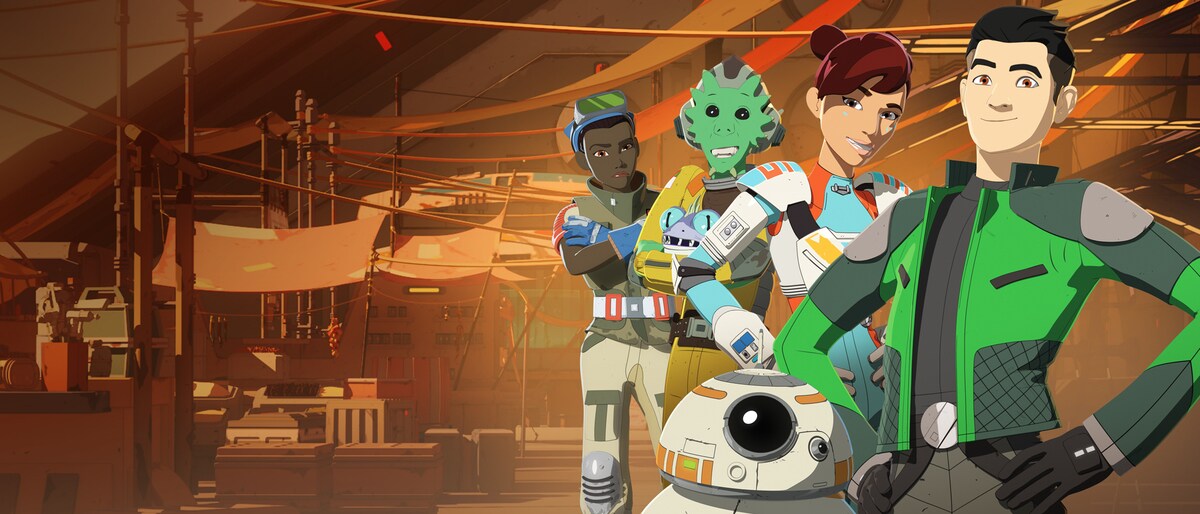
A younger-audience series focused on pilots, espionage, local communities, and the spread of First Order influence before and during the sequel-era conflict.
Independent stories · global animation
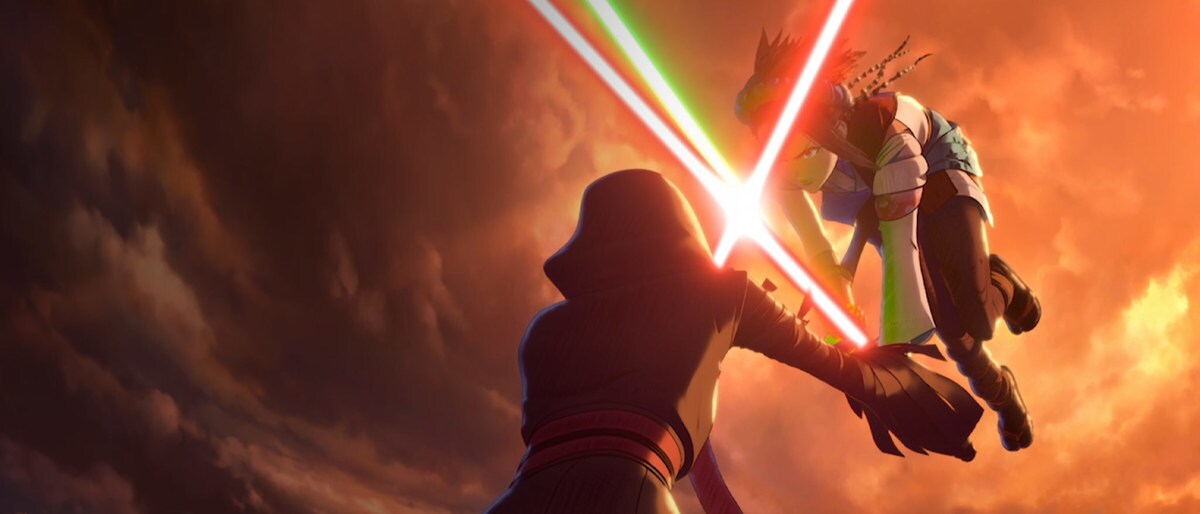
An anthology format that allows different studios and artistic traditions to reinterpret Star Wars without being constrained to one shared chronology or visual language.
Animated anthology
Three six-episode anthologies connect pivotal character histories to the Jedi, Empire, and galactic underworld.
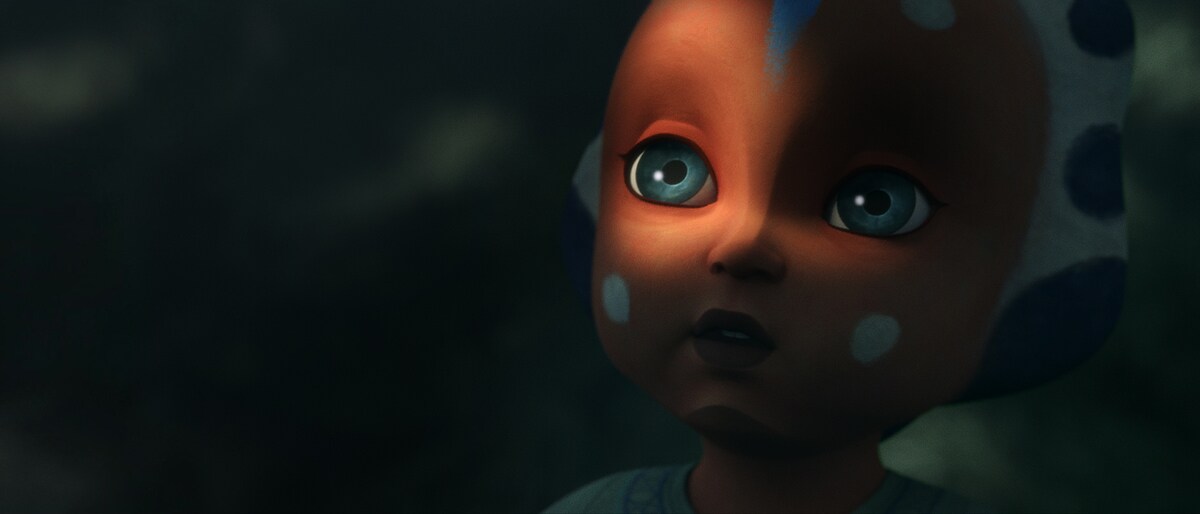
2022 · six shorts
Tales of the Jedi uses six short episodes to compare two lives that move away from the Jedi Order in very different directions: Ahsoka Tano and Count Dooku.
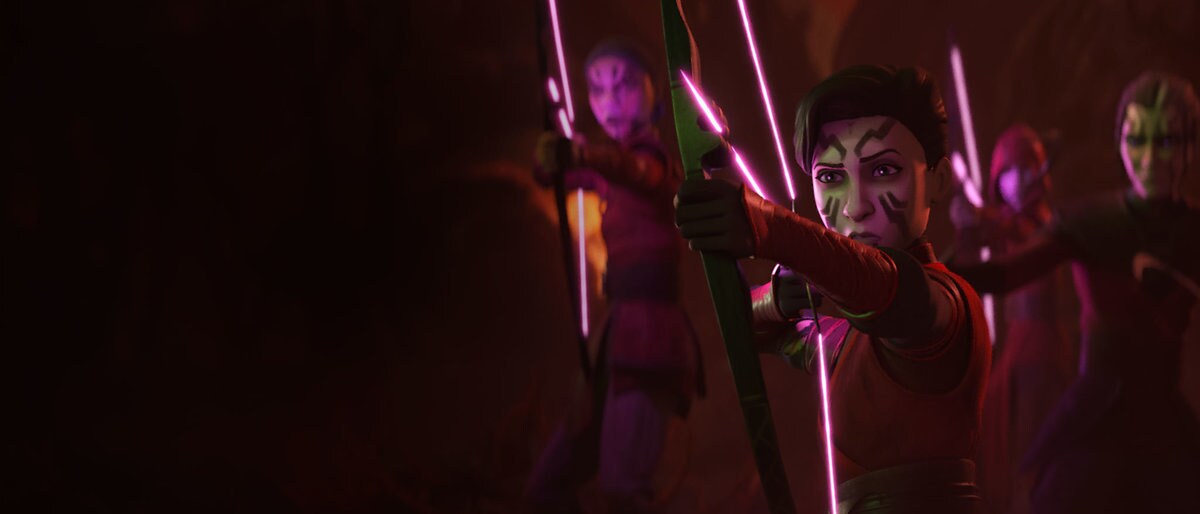
2024 · six shorts
Tales of the Empire follows Morgan Elsbeth and Barriss Offee across different moments in the rise and consolidation of Imperial rule.
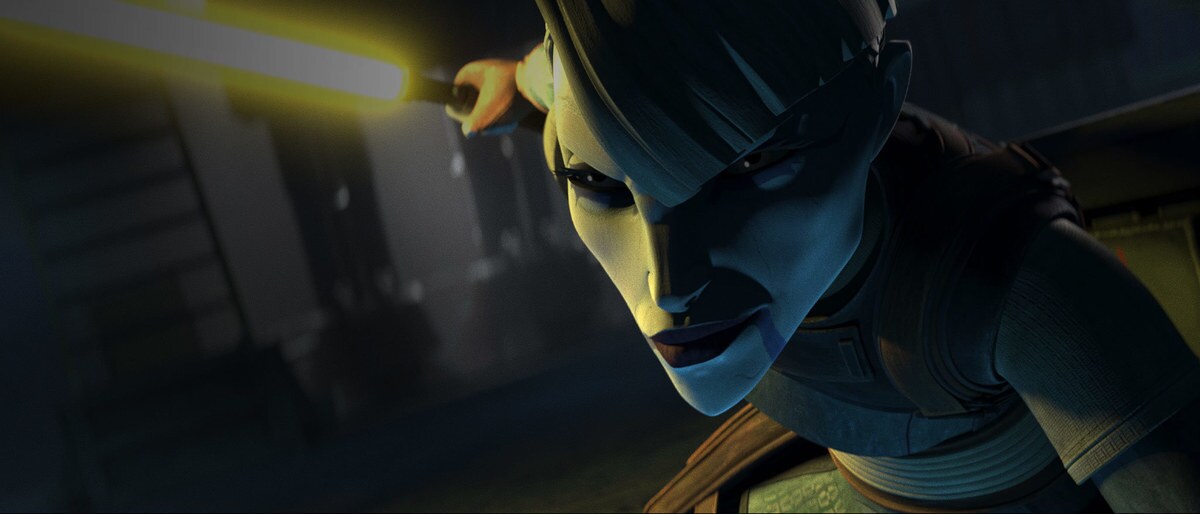
2025 · six shorts
Tales of the Underworld pairs three episodes about Asajj Ventress after her apparent death with three episodes tracing formative experiences in Cad Bane's life.
Current animation
New animated series released in 2026, now connected to the IDS screen archive.
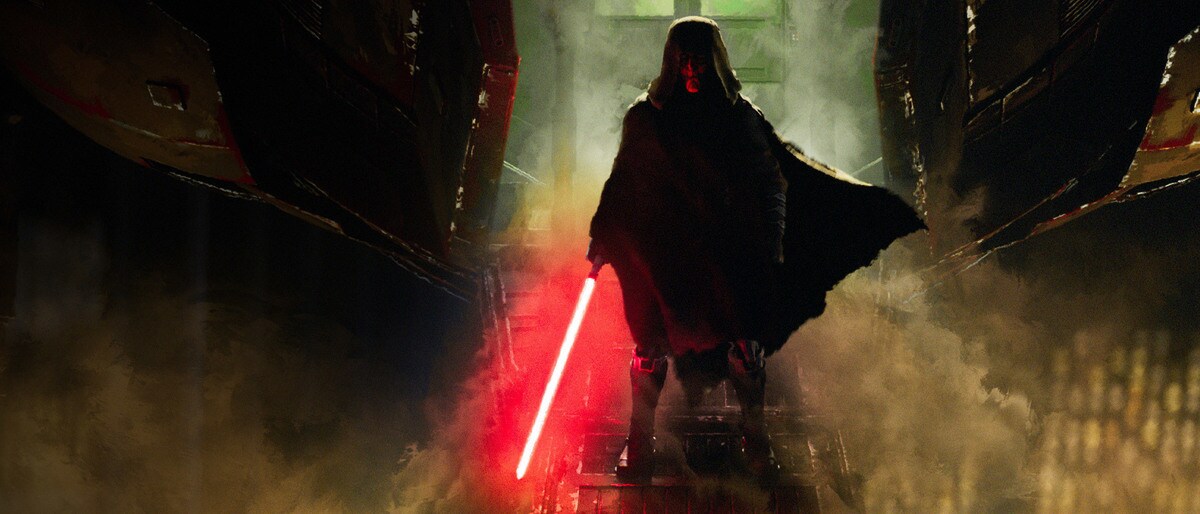
Set in the early Imperial era, Maul attempts to rebuild criminal power on Janix while Imperial expansion, local law, surviving Jedi, and underworld factions compete over the same political space.
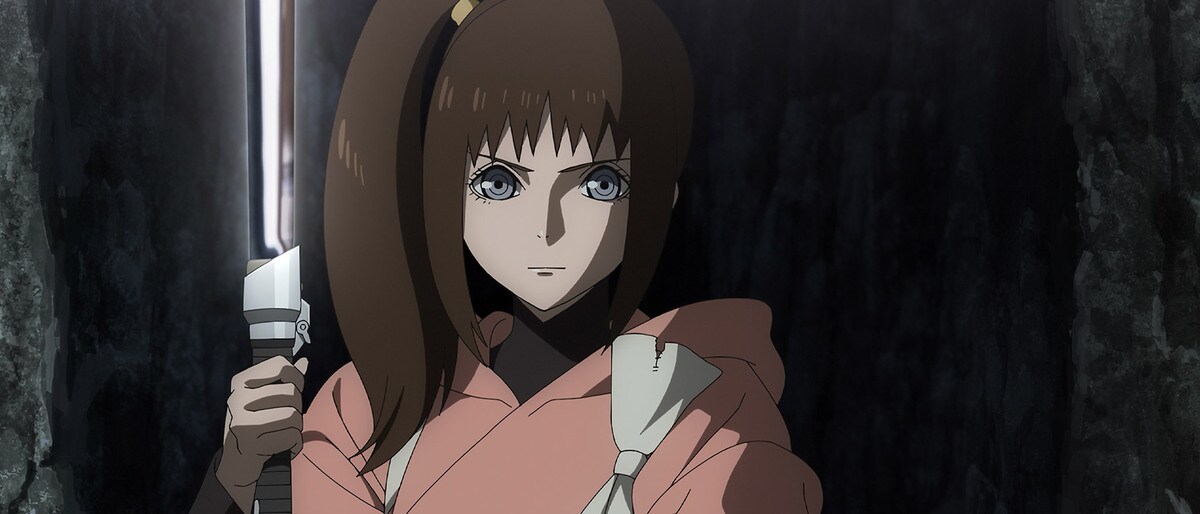
The limited anime series continues Kara's story after The Ninth Jedi and Child of Hope. Kara trains under Margrave Juro while a small group searches for people capable of rebuilding Jedi practice in a galaxy where the old Order has disappeared.
Canon short-form
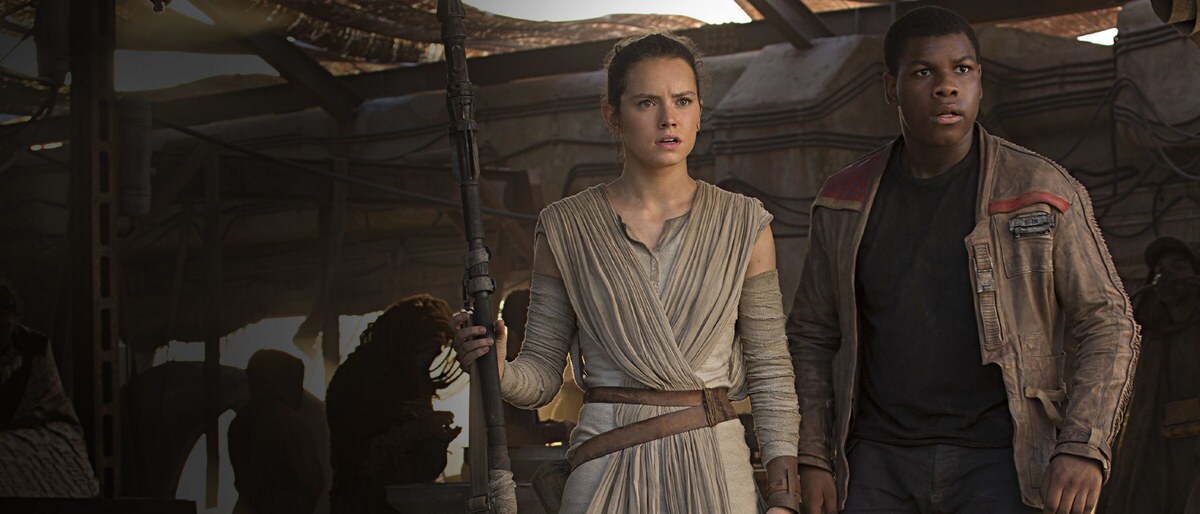
32 shorts · 2017–2018
Short canon stories about everyday decisions by Rey, Leia, Ahsoka, Sabine, Jyn, Padmé, Hera, and others.
Archive 04 · Legends
Earlier television productions preserved as part of Star Wars media history. These are labeled separately from current canon.
Genndy Tartakovsky's complete 25-chapter micro-series with episode summaries and anthropology notes.
R2-D2 and C-3PO move through racers, miners, pirates, monarchies, and the underworld.
Wicket's Endor community explored through kinship, ecology, ritual, folklore, and neighboring societies.
Specialized screen archives
These formats are separated from the main canon/Legends series list because they use parody, retelling, micro-content, or mixed continuity.
Galaxy of Adventures, Blips, Rebels shorts, Galaxy of Creatures, Galactic Pals, Fun with Nubs, and more.
From The Padawan Menace to Rebuild the Galaxy and LEGO Star Wars: The Mandalorian.
New IDS review archive
Twelve dedicated reviews examine how Star Wars television builds institutions, communities, families, religions, workplaces, political systems, and forms of identity across time.
Anthropology · Television criticism
A series can return to the same workplace, household, religious tradition, government, prison, military unit, or local community across many episodes. The new review archive uses that repetition to analyze how Star Wars societies actually function rather than stopping at plot summaries.
Surveillance, labor, prison discipline, class, clandestine networks, and political memory.
Read Andor →Foundlings, religious authority, precarious work, frontier governance, and homeland.
Read The Mandalorian →Clone personhood, Jedi militarization, wartime childhood, Mandalore, and religious diversity.
Read The Clone Wars →Anthology storytelling, cultural interpretation, alternative Force traditions, and visual material culture.
Read Visions →Why television matters
Television has enough time to follow institutions, communities, and secondary characters across years. IDS uses that extra depth to connect story arcs with the larger social and historical structure of the galaxy.
Watch the Jedi Order, Empire, Rebellion, New Republic, Inquisitorius, and First Order function across many episodes rather than a single crisis.
Lothal, Ferrix, Mandalore, At Attin, Tatooine, and other places become societies with memory and local politics instead of background settings.
Ahsoka, Maul, Thrawn, Sabine, Kanan, Cassian, Obi-Wan, and many others gain major parts of their biographies through television.
Television connects directly to films, novels, comics, games, and reference books, making the series archive one of the strongest cross-media entry points on IDS.
Cross-series research
The strongest television arcs often begin in one series and continue in another format or another era.
Example path · Ahsoka Tano
Ahsoka begins as Anakin Skywalker's Padawan in The Clone Wars, leaves the Jedi Order, returns during the final days of the Republic, operates within the early Rebellion, confronts Vader in Rebels, and later becomes a central live-action figure in the New Republic era.
The disappearance at the end of Rebels becomes a major driver of the New Republic-era live-action story.
Follow Thrawn →Maul's post-film life becomes one of the clearest examples of television radically expanding a movie character.
Follow Maul →Cassian's television story leads directly toward the operation that makes A New Hope possible.
Follow Cassian →Din Djarin, Grogu, Bo-Katan, Ahsoka, and Imperial remnants share a connected post-Endor political landscape.
Explore Mandalorians →Imperial Dark Sector adds original organization, context, and cross-media research connections around Star Wars television. Series imagery on this page is loaded from official StarWars.com series pages and remains the property of Lucasfilm and its respective rights holders.