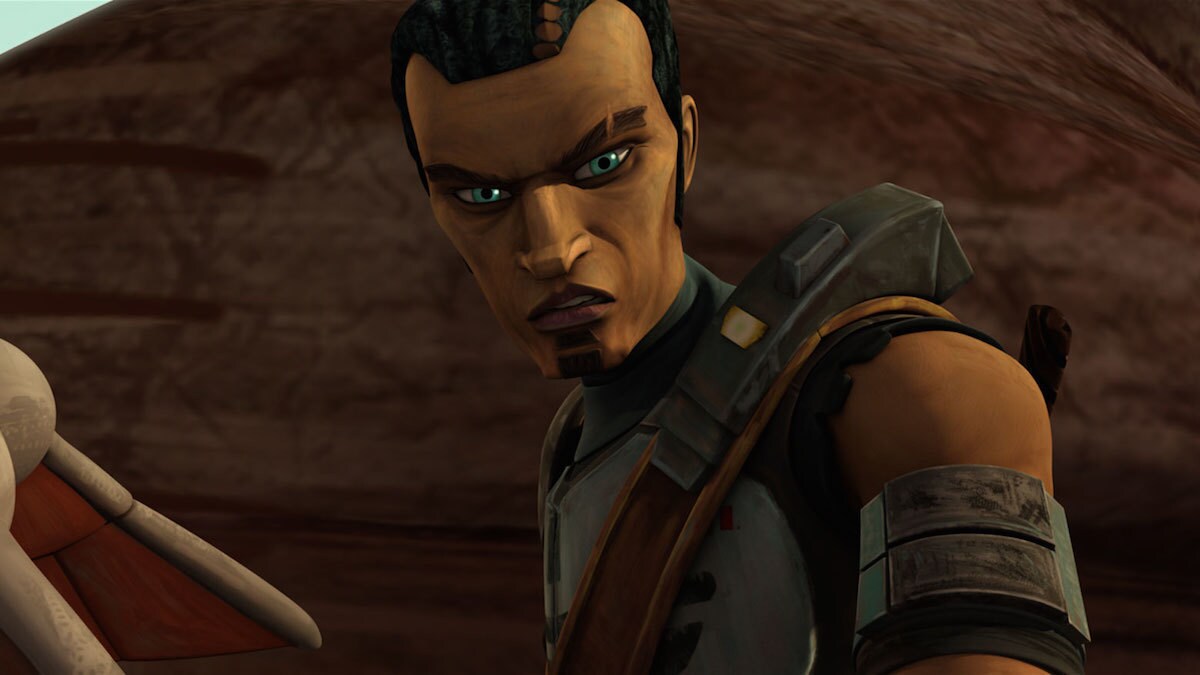
Saw Gerrera begins as a young Onderonian fighting the Separatist-backed regime that displaced King Ramsis Dendup. Republic and Jedi advisers help train the resistance, but Saw and his sister Steela fight the war as members of a local community trying to decide who has the right to rule their world. That experience becomes the foundation of a life spent resisting larger powers.
Onderon and the making of a rebel
Saw's politics begin with place. Onderon is not an abstract battlefield to him. It is home, and the conflict over its government gives armed resistance a concrete social meaning. He fights beside Steela, Lux Bonteri, and other local insurgents while learning tactics from outside advisers. The result is a movement shaped by both local legitimacy and imported military knowledge.
Steela's death leaves Saw with a victory that is inseparable from loss. That matters later because he never treats rebellion as a temporary episode that ends when one government falls. War becomes the structure through which he understands danger, loyalty, and political compromise.
From rebel cell to Partisans
After the Republic becomes the Empire, Saw redirects the same anti-occupation logic against the state that once helped train him. His Partisans operate as an armed network outside the command structure of the later Rebel Alliance. They gather intelligence, sabotage Imperial operations, and accept forms of risk and coercion that other rebel leaders regard as unacceptable.
This is where Saw becomes politically important to the archive. A resistance movement can share an enemy without sharing rules, methods, leadership, or a vision of the future. Saw's relationship with larger rebel organizations repeatedly exposes that difference.
Luthen Rael and coalition politics
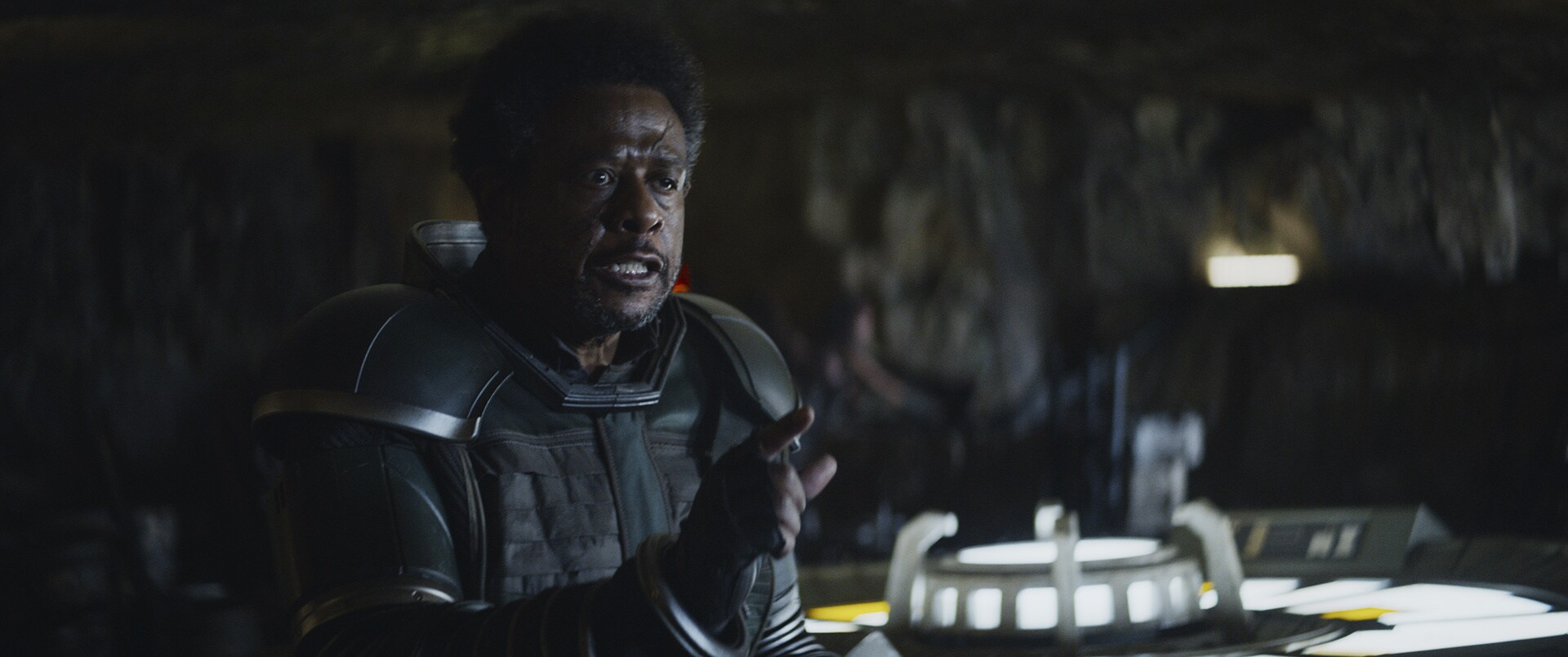
Saw's meetings with Luthen Rael show the difficulty of coordinating decentralized resistance. Luthen wants separate cells to cooperate when cooperation improves the wider rebellion's chances. Saw judges potential partners through ideology, trust, and the probability of betrayal. The disagreement is not simply about personality. It is about how much autonomy a cell should surrender to a coalition it does not control.
The Anto Kreegyr decision makes the problem especially clear. Saw ultimately accepts that one group can be sacrificed to protect a larger intelligence advantage. His position changes, but the cost reinforces the distrust that already structures relations among rebel factions.
Jyn Erso, care, and abandonment
Saw is not only a military figure. He rescues Jyn Erso after her family is broken apart and raises her within his network. That relationship complicates a simple image of Saw as an uncompromising extremist. He can provide care, protection, training, and belonging while also making decisions that cause lasting harm.
When he later abandons Jyn because her identity creates a security risk, political survival overrides the parental relationship he helped create. Their reunion on Jedha is therefore both strategic and personal. Jyn needs access to Galen Erso's message, while Saw must confront the person who carries the consequences of one of his hardest choices.
Geonosis, evidence, and coercion
Saw's investigation of Geonosis shows how his demand for proof can become inseparable from coercion. He is correct that the Empire committed a catastrophe there, but his treatment of the surviving Geonosian brings him into conflict with the Ghost crew. The disagreement concerns both evidence and the status of the person being questioned.
This tension appears repeatedly in Saw's life. He sees Imperial secrecy as proof that hesitation is dangerous. Other rebels worry that resistance can reproduce the forms of domination it claims to oppose. The archive treats that disagreement as an institutional question rather than reducing it to a single moral label.
Body, technology, and prolonged war
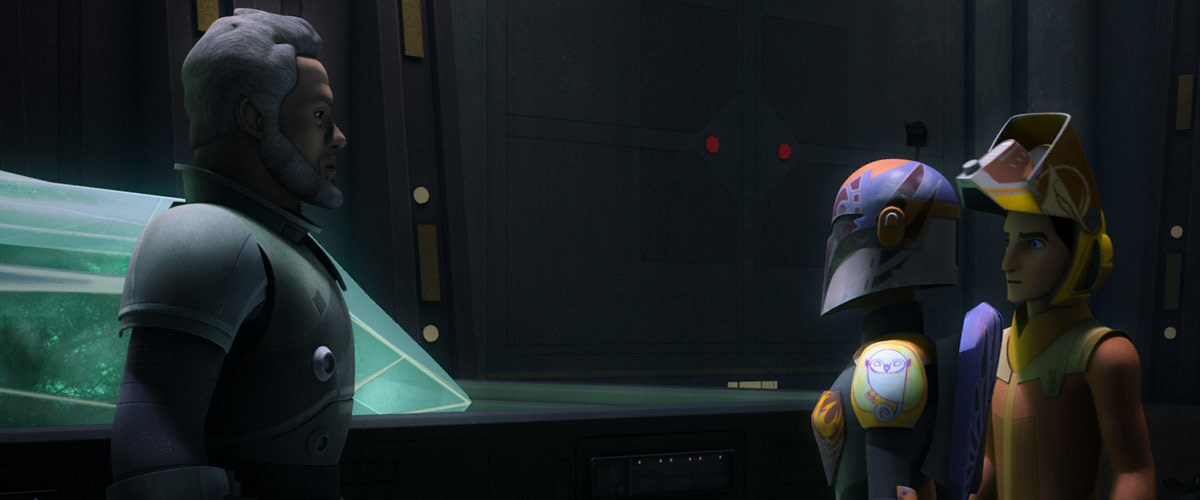
By the time Saw is based on Jedha, decades of conflict are visible in his body. Injuries, prosthetics, armor, breathing equipment, medicine, and fortified spaces all become part of how he continues to lead. His body records the material cost of permanent mobilization.
Those technologies do more than keep him alive. They also shape how others encounter him. The older Saw is physically separated from the young Onderonian fighter, yet the continuity between them is political. He still interprets survival through the need to resist occupation.
Jedha and the limits of survival
Saw's final position on Jedha places him near the Imperial extraction of kyber and the Death Star project. When Jyn brings Galen's warning into the open, Saw helps make the information usable. His death comes not in a conventional battle but in the destruction caused by the weapon the rebellion is trying to understand.
He chooses not to escape the blast. That decision ends a life organized around survival while allowing Jyn, Cassian, and others to carry the evidence forward. The broader Rebel Alliance will use information gathered through people and networks it often kept at a distance.
Anthropological assessment
Saw Gerrera demonstrates that insurgencies are social systems with their own rules of membership, authority, secrecy, discipline, care, and memory. The Partisans are not simply a more aggressive version of the Rebel Alliance. They represent a different political culture produced by repeated occupation and a leader whose formative experience taught him that delay can be fatal.
His life also shows the cost of organizing identity around permanent emergency. Saw protects people, builds networks, and recognizes Imperial threats early. At the same time, the expectation of betrayal narrows the range of relationships he can sustain. Resistance gives him purpose, but it also becomes the institution through which he reads almost every other obligation.
Insurgency hardened by repeated occupation
Saw’s political life begins with a local war on Onderon and continues through the rise of the Empire. Each conflict reinforces the belief that hesitation gives authoritarian power time to grow.
That experience explains why his later Partisans accept risks and methods that other rebel groups reject.
Coalition failure is part of rebellion too
Saw shares the Empire as an enemy with Mon Mothma, Luthen Rael, and other rebel organizers, but shared opposition does not produce shared trust.
His story shows that resistance movements are coalitions of groups with different tolerances for secrecy, sacrifice, civilian risk, and centralized command. Political unity has to be built rather than assumed.
Visual record
Saw across the rebellion
Official StarWars.com images showing the character across several stages of his life.
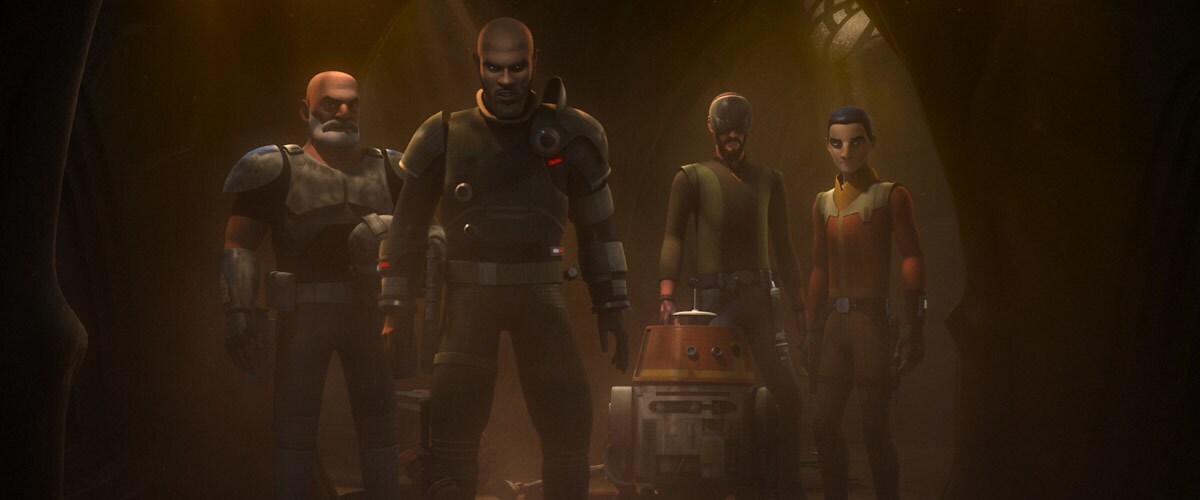
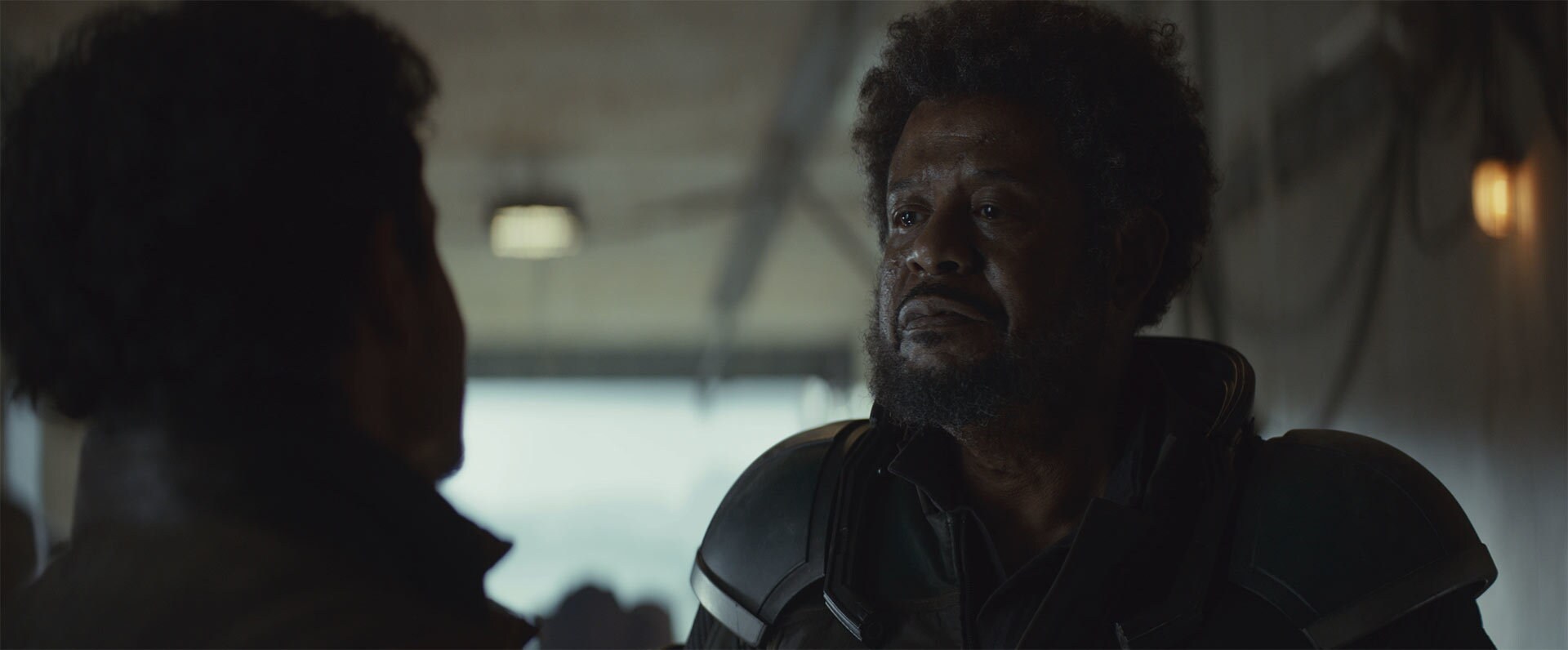
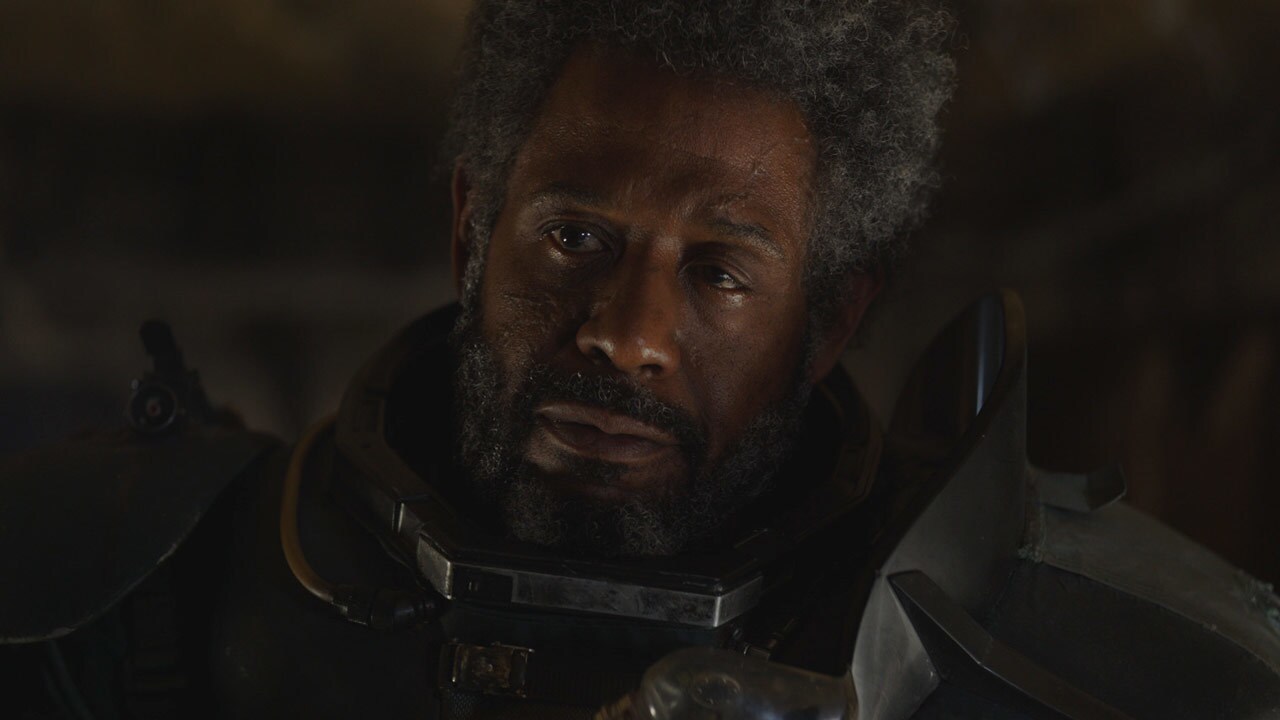
Official StarWars.com visual references.
Collector note: Saw Gerrera has several distinct visual eras that make character collecting unusually varied: young Onderon fighter, armored Imperial-era partisan, animated Rebels appearance, and the older live-action leader seen in Andor and Rogue One.
Sources and further reading
- Saw Gerrera, StarWars.com Databank
- The Clone Wars, Imperial Dark Sector
- From Rebellion to Republic, Imperial Dark Sector
- Luthen Rael character file
- Cassian Andor character file
Connected archive