
- World
- Naboo
- Conflict
- War of the Gungan tribes
- Leader
- Boss Gallo
- Opponent
- Boss Rogoe
- Outcome
- Gungan unification
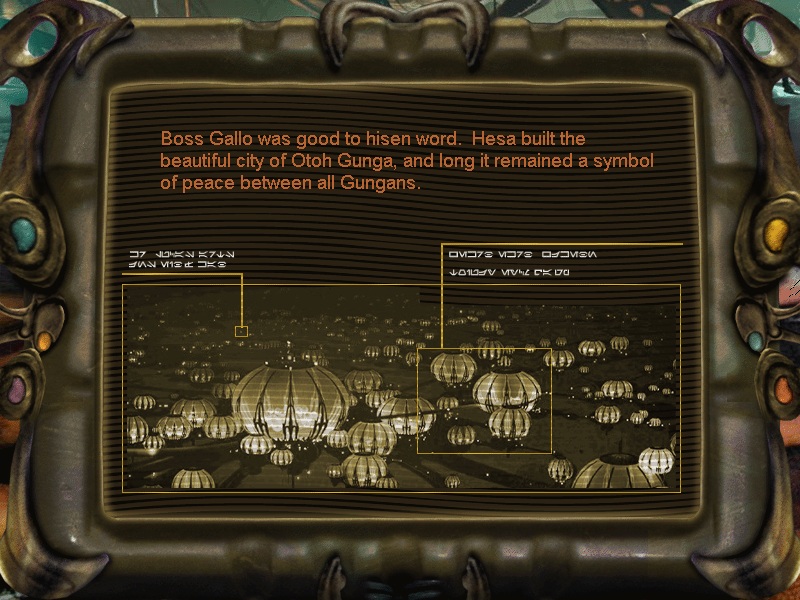
In 3000 BBY, a long Gungan tribal conflict ended when Boss Gallo created a coalition against the warlord Boss Rogoe. Gallo had initially refused to take sides. Rogoe's decision to destroy Gallo's neutral home of Otoh Sancture with manipulated bursas changed the political balance, pushing Gallo into war and eventually turning him into the leader able to unite previously rival communities.
Neutrality fails when Rogoe attacks Otoh Sancture
Gallo's refusal to join the conflict made him dangerous to Rogoe because his independent legitimacy could upset the balance.
The destruction of Gallo's city transformed nonparticipation into personal and political commitment.
Gallo and Marsune build a coalition
Military victory required alliances with leaders who had recently been rivals or outsiders.
Unification therefore emerged through negotiated cooperation as well as force.
Rogoe's defeat changes the political scale
After Spearhead falls, Gungan politics can be organized above the level of individual city-tribes.
That does not make every local difference disappear, but it creates institutions capable of representing a wider Gungan society.
Event sequence
Gungan communities engage in chronic conflict.
Rogoe secretly attacks Gallo's neutral city.
Gallo and Marsune bring multiple tribes together.
Rogoe is defeated and killed.
Gungans unite and build Otoh Gunga.
Explore this entry
Was Gallo always a warlord?
He initially refused to join the fighting and entered after his city was destroyed.
Did one battle instantly erase tribal differences?
No. The war produced a new political coalition, not cultural sameness.
Why does this matter for later Naboo history?
It creates a unified Gungan political tradition and the capital that still exists thousands of years later.
Anthropological assessment
The Gungan war is a state-formation story built from coalition. Political unity does not require populations to become culturally identical; it requires institutions that can coordinate difference.
The destruction of Otoh Sancture also shows how trauma can become a founding memory. Later peace is narrated through the place that was lost.
Sources and further reading
- Star Wars: Galactic Battlegrounds.
- The Essential Atlas.
- War of the Gungan tribes — Wookieepedia.
3000 BBY · Legends · Evidence reviewed
Gungan tribal war ends: historical interpretation
Documented event and limits
Boss Gallo's victory over Boss Rogoe around 3000 BBY concludes a conflict among Gungan communities. His success provides the political setting for the Grand Army and the founding of Otoh Gunga, distinct from later Naboo wars.
Society and material culture
Political unity can create shared defense while formerly independent communities retain local traditions. The founding of an army and city changed institutions without making all Gungans a homogeneous group.
How certain is the in-universe date?
Ancient dates derive from Legends reference chronology, often approximate. IDS separates the source event from social interpretation and does not invent unnamed characters or exact demographic totals to lengthen an article.
Test your historical judgment
Answers receive individual explanations and corrections.