
- Continent
- Alanciar
- Species
- Keshiri
- Born
- 3019 BBY
- Later role
- Wardmaster
- Major event
- 2975 BBY invasion
In 3019 BBY, Quarra Thayn was born on Alanciar. Two millennia earlier, Adari Vaal and hundreds of Keshiri followers had escaped the Lost Tribe and warned Alanciar's population that Sith would eventually come from the eastern continent. By Quarra's generation, that warning had become a durable system of military preparedness, public memory, signaling infrastructure, and education.
Quarra was born into a society already prepared for an enemy
Alanciar's defensive system was not a spontaneous response to the 2975 invasion. It had developed over generations around stories about the Lost Tribe.
This means Quarra's later response to Sith airships was shaped by institutions and narratives inherited before her birth.
Adari Vaal remained politically alive through memory
Alanciar honored Vaal as the figure whose warning made survival possible. Buildings, observances, and military assumptions kept that ancient migration story active.
For Quarra, the Sith were simultaneously strangers and people her society had been expecting for centuries.
Her private life would later intersect with public history
Quarra's relationship with signal officer Jogan Halder eventually brought her to the region where Edell Vrai's airships appeared.
The later invasion therefore demonstrates how private motives and state-level events can intersect unexpectedly.
Event sequence
Quarra Thayn is born.
She becomes a wardmaster and forms a family.
She begins secret correspondence with Jogan Halder.
She encounters Edell Vrai during the Mission to Alanciar.
Explore this entry
Was Quarra a Sith?
No. She was an Alanciari Keshiri, though she was Force-sensitive.
Did she grow up knowing the Sith personally?
No. She inherited social knowledge about them from a warning preserved for generations.
Was Alanciar one unified military camp?
It was a complex civilization with civilian life, but preparedness against the Lost Tribe strongly shaped institutions.
Anthropological assessment
Quarra's generation demonstrates inherited threat culture. Societies can organize everyday institutions around dangers no living person has directly experienced.
When the anticipated enemy finally appears, first contact is therefore never socially blank. It arrives inside expectations produced by education, ritual, architecture, and public memory.
Sources and further reading
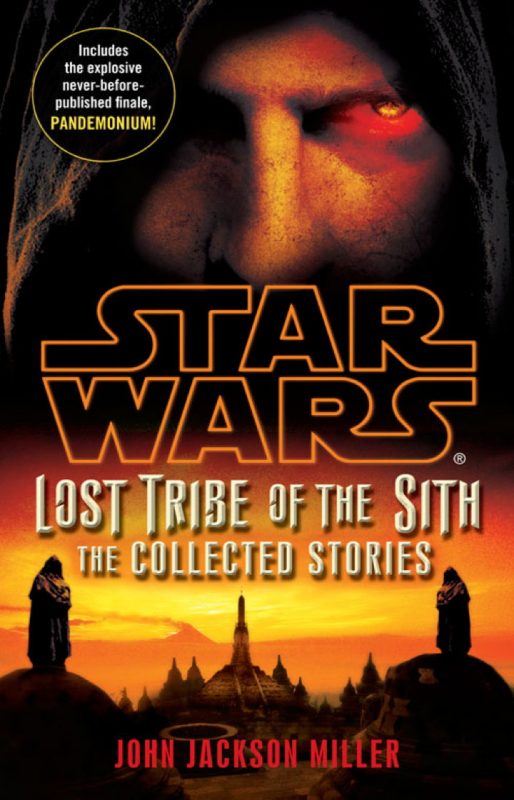
- John Jackson Miller, Lost Tribe of the Sith: Pandemonium.
- 3019 BBY — Wookieepedia.
3019 BBY · Legends · Evidence and political anthropology
Quarra Thayn is born: what the historical record supports
Source-constrained historical account
Quarra Thayn was born into an Alanciari Keshiri society that had institutionalized warnings about a future Sith invasion. In adult life she served as a wardmaster and senior administrator, and her decisions were shaped by responsibilities to both public defenses and her family. The birth record must remain separate from the subsequent invasion storyline.
Institutions, beliefs and material life
The Alanciari use both communication infrastructure and Force-sensitive thoughtcriers for warning and coordination. These institutions are culturally specific ways of organizing collective defense. They do not mean every Keshiri is a Sith or that her ancestry determines a single political allegiance.
Chronology and evidence limitations
Dates in this early Legends era are from fictional reference chronologies, sometimes approximate. A later person's accomplishments cannot be read into a record of their birth. IDS distinguishes events recorded in original books or reference titles from analysis of their social implications. A source illustration or cover may portray an era rather than the precise dated event.
The original published narrative and reference bibliography are recorded below; secondary online reference links are research aids and not interchangeable with primary novel pages or guide citations.
Test your historical judgment
Answer both questions. Your result explains the source-based distinction, including any corrections.