Wim is an imaginative boy from At Attin who dreams about Jedi, distant worlds, and the kind of adventure he knows mostly through stories. His curiosity leads him and his friends to the buried Onyx Cinder, turning an ordinary day into a journey across the galaxy.
Character in social context
Wim enters this archive as an imaginative child from at attin whose search for adventure becomes an education in power, danger, friendship, and the meaning of home.. The short account describes Wim is an imaginative boy from At Attin who dreams about Jedi, distant worlds, and the kind of adventure he knows mostly through stories. His curiosity leads him and his friends to the buried Onyx Cinder, turning an ordinary day into a journey across the galaxy.. That account identifies a social position as much as a plot event. Wim is recognized through obligations, institutions, material practices, and the people who can reward, discipline, shelter, or abandon them.
The profile’s anthropology insight is Wim’s imagination is shaped by a protected society that treats curiosity as a deviation. His journey converts childhood play, stories of Jedi, and material exploration into a way of learning how authority works outside At Attin. Read alongside the story, this suggests that Wim's choices are shaped by Jedi apprenticeship, the Order’s council structures, and the competing traditions that claim authority over the Force. The question is not whether Wim is simply heroic, villainous, loyal, or dangerous. It is how those labels become persuasive and what they hide.
A biography becomes more intelligible when the surrounding community is kept in view. The archive follows the relationships that make Wim possible, the institutions that constrain Wim, and the objects through which Wim becomes visible to others.
Formation, training, and social position
No biography begins at the moment of first appearance. Wim arrives with inherited histories, learned habits, unfinished obligations, and ideas about what a person is allowed to become. Those histories may be private, but institutions make them legible through rank, reputation, family, schooling, service, or exclusion.
Wim learns through apprenticeship, discipline, meditation, and the transmission of embodied knowledge. Training is never only the acquisition of a skill. It teaches posture, vocabulary, timing, acceptable emotion, and the difference between knowledge that may be shared and knowledge that must remain guarded.
Social position changes when Wim crosses a boundary: entering an order, leaving a home, surviving a war, changing allegiance, accepting a title, or being recognized by a new community. Each transition creates possibilities while also producing debts to the people and institutions left behind.
Institutions and the distribution of power
Jedi apprenticeship, the Order’s council structures, and the competing traditions that claim authority over the Force gives Wim a vocabulary for authority. It defines legitimate command, acceptable violence, proper loyalty, and the forms of evidence that count as knowledge. The institution may appear stable, but Wim’s biography reveals the work required to maintain it.
Authority reaches the body. Uniforms, armor, scars, hair, weapons, gestures, and controlled movement let observers identify rank and affiliation before a word is spoken. These signs are material arguments about who may enter a room, give an order, claim protection, or be treated as a threat.
When Wim obeys, questions, or leaves an institution, the conflict is both personal and political. The choice changes relationships, but it also tests whether the institution can tolerate dissent, repair harm, or imagine belonging outside its own rules.
Kinship, community, and belonging
Belonging is not only a feeling. It is a set of rights, duties, stories, names, and practical expectations. masters, students, allies, civilians, and other communities that do not share one definition of responsibility For Wim, these relationships establish what counts as protection and what counts as betrayal.
Kinship can be inherited, chosen, ritualized, or imposed. A mentor may function as a parent, a crew as a household, a clan as a political nation, or a rival as the person who best understands an obligation. The story’s emotional force often comes from these overlapping forms of relatedness.
Moments of separation show how communities define themselves. Exile, adoption, recruitment, imprisonment, marriage, apprenticeship, and reconciliation all reorganize the social map around Wim. The character’s identity changes because other people change the terms under which recognition is offered.
Labor, tools, and material culture
Work reveals the practical structure of Wim’s world. Survival, command, caregiving, intelligence, combat, teaching, trade, and maintenance all require labor that may be celebrated, hidden, or exploited. Studying that work moves attention away from exceptional moments and toward the systems that make them possible.
lightsabers, robes, archives, ships, and the spaces where instruction becomes public. These objects do more than establish a visual style. They carry memory, mark status, distribute risk, and limit the choices available to the people who use them. A tool can be a livelihood, a weapon, an heirloom, or evidence of institutional control.
The collector record preserves these material traces. Wim’s strongest collecting themes are Jedi curiosity, the Onyx Cinder, At Attin, and the four-child ensemble. Group cards often show his role as the crew’s hopeful point of view.. A card or image can therefore be read as a small archive of social relations rather than only as a portrait.
Body, environment, and representation
The body of Wim is read by other people before the character can explain it. Species, gender, age, clothing, scars, posture, accent, and visible technology become evidence used to assign danger, authority, beauty, weakness, or trust. These readings are social judgments, not neutral observations.
Places also shape identity. Homes, temples, prisons, ships, battlefields, workshops, courts, and frontier settlements offer different forms of shelter and different ways to be seen. Wim becomes a different kind of social person when the surrounding environment changes the risks and relationships available.
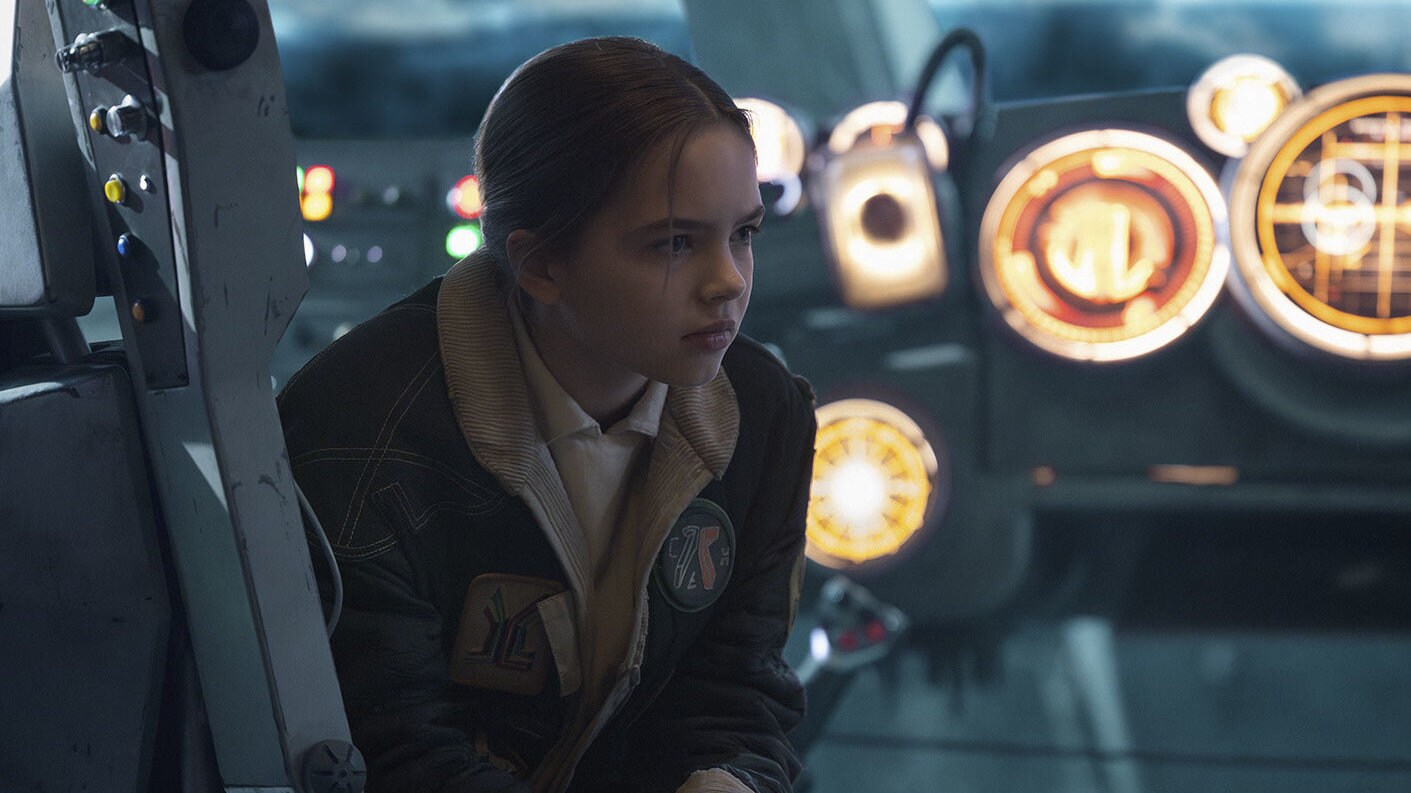
This is why the visual record matters. Images show how the story places Wim among other bodies, objects, and landscapes. A full-size scene can reveal hierarchy, distance, care, surveillance, or exclusion that a cropped portrait would conceal.
Memory, narrative, and historical change
Memory is a social resource. Communities use names, rituals, monuments, songs, testimony, archives, and rumors to decide which parts of Wim’s life should endure. Those practices can honor a person, justify a regime, conceal violence, or give survivors a language for repair.
the survival of Jedi memory after the Order’s political collapse. The character’s later meaning is therefore not fixed by the earliest account. New institutions reinterpret old actions, and new generations inherit both the consequences and the arguments surrounding them.
The archive keeps confirmed history, interpretation, canon, and Legends status distinct because each category answers a different question. Historical placement asks what the story establishes. Anthropology asks how people organize meaning around it. Collector context asks how material objects carry that meaning forward.
Anthropological assessment
The strongest anthropological claim in this file is that Wim’s imagination is shaped by a protected society that treats curiosity as a deviation. His journey converts childhood play, stories of Jedi, and material exploration into a way of learning how authority works outside At Attin. The claim matters because it connects personal identity to institutions, relationships, environments, and material culture.
This assessment is interpretation, not a replacement for canon. The confirmed story establishes the events and relationships. The anthropological reading asks what those events reveal about authority, kinship, labor, training, knowledge, and the boundaries of political belonging.
Wim is therefore not reduced to a moral label or a dramatic role. The profile treats Wim as a person moving through social worlds that distribute recognition, risk, care, and memory unevenly. That is what makes the character historically and anthropologically useful to this archive.
Adventure stories meet material danger
Wim grows up on At Attin with stories about Jedi and adventure but little direct experience of the wider galaxy. Those stories give him a language for courage before he understands the risks attached to the roles he admires.
Leaving home turns fantasy into logistics: food, navigation, money, strangers, injury, and trust all become real problems that old stories do not solve automatically.
Growing without losing imagination
The journey does not require Wim to become cynical about the Jedi or about adventure. Instead, he learns that heroic language becomes meaningful only when connected to responsibility for other people.
That gives his character a useful tension. Imagination helps him act, but friendship teaches him that being brave is different from treating danger as a game.
Visual record
Character in context
Related visual references from the same story network. Select any image to open the full-size version.

Official StarWars.com visual references. See the sources below for the profile’s research links.
Collector note: Wim’s strongest collecting themes are Jedi curiosity, the Onyx Cinder, At Attin, and the four-child ensemble. Group cards often show his role as the crew’s hopeful point of view.
Connected archive