
Anthropology case study · Original trilogy and later Star Wars
Alderaan After Destruction: Diaspora, Memory & Identity
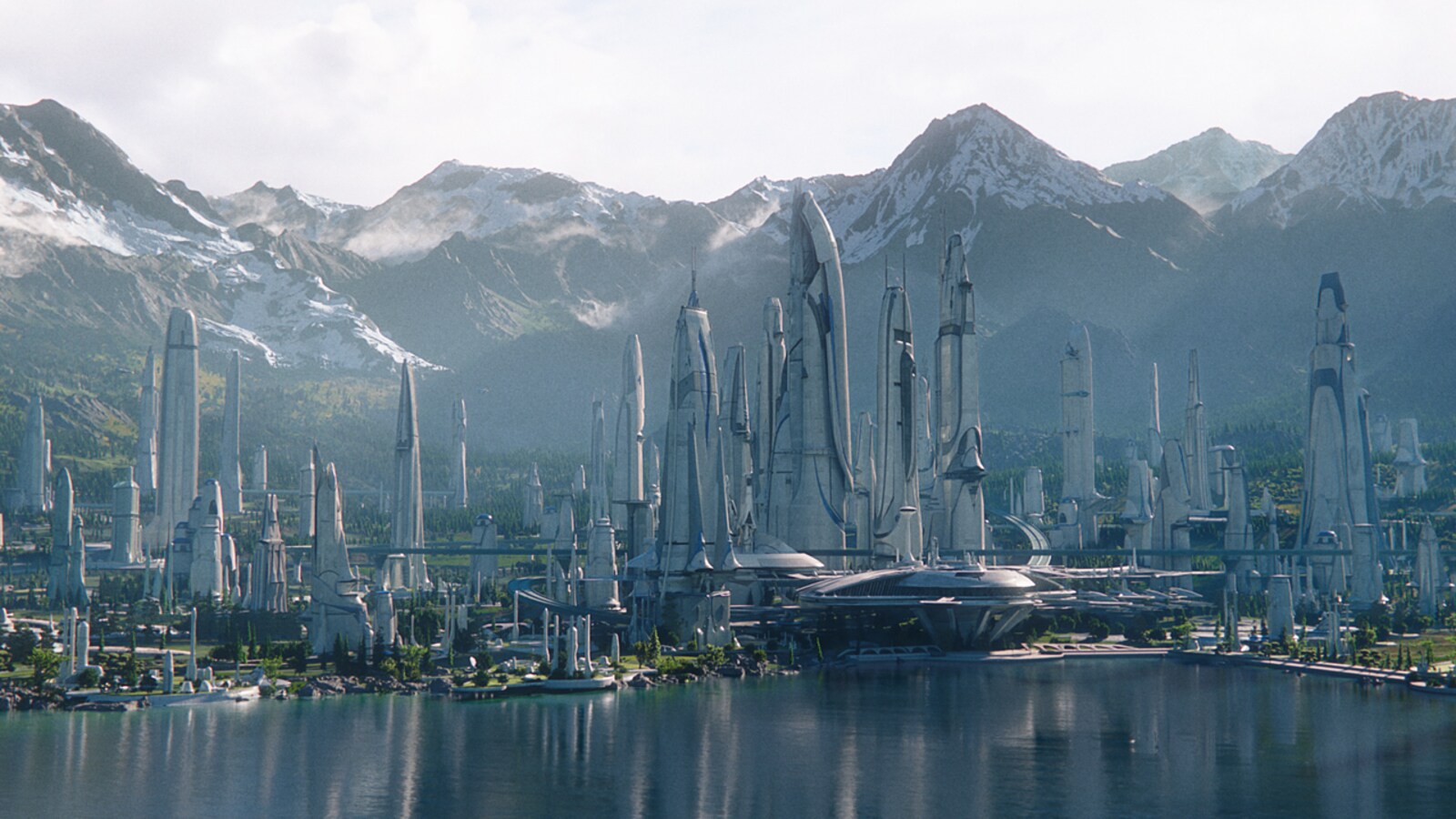
Alderaan demonstrates how a homeland can remain socially powerful after its physical destruction through memory, survivors, political identity, and inherited narratives.
Case orientation
What makes this an anthropology case?
Alderaan is an unusually clear case for separating place from homeland. The planet is destroyed, but identity does not disappear with territory. Survivors, political figures, names, stories, objects, commemorations, and later generations can continue to make Alderaan socially present after the physical world is gone.
Visual evidence lab
Look before you label

Try the analysis yourself
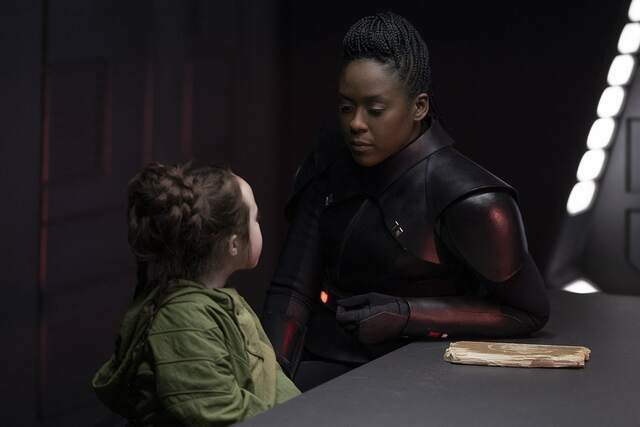
Questions an anthropologist might ask
What has to be transmitted for someone born after Alderaan’s destruction to identify as Alderaanian?
Which objects, stories, ceremonies, names, or institutions could preserve homeland memory?
How might different generations disagree about what “being Alderaanian” should mean?
This page combines several concepts around one fictional social setting. The goal is to explain relationships among institutions, practices, objects, identities, and power rather than assign academic vocabulary to isolated scenes.
01 · Case dimension
Homeland after loss
Diaspora does not require a homeland to remain physically accessible. Alderaan's destruction intensifies the importance of memory because survivors can no longer return to the world that anchored their identity.
02 · Case dimension
Leia and political identity
Leia's relationship to Alderaan is familial, political, and cultural. Her public role carries the destroyed world's history into later struggles, showing how displaced communities can make memory politically active.
03 · Case dimension
Collective memory
Stories, names, objects, commemorations, and survivor networks can preserve Alderaan as a social reality after the planet is gone. Collective memory is selective and continually reconstructed.
04 · Case dimension
Generational transmission
Later generations can inherit an Alderaanian identity without having lived on Alderaan. This makes enculturation central to understanding how diaspora identities persist.
Concept routes