Hondo Ohnaka is a Weequay pirate captain whose authority grows from a gang, a reputation for risk, and an instinct for profitable opportunity. He can be a kidnapper, smuggler, negotiator, or ally depending on what the moment makes possible. His encounters with Ezra, Chopper, and the Ghost crew bring underworld exchange into the story of rebellion.
Hondo's instability is not the absence of a social system. It is a system built around brokerage. He moves information, people, weapons, and promises across boundaries that states try to police, and he makes himself valuable by never being fully owned by one side.
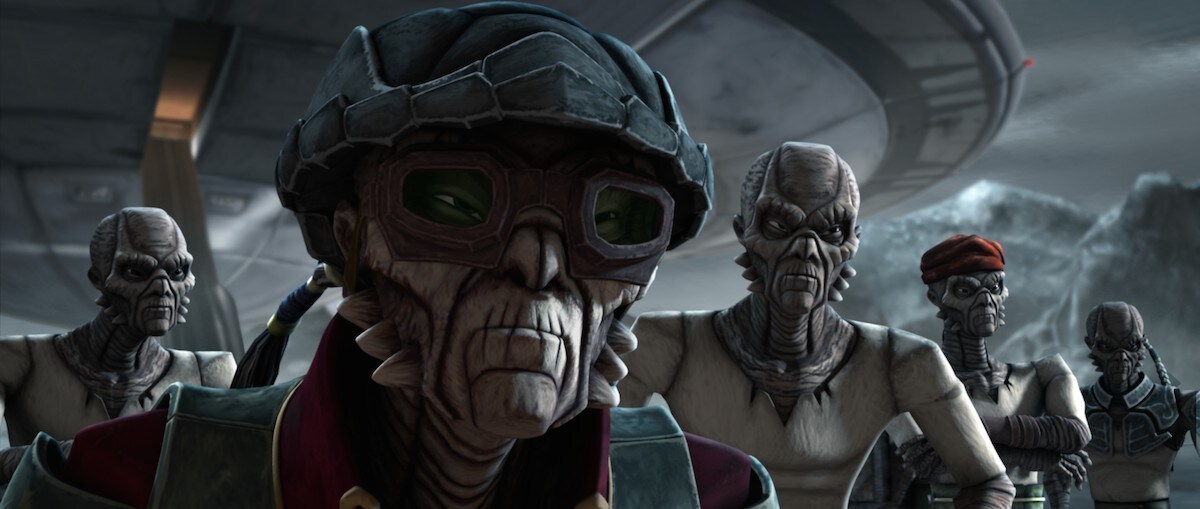
Character in social context
Hondo enters the archive as an actor who lives between formal institutions. He is not a Rebel commander or an Imperial official, but his choices affect both. His value comes from knowing how to move through spaces where law, commerce, violence, and friendship overlap.
His humor and theatricality should not obscure the material conditions of his power. A pirate gang needs ships, food, weapons, information, and a place to operate. Hondo's charm is a method for maintaining those resources when permanent security is unavailable.

Formation, training, and social position
Hondo's reputation is formed during the Clone Wars, when he captures powerful figures, negotiates ransoms, and survives the consequences of ambitious schemes. He learns to treat danger as both threat and market opportunity.
By the time he meets the Ghost crew, his training is informal and relational. He reads what people want, what they fear, and what they can be persuaded to trade. This makes him socially mobile, but it also leaves every alliance vulnerable to the next offer.
Institutions and the distribution of power
Hondo's gang is an institution, even if it is not a state. It has leadership, hierarchy, shared risk, and rules of access. Its authority depends on personal reputation rather than law, which allows rapid adaptation but makes succession and trust unstable.
The Empire treats people like Hondo as criminals because they compete with Imperial control over movement and exchange. Hondo, however, also exploits people who lack protection. His encounters with rebels show that resistance can depend on the same flexible networks that reproduce inequality in the underworld.
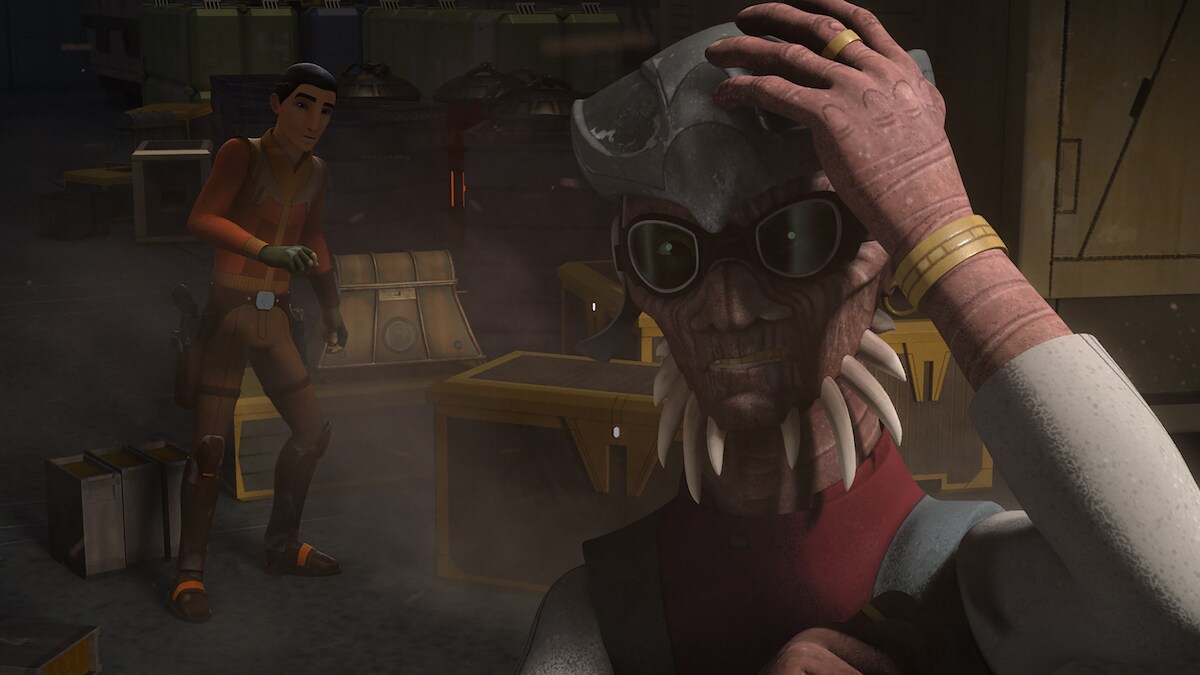
Kinship, community, and belonging
Hondo's crews function as chosen communities built around work, danger, and profit. Former comrades and temporary partners can become friends, but the relationship is always tested by the possibility of betrayal. Belonging is real, yet it is not guaranteed.
His connection with Ezra and Chopper shows another form of kinship. Hondo is impressed by the young Jedi and amused by the droid, but he also sees both as possible partners. Friendship and calculation coexist in his social world rather than cancelling one another.
Labor, tools, and material culture
Hondo's labor includes raiding, ransom, smuggling, negotiation, intelligence brokerage, and the performance of authority. He creates value by connecting people and goods that formal institutions have separated.
The Broken Horn, blasters, cargo crates, communications, and pirate clothing make that labor visible. His material culture is portable because his power depends on mobility. A ship or a piece of information can be more important than a fixed territory.
Body, environment, and representation
Hondo's Weequay body, expressive face, voice, and theatrical gestures make him memorable in rooms where everyone is negotiating danger. His presentation invites people to underestimate the seriousness of his calculations, which is itself a form of protection.
Florrum, a cargo hold, a pirate base, and a temporary rebel operation give Hondo different kinds of leverage. He is strongest when no single institution controls the space. When an Imperial force arrives, his performance must become a rapid calculation about escape.
Memory, narrative, and historical change
Hondo's Clone Wars reputation follows him into the era of the Empire. Stories of kidnapping Jedi, betraying partners, and surviving impossible schemes become a kind of portable capital. People meet the legend before they can decide whether to trust the person.
The archive treats his later friendship with rebel characters as evidence of historical change without turning him into a conventional hero. Hondo remains an opportunist, but his choices preserve routes, relationships, and moments of help that larger institutions cannot fully control.
Anthropological assessment
Hondo's central anthropological importance is that he makes brokerage visible as a political form. He operates through exchange, reputation, and temporary coalition, showing how people can resist or exploit state power from spaces that are neither lawful nor fully outside society.
Canon establishes Hondo's Weequay identity, pirate leadership, Clone Wars history, encounters with Ezra, and connections to the Ghost crew. The interpretation focuses on underworld institutions, mobility, reciprocity, reputation, and unstable alliance.
Sources and further reading
- Hondo Ohnaka | StarWars.com Databank
- Star Wars Rebels Remembered: 10th Anniversary
- Star Wars: The Clone Wars | StarWars.com
Piracy as a flexible institution
Hondo’s gang operates through reputation, profit-sharing, coercion, and personal loyalty rather than the laws of a state. The organization survives because members understand a practical code even when formal rules remain loose.
That flexibility lets Hondo move between kidnapping, smuggling, negotiation, rescue, and trade without needing ideological consistency.
Friendship that never becomes simple altruism
Hondo’s relationships with Jedi and rebels are valuable because he can care about people while still calculating profit. Affection and self-interest coexist rather than replacing one another.
That makes him a useful contrast to institutions that demand total loyalty. Hondo’s commitments are negotiated case by case, which can make him unreliable and unexpectedly dependable in the same story.
Connected archive