
- Year
- c. 126 ABY
- Continuity
- Legends
- Setting
- Wayland
Evidence note: This story belongs to Legends, not film Canon. Approximate chronology is labeled, and anthropological interpretations are editorial rather than invented dialogue.
A test that appears to redeem the technology
Around 126 ABY, Kol Skywalker and Nei Rin applied Yuuzhan Vong living technology to Wayland, which had been devastated by earlier conflict. The project initially produced visible ecological recovery. Myneyrshi inhabitants saw reason to hope that the land could again support flourishing communities.
A hidden alteration of the living systems
The One Sith, led by Darth Krayt, sought to discredit the partnership. Darth Maladi and rogue Shaper Zenoc Quah sabotaged the biotech work by introducing harmful biological changes. When living forms began mutating, outsiders interpreted the damage as proof that the Yuuzhan Vong could not be trusted.
The people experiencing the harm
The Myneyrshi were not merely evidence in a political argument. They endured physical changes, terror and the loss of revived ecological resources. The public story blamed Nei Rin and her fellow Shapers even though the failure had been deliberately engineered by conspirators.
How a technical failure becomes a casus belli
Imperial officials used the crisis to demand an end to the restoration program. Jedi defense of the Yuuzhan Vong and the Galactic Alliance's reluctance to condemn an entire people helped the One Sith create a dispute between major governments. The propaganda prepared the way for the Sith–Imperial War of 127 ABY.
Anthropological assessment
Wayland demonstrates the power of controlling the explanation of a disaster. Attribution of blame is an institutional process: if investigators cannot establish who altered the experiment, the population least trusted by the public may bear the consequences.
Interactive research lab
Did the Yuuzhan Vong Shapers deliberately launch a new invasion by ruining Wayland?
The crucial sabotage was carried out by Darth Maladi and her ally Zenoc Quah as part of a One Sith conspiracy; blaming all Yuuzhan Vong concealed it.
Choose an interpretation:
Original comic sources: what is documented?
Historical interpretation
Marvel's synopsis for issue #44 identifies Wayland as the site of Kol Skywalker and the Yuuzhan Vong's first failure in the Ossus Project. Because it is a later retrospective, it does not by itself identify the sabotage's agents or confirm the exact date of the original experiment. Those details require the earlier narrative and reference chronology.
Test the evidence: Does a later publisher synopsis about a failed experiment establish the name of the saboteur?
Explanation: No. It establishes that the restoration effort failed at Wayland; attribution of secret responsibility needs further sources.
Original-source evidence and uncertainty
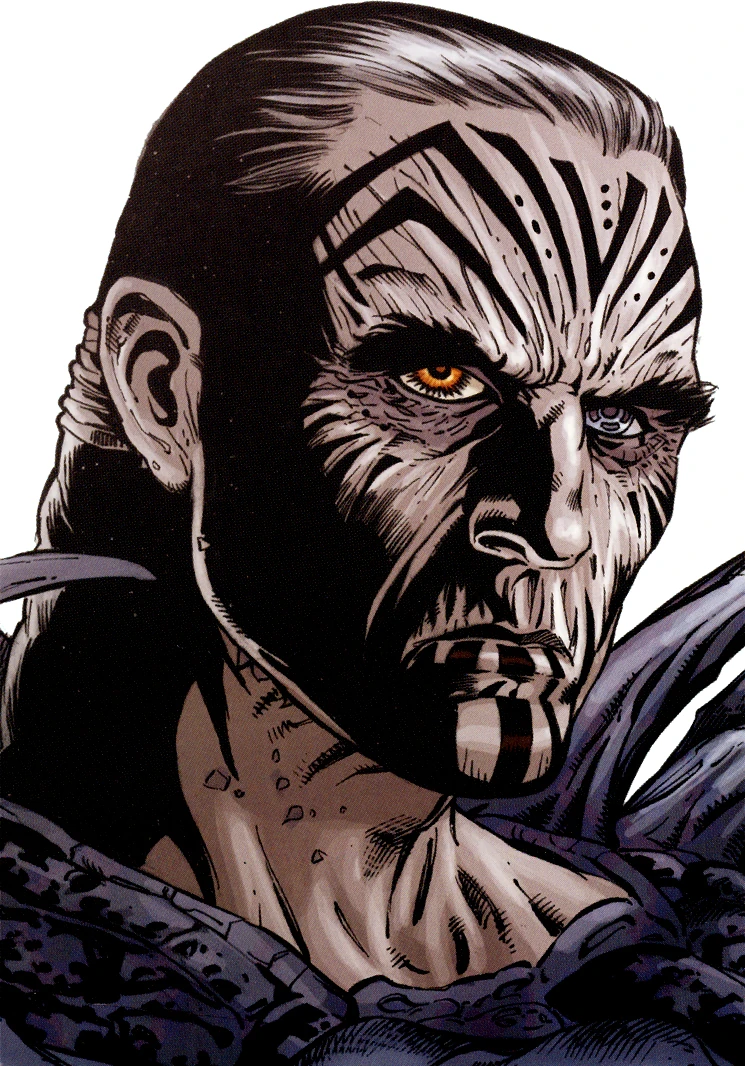
Marvel's official issue #44 synopsis calls Wayland the site of Kol Skywalker and the Yuuzhan Vong's first failure in the Ossus Project. That is direct retrospective evidence for the failed restoration effort. It does not identify the precise 126 ABY date, give a full account of the sabotage's perpetrators or document every biological mechanism involved. Those claims should remain qualified pending direct inspection of the relevant original Legacy narrative and guides. The current Darth Krayt image provides character context, not a photograph of a Wayland laboratory.
Source register: Original comic publication record · Additional original issue record. Dates and narrative details not contained in a publisher synopsis still require checking the relevant original pages.