
LEGENDS · 92 ABY · MILITARY TECHNOLOGY
The MC140 Scythe-class battlecruiser enters Galactic Alliance service
A standardized Mon Calamari warship marks a change in the Alliance's naval doctrine long before the Sith–Imperial War.
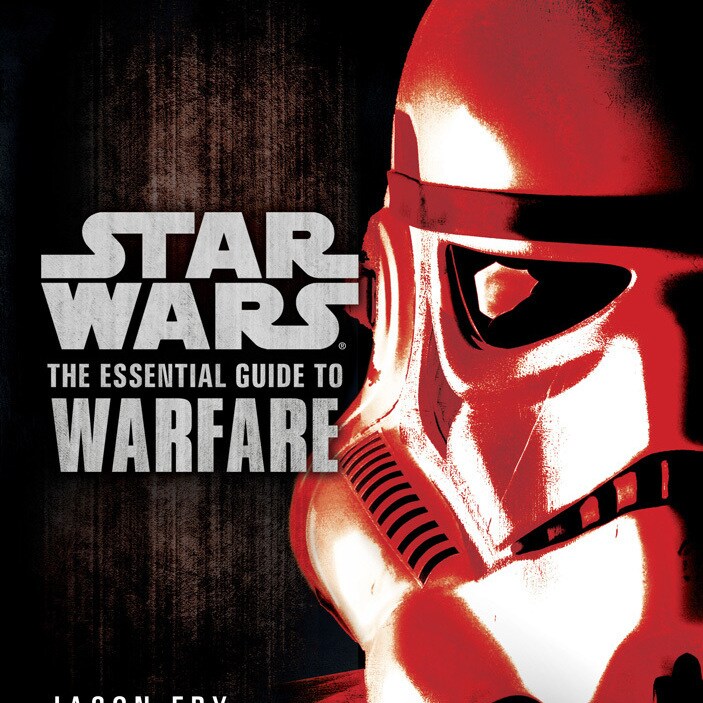
Continuity and source policy: Legends only, not current Star Wars Canon. Dated source statements are distinguished from interpretive analysis. Real published cover art is clearly labeled and never claimed to depict a scene it does not illustrate.
The MC140 Scythe-class main battle cruiser entered service in 92 ABY. Mon Calamari engineers designed a standardized capital ship with a distinctive forward blade and a concentration of weapons toward the bow. The date comes from a reference work rather than a comic scene occurring in that year. It is nevertheless a concrete historical marker during a sparsely documented century.
A navy shaped by an earlier catastrophe
The Yuuzhan Vong War left lasting damage to populations, infrastructure, shipyards, and military planning. Decades after its end, the Galactic Alliance faced the cost of maintaining a force large enough to defend dispersed member worlds. The Scythe belongs to this period of institutional adaptation. It should not be confused with an invented new battle in 92 ABY: the recorded event is the class's introduction into service. Military histories often record the entry of a weapon system more precisely than the daily experience of the people who constructed it.
Why the Scythe looked different
Earlier Mon Calamari capital ships were famous for individual hull variations. The MC140 represented a move toward a repeatable design. Its unusual blade-like forward assembly concentrated much of its weaponry in a forward-facing cross of fire. That offered strong attacks when the cruiser could point its bow at an opponent, while making its flanks and stern comparatively vulnerable. This is a strategic trade-off, not proof that the design was invincible. The ship's operational value depended on commanders, escorts, navigation and coordination with smaller vessels.
The shipyard as an institution
A fleet does not emerge from a single admiral's order. A standardized cruiser requires industrial labor, supply networks, weapons manufacturing, quality control, and years of training for crews and maintenance personnel. From an anthropological perspective, the shift in Mon Calamari construction practices is about how public organizations decide what can be built repeatedly and maintained across a large political federation. The standardization of machinery can also shape the standardization of expertise, training, and bureaucratic responsibility.
How the design connects to 127–138 ABY
When the Sith–Imperial War began in 127 ABY, MC140 vessels formed part of the Galactic Alliance fleet. At Caamas in 130 ABY, many Alliance forces surrendered after military defeat, but Gar Stazi's Core Fleet escaped and continued resistance. The Scythe therefore connects the administrative decision made in 92 ABY to the military survival of the Alliance Remnant decades later. These later campaigns should remain dated to their own years, rather than placed beside the cruiser debut as if they happened at once.
Evidence and what the date does not prove
The Essential Guide to Warfare identifies the MC140's introduction in 92 ABY. Comic art and related reference material portray its later use. No specific 92 ABY commissioning ceremony, ship's captain, battlefield victory, or shipyard labor dispute is established by that dated statement. The timeline distinguishes the well-supported technical milestone from potential imaginative reconstruction. As a source-critical entry, it records a meaningful event without supplying fiction to hide the limited evidence.
Interactive history and evidence lab
Choose what the published material actually supports. Submit both answers to see the full assessment at the bottom.
Sources and continuity notes
This page combines a documented Legends event with original contextual and anthropological analysis. Context does not supply missing narrative scenes, dialogue or exact dates.