
Ruins make the past look silent, but ruins are rarely politically neutral. A collapsed temple may still be sacred. A battlefield may still contain the dead. A relic may be evidence, inheritance, weapon, commodity, devotional object, or family memory depending on who encounters it. Star Wars repeatedly turns ancient places and surviving objects into struggles over knowledge because controlling the past can change authority in the present.
The past is never just behind us
A ruin can still organize the living
A temple may be abandoned and still define identity. A relic may be removed from its original setting and gain new meaning in a private collection. A battlefield can become a memorial, a scavenging ground, a danger zone, or evidence of a crime. Archaeology begins with material remains, but heritage begins with relationships between those remains and living communities.
Star Wars makes those relationships unusually visible because sacred power, political legitimacy, and ancient technology are often concentrated in the same places. The person who controls a holocron may control knowledge. The state that occupies a temple can rewrite its public meaning. A collector who buys a relic may preserve an object while separating it from the people who consider it sacred.

The Jedi Temple on Coruscant: conquest through reuse
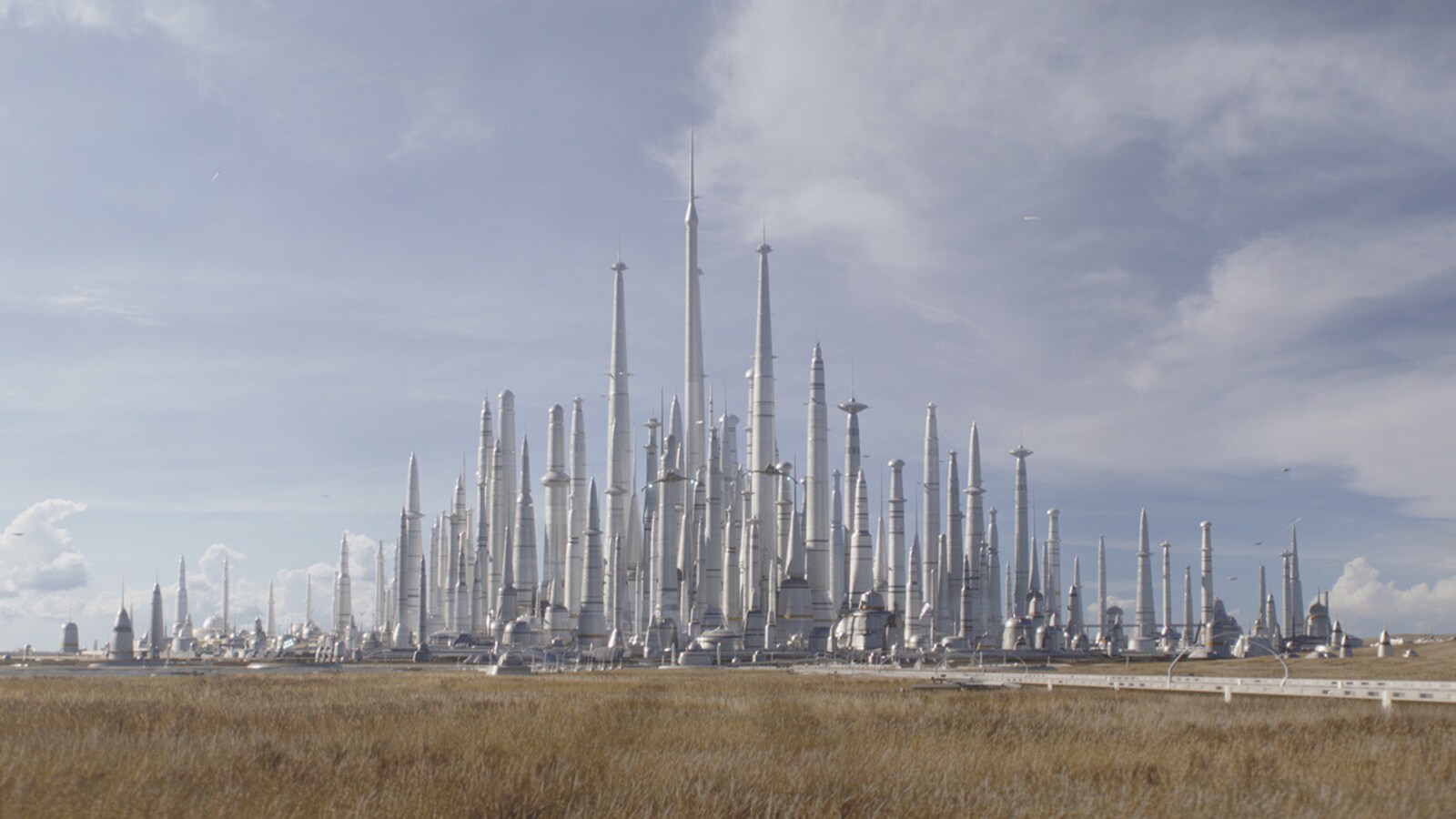
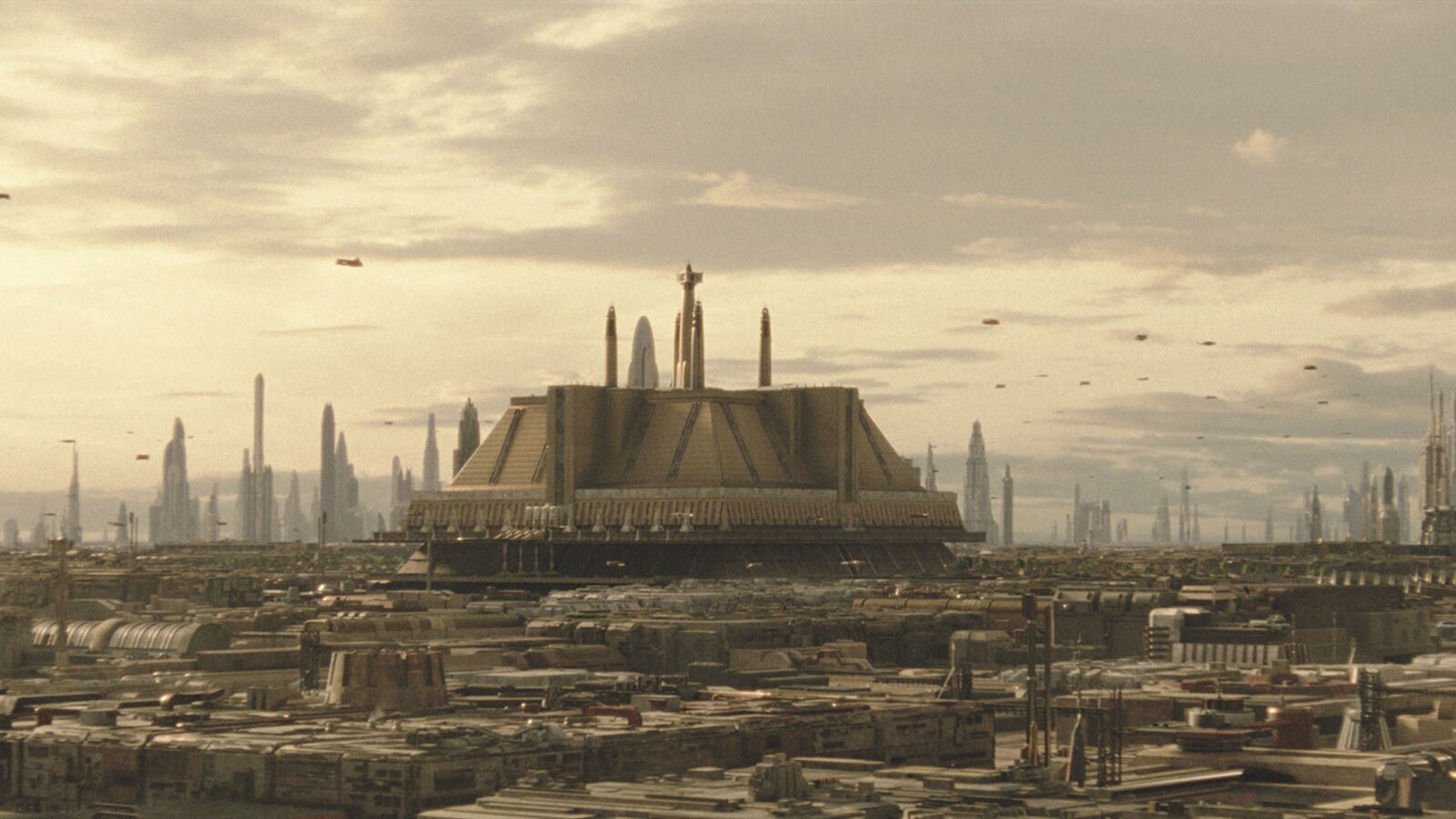
The Jedi Temple is one of the clearest examples of heritage being politically rewritten. It was not merely a headquarters. Official Star Wars material describes it as part school, part monastery, and the central hub of Jedi activity. After Order 66, the structure remained standing but its meaning changed under Imperial rule as it became the Imperial Palace.
That reuse matters. Destroying a sacred institution erases it physically. Occupying and repurposing the structure can do something different: it displays conquest. The state takes a place associated with one moral and religious order and makes it serve the authority that defeated it. Architecture becomes an argument about who now owns history.
Lothal: archaeology becomes a race for access
The Lothal Jedi Temple in Star Wars Rebels is hidden, activated through Force-sensitive knowledge, and later excavated by the Empire. The site is not valuable because it contains ordinary treasure. Its architecture, imagery, and connection to the World Between Worlds make it a potential gateway to extraordinary power.
This creates a classic heritage conflict in exaggerated Star Wars form. Ezra, Kanan, and Ahsoka approach the temple as part of a living Jedi relationship. Imperial investigators approach it as a resource to be decoded and controlled. The same wall painting can be sacred art, historical evidence, puzzle, weapon, or state asset depending on the observer.
Malachor: when a ruin is also a warning
The Sith temple on Malachor is a ruin, battlefield, archive, and weapon system at the same time. Ezra, Kanan, and Ahsoka travel there looking for knowledge that might help them confront the Inquisitors. They find inscriptions, a holocron, and the material aftermath of an ancient Jedi-Sith conflict.
The site's danger raises a problem familiar to heritage work in a more dramatic form: preservation is not always the same as unrestricted access. Some knowledge is hazardous. Some sites contain the dead. Some objects were designed to harm. The question “should this be preserved?” is different from “should anyone be allowed to activate it?”
Jedha: heritage under occupation and extraction
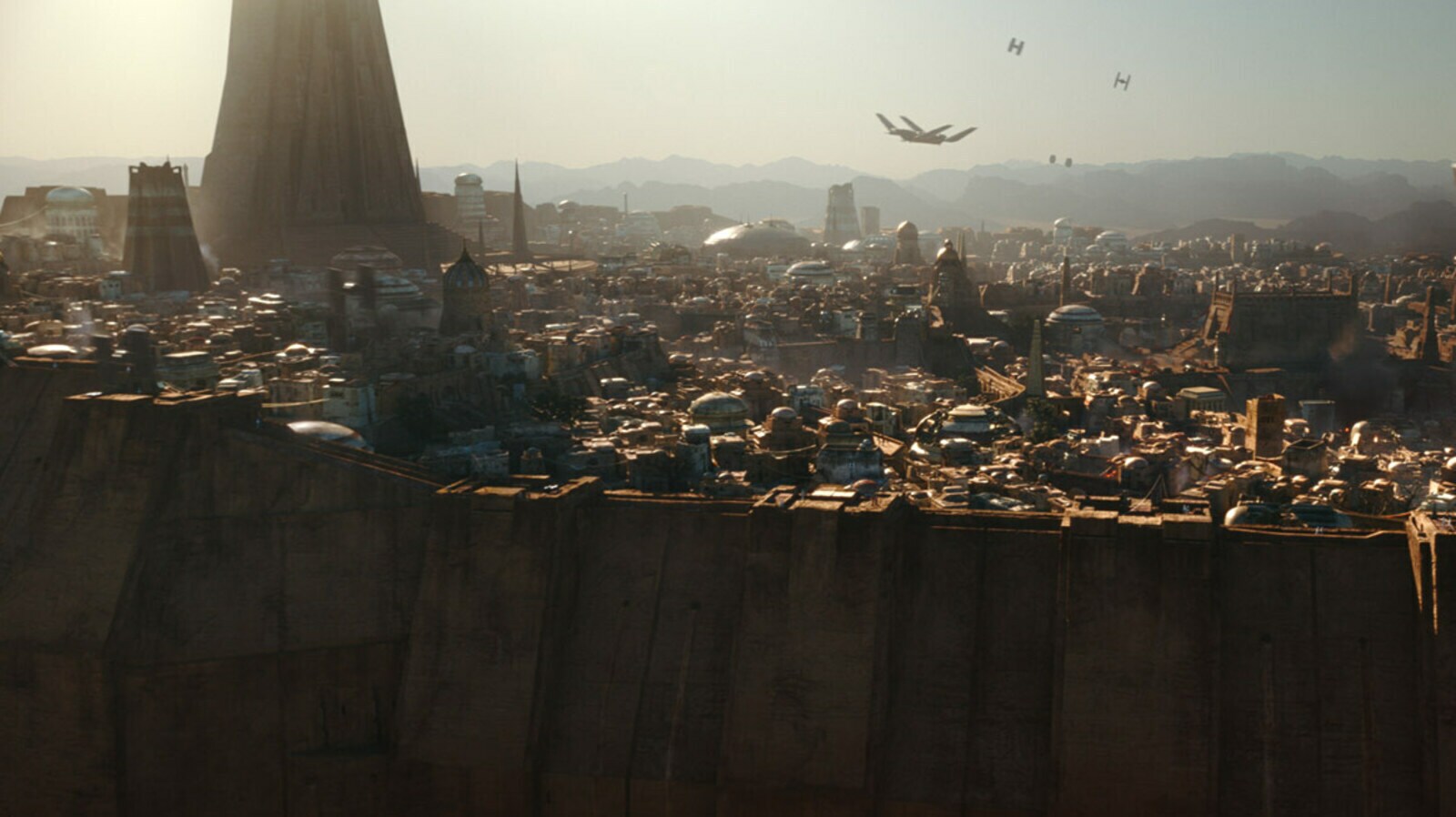
Jedha makes ownership of the past inseparable from colonial power. It is a pilgrimage center tied to ancient Force traditions, but the Empire occupies the moon and extracts kyber. A sacred resource becomes military material. Archaeological and religious landscapes become security zones.
The destruction of Jedha City intensifies the problem. Once a site is damaged or a community displaced, surviving objects can acquire even more significance. A relic may become one of the few portable links to a lost place. This is why heritage after catastrophe is often about memory as much as conservation.
Ahch-To: preservation does not guarantee agreement about meaning
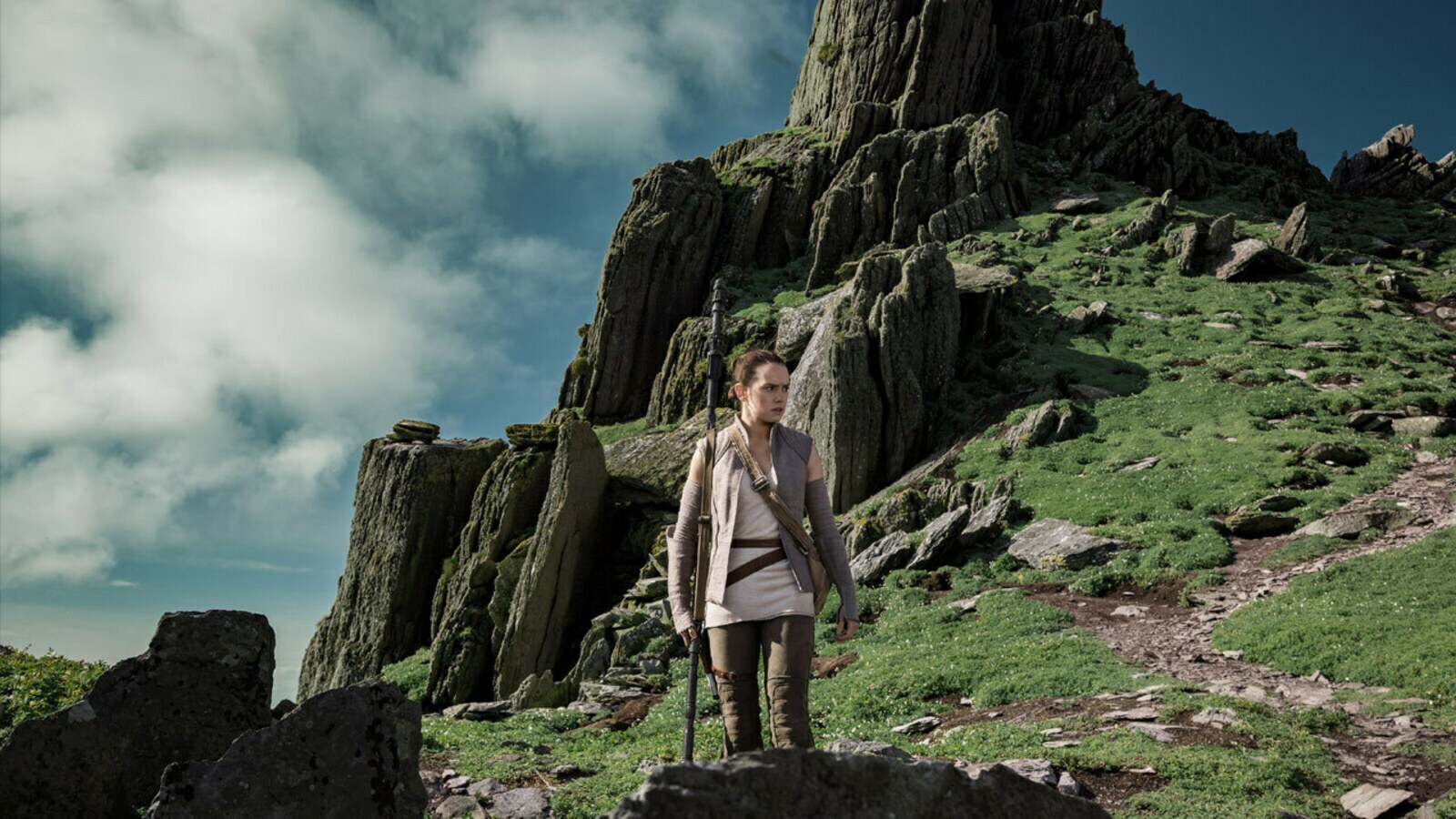
Ahch-To's ancient Jedi site demonstrates another problem: a place can be preserved while its interpretation remains contested. Luke Skywalker retreats there because it is connected to the earliest Jedi tradition, but he does not approach that inheritance with uncomplicated reverence. Rey arrives seeking continuity and teaching. The same site supports very different conclusions about what the Jedi past demands.
Heritage therefore does not deliver one automatic lesson. A sacred text can be studied, rejected, hidden, taught, misunderstood, or reinterpreted. The past survives through people who decide what to carry forward.
Kef Bir and the second Death Star: when the oppressor becomes archaeology
The wreckage of the second Death Star on Kef Bir reverses the usual sacred-ruin pattern. The object was once a symbol of Imperial terror. Decades later, it is a ruin entered by people searching for information and artifacts connected to the defeated regime. The political system is gone, but its material remains still shape the present.
This is a useful reminder that archaeology does not preserve only things communities admire. Prisons, weapons, propaganda monuments, battlefields, and authoritarian architecture also become part of the historical record. Preserving evidence of violence is different from honoring the violence.
Interactive heritage dispute
Who has the strongest claim to the past?
Select a site. The panel does not declare one universal owner; it shows the different claims that can collide around the same material remains.
A sacred institution becomes the palace of its conqueror
Jedi survivors can claim religious and institutional continuity. The Empire claims political control through conquest. Later historians may treat the structure as evidence of both orders. The conflict is not only about possession of a building but about which history the building is made to tell.
Competing claims: religious community · state power · public memory · historical documentationRelics without context lose part of their history
A holocron on a shelf is still an object, but archaeology asks what is lost when an artifact is removed from the place where it was found. Position, neighboring objects, architecture, damage, soil, inscriptions, and association can reveal how something was used. Removing a relic without recording context may preserve the item while destroying information.
Star Wars treasure hunters and collectors often operate in a galaxy where objects can be extraordinarily powerful, so removal is narratively tempting. But from an archaeological perspective, “finding the thing” is only the beginning. Context may tell us more than rarity.
Luthen Rael's gallery: collecting as preservation, concealment, and power
Andor turns antiquities into political atmosphere through Luthen's gallery. Objects circulate among wealthy patrons while Luthen uses the respectable space as cover for rebellion. The gallery reminds us that collections can perform several functions at once. They preserve objects, display taste, create status, move wealth, conceal provenance, and provide access to elite networks.
That does not mean every fictional object in the gallery is looted or illicit. The broader point is that collecting always creates a new context. An object taken from a temple, battlefield, household, or tomb means something different when displayed under controlled lighting with a price attached.
Repatriation in a galaxy of destroyed homelands
Returning an object sounds simple until the original community has been scattered or the homeland no longer exists. Alderaan is the clearest hypothetical example. If Alderaanian ceremonial objects, artworks, archives, or family possessions survive off-world, who should care for them after the planet's destruction? A state successor? Survivor communities? Families? Museums? Political organizations claiming Alderaanian continuity?
Diaspora turns heritage into a network rather than a location. Objects may become portable pieces of homeland. Their value increases because return is impossible.
Film & television examples
Six ways Star Wars makes the past active
Jedi Temple
A religious and educational center survives physically while conquest rewrites its institutional meaning.
Lothal Jedi Temple
Excavation becomes a struggle over access to ancient knowledge and the political power that knowledge might unlock.
Malachor
A battlefield, temple, archive, tomb-like landscape, holocron repository, and weapon blur the line between heritage and danger.
Ahch-To
Ancient architecture and texts survive, but Luke and Rey disagree about what inheritance means and what should continue.
Collectors and fans are part of the material afterlife
The same questions become smaller but still interesting in real-world Star Wars collecting. A prop replica, Topps card, comic, figure, or LEGO set is not an ancient artifact from the galaxy, but it is part of the material culture through which fans preserve and organize Star Wars history. Collections create categories, canons of importance, displays, provenance stories, and memories of acquisition.
That parallel should not be pushed too far. Buying a licensed trading card is not equivalent to removing a sacred object from a living community. The useful connection is that objects gain meaning through relationships. A collectible matters because someone remembers where it came from, what story it represents, why it is rare, and where it belongs among other objects.
Questions for any ruin or relic
Do not stop at “what is it?”
Temple, home, battlefield, grave, archive, workshop, palace, prison, pilgrimage route, or something else?
Descendants, religious practitioners, survivors, states, scholars, collectors, local residents, or political movements?
Meaning, access, value, danger, legitimacy, evidence, memory, or the ability of a community to tell its own history?
The anthropological point: ownership is only one kind of relationship
Modern property language asks who possesses an object. Heritage questions are often broader. Who cares for it? Who remembers it? Who was harmed by its removal? Who can interpret its inscriptions? Who is excluded when access is restricted? Who benefits when it is displayed or sold? Who bears the risk if it is activated?
Star Wars makes these questions dramatic because relics can contain literal power. But the underlying issue is recognizable: the past is a resource in the present. People use it to build identity, justify authority, mourn loss, claim territory, teach values, make money, and imagine futures.
Source trail
Sources & evidence
Official sources establish the sites and story events. Questions about heritage, custody, interpretation, and repatriation are IDS analytical framing unless the story gives a specific answer.
- Official DatabankJedi Temple
- Official DatabankLothal Jedi Temple
- Official DatabankMalachor Sith Temple
- Official DatabankJedha
- Official DatabankAhch-To Jedi Temple
- Official DatabankEmperor's Throne Room / Death Star II wreckage
- Official SeriesStar Wars Rebels
How IDS uses sources: official material supports site history and story events. Heritage questions and comparisons are editorial analysis. Read the editorial standard →