01 · Orientation
Summary
Lothal shows how Imperial occupation transforms an ordinary regional world: farms are seized, industry expands, military infrastructure grows, and local resistance becomes a struggle over both political freedom and the planet's future.
02 · Place
Environment and settlement
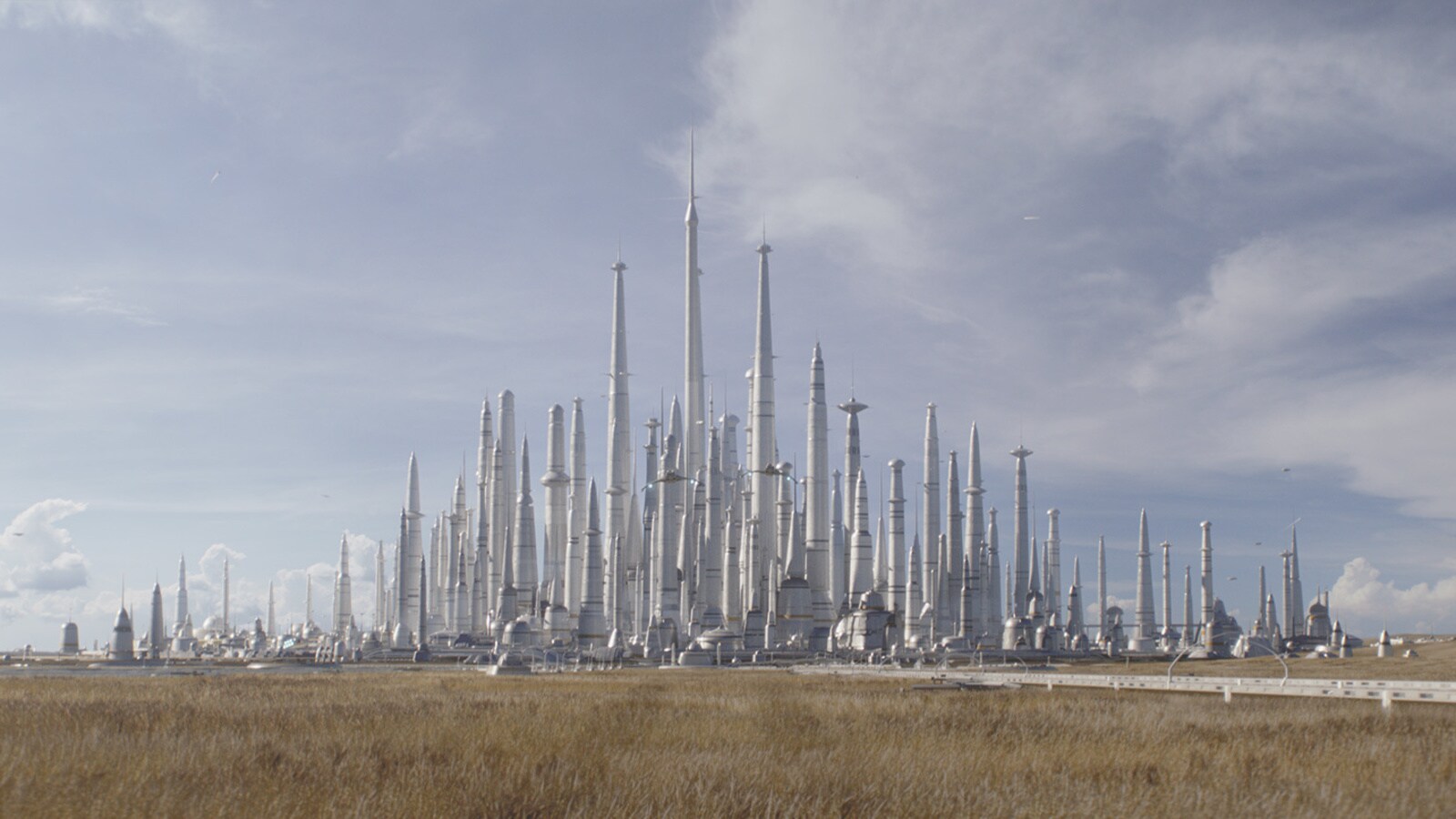
Broad grasslands and agricultural areas once defined much of Lothal. Imperial mining, factories, military installations, and urban expansion damaged those landscapes, making environmental change part of the experience of occupation.
03 · Society
People and culture
Lothal's population includes farmers, workers, merchants, students, political officials, refugees, and resistance supporters. The world also has a strong connection to local creatures such as loth-cats and loth-wolves, which become part of the planet's cultural and spiritual identity.
04 · Religion & worldview
Sacred landscape, belief, and moral order
Lothal has no single documented public religion, but its landscape contains powerful Force-linked sites and beings. The Jedi Temple, Loth-wolves, and the World Between Worlds give parts of the planet sacred significance, especially in Ezra Bridger's spiritual development.
05 · Institutions
Politics and power
The Empire governed Lothal through military force, industrial control, surveillance, local officials, and economic restructuring. Governor Arihnda Pryce and Imperial forces made the planet strategically useful, but that concentration of control also gave resistance groups clear institutions to target.
06 · Change over time
Historical significance
The Ghost crew's rebellion grew from local acts of resistance into participation in the wider Rebel Alliance. Lothal eventually became a major site of conflict with Grand Admiral Thrawn. Its liberation demonstrated that resistance could be rooted in community defense rather than only large military campaigns.
Connected archive