The main crew of the Ghost begins as something smaller than the Rebel Alliance and, in many ways, more intimate. Hera Syndulla, Kanan Jarrus, Sabine Wren, Garazeb “Zeb” Orrelios, Chopper, and eventually Ezra Bridger live together, work together, argue with one another, and repeatedly choose to protect people they could have ignored. Their rebellion is political, but it is also domestic. The Ghost is a ship, a workplace, a shelter, a classroom, and a home.
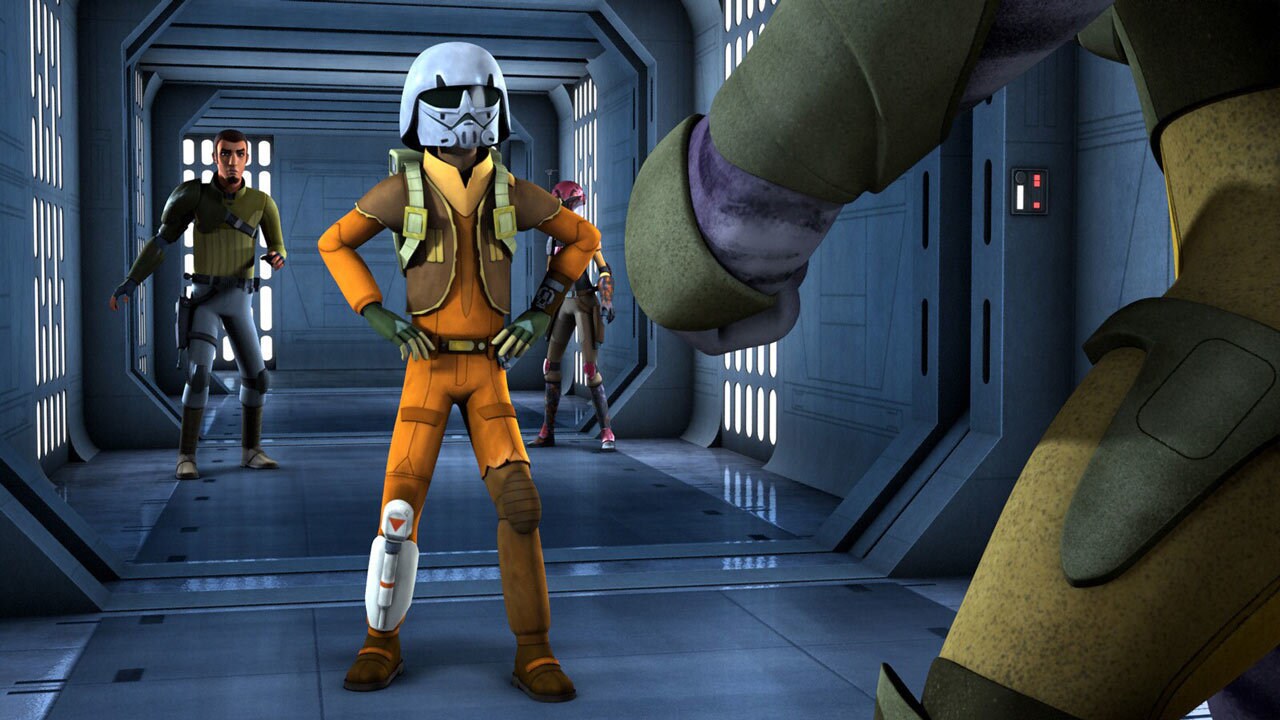
Official Star Wars material identifies the six central members by their Spectre call signs: Kanan as Spectre-1, Hera as Spectre-2, Chopper as Spectre-3, Zeb as Spectre-4, Sabine as Spectre-5, and Ezra as Spectre-6. The numbering sounds military, but the crew does not function like a conventional military unit. Authority is distributed unevenly. Hera commands the ship and the cell, Kanan carries Jedi knowledge, Sabine and Zeb bring specialized combat skills, Chopper controls critical technical systems, and Ezra enters as the youngest member whose questions repeatedly force the group to explain what they are fighting for.
The six Spectres
The crew works because no single person can reproduce what the others provide. Their differences are not a problem the story eventually eliminates. They are the operating structure of the group.
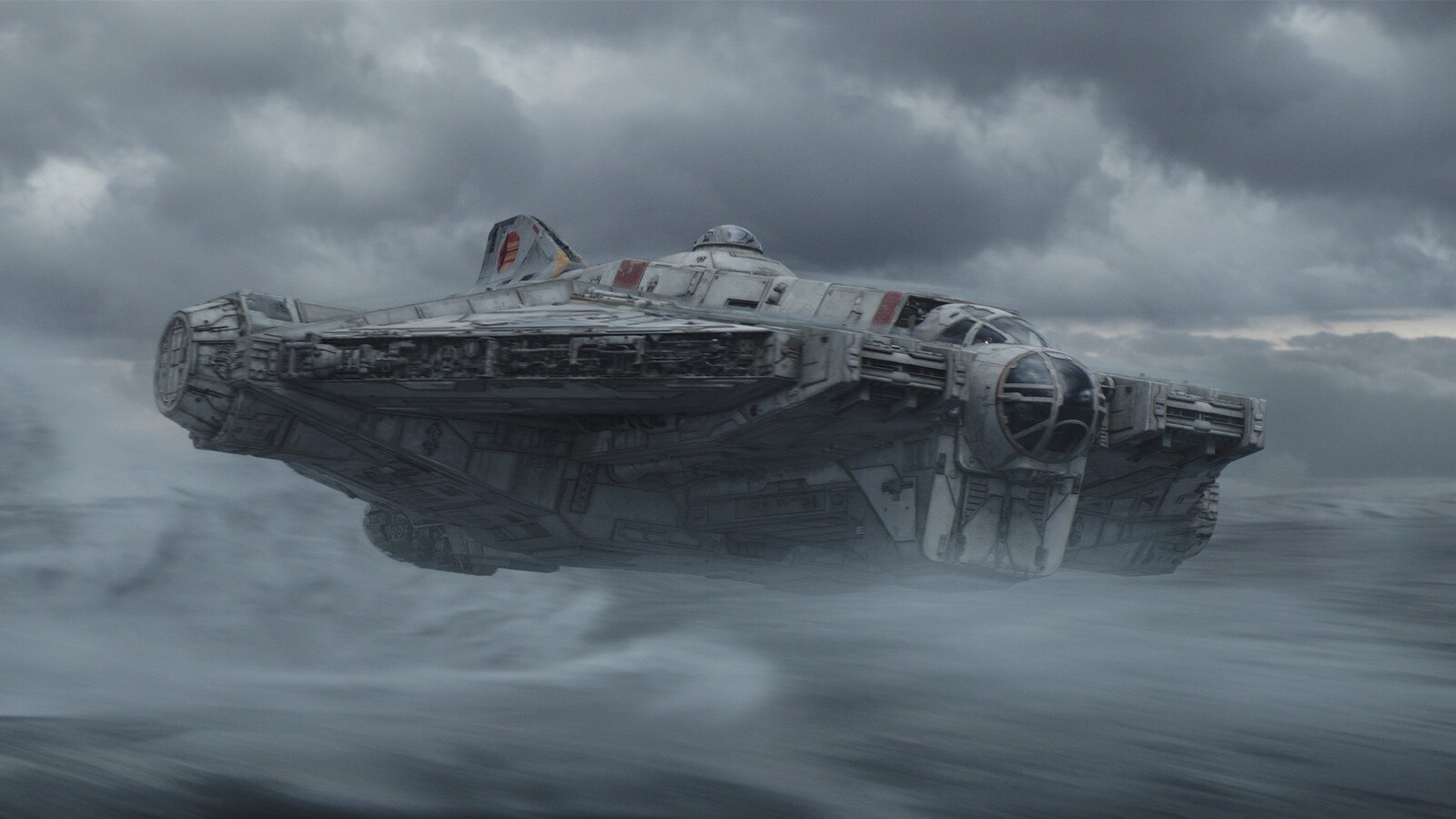
The Ghost is a household before it is an army unit
The ship gives the crew something the Empire repeatedly takes from the people it rules: a place where they can decide their own relationships. On occupied worlds, the Empire controls movement, food, weapons, information, and public space. A ship that can evade detection creates a small zone of autonomy. The crew can carry refugees, hide stolen supplies, plan missions, repair equipment, argue in private, and leave before Imperial authorities can fully close around them.
This matters because resistance needs infrastructure. Heroic speeches and firefights depend on fuel, food, tools, repairs, maps, intelligence, and a place to sleep. The Ghost makes those ordinary needs visible. Chopper repairs systems. Hera pilots and plans. Sabine modifies equipment and explosives. Zeb guards the crew and handles physical force. Kanan trains Ezra while also fighting beside the others. Ezra learns routes, local contacts, and the moral logic of helping strangers. Their politics is built out of repeated practical work.
Hera Syndulla: captain, organizer, and political bridge
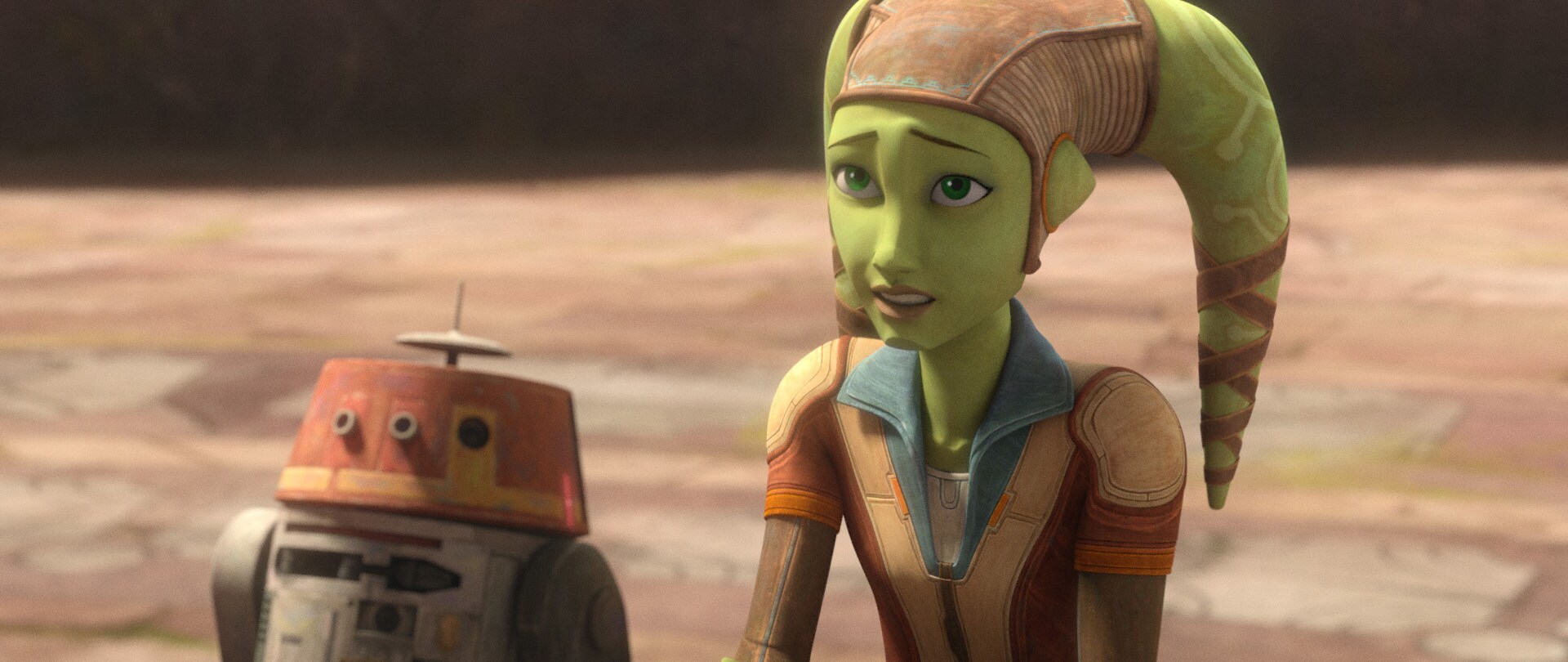
Hera is the clearest center of the group. She owns and pilots the Ghost, but her authority is broader than control of the cockpit. Official material describes her as the captain who led the Ghost crew while also working with Fulcrum, Bail Organa, Commander Jun Sato, and the wider rebellion. She is therefore a bridge between two political scales: the small household aboard her ship and the growing network of cells that will become a formal alliance.
Her leadership is persuasive because it is relational. Hera does not need every member of the crew to become the same kind of rebel. Kanan can remain suspicious of larger organizations. Sabine can carry Mandalorian obligations that sometimes pull her away from the ship. Zeb can grieve Lasan while still building a new life. Ezra can remain attached to Lothal even as the conflict becomes galactic. Hera keeps these different commitments from tearing the crew apart.
That also makes her political vision different from her father Cham Syndulla’s narrower focus on Ryloth. Hera sees local liberation and wider rebellion as connected. Her crew becomes proof of that idea. A Twi’lek from Ryloth, a Lasat survivor, a Mandalorian exile, a Jedi in hiding, a Lothal orphan, and an astromech droid can share a cause without sharing a homeland.
Kanan Jarrus: hidden knowledge becomes shared responsibility
Kanan enters the group carrying a secret. As Caleb Dume, he survived Order 66. As Kanan Jarrus, he learned to hide the identity that once gave his life structure. The Ghost offers him a place to belong without immediately demanding that he become a Jedi again. Ezra changes that arrangement.
Training Ezra turns Kanan’s private survival into social responsibility. He cannot preserve Jedi knowledge simply by remembering it. He has to teach, explain, make mistakes, and accept that Ezra’s future will not be identical to his own past. This is one of the crew’s most important transformations. Knowledge that the Empire tried to eradicate survives because it is carried through relationship rather than through a surviving temple or bureaucracy.
Kanan’s discomfort with Phoenix Squadron also reveals a tension inside resistance movements. Small groups can act quickly because trust is personal. Larger organizations can coordinate more resources, but they require rules, command structures, and compromises. Kanan is often wary of that transition. Hera is more willing to make it. The crew does not solve the tension by choosing one side. It learns to operate in both worlds.
Ezra Bridger: from surviving alone to belonging publicly
Ezra first approaches the Ghost crew as a street-smart orphan who has learned to survive under Imperial occupation. His early logic is individual: take what can be taken, avoid dependence, and assume other people will eventually leave. Joining the crew forces him into a different political education.
The crew teaches Ezra that solidarity means taking risks for people he does not already know. That lesson matters because Lothal gives the series a local population whose suffering is not abstract. Imperial factories, arrests, shortages, military occupation, and environmental damage make the Empire visible as an everyday system. Ezra’s attachment to his homeworld keeps the wider rebellion connected to ordinary people living under that system.
At the same time, Ezra changes the crew. He turns Kanan back toward Jedi mentorship. He gives Zeb someone to protect and argue with like a younger brother. He develops a sibling-like bond with Sabine. Hera gains another person whose future she feels responsible for. Ezra does not merely get adopted into an existing family. His arrival reorganizes the family that adopts him.
Sabine Wren: art, memory, and the politics of identity
Sabine brings several histories onto the Ghost at once. She is Mandalorian, a former Imperial Academy cadet, an artist, a weapons expert, and a young person carrying guilt about how her technical skill was used by the Empire. Her armor makes that complexity visible. It is protective equipment, a Mandalorian inheritance, and a changing canvas.
Her habit of repainting Imperial machines is more than decoration. The Empire relies on visual uniformity. White armor, gray machinery, identical ranks, and standardized architecture communicate that Imperial order is everywhere and permanent. Sabine treats those same surfaces as available space. Color and graffiti become a small form of counter-authority. The Empire says a machine belongs to the state. Sabine’s paint says the state can be marked, mocked, and altered.
Her Mandalorian story also tests the meaning of found family. Sabine does not have to choose between the Ghost crew and her biological relatives as if only one can be real. Instead, the series shows overlapping obligations. Her crew helps her return to Mandalore, and her Mandalorian history later changes what the crew and the wider rebellion can do.
Zeb Orrelios: survival after the destruction of home
Zeb’s humor and physical strength can hide the seriousness of his history. He is a survivor of the Imperial attack on Lasan and carries shame about his failure to protect his people. That history shapes his anger, especially around weapons associated with the destruction of Lasat lives.
The Ghost gives Zeb a new household without erasing Lasan. This distinction matters. Found family is not a replacement that makes previous losses irrelevant. Zeb remains Lasat. His language, memories, military experience, and relationship to other Lasat continue to shape him. What changes is that survival is no longer solitary.
His role with Ezra is especially important. Their bickering often looks comic, but it creates the social space of siblings. Zeb can be irritated with Ezra and still risk himself to protect him. In a crew assembled from people displaced by war, that ordinary familiarity is part of how stability is rebuilt.
Chopper: maintenance is political work
Chopper is the easiest member of the crew to describe as equipment and one of the hardest to actually treat that way. He repairs, slices, sabotages, pilots, scouts, complains, refuses, improvises, and remembers. His long relationship with Hera gives him a place in the group that predates several of the organic members.
He also exposes a kind of labor that adventure stories often hide. Ships do not remain flightworthy by themselves. Doors do not open because the heroes need them open. Imperial systems have to be sliced. Damaged equipment has to be repaired. Someone has to understand the mechanical infrastructure that everyone else depends on. Chopper’s personality makes that support work impossible to ignore.
Within an anthropological reading, his role raises a larger question about droid personhood. The crew depends on Chopper’s technical function, but their relationship with him exceeds usefulness. They know his habits. They argue with him. Hera trusts him. He participates in the household as a difficult person, not as interchangeable machinery.

From independent cell to Rebel Alliance
One of the most important political changes in Star Wars Rebels is the crew’s movement from local, semi-independent action into a larger organized rebellion. Early missions rely on the crew’s own judgment. They steal supplies, help civilians, attack Imperial targets, and choose when to take risks. Their chain of command is short because most of the people making decisions are standing in the same ship.
Phoenix Squadron changes the scale. The Ghost crew gains access to intelligence, ships, bases, and allies that no small cell could create alone. It also becomes answerable to a broader strategy. Hera adapts especially well to that world because she already thinks in networks. Kanan is more cautious because large institutions remind him that organizations can fail the people inside them.
The transition matters because rebellions need both forms of organization. Small cells can survive repression because they are flexible and difficult to map. Large alliances can coordinate fleets, resources, and political claims. The Ghost crew becomes a bridge between the two. It carries the habits of a household into the structure of an army.
Lothal keeps the rebellion local
Even after the crew becomes part of a larger movement, Lothal remains central. The planet prevents the word rebellion from becoming too abstract. Ezra knows the streets, the people, the Imperial presence, and the cost of occupation. The crew repeatedly returns because political struggle has to mean something to the people living where power is exercised.
This is one reason the Ghost crew works as a foundation story for the Rebel Alliance. They do not begin by trying to control the galaxy. They begin by moving food, rescuing prisoners, protecting people, disrupting Imperial extraction, and helping communities survive. Their larger political identity grows out of those smaller obligations.
Family as rebel infrastructure
StarWars.com has described family as a central theme of Rebels, and the crew gives that theme political weight. Their family is not merely emotional support added to the real military story. The family is part of what makes the military story possible. Trust allows people to share secrets. Care makes recovery possible after failure. Familiarity speeds decisions in crisis. Loyalty keeps people from abandoning one another when a mission becomes costly.
That closeness also produces conflict. Hera sometimes withholds information because she is protecting a larger network. Kanan can resist decisions he believes expose the crew to unnecessary danger. Sabine has responsibilities that extend beyond the ship. Ezra’s attachment to Lothal can pull strategy toward one world. These disagreements are not proof that the family model fails. They show that belonging creates obligations strong enough to compete with orders.
What remains when the original crew changes
By the end of Rebels, the original household can no longer remain physically together in the same form. Loss, sacrifice, separation, and the changing war redistribute its members. Yet the crew’s relationships continue to organize later choices. Hera carries the Ghost into later conflicts. Chopper remains with her. Sabine’s decisions remain tied to Ezra. Ezra’s disappearance does not remove him from the family’s future. Zeb’s life after the war remains connected to what the crew made possible.
This persistence is why the Ghost itself has such symbolic power. The ship is a material reminder that a political movement can begin as a handful of people sharing space, tools, food, danger, and responsibility. The Rebel Alliance becomes much larger than the Spectres, but the Ghost crew shows what resistance looks like before there is a formal alliance strong enough to claim victory.
Why the Ghost crew matters
The main Ghost crew brings together several of Star Wars’ largest themes without reducing them to one institution. Kanan carries the broken Jedi tradition. Sabine carries Mandalorian memory. Zeb carries the destruction of Lasan. Hera carries the politics of organized resistance. Ezra carries the experience of a child raised under occupation. Chopper carries the hidden labor and uncertain status of droids. The Ghost gives those histories one shared location.
That is the crew’s larger significance. They do not become important because their differences disappear. They become important because they learn how to act together while those differences remain. Their household turns survival into solidarity, and solidarity into rebellion.
Explore the crew
Sources and further reading
- The Ghost | StarWars.com Databank
- Hera Syndulla | StarWars.com Databank
- Kanan Jarrus / Caleb Dume | StarWars.com Databank
- Ezra Bridger | StarWars.com Databank
- Sabine Wren | StarWars.com Databank
- Who is Zeb? | StarWars.com
- Star Wars Rebels Remembered | StarWars.com
- How the Theme of Family is at the Heart of Star Wars Rebels | StarWars.com
- 10 Things You Didn't Know About Star Wars Rebels | StarWars.com
Connected archive