
Short answer
Twi'leks are repeatedly shown under slavery or coercive labor because Star Wars stories place many Twi'lek characters inside systems of war, occupation, trafficking, Hutt criminal power, displacement, and unequal labor. That pattern is part of the franchise's history of representation. It is not a biological trait or a defining feature of Twi'lek culture, and many Twi'lek characters occupy very different social positions.
How does Ryloth's political history matter?
Ryloth is repeatedly exposed to outside intervention, invasion, occupation, and instability. During the Clone Wars and Imperial period, political control over the planet affects civilians, local leadership, and resistance movements. Conflict can create the conditions in which people are displaced, impoverished, captured, or moved through wider exploitative networks. That context helps explain some Twi'lek vulnerability without turning exploitation into a cultural identity.
What role do Hutt and criminal networks play?
Several highly visible Twi'lek characters appear in spaces controlled by Hutts or other criminal elites. Oola's enslavement in Jabba's court is the clearest film example. Bib Fortuna occupies a very different position within the same court as an administrator and gatekeeper. Placing these figures together shows why 'Twi'lek in Hutt space' does not equal one social role, even when slavery and coercion are recurring parts of that environment.
Why does gender and visual representation matter?
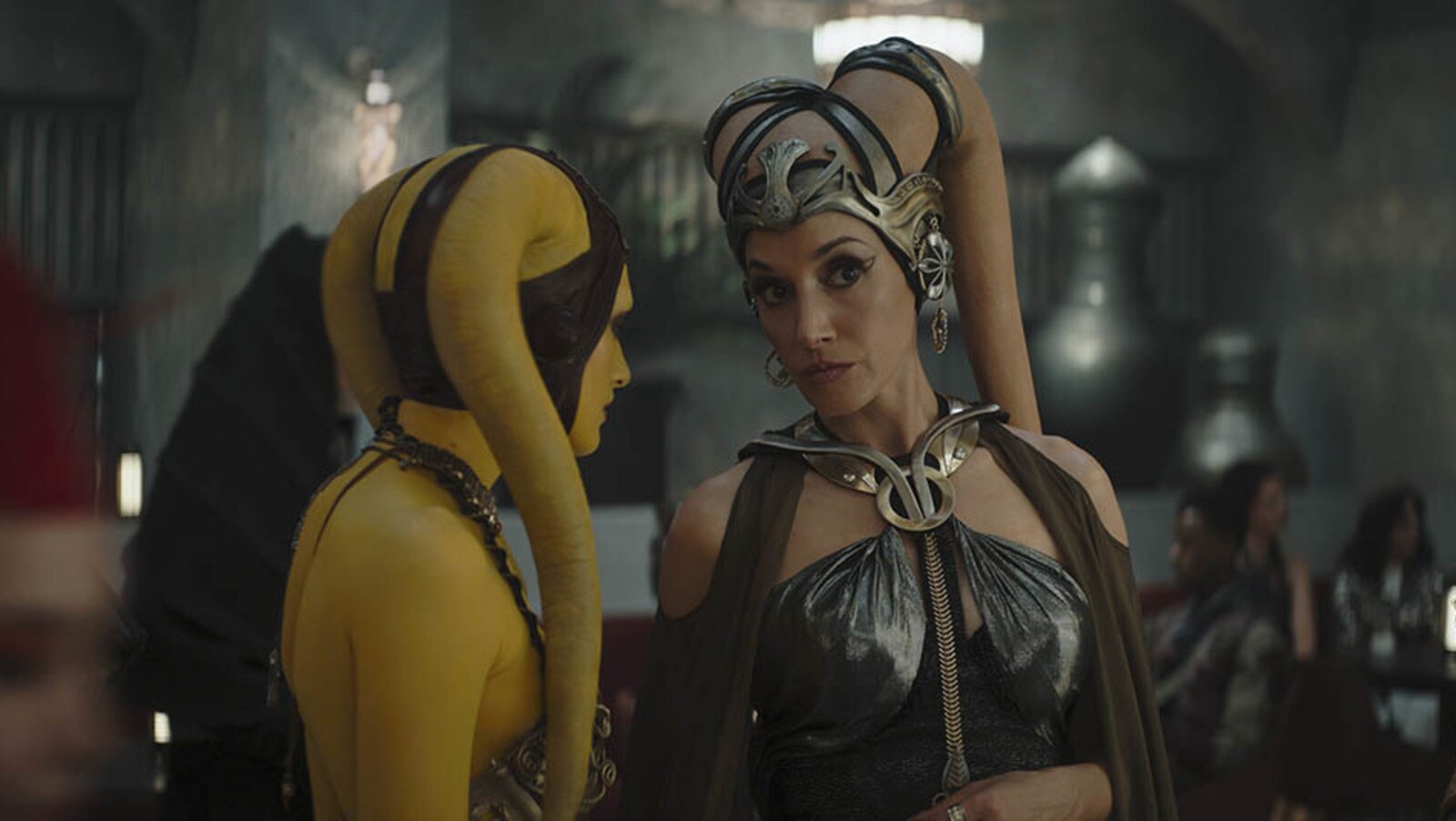
The franchise has often used Twi'lek women as highly visible dancers, servers, entertainers, or background figures. That creative pattern can make exploitation appear more universal than the wider archive supports. Hera Syndulla, Aayla Secura, Garsa Fwip, Cham Syndulla, military figures, political actors, Jedi, business owners, and other Twi'leks demonstrate a much broader range of social positions. An anthropological reading has to examine both the fictional system and the storytelling choices that repeatedly select certain bodies for certain roles.
How should Twi'lek culture be described instead?
Twi'lek culture should be approached through family, language, homeland, diaspora, memory, political resistance, work, local communities, and individual histories. Kalikori, Twi'leki language, lekku communication, attachment to Ryloth, and multigenerational resistance all provide cultural material that is separate from the fact that some Twi'leks are exploited by outsiders. Slavery is something done to people, not an ethnic or cultural characteristic.
Go deeper
Connected IDS pages
Follow the answer into the larger archive instead of stopping at a search snippet.
Connect species, culture, diaspora, representation, and character files.
Explore →Twi'lek CultureRead about family memory, language, resistance, and social identity.
Explore →Twi'lek SpeciesSeparate biology from cultural and political history.
Explore →OolaA character file centered on coercion, resistance, and Jabba's court.
Explore →Hera SyndullaA contrasting Twi'lek life shaped by family legacy and rebellion.
Explore →Explore the full Twi'leks topic
Open Topic Guide →Mentioned in this file