
Twi'leks

Twi'leks

Explore Twi'lek culture, biology, diaspora, Ryloth, family memory, representation, resistance, and major Twi'lek characters across Star Wars.

Canon and Legends are labeled separately where relevant.

Start here

How to read this topic

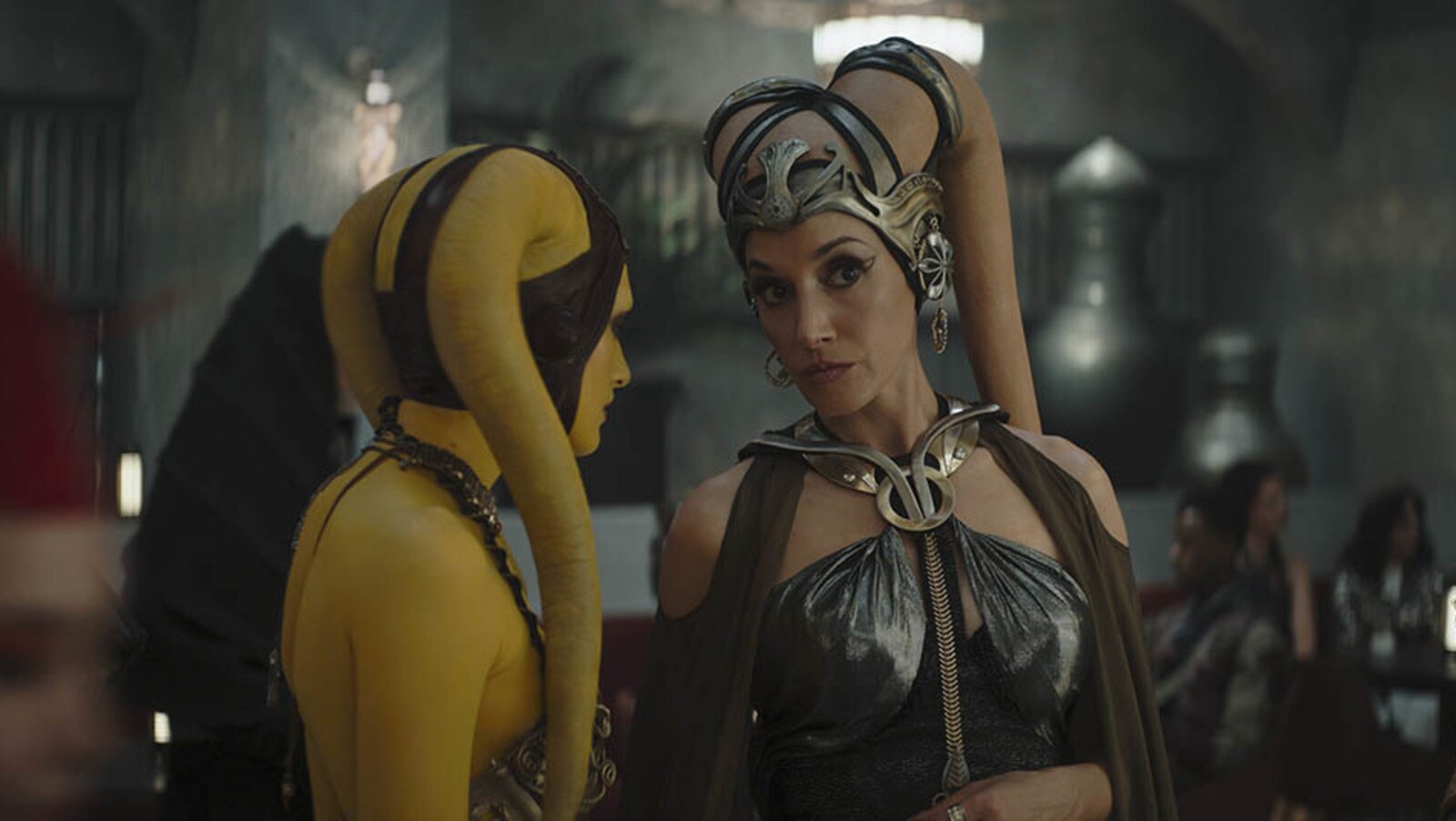
Twi'leks are one of the most visible peoples in Star Wars, but a useful guide has to separate species from culture. Lekku, skin color, and other biological traits do not determine one fixed way of life. Ryloth, diaspora communities, family histories, occupations, political institutions, migration, and local conditions all shape different Twi'lek experiences.

The IDS Twi'lek cluster connects the species archive to cultural history and individual lives. It follows family memory, Twi'leki language, lekku communication, resistance to occupation, migration away from Ryloth, and the unequal labor systems that place some Twi'lek characters in conditions of coercion or enslavement. It also keeps those histories from becoming the only story by linking pilots, Jedi, political figures, entertainers, criminals, business owners, and Sith.

Start with the species and culture files for the broad picture, then move into character pages. Reading Hera Syndulla, Aayla Secura, Oola, Bib Fortuna, Garsa Fwip, Darth Talon, Devon Izara, Anoon Bondara, and the Female Twi'lek Server together shows why a visible species category should never be mistaken for a single social identity.

Quick orientation

Key questions

Use these answers as a map before opening the deeper archive files.

Are Twi'leks a species or a culture?

They are a species, while Twi'lek cultural life is plural. IDS separates biological description from language, family memory, political history, diaspora, work, religion, and local community.

Why does diaspora matter?

Twi'leks live far beyond Ryloth. Migration, war, enslavement, trade, military service, and family movement create communities whose lives cannot be explained by the homeworld alone.

Where should I start?

Read the Twi'lek species file first if you want biology and broad distribution. Read the Twi'lek culture file first if you want family, language, memory, resistance, and social identity.

Connected archive

Species, culture & homeland

Separate biology from social life, then follow how homeland and diaspora interact.

Connected archive

Major Twi'lek character files

Compare lives shaped by different institutions, classes, occupations, and continuities.

Questions people ask

Direct answers about this topic

Start with a focused answer, then return here for the wider research path.

About this guide

This page is an independently written Imperial Dark Sector research path. It summarizes and connects existing IDS archive material rather than replacing the linked character, lore, culture, religion, timeline, place, or collecting files.