
Far galaxy / Peridea / Local investigation
Inside the fortress
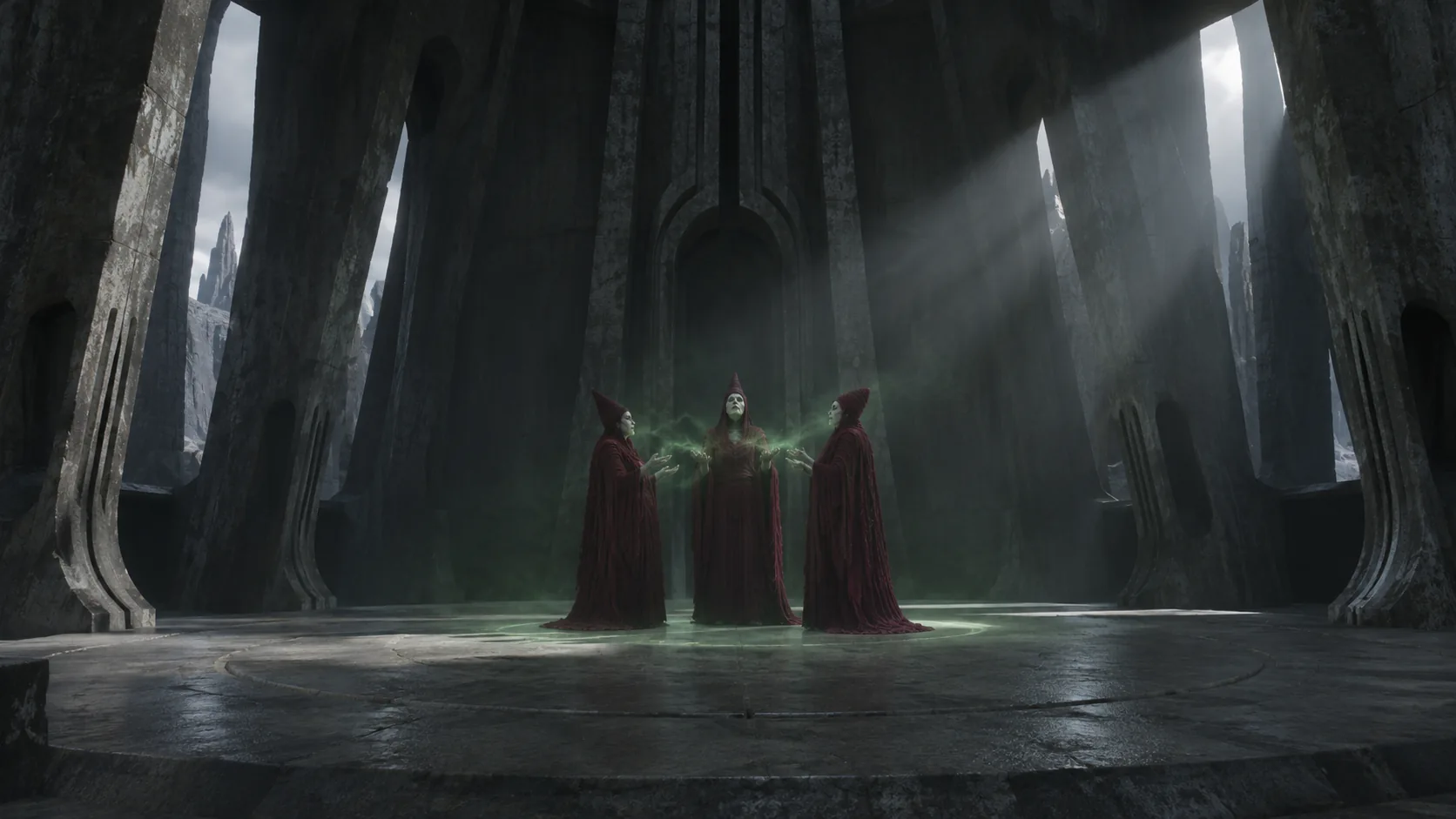
Inside the fortress
The fortress interior brings ritual action and military resistance into the same architectural setting. Explore the Great Mothers' gathering, the tall stone enclosure and the ascending passage. Each investigation separates what the story shows from what an original illustration must reconstruct.
Confirmed in Canon
The three ritual specialists
The Great Mothers are named Klothow, Lakesis and Aktropaw. Their collective actions matter more to the shown ritual sequence than any invented division of labor. The illustration groups three figures without claiming that their positions identify individual Mothers. Their clothing and green light help orient the viewer, but the controls do not assign an unverified name to a particular face.
Tap labels directly on the image. Topic buttons describe context without claiming a mapped position. 0 discoveries opened
Ritual practice, ascent and the cost of delay
Reading this environment
The fortress interior brings ritual action and military resistance into the same architectural setting. Explore the Great Mothers' gathering, the tall stone enclosure and the ascending passage. Each investigation separates what the story shows from what an original illustration must reconstruct.
A ritual environment
The Great Mothers act together inside the stronghold. Their gestures, voices and connection with Morgan establish a practiced tradition. Monumental stone gives that action a durable setting, but the series does not supply an inventory of permanently assigned ritual rooms. This page therefore uses descriptive terms such as chamber and passage. It does not assign invented ceremonial names to doorways or claim that an illustration reproduces an official floor plan.
Morgan and an ancestral commitment
Morgan reaches Peridea after organizing the Eye of Sion's construction and journey. Her ties to Thrawn coexist with a commitment to Dathomir. Within the fortress she accepts transformation and the Blade of Talzin before remaining to oppose Ahsoka. Her final role is not simply that of a technician who delivered transport. Her choices connect military return with religious allegiance and personal sacrifice. They do not make every ambition of the Great Mothers fully known.
Resistance that changes the encounter
The heroes confront troops while moving upward through the fortress. Reanimation changes the practical meaning of defeating an opponent: fallen enemies can rise again. The military objective is delay, so even a fight the heroes survive can still help Thrawn escape. Read the sequence as a contest over time and access. The architecture constrains movement, while ritual power changes the persistence of the forces occupying it.
What remains uncertain
The visible events do not establish the age of each wall, the original use of every chamber, or how often particular rituals occurred. A green-lit interior is an artistic interpretation of Nightsister imagery, not proof that every corridor normally glows. There is no claimed excavation, hidden library or chamber of named artifacts. The stair detail gives another view of scale and passage; it is explicitly reconstructed rather than an additional discovered location.
Investigation record
The three ritual specialists
The Great Mothers are named Klothow, Lakesis and Aktropaw. Their collective actions matter more to the shown ritual sequence than any invented division of labor. The illustration groups three figures without claiming that their positions identify individual Mothers. Their clothing and green light help orient the viewer, but the controls do not assign an unverified name to a particular face.
Morgan and the Blade of Talzin
Morgan's final confrontation with Ahsoka follows her acceptance of the Great Mothers' gift. Her commitment to Dathomir helps explain why she stays while the ship leaves. That interpretation is grounded in her expressed allegiance, not an assumption that the fortress contains a permanent sword shrine. Follow her existing character dossier for her history before Peridea.
The ascending passage
The heroes' movement through the fortress makes access a narrative problem. Troops and close architectural spaces slow their progress. The stair artwork provides a different perspective on that constrained movement. Its exact width, turns and connection with other spaces are not surveyed. Select the passage view to investigate the movement problem rather than treating a reconstructed staircase as an official route map.
Reanimation and military delay
The Great Mothers' magic sustains the confrontation after soldiers fall. This is a specific narrative event and a documented feature of the Night Troopers. It does not justify assigning an identical death and resurrection history to every individual visible in an earlier formation. The ritual and military systems meet through this use of bodies, persistence and time.
An investigation you control
Compare exile and departure
Maintain
Exile requires Thrawn’s force to preserve a damaged ship and a functioning command structure. Material repairs make continued operation visible.
Documented rebuilding; exact supply chains unknown.Primary references and image limits
Original interpretive artwork. The scene does not establish a complete floor plan, fixed settlement position or construction date. Interpretive readings are identified in the text.
Continue across Peridea
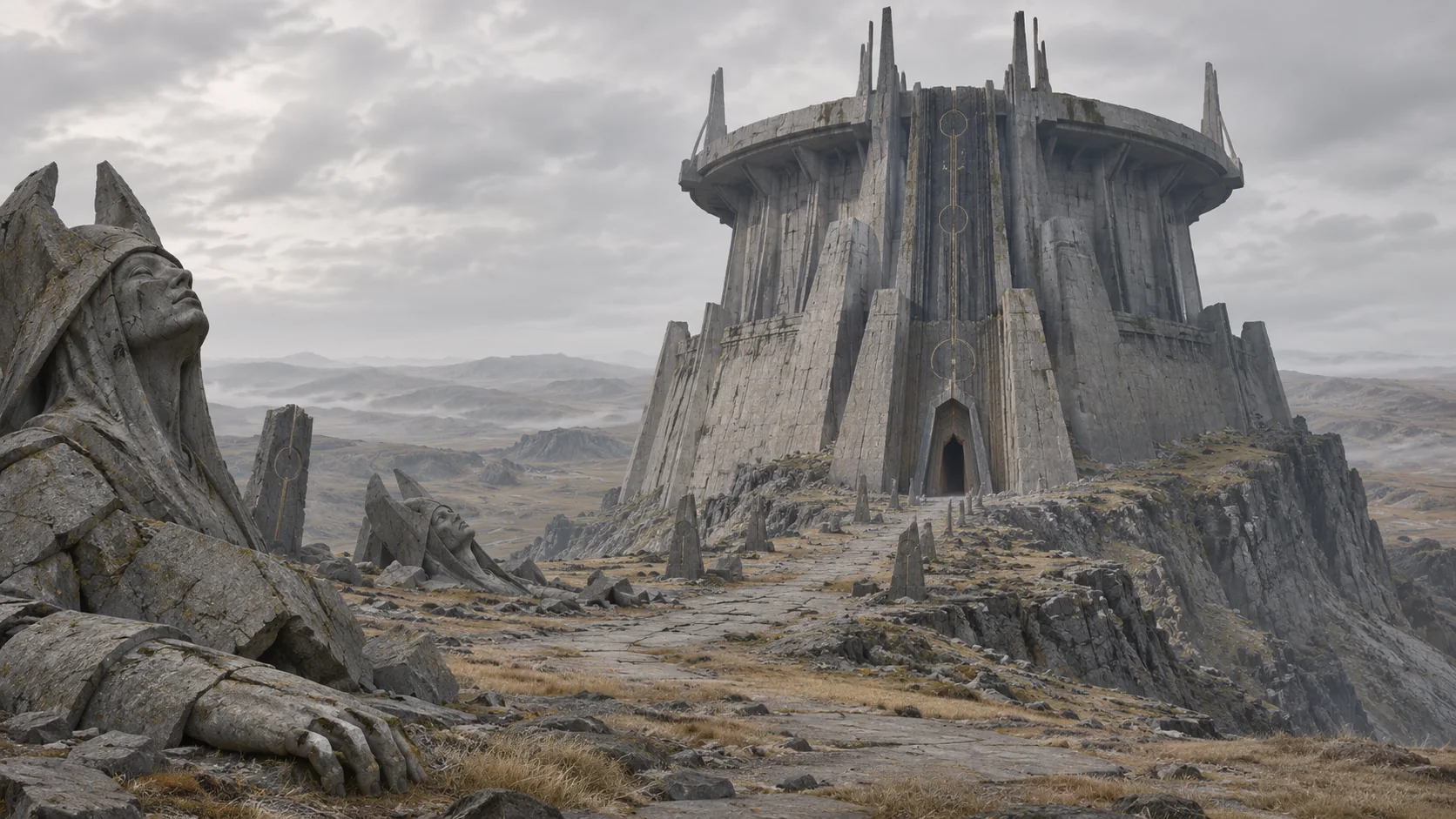
Great Mothers' fortress
Stone, ancestry and a negotiated departure
Enter the environment ↗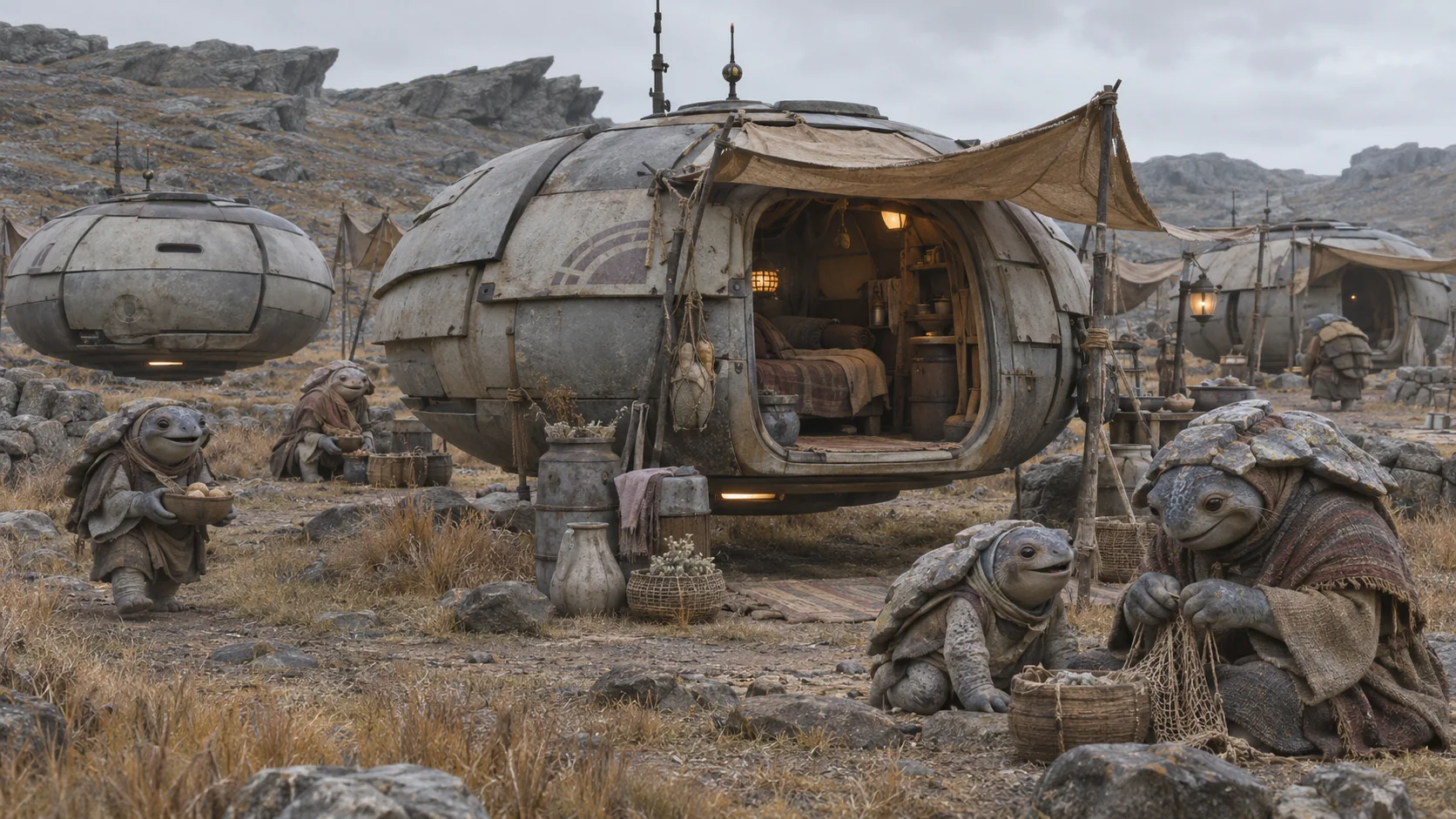
The Noti caravan
Homes that move, communities that endure
Enter the environment ↗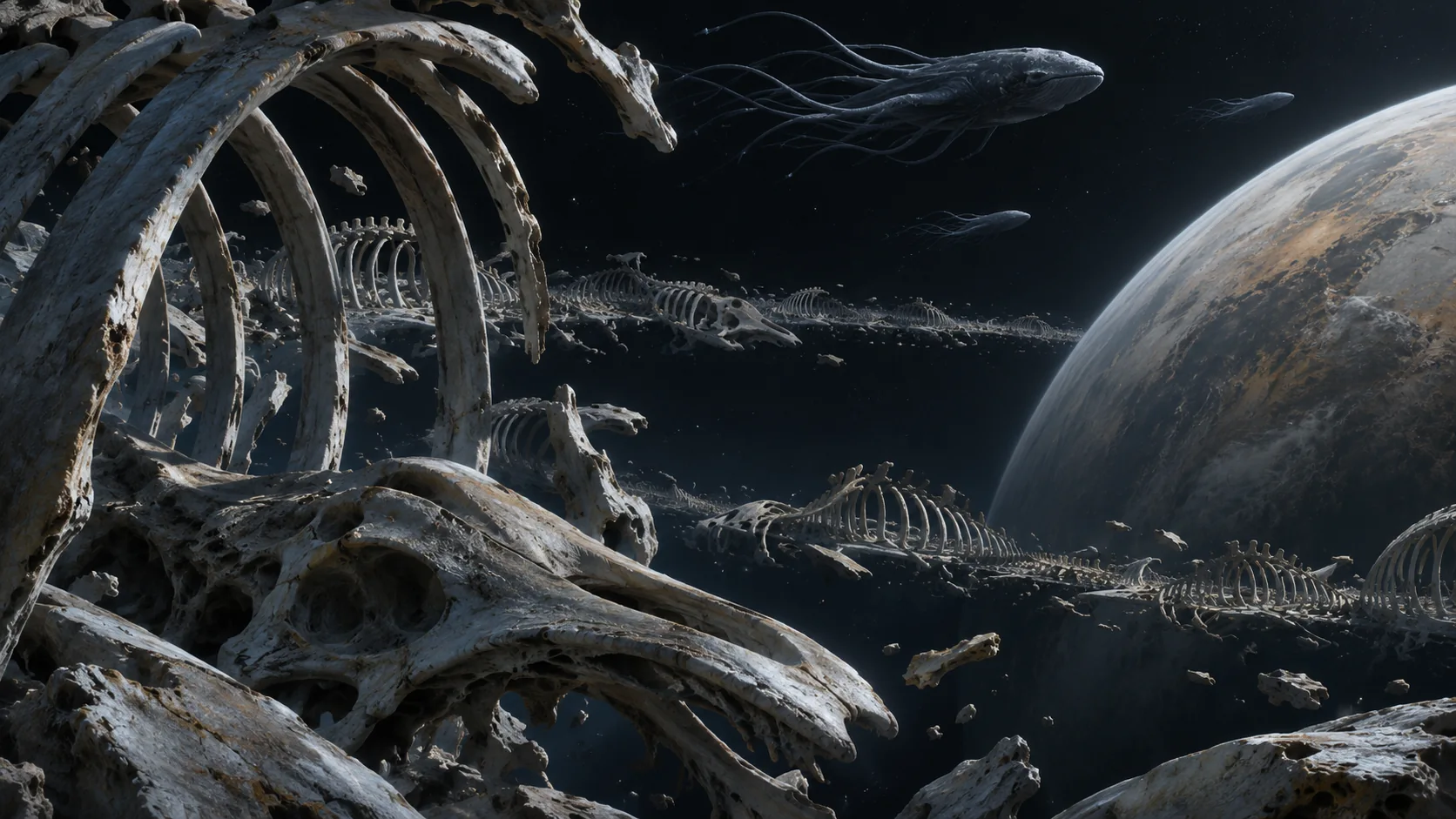
The purrgil graveyard
An orbital landscape at the end of a migration
Enter the environment ↗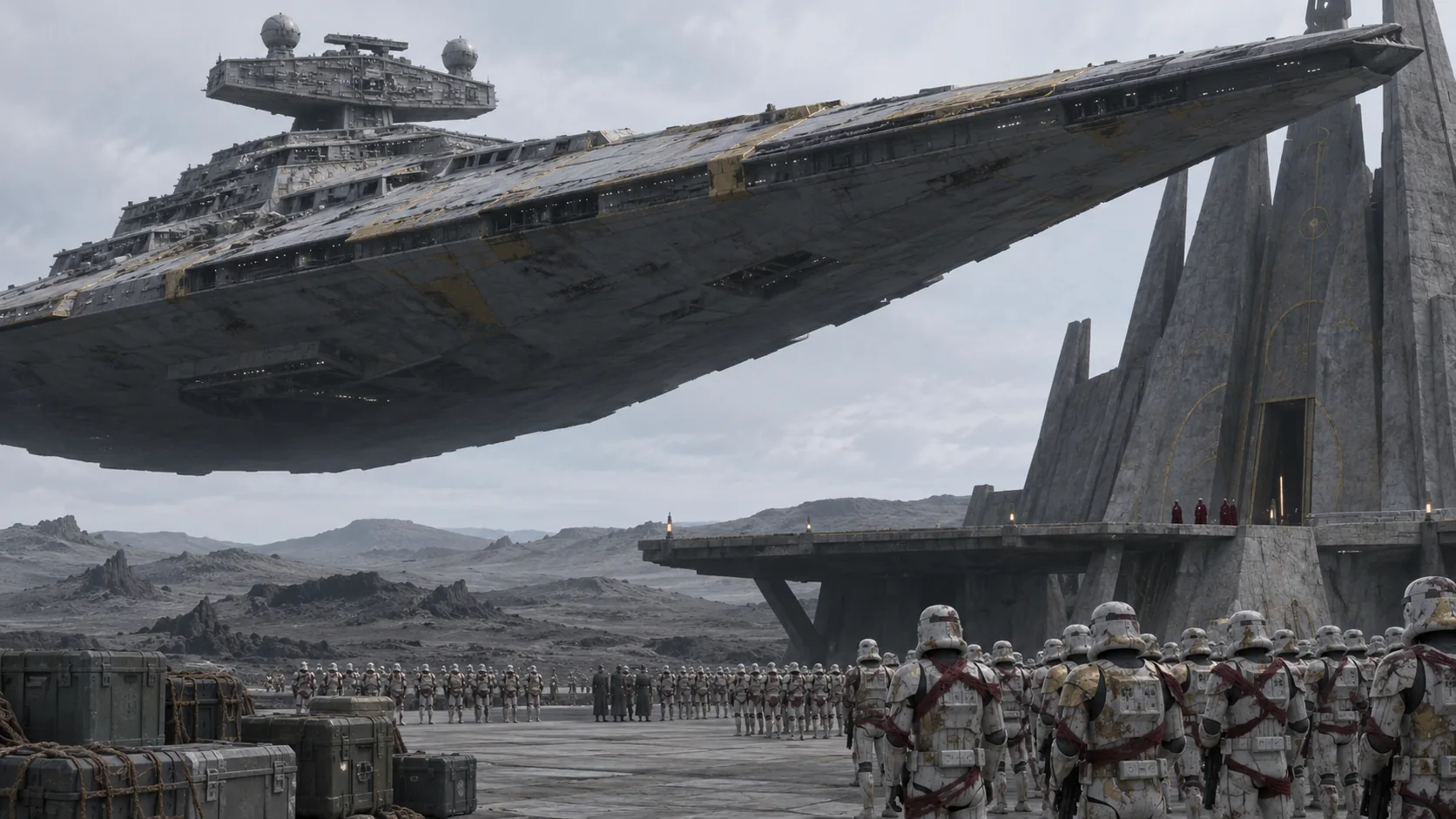
Thrawn’s staging area
Repair, discipline and the logistics of escape
Enter the environment ↗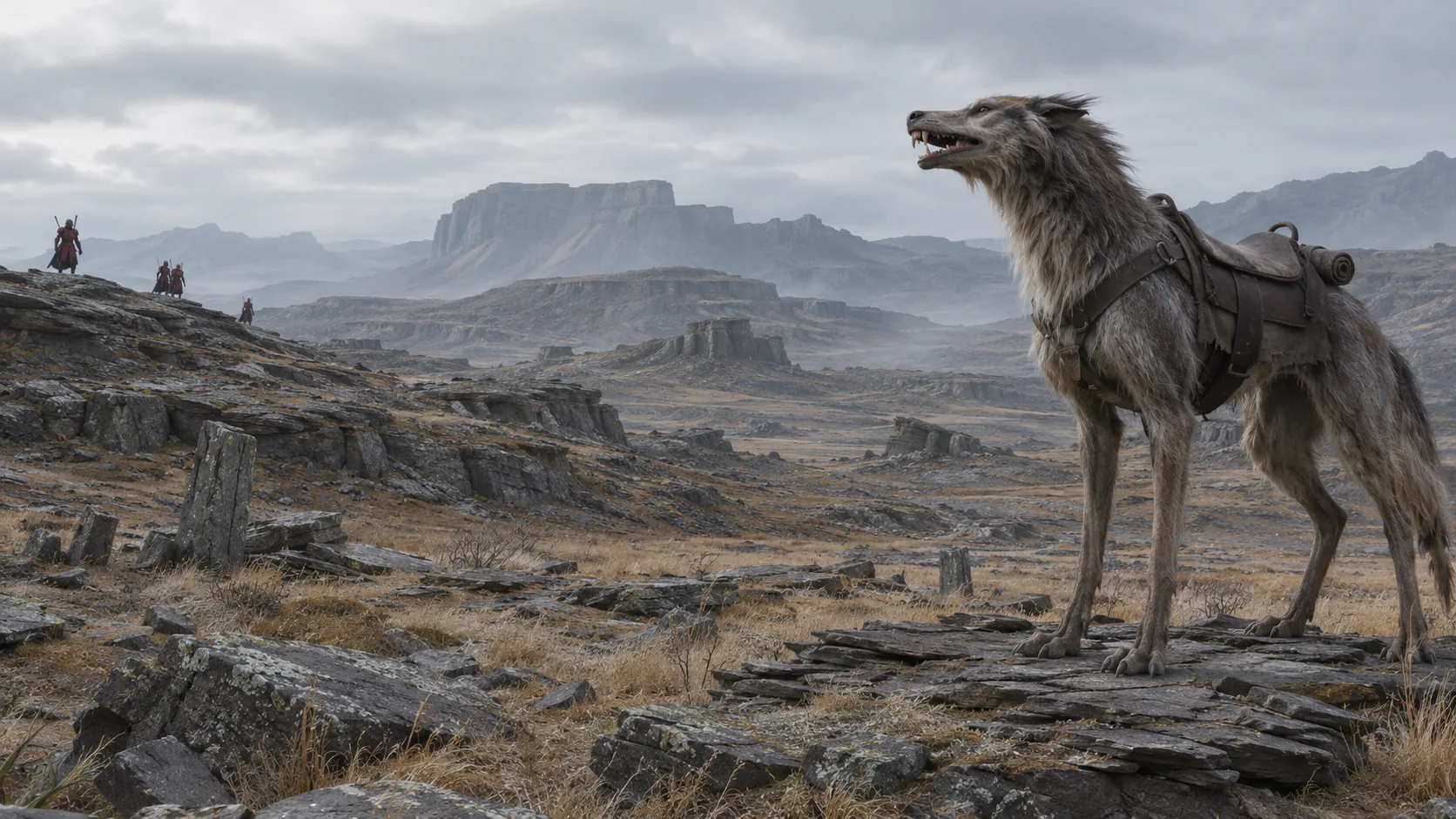
The rocky wilderness
Travel, mounts and armed encounters
Enter the environment ↗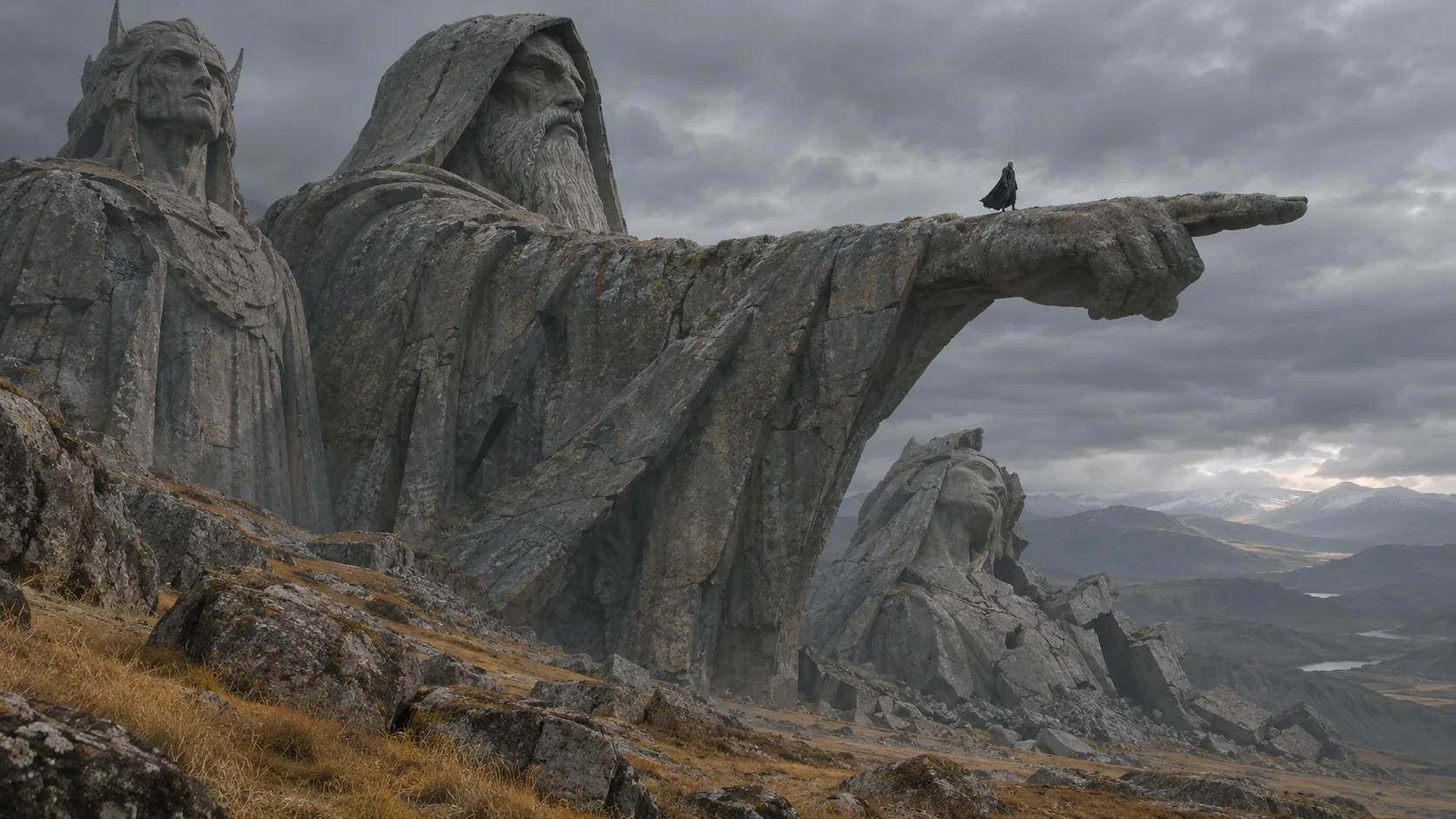
The Mortis monuments
Recognizable forms, unresolved purpose
Enter the environment ↗