Short answer
Mandalorians do not all follow one universal religion. Some communities, especially the Children of the Watch, follow a religiously framed Way with oaths, helmet rules, foundling adoption, ritual redemption, pilgrimage, and the Living Waters. Other Mandalorians share cultural symbols such as beskar, clan identity, ancestors, Mandalore, and the Darksaber without accepting that same creed.
What is the Way?
The Way is a binding code practiced by particular Mandalorian communities. In The Mandalorian, it structures identity through repeated declarations, rules about conduct, the protection and adoption of foundlings, armor practice, and ritual responses to transgression. Because these practices organize belonging and moral obligation, they can be analyzed as religious as well as cultural. But the series also makes clear that Mandalorians outside those communities do not all interpret those rules the same way.
Are helmet rules universal?
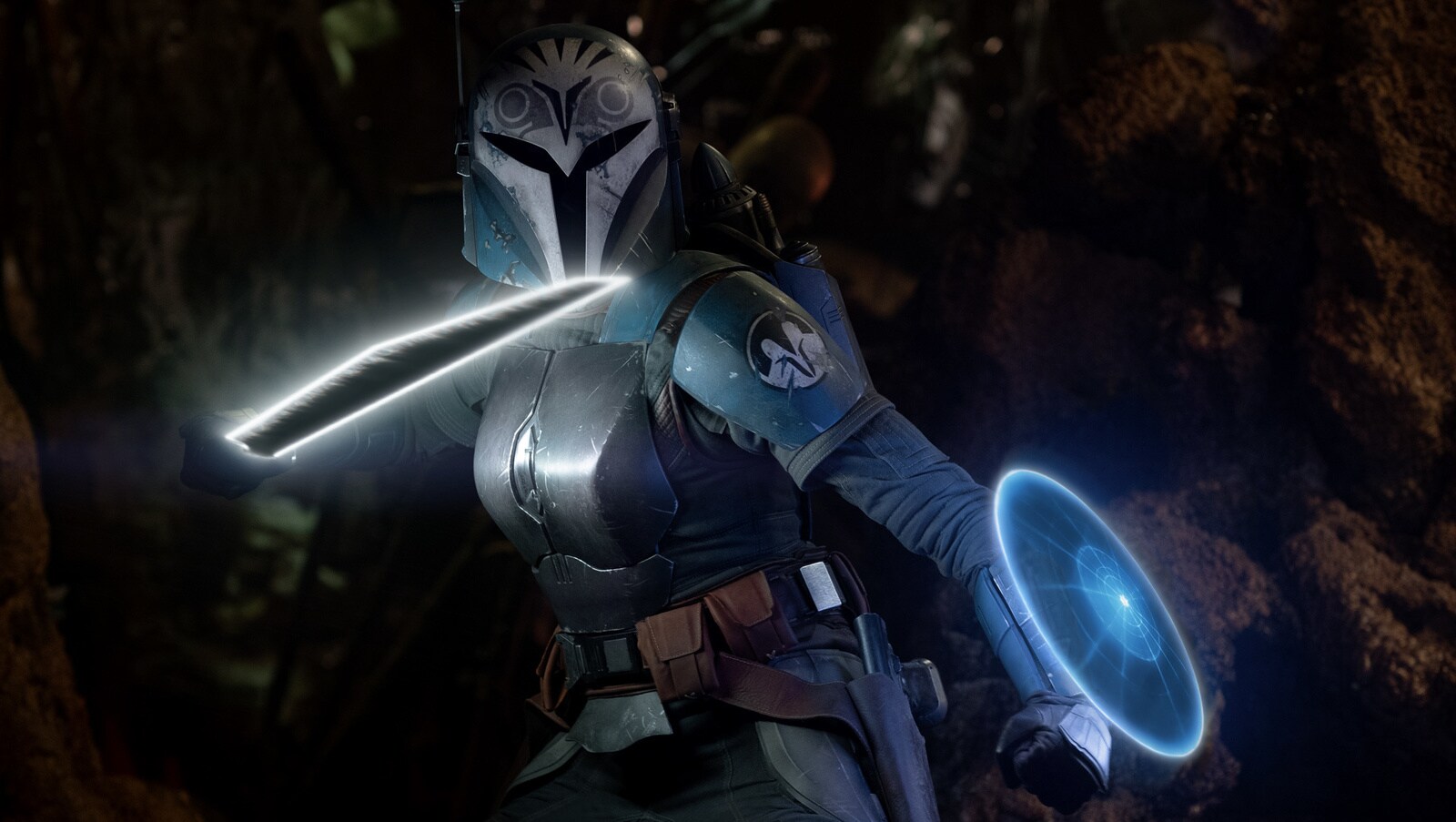
No. The requirement to keep one's helmet on is associated with Din Djarin's community and related traditionalist practice, not with every Mandalorian shown in canon. Bo-Katan Kryze, Sabine Wren, and many other Mandalorians remove their helmets without treating that act as a loss of identity. The disagreement is important because it shows that Mandalorian tradition is contested. People can share ancestry, armor, homeland, and political history while disagreeing about which practices are mandatory.
Why are Mandalore and the Living Waters sacred?
For communities that follow the creed, Mandalore is more than a political homeland. The mines and Living Waters become places of pilgrimage and redemption. A person who has violated a rule can restore standing through a journey tied to the ancestral world. That gives geography religious force: ruins, water, memory, and homeland become part of the moral system rather than merely a setting.
What about the Darksaber and the Mythosaur?
Both can carry political and sacred meaning without functioning as simple objects of worship. The Darksaber becomes tied to claims of leadership and inherited legitimacy. The Mythosaur belongs to Mandalorian myth and identity and becomes especially important when old expectations about Mandalore's future return to political life. Their meaning changes across communities and eras.
Go deeper
Connected IDS pages
Follow the answer into the larger archive instead of stopping at a search snippet.
Connect creed, culture, clans, homeland, and major Mandalorian characters.
Explore →Mandalorian CreedsRead the dedicated IDS religion file.
Explore →Mandalorian CulturesSee why one creed should not be treated as the whole culture.
Explore →MandaloreExplore homeland, destruction, memory, and sacred landscape.
Explore →The ArmorerFollow a central ritual authority within Din Djarin's community.
Explore →Explore the full Mandalorians topic
Open Topic Guide →Mentioned in this file