SPONSORED / AMAZON
Shop this game
Related games, collectibles and accessories. Check platform and availability on Amazon.
As an Amazon Associate I earn from qualifying purchases.
CONFIRMED DEVELOPMENT PREVIEW
What is known so far
- 01 / YOUR ROLEWho you play
Multiple protagonists; character details not fully announced
- 02 / INFORMATIONWhat to know next
Review the official announcements for confirmed information.
- 03 / GAME STYLEWhat to expect
Narrative action-adventure
ANNOUNCED / NO PLAYABLE CAMPAIGN
Confirmed development file
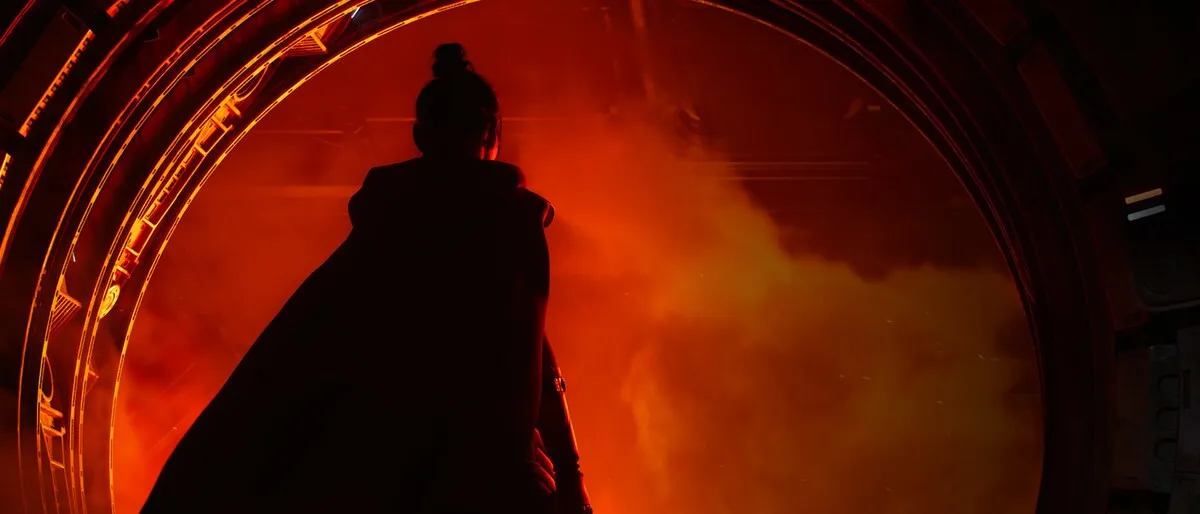
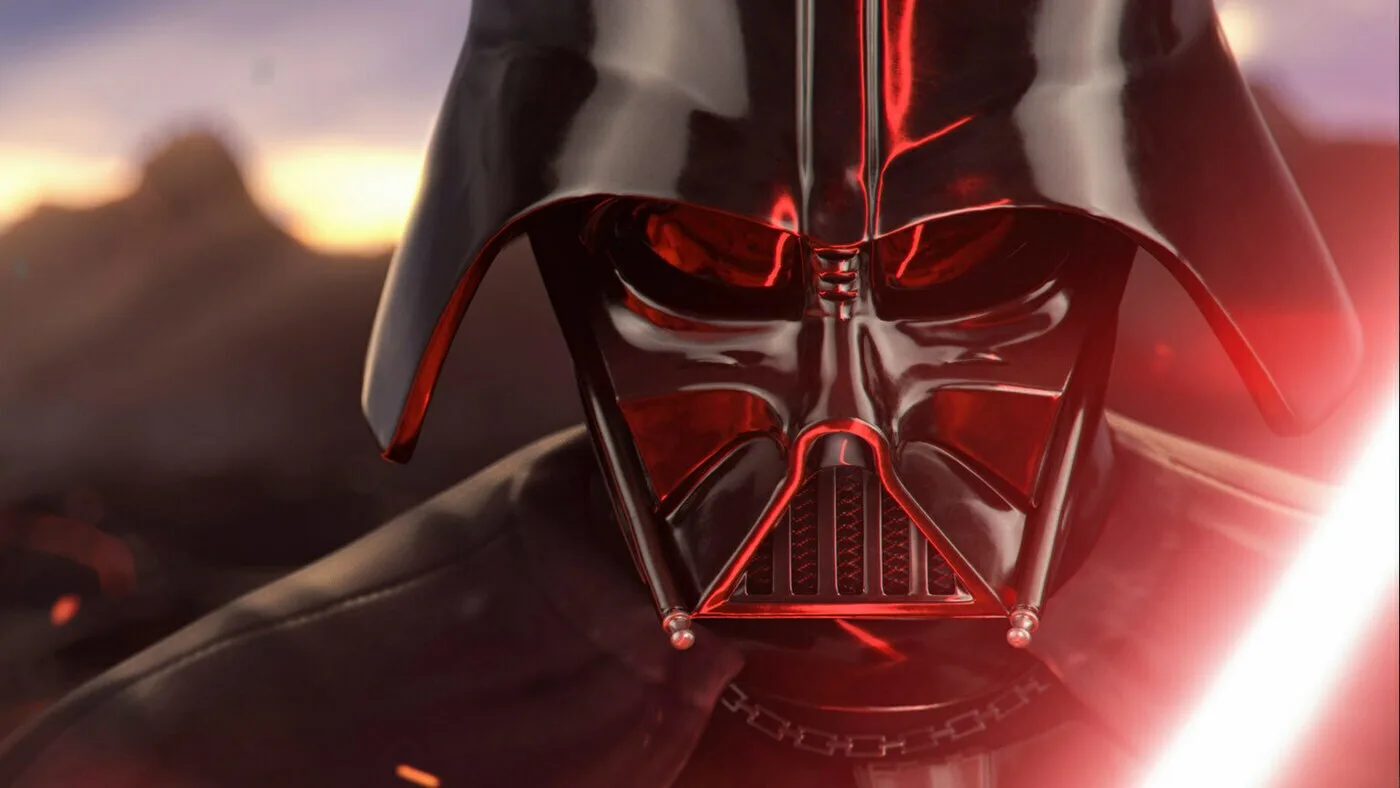
Quantic Dream and Lucasfilm Games have announced a multiple-character narrative action-adventure set in the High Republic Outer Rim. The studio has not confirmed a release date or supported platforms. Cinematic preview images are not proof of released gameplay or mission objectives.
UPCOMING / OFFICIAL PREVIEW
What has been confirmed
The High Republic
The story takes place during the High Republic era in the politically tense Outer Rim.
Multiple protagonists
Quantic Dream describes an ensemble cast and consequences for decisions, not a fixed walkthrough.
Date not announced
There is no officially confirmed release day, platform list or playable campaign.
01 · Orientation
What the game is
Star Wars Eclipse is an announced, multiple-protagonist action-adventure game from Quantic Dream and Lucasfilm Games, set in the High Republic era. Its developers describe branching narratives, consequential decisions and a politically tense Outer Rim. No confirmed release date, supported platform list or playable campaign has been published.
IDS places the game in the High Republic era and records its continuity as Canon.
02 · Publication file
Release, studio, and platform context
Star Wars Eclipse was developed by Quantic Dream and published by Quantic Dream / Lucasfilm Games. Its primary release platforms in the IDS record are Not yet announced.
Star Wars Eclipse is announced but does not yet have a release date in the current IDS record. Unrevealed details remain marked TBA rather than being inferred from rumor or preview speculation.
IDS stores the game itself as one work rather than creating separate records for every port, storefront release, compatibility update, or remaster. Platform history still matters, but the archive avoids inflating a single game into several supposedly different titles.
03 · Story
Narrative and player position
The current IDS story label is Multiple interwoven protagonists in the High Republic Outer Rim. The playable role is recorded as Multiple protagonists; character details not fully announced.
Rather than reducing the game to plot summary, IDS tracks what position the player occupies in the galaxy. Playing as Multiple protagonists; character details not fully announced changes which institutions, conflicts, and social relationships the game can make visible.
04 · Gameplay systems
How Star Wars becomes playable
Action-adventure systems combine traversal, combat, environmental puzzles, character abilities, and exploration so that story spaces become navigable rather than purely cinematic.
IDS classifies the title as Narrative action-adventure. That label is useful because genre changes what parts of Star Wars become legible: a strategy game foregrounds institutions and logistics, an RPG foregrounds identity and relationships, and an action game often foregrounds bodies, movement, combat, and environmental navigation.
05 · Place
Worlds, routes, and environments
Major locations in the current record include Outer Rim; specific locations unannounced. Those places matter because games convert fictional geography into routes, obstacles, hubs, battlefields, workplaces, ruins, or social spaces the player must navigate.
Interactive scale can reveal details that screen media pass over quickly: how far locations are from one another, which areas are restricted, where people gather, what infrastructure connects spaces, and how movement is shaped by vehicles, architecture, terrain, enemies, or local authority.
06 · Institutions
Power, organizations, and social systems
The story context is Multiple interwoven protagonists in the High Republic Outer Rim. That places the player inside or alongside institutions whose authority is usually encountered through missions, ranks, restricted spaces, enemies, allies, contracts, or rules.
Games are especially useful for IDS because institutions become operational systems. A faction can control checkpoints, issue objectives, distribute equipment, reward loyalty, restrict movement, organize training, or shape reputation. Those mechanics make political power experiential rather than only descriptive.
07 · People
Characters and playable roles
The current playable-role record is Multiple protagonists; character details not fully announced. IDS uses this field as a route into the characters, crews, military roles, factions, or created player identities through which the game is experienced.
Games often make character identity interactive. Abilities, dialogue choices, party membership, equipment, reputation, and mission access can determine how a player experiences relationships that screen media presents from the outside.
08 · Anthropology
Anthropological analysis
The strongest IDS entry point is the relationship between narrative action-adventure mechanics and the story context described as Multiple interwoven protagonists in the High Republic Outer Rim. The player does not only learn about the setting; the player is required to act through a particular set of rules.
That distinction matters anthropologically. Interactive media can make hierarchy, labor, mobility, violence, ritual, reputation, resource management, or identity into repeatable behaviors. IDS therefore reads games as designed social systems as well as narrative texts.
09 · Source record
Verify the game
IDS separates release facts from independently written summaries and analysis. External links are retained as verification sources, but the substantive game description now lives inside IDS instead of requiring the visitor to leave the archive.
GO DEEPER / CONNECT THE ARCHIVE
Keep exploring Star Wars games
Star Wars Eclipse belongs to a wider catalog of interactive Star Wars stories. Follow a neighboring game or trace characters, places and factions through the IDS archives.
KEEP EXPLORING / MORE STAR WARS GAMES