01 · Orientation
Summary
The Church of the Force shows that belief in the Force is not limited to trained Force users. Its adherents preserve Jedi ideals and devotional life even when they do not belong to the Jedi Order or wield the Force themselves.
02 · Cosmology
Worldview and religious ideas
Church adherents believe in the Force and in ideals associated with the Jedi. Their existence separates religious belief from supernatural ability: one can organize life around the Force without being a Jedi or demonstrating Force sensitivity.
03 · Practice
Ritual, discipline, and everyday religion
Canon gives fewer details about daily ritual than it does for the Jedi, but settlement in sacred communities, preservation of Jedi memory, devotion during Imperial suppression, and communal life all indicate a durable lay tradition.
04 · Authority
Institutions and religious leadership
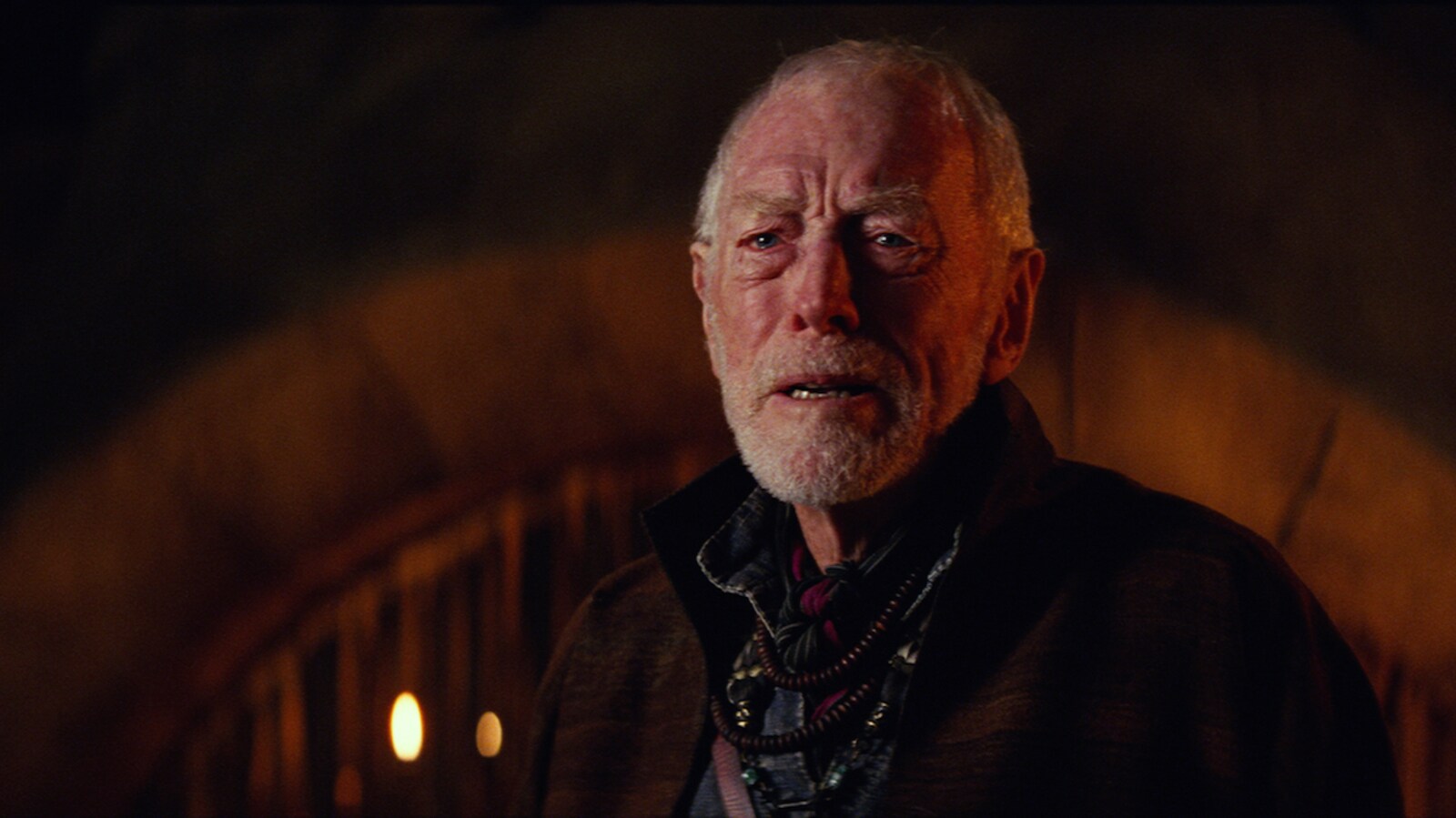
The Church does not appear to reproduce the centralized hierarchy of the old Jedi Order. Figures such as Lor San Tekka function as learned believers and custodians of religious memory rather than Jedi masters.
05 · Material religion
Sacred places, objects, and landscapes
Tuanul on Jakku is described as one of Jakku's sacred villages and becomes a visible Church community. Jedi sites, artifacts, maps, and stories also matter as objects of memory and preservation.
06 · Change over time
History, rupture, and continuity
The Empire outlawed the Church of the Force and drove it underground, yet failed to destroy it. By the New Republic era, communities and adherents remained active, demonstrating religious survival after state persecution.
Connected archive