01 · Orientation
Summary
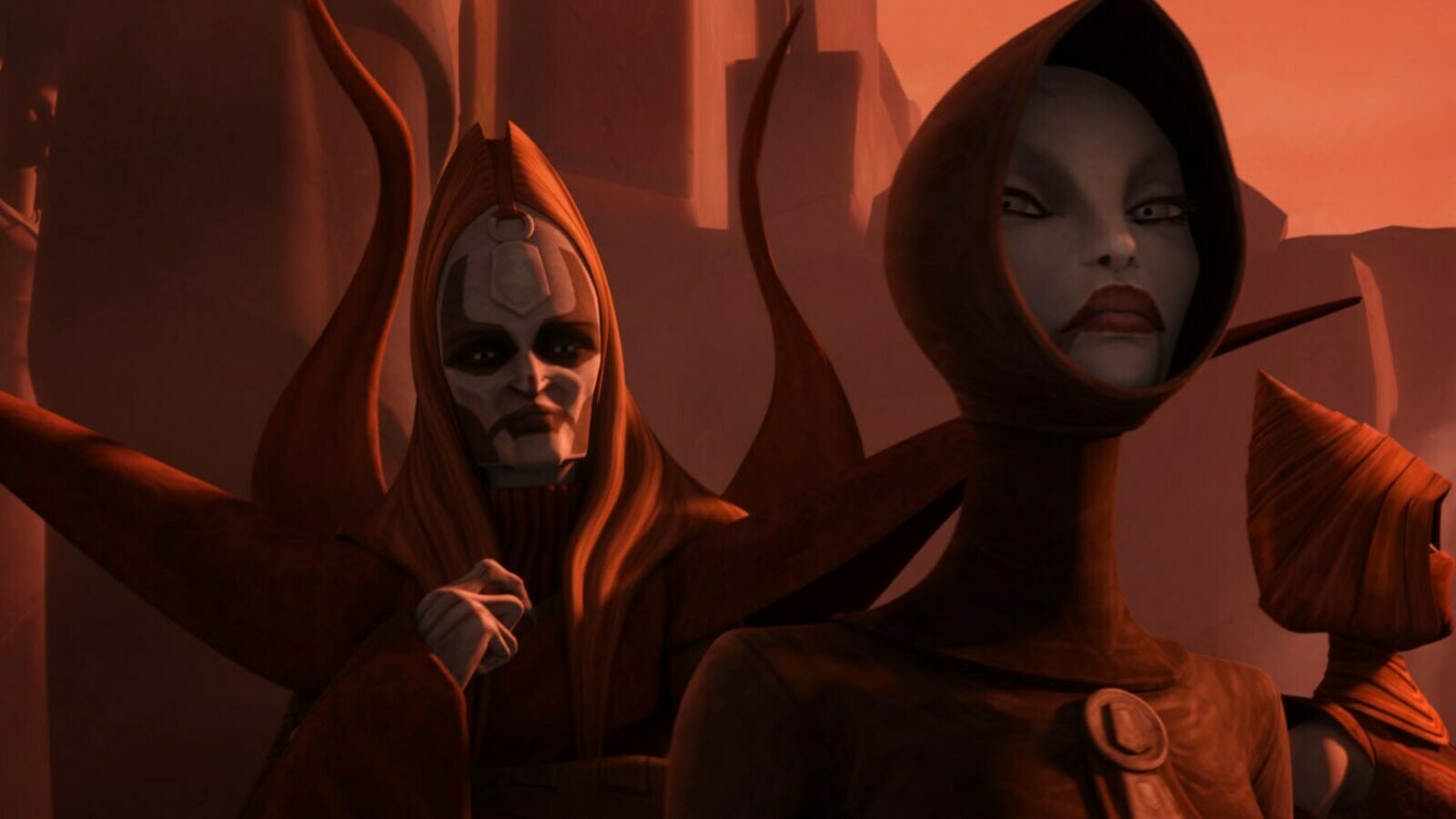
Nightsister religion is embedded in coven life, ancestry, ritual expertise, place, death, healing, transformation, and the Force practices they call magick. It cannot be reduced to either Jedi or Sith categories.
02 · Cosmology
Worldview and religious ideas
Nightsister practice treats power as relational: it moves through kinship, teachers, ancestors, ritual objects, sacred places, and specialized knowledge. Death does not entirely sever social relations, and the boundary between living communities and ancestral presence can remain ritually active.
03 · Practice
Ritual, discipline, and everyday religion
Magick, chanting, transformation, healing, divination, spirit work, resurrection of the dead, talismans, crystal balls, ritual gatherings, and specialized instruction all appear in Nightsister traditions.
04 · Authority
Institutions and religious leadership
Clan Mothers and senior ritual specialists hold authority through knowledge, kinship, experience, and control of ritual practice. Coven organization makes spiritual power collective rather than purely individual.
05 · Material religion
Sacred places, objects, and landscapes
Dathomir is both homeland and sacred landscape, while Peridea connects later Nightsister communities to ancestral migration and the Great Mothers. Fortresses, graves, ritual chambers, objects, and ancestral sites organize religious memory.
06 · Change over time
History, rupture, and continuity
The massacre of the Dathomiri Nightsisters created rupture and diaspora, but later survivors such as Merrin and Morgan Elsbeth show that religious traditions can persist, adapt, and reconnect across enormous distances.
Connected archive