
- Investigation
- Darth Nul
- Historical link
- Children of the Emperor
- Prisoner
- Darth Malgus
- Missing witness
- Sa'har Kateen
Malgus's capture did not solve the Elom mystery. In the Digging Deeper investigation, Alliance and Jedi researchers returned to the temple, studied its artifacts, and questioned the imprisoned Sith Lord. The surviving evidence linked Darth Nul to one of Vitiate's most disturbing institutions: the Children of the Emperor, Force-sensitive people broken, conditioned, and turned into hidden extensions of the Emperor's will.
Nul's erased history reappears through a notorious institution
The Children of the Emperor had previously been understood mainly through Vitiate himself. The new evidence showed that the Emperor's system depended on methods and inventions developed by another person whose contribution had been suppressed.
This changes attribution. An institution remembered as the product of one supreme ruler becomes evidence of collaboration, appropriation, and later erasure.
Kira Carsen carries embodied knowledge of the system
Kira's own history as a former Child of the Emperor meant the investigation was not only academic. For her, the recovered artifacts and terminology pointed toward forms of coercion she had personally survived.
That perspective gives the archive a human consequence. Researchers can describe indoctrination techniques; survivors understand what those techniques did to identities and relationships.
Malgus uses partial disclosure strategically
Imprisonment did not make Malgus politically powerless. He could choose what to reveal, when to taunt his interrogators, and which historical questions to amplify.
Information became his remaining weapon. By telling others that their historical understanding was incomplete, he could keep shaping behavior from a cell.
Sa'har's disappearance connects Nul to the Hidden Chain
Investigators learned that Sa'har had survived Elom. Her attempt to reconnect with Ri'kan placed her within the orbit of Heta Kol's movement.
The Nul mystery therefore ceased to belong only to Jedi-Sith history. A relic, a survivor, and a family conflict carried it into the Mandalorian civil war.
3625 BBY · Legends · Research context
People, political institutions and historical evidence
Investigating Darth Nul: what the story records
Digging Deeper carries the investigation beyond the first Elom confrontation. SWTOR specifically highlights Malgus's interest in Darth Nul and the fate of Sa'har Kateen, the Jedi Padawan who faced him in the ancient ruins. The update advances the mystery but does not grant readers unlimited knowledge of every plan that later figures will make around Nul's legacy.
Anthropological analysis and limits
A person erased from political history can remain influential when artifacts, surviving testimony and institutional secrets reappear. The Nul investigation shows how control over the past can be contested through material objects and new evidence. This is an analytical reading rather than a claim that archaeologists in the game follow modern research methods.
Verify the historical claim
The named SWTOR story or mission supports the event; the precise BBY placement can be an editorial Legends reconstruction rather than a date quoted by the publisher. In-game faction choices and unspecified casualties must not be converted into a single invented account.
Primary publisher source: SWTOR story and release record →
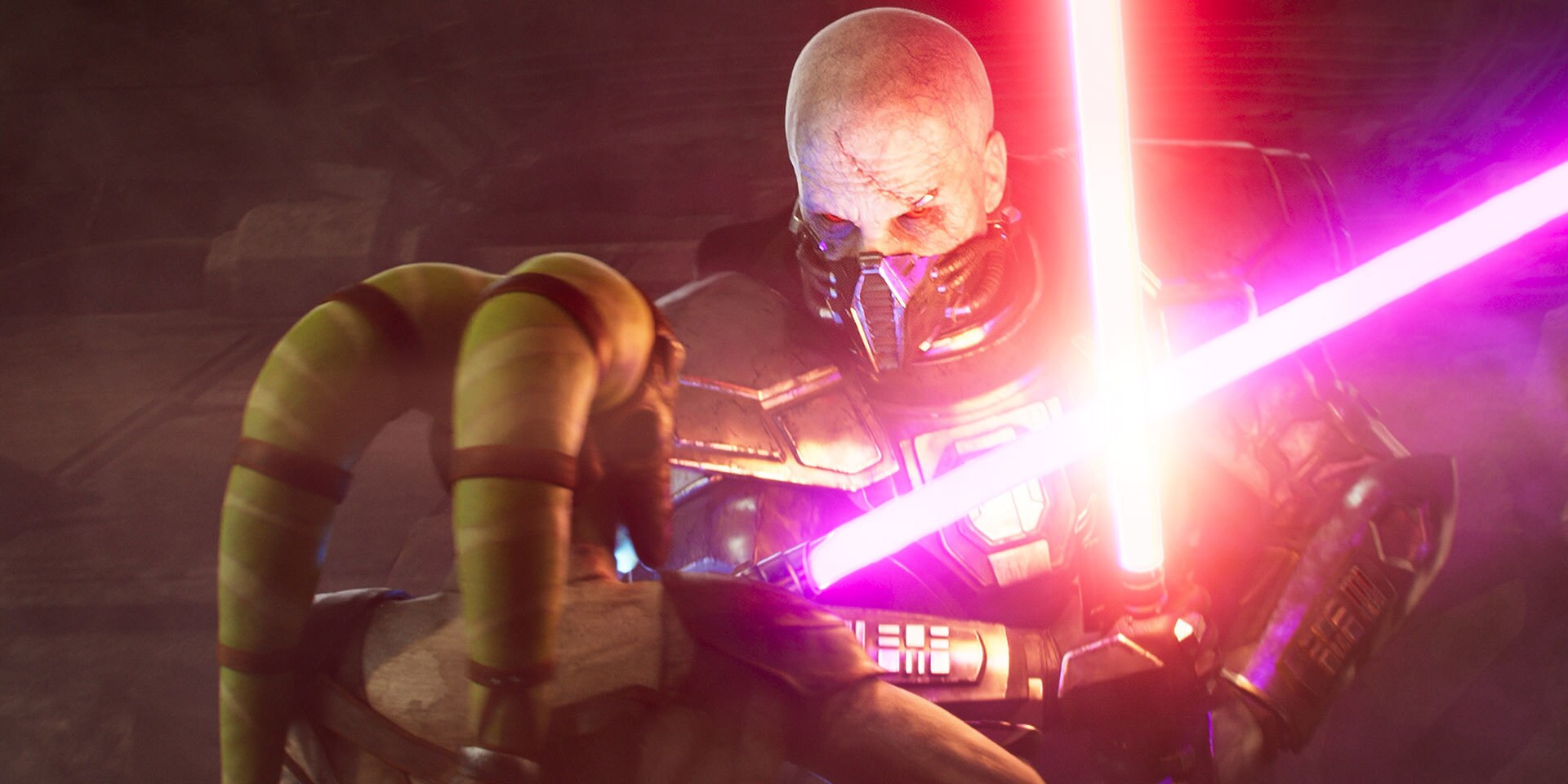
Event sequence
Artifacts are cataloged after Malgus's capture.
The site evokes the Children of the Emperor.
He reveals Nul's deep role in their creation.
The missing Padawan becomes a second investigative trail.
Nul's legacy begins connecting the Sith and Mandalorian storylines.
Explore this entry
Was Darth Nul literally the Emperor's first 'child'?
The terminology is complicated. Nul was central to developing the methods used to create the Children and is described through the 'Mother' framework. Later revelations add more nuance to her own relationship with Vitiate.
Why would Vitiate erase someone who helped him?
Erasure can remove a rival claim to authorship, hide methods, and ensure followers attribute a system's power to the ruler alone.
Why is Malgus still dangerous while imprisoned?
Because he controls knowledge other people want. A prisoner with exclusive information can still shape investigation and political priorities.
Anthropological assessment
Digging Deeper is about authorship and institutional memory. Powerful rulers are often credited with systems actually created through the labor, knowledge, and coercion of many less-visible people.
Recovering Nul's role changes not only the past but the present. Once investigators learn that a foundational story was curated, they have reason to question what else their institutions chose to forget.
3625 BBY · Old Republic · Legends
Why this event matters: Darth Nul's erased legacy
Recovering suppressed records reveals how institutions shape collective memory by controlling what can be known.
Anthropological interpretation: The event can be examined through institutions, social loyalties and the control of resources or information. That analytical perspective should not be confused with additional source-documented scenes.
Evidence check: documented event or interpretation?
The event and its broad place in the chronology are source-based. The social implications above are interpretation; exact private motives, undocumented dialogue and unreported casualties are not asserted.
Sources and further reading
Test your historical judgment
Choose your answers to receive a score, individual corrections and historical explanations.