
LEGENDS · 123 ABY · JEDI HISTORY
Kol Skywalker writes a historical report about Order 66
A Jedi leader examines the old purge while the future Ossus catastrophe approaches.
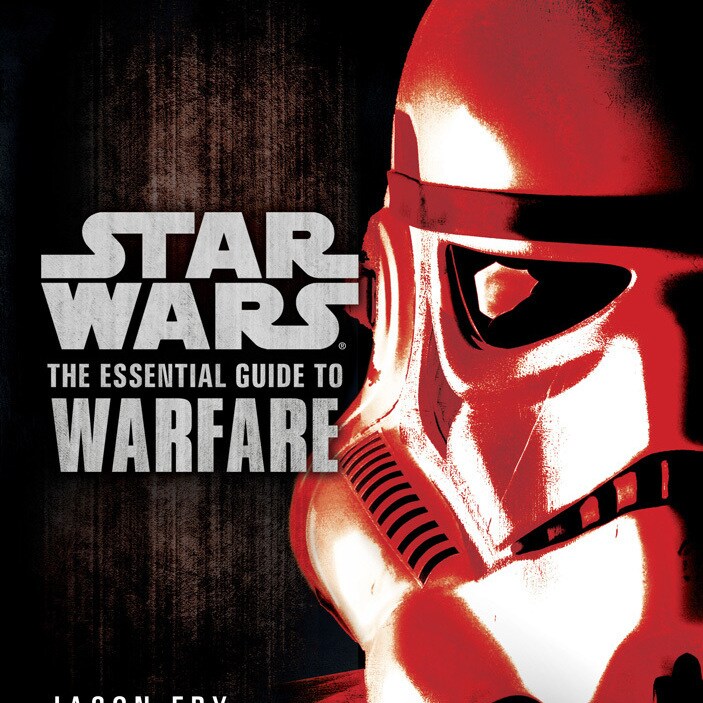
Continuity and source policy: Legends only, not current Star Wars Canon. Dated source statements are distinguished from interpretive analysis. Real published cover art is clearly labeled and never claimed to depict a scene it does not illustrate.
A 123 ABY reference places Kol Skywalker, a prominent Jedi leader of the Legacy era, as the author of a report about Order 66. The report concerns the Emperor's destruction of the old Jedi Order in 19 BBY. Its composition is the event in 123 ABY, not a second enactment of the order.
Looking backward from the new Jedi Order
More than a century after the fall of the Republic, the Jedi still had reason to study the mechanism by which Palpatine destroyed their predecessors. Order 66 combined centralized military authority, clone obedience, secrecy and surprise. Studying its history could help a later generation understand how a formally recognized religious order lost both its legal standing and physical safety. Kol Skywalker's report belongs to this later effort to make institutional disaster intelligible.
What is actually established
The Essential Guide to Warfare records that Kol authored an Order 66 report in 123 ABY. The dated reference does not provide a complete public transcript or establish a legislative response, newly discovered mass grave, or official Jedi tribunal in that year. The safe conclusion is precise: Kol produced a historical document. Readers should resist converting that statement into an invented meeting or a line of supposed quotations that the source does not supply.
Why historical classification matters
A purge is not only an episode of violence. It also changes which kinds of people institutions treat as legitimate. The old Empire recast Jedi from peacekeepers into enemies of the state; the ideological conversion helped justify detention and killing. A report written by a later Jedi can be studied as an attempt to preserve categories of political responsibility and challenge the legitimacy of the purge. This is an analytical reading of the report's significance rather than a claim to know all of its text.
Kol, the Ossus Project and the future Jedi
Kol later supported collaboration between the New Jedi Order and Yuuzhan Vong shapers in the Ossus restoration effort. In the years following the report, manufactured evidence against those shapers contributed to renewed prejudice and eventually to the Sith–Imperial War. In 130 ABY, the Sith attacked Ossus and killed Kol. That sequence makes the old lesson painfully relevant, but the chronology should not claim the 123 ABY report directly predicted the massacre.
Historical method: memory does not prevent repetition
An institution can document earlier injustice and still encounter a different version of it later. The Republic era and the Legacy era had distinct governments, militaries and political relationships, so an easy claim that history simply repeated itself is inadequate. What can be compared are mechanisms: the manufacture of enemies, institutional dependence on protectors, failures of political accountability and the vulnerability of minority groups when war rhetoric becomes ordinary policy.
Where the evidence stops
The basic date and authorship are sourced to a published reference work. Details of the report's intended audience, circulation, exact findings, and effects on military reform are not firmly established by the available entry. The page keeps these questions visible so future source discoveries can enrich the dossier without retroactively inventing facts.
Interactive history and evidence lab
Choose what the published material actually supports. Submit both answers to see the full assessment at the bottom.
Sources and continuity notes
This page combines a documented Legends event with original contextual and anthropological analysis. Context does not supply missing narrative scenes, dialogue or exact dates.