01 / Office
Who manages daily life?
The show identifies public officials such as Undersecretary Fara. This visitor notice is illustrative, not a screen-used form.

At Attin / Location 06 · Institutions
At Attin's civic landscape is a working society, not simply a secret vault or a set of suburban facades.
Actual Skeleton Crew still · Source: Undersecretary Fara
Open the field notes · Three topics
Enter an imagined civic plaza, bordered by orderly concrete offices and maintained landscaping. The city's routines connect family life to administrative authority. The topics below explain the setting without assigning geographic coordinates.
Field note 01 / 03
Civic work, record-keeping and regulation sustain the planet's daily life beyond the Supervisor's direct interventions.
FIELD EDITION / AT ATTIN
Public order is made from everyday decisions.
Interpretive field guide. These sheets are not official in-universe documents or filmed props.
Interpretive civic notice
At Attin runs on routines that reach beyond the tower. Undersecretary Fara and other public officials coordinate the work of institutions, while parents such as Wendle encounter official rules as part of family life.
CULTURAL OBSERVATION
The administrative order is more convincing because it resembles ordinary civic life. Schooling, employment, recordkeeping and security all fit together. The disappearance of the children tests whether these procedures can respond to situations outside the approved pattern.
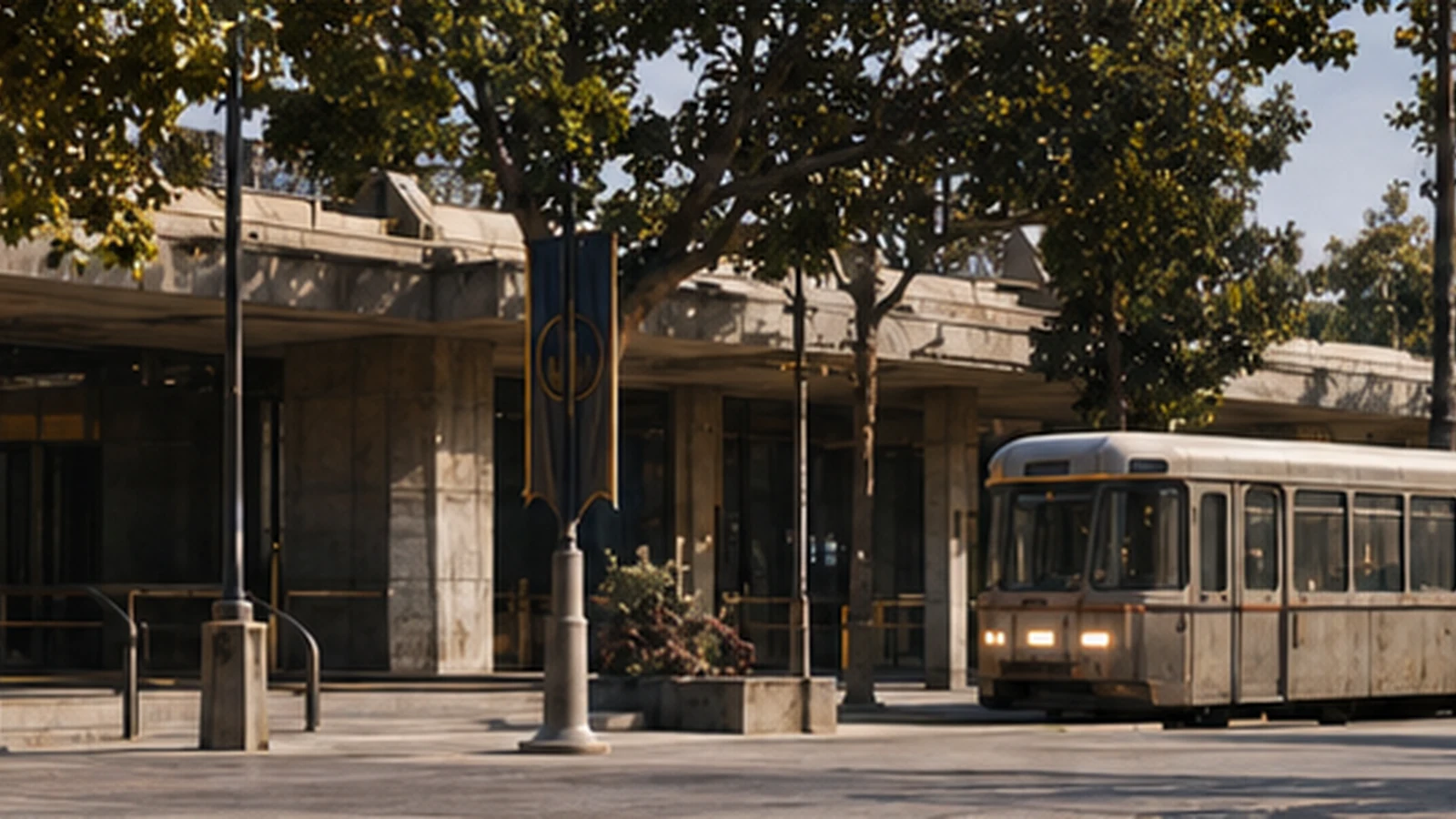
Read the production or story source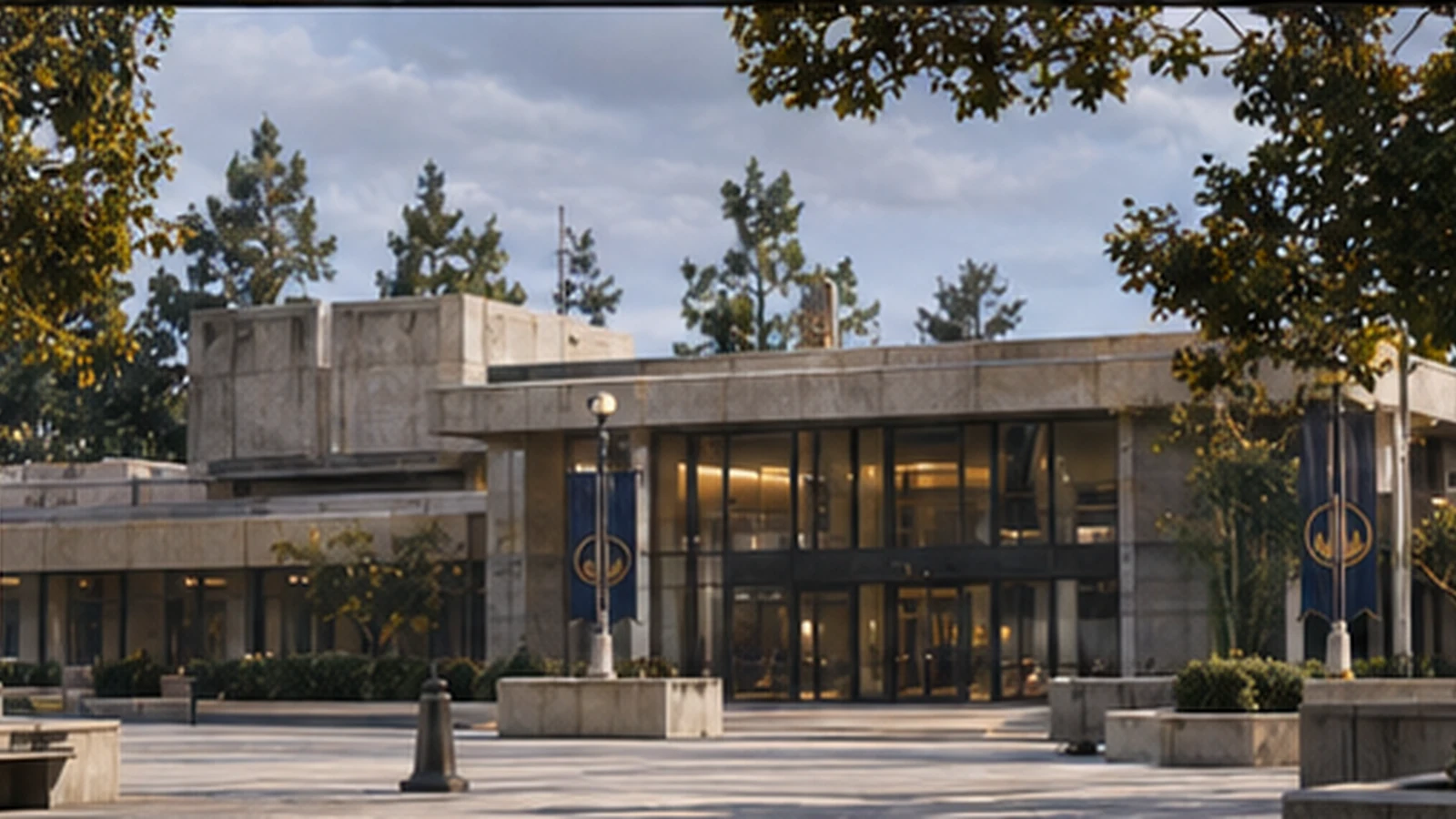 FIG. 01Civic institutions make the hidden planet feel administratively complete.
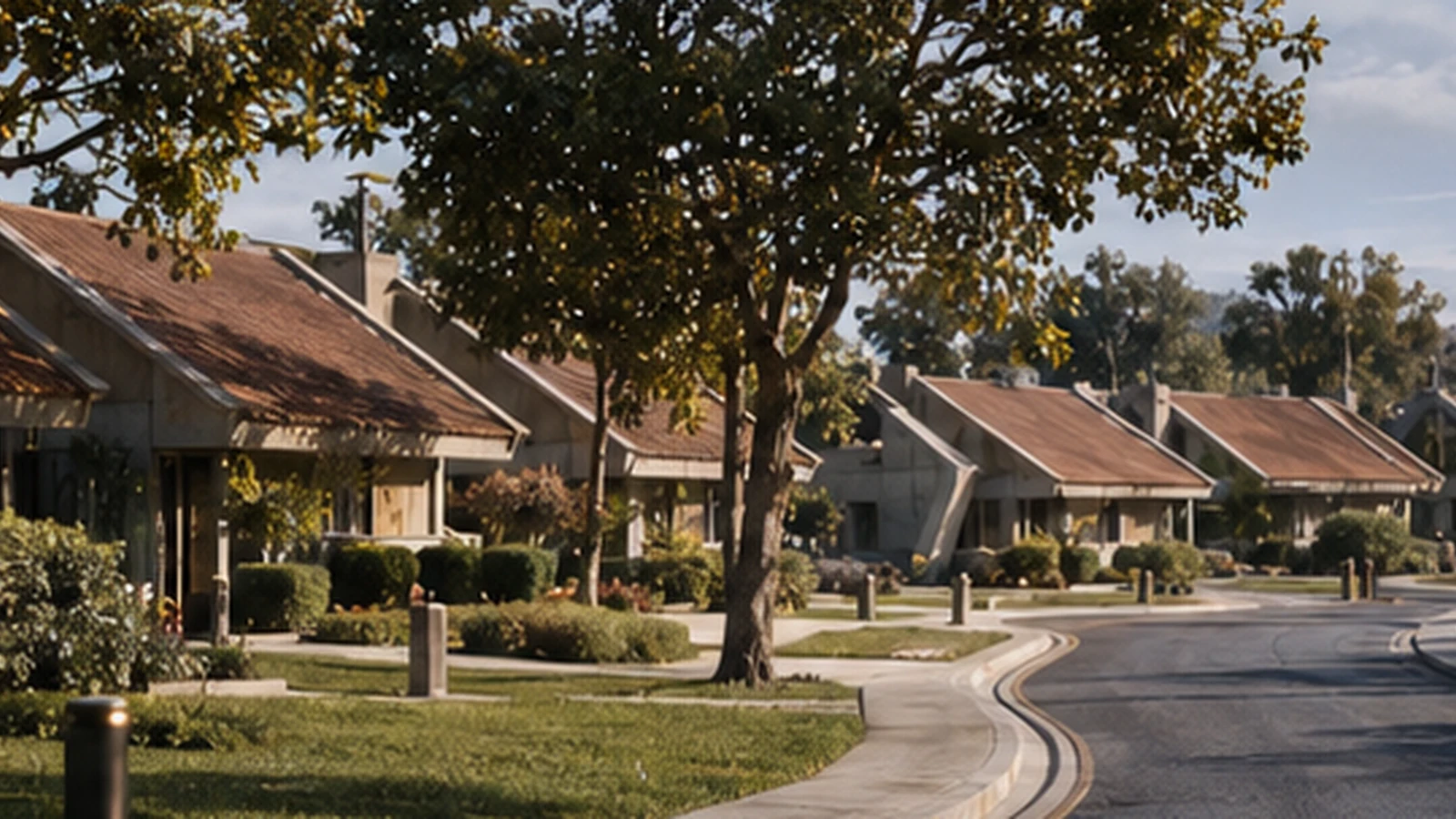 FIG. 02Public rules intersect with the private world of family homes.
ARCHIVE LEAFLETS / 01—03
Three notes place everyday activities beside the larger story. These are readable editorial cards, not invented official procedures.
01 / Office
The show identifies public officials such as Undersecretary Fara. This visitor notice is illustrative, not a screen-used form.
02 / Household
Parents' concern for missing children clashes with the rules designed to protect them.
03 / Continuity
The power grid and Safety droid network show that civic routines can become vulnerable to concentrated control.
01 / Location dossier
Work, public order, career administration and family responsibilities.
At Attin's civic landscape is a working society, not simply a secret vault or a set of suburban facades.
Fern's mother Fara serves as an Undersecretary. Wim's father Wendle works within the civic system. Parents must balance loyalty to the rules with the increasingly urgent need to find their missing children.
The show's conflict is not limited to one malicious ruler. Education, administrative routines, security protocols and information rules together shape ordinary life. Their interdependence explains why the loss of centralized oversight creates a crisis.
02 / Historical and social context
Public administration at At Attin is not reducible to the single figure of the Supervisor. The narrative also includes civic officials, workers, school institutions and parents. Fara's public role and her family's emergency make the tension between administrative duty and personal responsibility unusually visible.
When the adults attempt to communicate beyond the Barrier, ordinary obedience to established procedures conflicts with the urgent needs of their children. This record therefore treats institutions as lived arrangements that people can support, question or work around, rather than assuming the population possesses one uniform set of beliefs.
The general concrete civic architectural style is supported by production design. This particular plaza and office placement are estimated.
03 / People and connections
Linked character profiles provide the wider story context. A link does not establish that every character appeared at this exact viewpoint.
04 / Continue exploring
Each destination opens its full immersive location article.
05 / Primary material
The points of interest are editorial guides, not certified building plans or fixed geographic coordinates.
Mentioned in this file