01 / Home
A familiar front door
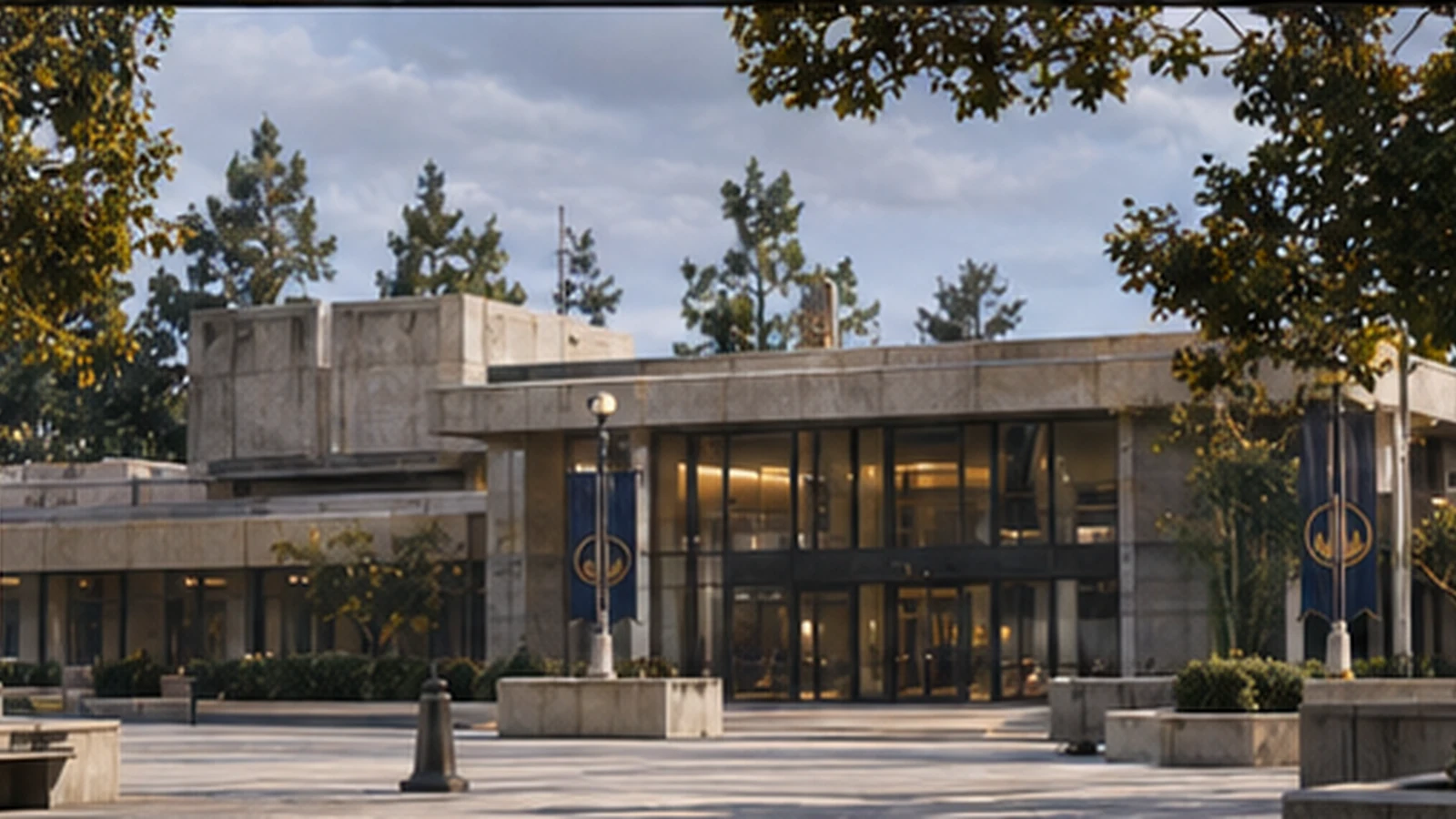
The repeated suburban architecture suggests stability and shared expectations, but it does not establish that every family's circumstances are the same.
At Attin / Location 01 · Neighborhoods
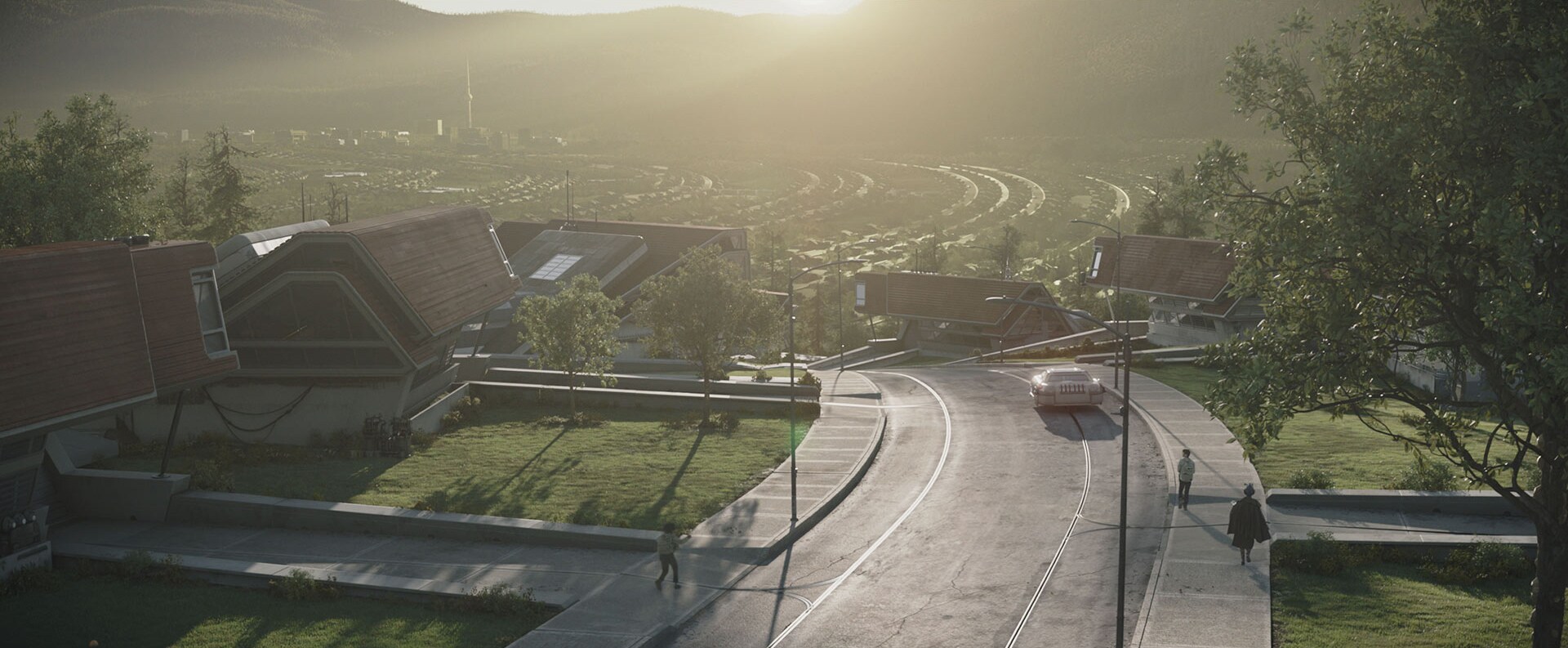
At Attin's tidy suburbs are the ordinary world from which the children depart. Similar houses, lawns, cul-de-sacs and low-traffic roads make safety feel routine.
Actual Skeleton Crew still · Source: At Attin suburb
Open the field notes · Three topics
Enter a quiet, wooded residential street. Repeated pitched-roof homes, orderly landscaping and curved roads give the community its familiar appearance. This is an imagined pedestrian viewpoint, not a recorded address. The topics below explain the setting without assigning geographic coordinates.
Field note 01 / 03
Near-identical roofs and landscaped residential plots make the suburbs feel uniform, although the series does not establish that every household lives alike.
FIELD EDITION / AT ATTIN
A safe morning can feel like an entire world.
Interpretive field guide. These sheets are not official in-universe documents or filmed props.
Household field notes
Begin on a quiet residential street. The same rooflines, trimmed gardens and carefully maintained routes make the place immediately familiar. For Wim, that familiarity is precisely the problem: the world feels complete, while the possibility of adventure sits beyond everything he knows.
CULTURAL OBSERVATION
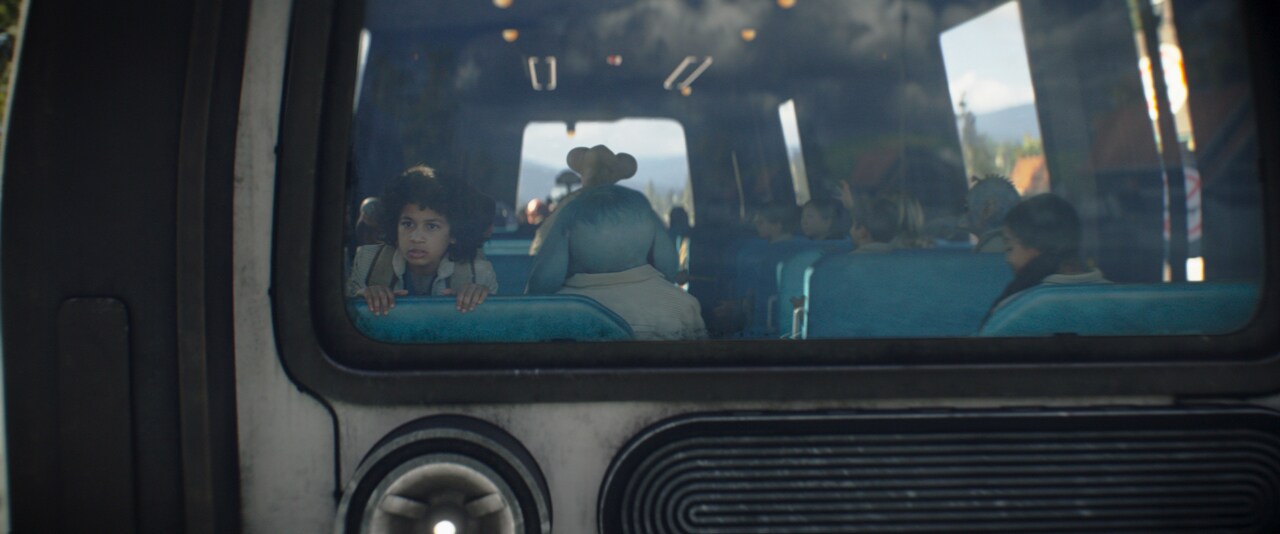
The houses are orderly, but the children are not identical in their loyalties. Wim and Neel follow a familiar journey to school; Fern and KB push against the boundaries of routine through their hoverbikes. These ordinary activities show how young residents find room for choice inside an extensively regulated system.
Read the production or story source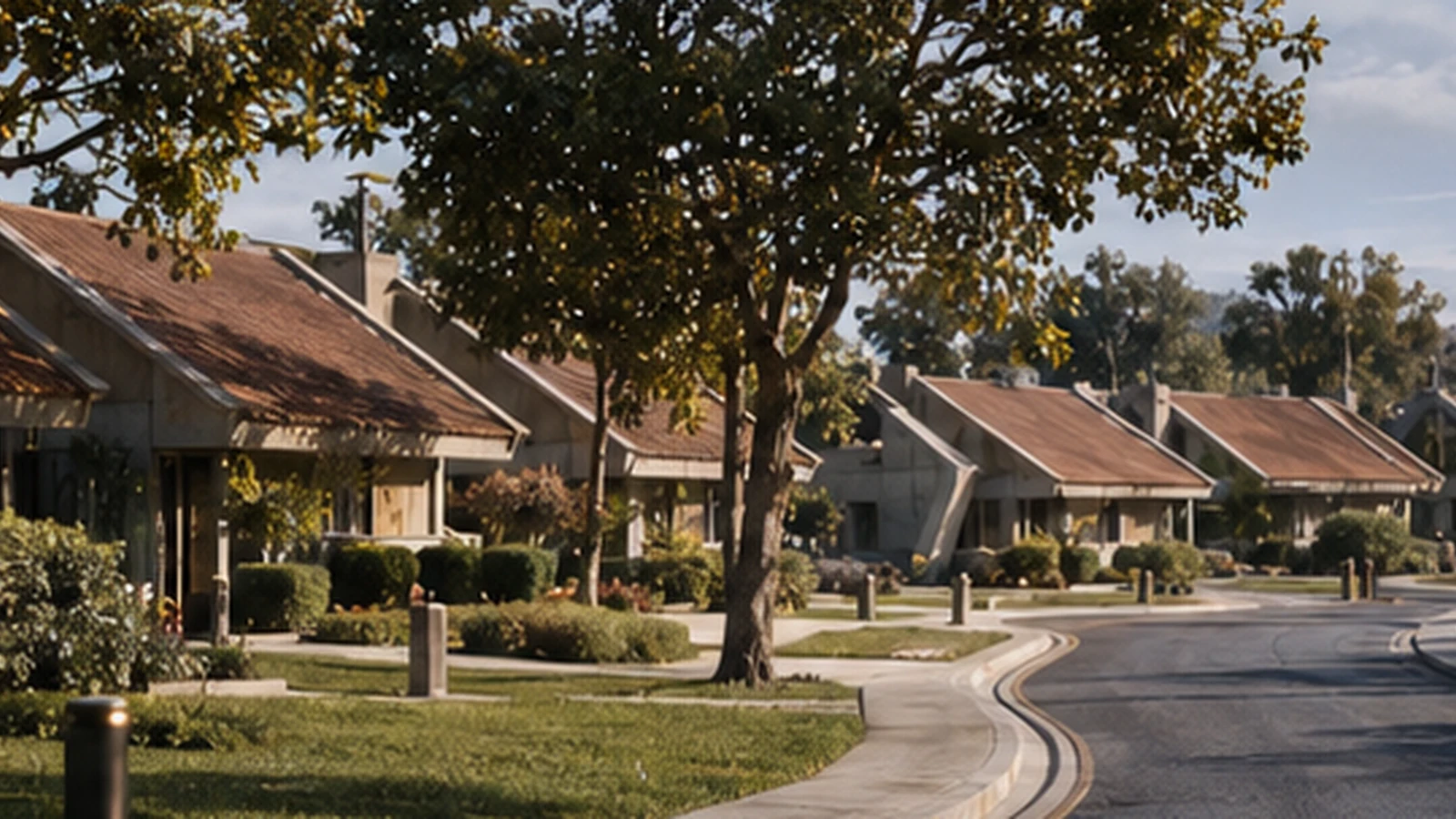 FIG. 01Identical sloping rooflines and warm domestic spaces are part of the show's production design.
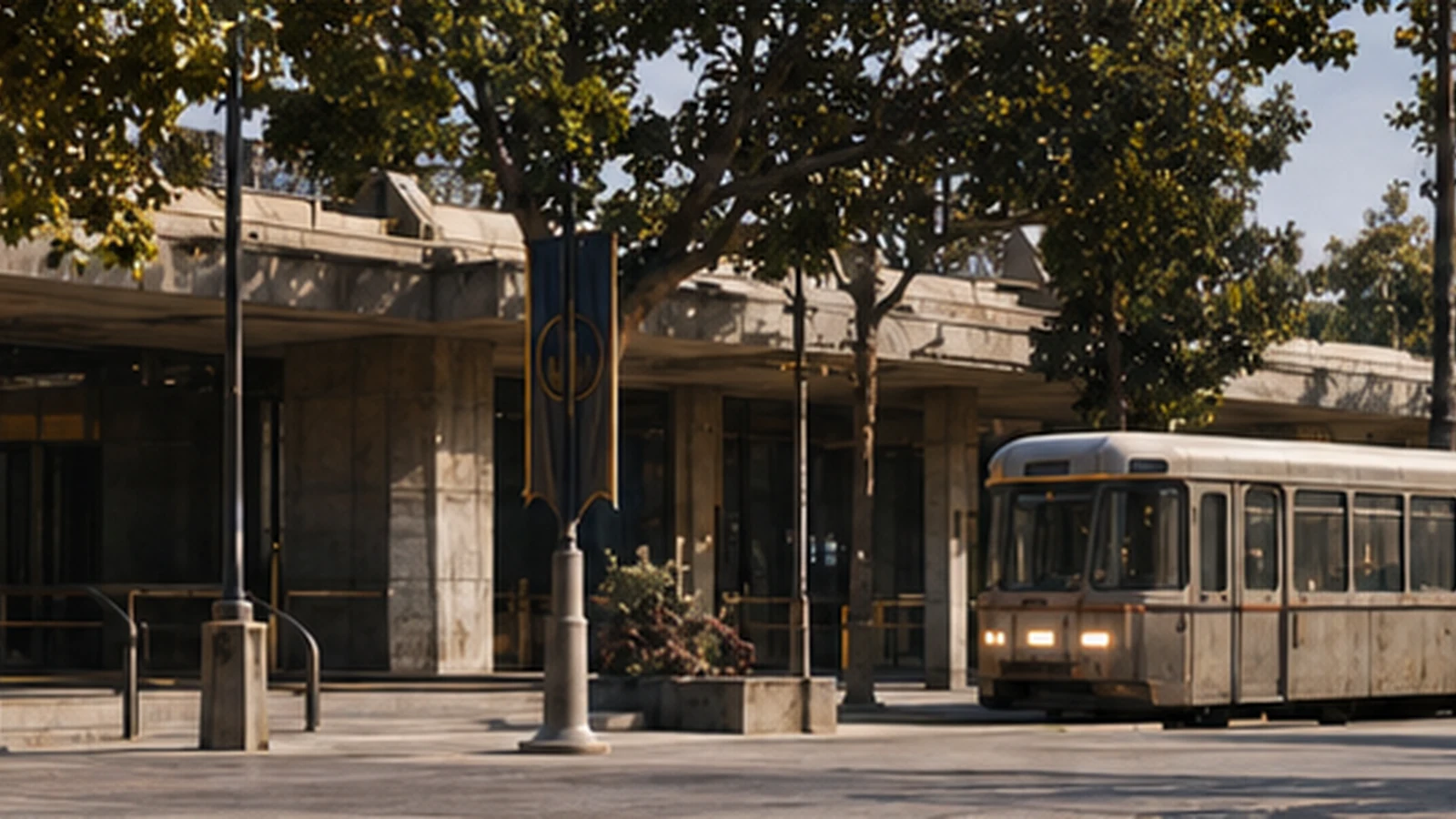 FIG. 02The daily journey to school connects family life to the Great Work.
 AT ATTIN / NEIGHBORHOOD COMPANIONS
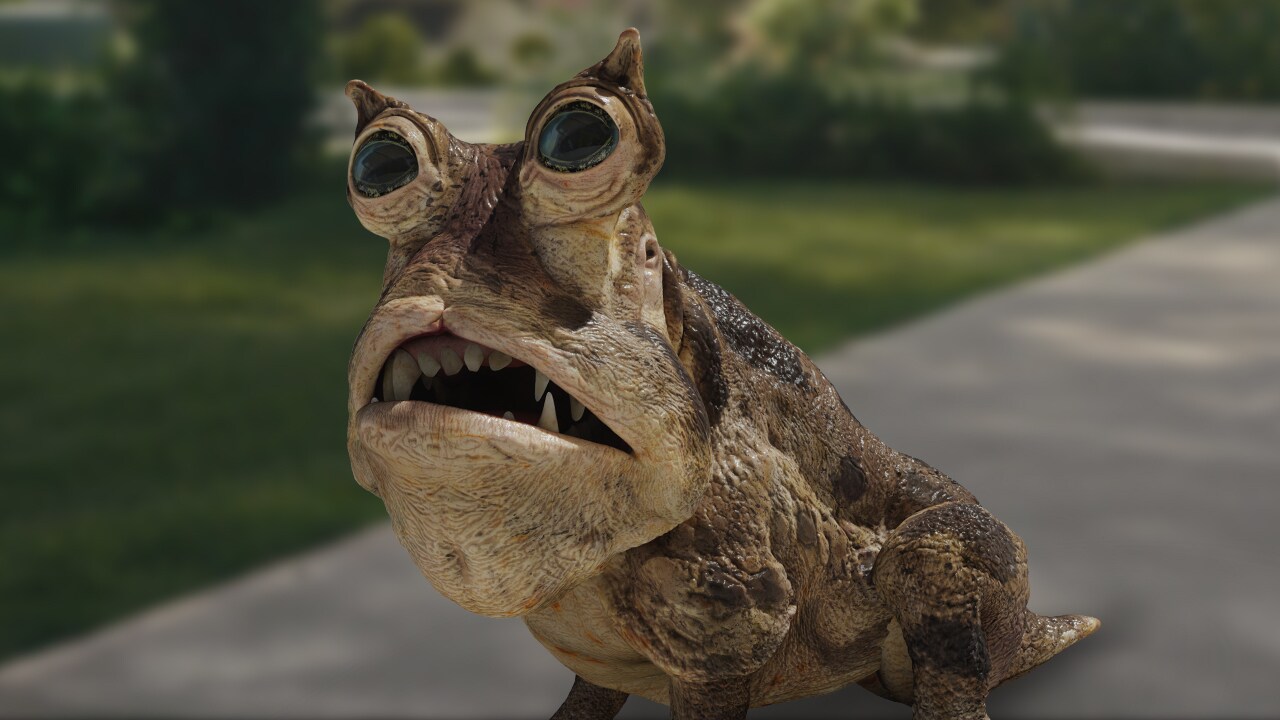
LIVING SPECIES / OFFICIAL DATABANK IMAGE
Residents share their orderly neighborhoods with family pets. Mrs. Ikk, Wim's Ithorian neighbor, has a loyal frogdog. Wim's habit of startling the animal into barking gives this quiet street an ordinary, recognizable neighborhood sound.
Cultural note. This small domestic relationship gives At Attin a lived-in quality beyond its work schedules and security system. It also reminds us that pets, neighbors and minor conflicts form part of everyday social life.
Official At Attin frogdog Databank · Lucasfilm's neighborhood account
ARCHIVE LEAFLETS / 01—03
Three notes place everyday activities beside the larger story. These are readable editorial cards, not invented official procedures.
01 / Home
The repeated suburban architecture suggests stability and shared expectations, but it does not establish that every family's circumstances are the same.
02 / Route
The neighborhood and school tram give childhood a repeated daily path. A predictable commute is also a way institutions become part of ordinary experience.
03 / Beyond the curb
The forest and hidden starship form the contrasting world beyond the manicured neighborhood. The precise route from any home is not established on screen.
01 / Location dossier
Tree-lined streets, family homes and the familiar route to school.
At Attin's tidy suburbs are the ordinary world from which the children depart. Similar houses, lawns, cul-de-sacs and low-traffic roads make safety feel routine.
The children experience the streets through friendships, school commutes and neighborhood play. Wim's longing for adventure has meaning because his surroundings offer so few visible surprises. Fern and KB race hoverbikes while Wim and Neel travel through the same apparently settled landscape.
These are recognizable residential environments, not evidence that every household lives identically. The series shows children, parents and administrators relating differently to the system. The appearance of comfort should be read beside restrictions on knowledge and travel.
02 / Historical and social context
The residential fabric matters because it gives the planet's political order a familiar, apparently benign form. Housing, transport and routines support a sense of mutual security. The production designers intentionally used repeated roof forms, quiet streets and suburban visual references. Those choices establish the environment in which Wim's fascination with a different life becomes legible.
Nothing on screen warrants inventing named residential districts or placing each household at a definite coordinate. The homes in this guide represent a known kind of settlement, not a complete municipal property map. Residents do not experience the same system in precisely the same way, and the children's choices reveal differences within one generation.
Homes and curved streets follow production-design references. This view does not establish any family's exact address.
03 / People and connections
Linked character profiles provide the wider story context. A link does not establish that every character appeared at this exact viewpoint.
04 / Continue exploring
Each destination opens its full immersive location article.
05 / Primary material
The points of interest are editorial guides, not certified building plans or fixed geographic coordinates.